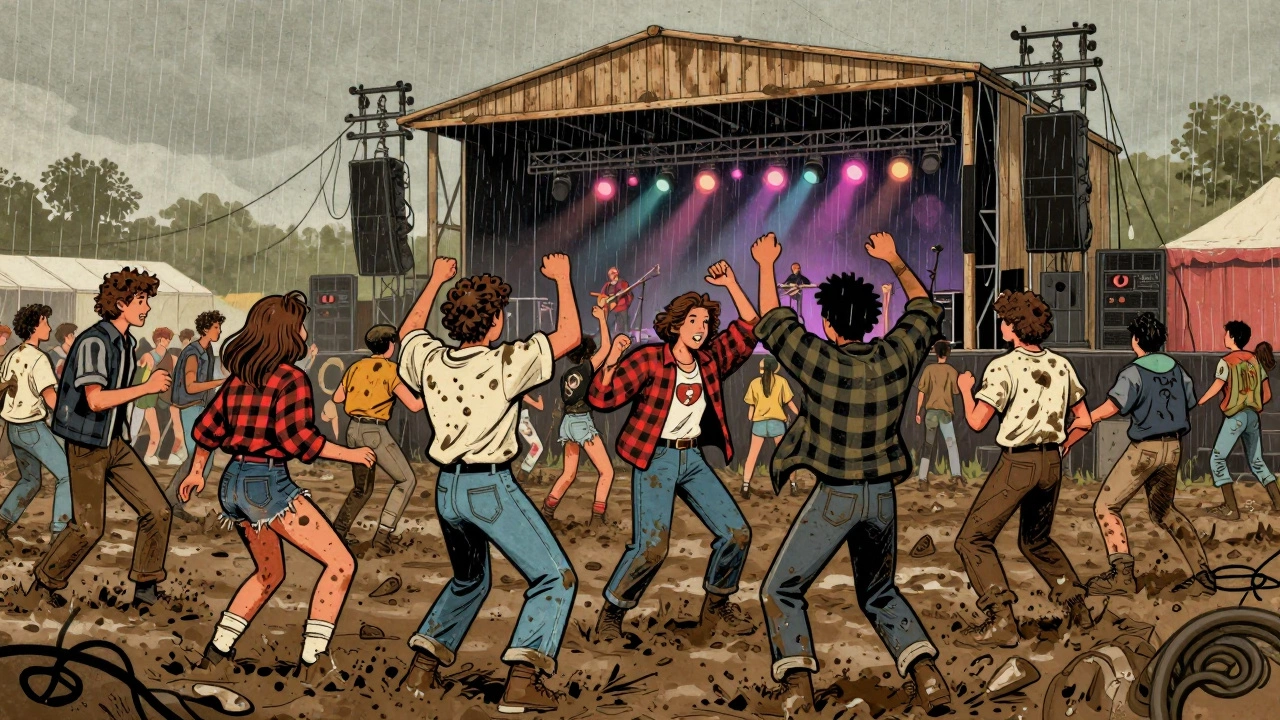

Remember the smell of wet grass, diesel generators, and cheap beer? That was the scent of the 1990s. Before we had apps to book our campsites or wristbands that double as payment methods, festivals were raw, chaotic, and deeply communal. Today, when you buy a ticket to Coachella or Tomorrowland, you are stepping into a machine worth millions of dollars. But did you know that the blueprint for these modern mega-events was drawn in the mud of the 1990s?
The 1990s festival model wasn't just about music; it was a cultural shift that turned temporary gatherings into permanent economic engines. It changed how cities plan infrastructure, how brands spend money, and how we experience community. If you look at today’s massive events, you will see the ghost of the nineties in every stage design and sponsorship deal.
The Birth of the Modern Mega-Event
To understand where we are, we have to look at where we started. In the 1970s, festivals like Woodstock ’69 were counter-cultural protests against the mainstream. They were messy, often illegal, and focused on political dissent. By the 1990s, something shifted. The counter-culture became the culture. Bands like Nirvana, Oasis, and Radiohead weren’t fighting the system; they were selling out stadiums within it.
This era gave us the first true "mega-festivals" that prioritized scale over ideology. Take Glastonbury Festival, which expanded significantly in the early 90s under Michael Eavis. Or look at Woodstock ’94 in Saugerties, New York. These weren’t just concerts; they were cities built from scratch. They introduced the concept of the multi-day, multi-stage experience as a product. The goal stopped being just to play music and started being to create a self-contained world.
The key difference? Professionalism. The 1990s saw the rise of professional promoters who treated festivals as businesses rather than grassroots movements. This shift allowed for larger crowds, better sound systems, and-crucially-the integration of corporate sponsors. It was the moment festivals grew up, and it set the stage for the billion-dollar industry we see today.
From Mud to Money: The Economic Legacy
One of the biggest lessons from the 1990s was that festivals could transform local economies. In the past, towns might welcome a concert for a weekend of sales. In the 90s, organizers began to realize they could leverage an event to fund long-term urban development. Think back to Barcelona’s 1992 Olympics, mentioned in historical analyses of mega-events. While not a music festival, it established a precedent: use the event to build infrastructure that lasts.
Festival organizers adopted this mindset. They started negotiating with local governments for road repairs, waste management upgrades, and public transport improvements in exchange for hosting rights. A town like Cheltenham in the UK or Austin in Texas didn’t just host a festival; they used it to brand themselves as cultural hubs. This strategy accelerated urban transformation by years, sometimes decades.
Today, this is standard practice. When a city bids for a Super Bowl or a major electronic dance music (EDM) festival, they are selling a legacy plan. The 1990s taught us that the event itself is short-lived, but the investment it brings can be permanent. This economic model is why so many cities now compete fiercely to host mega-events. They aren’t just chasing tourists; they are chasing infrastructure funding.
| Feature | 1990s Model | Modern Mega-Event (2020s) |
|---|---|---|
| Primary Goal | Cultural expression & community building | Profit maximization & brand activation |
| Sponsorship | Minimal, often non-alcoholic brands | Dominant, immersive branded zones |
| Technology | Analog, cash-based, paper tickets | Digital, cashless, AI-driven crowd control |
| Legacy Focus | Local economic boost | Global tourism & urban regeneration |
| Attendee Experience | Raw, unstructured, communal | Curated, scheduled, personalized |
The Rise of Corporate Sponsorship
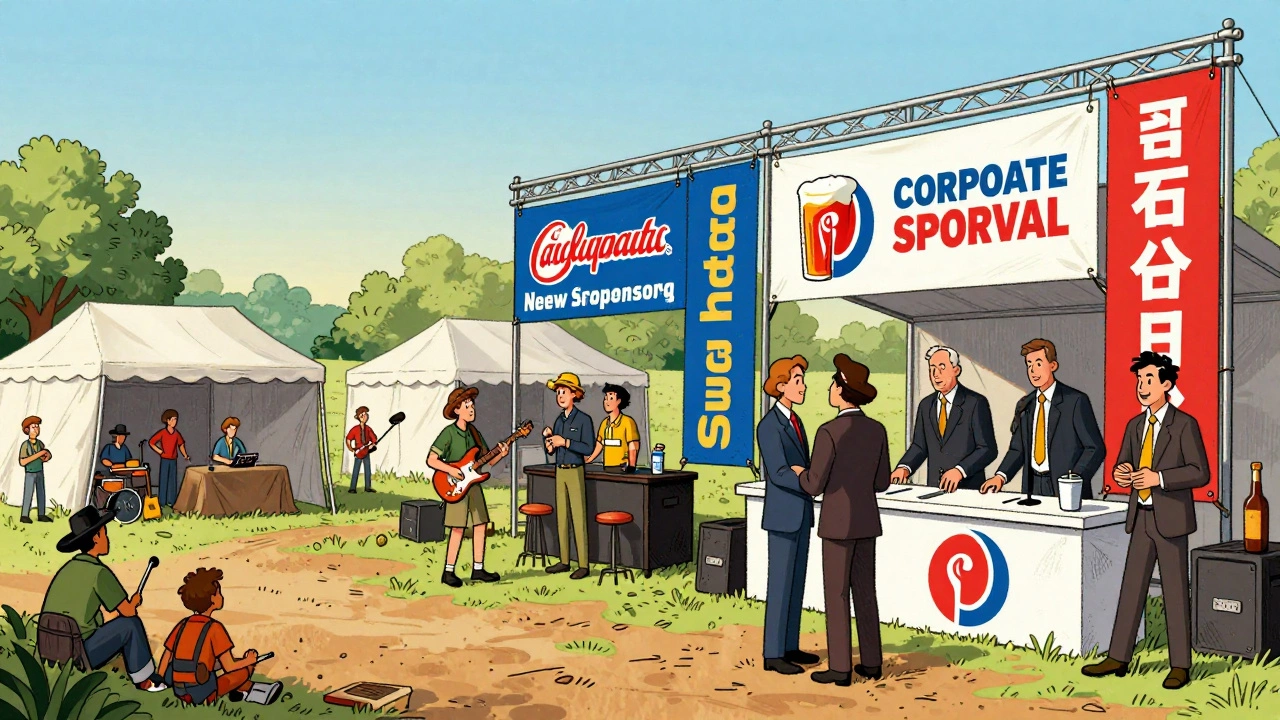
If you went to a festival in 1995, you might have seen a banner for a beer company or a clothing brand. Today, you walk through "Branded Villages," sleep in sponsored tents, and drink from cups with logos on them. This hyper-commercialization started in the 1990s. As festivals grew, so did their costs. Organizers needed new revenue streams beyond ticket sales.
Companies realized that festivals offered a unique marketing opportunity. Unlike a TV ad, you couldn’t skip a festival. You were trapped in the environment for three days. Brands like Heineken, Red Bull, and Nike began investing heavily. They didn’t just put up signs; they created experiences. Red Bull, for example, started hosting its own stages and events within festivals. This blurred the line between entertainment and advertising.
This shift changed the attendee experience. For some, it felt like selling out. For others, it meant better facilities and lower ticket prices. The debate continues today, but the 1990s made it clear: if you want a mega-event, you need corporate backing. This financial dependency has shaped everything from lineup choices to stage designs. It also raised the stakes. If a sponsor pulls out, the whole event can collapse. We’ve seen this happen in recent years, reminding us that the business side of festivals is fragile.
Infrastructure and Urban Planning
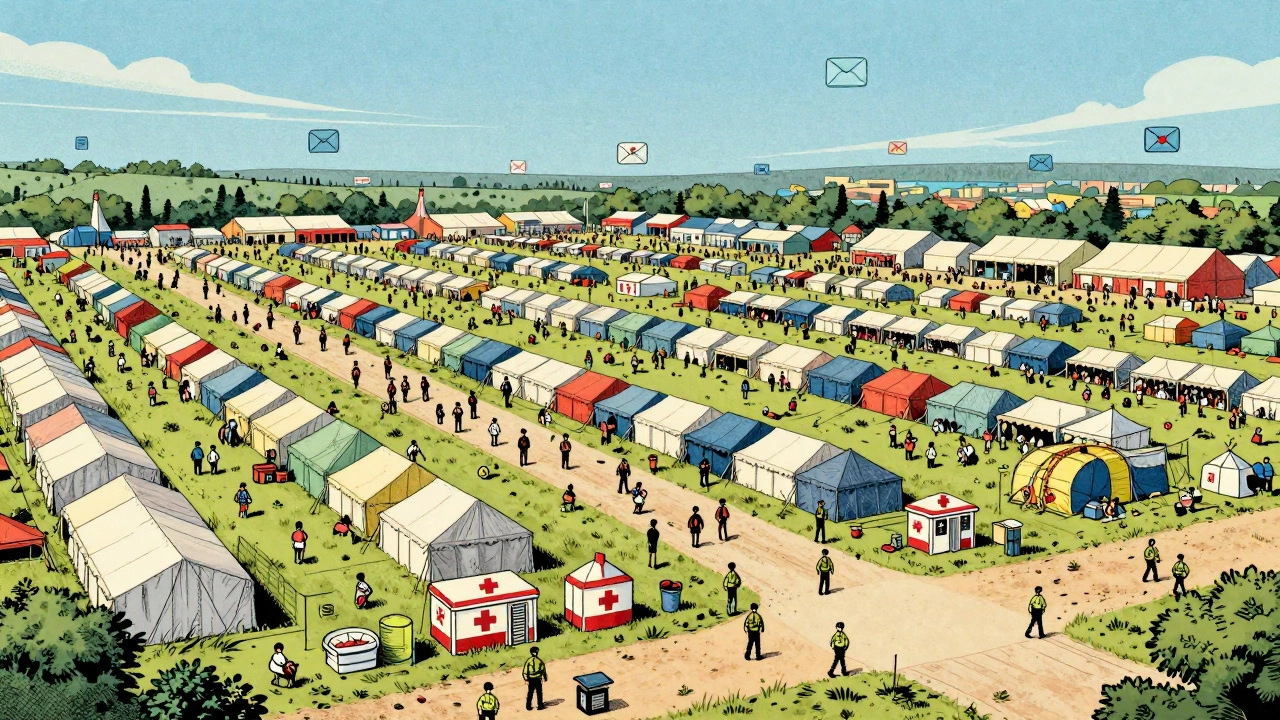
Modern mega-events are logistical nightmares. Getting 100,000 people to a remote field, feeding them, keeping them safe, and sending them home requires military-grade planning. The 1990s forced organizers to develop these skills. Early festivals often struggled with basic issues: lack of toilets, poor medical care, and traffic jams. Over time, these problems became unacceptable.
Organizers started working closely with local authorities. They developed standardized protocols for safety, security, and waste management. These protocols are now global standards. For instance, the concept of "crowd flow" management-designing pathways to prevent bottlenecks-was refined during this era. Similarly, the focus on environmental sustainability began here. Festivals like Glastonbury pioneered recycling programs and renewable energy use, setting benchmarks for the industry.
Today, this infrastructure thinking extends beyond the festival grounds. Cities use mega-events to test new technologies. Self-driving shuttles, drone surveillance, and smart ticketing systems are often trialed at festivals before being rolled out publicly. The 1990s laid the groundwork for this by proving that festivals could be laboratories for urban innovation. They showed that temporary events could drive permanent improvements in public services.
Cultural Identity and Global Reach
In the 1990s, festivals helped define national and subcultural identities. In the UK, festivals became a rite of passage for young people. In the US, they served as platforms for diverse musical genres, from hip-hop to grunge. This cultural significance attracted international attention. Tourists didn’t just come for the music; they came for the vibe.
This global appeal led to the export of the festival model. Countries like Australia, Brazil, and Japan adopted the multi-day, camping festival format. They adapted it to their local contexts, creating unique variations. For example, Ultra Music Festival in Miami became a global hub for EDM, while Fuji Rock in Japan combined nature conservation with high-tech production.
The 1990s also saw the rise of the "festival circuit." Artists would tour multiple festivals in a single summer, reaching audiences across continents. This increased the visibility of lesser-known acts and created a global music economy. Today, a band can launch their career at a small festival in one country and headline a mega-event in another within a year. This interconnectedness is a direct result of the networks built in the 90s.
Safety and Security Evolution
No discussion of mega-events is complete without addressing safety. The 1990s were marked by several tragic incidents that shook the industry. Crowd crushes, drug-related emergencies, and inadequate medical response highlighted the risks of large gatherings. These tragedies forced a reckoning.
Regulators stepped in. Governments introduced stricter licensing requirements and safety standards. Organizers had to hire professional security firms, install CCTV cameras, and employ more medics. The focus shifted from profit to protection. This change saved lives but also added complexity and cost.
Today, safety is paramount. Every aspect of a mega-event is scrutinized. From structural integrity of stages to mental health support for attendees, the industry has learned hard lessons. The 1990s taught us that growth must be managed responsibly. Without these regulations, the modern festival scene might not exist. Trust is the currency of the industry, and it was earned through painful experience.
The Digital Transition
The 1990s ended with the dawn of the internet age. This technological shift transformed how festivals were marketed and experienced. Websites replaced flyers. Email newsletters reached thousands instantly. Online ticketing reduced fraud and scalping.
As the 2000s arrived, social media amplified the reach of festivals. Photos and videos shared online created FOMO (fear of missing out), driving ticket sales. This digital layer added a new dimension to the live experience. Attendees weren’t just participants; they were broadcasters.
Today, technology is embedded in every facet of mega-events. Cashless payments speed up transactions. Apps provide real-time updates on schedules and weather. Data analytics help organizers optimize crowd movement. The seeds of this digital transformation were planted in the late 90s, as the industry embraced new tools to manage growing complexity.
Conclusion: The Enduring Blueprint
The 1990s festival model was a turning point. It moved festivals from the fringe to the center of cultural and economic life. It established the practices that govern modern mega-events: professional management, corporate sponsorship, infrastructure integration, and global outreach. While today’s festivals are bigger, louder, and more technologically advanced, they still follow the same basic blueprint.
Understanding this history helps us appreciate what we’re participating in. When you attend a mega-event, you’re not just enjoying music; you’re engaging with a complex system designed decades ago. The mud may be gone, but the spirit of community remains. And perhaps, in a world increasingly driven by screens, that connection is more valuable than ever.
What defined the 1990s festival model?
The 1990s festival model was defined by the shift from grassroots, counter-cultural gatherings to professionally managed, multi-day events with significant corporate sponsorship. It emphasized scale, infrastructure, and the creation of self-contained worlds, laying the groundwork for modern mega-events.
How did 1990s festivals impact urban planning?
Festivals in the 1990s began leveraging events to secure long-term infrastructure investments from local governments. Roads, public transport, and waste management systems were upgraded in exchange for hosting rights, accelerating urban transformation and branding cities as cultural hubs.
Why is corporate sponsorship important in modern mega-events?
Corporate sponsorship provides essential revenue to cover rising costs of production, security, and logistics. It allows for better facilities and lower ticket prices but also leads to commercialization. The 1990s established this financial dependency, making brands integral to the festival experience.
What role did safety regulations play in the evolution of festivals?
Tragic incidents in the 1990s led to stricter safety regulations, including professional security, medical staffing, and crowd management protocols. These measures ensured the survival of the industry by building trust and protecting attendees, shaping the responsible management practices seen today.
How has technology changed the festival experience since the 1990s?
Technology has transformed festivals from analog experiences to digital ecosystems. Online ticketing, cashless payments, mobile apps, and social media have enhanced convenience, marketing, and engagement. Data analytics now help organizers optimize operations, a stark contrast to the manual processes of the 1990s.


