
By 1985, if you turned on the radio in New York, London, or Tokyo, you weren’t just hearing pop or rock-you were hearing world music. It wasn’t just Bob Marley playing in the background anymore. It was South African choral harmonies, West African highlife rhythms, and Caribbean steel drums crashing into MTV playlists and Top 40 charts. This wasn’t a fluke. It was a full-blown boom, fueled by record labels, slick marketing, and the quiet power of the Grammy Awards.
How Labels Took a Gamble on the Unknown
Before the 1980s, most major labels didn’t see world music as a market. It was niche, foreign, and-worst of all-hard to sell. But a few executives saw something else: authenticity. And in a decade obsessed with image, authenticity became a currency. Warner Bros. Records took a chance on Paul Simon’s Graceland in 1986. Simon didn’t just record with South African musicians-he flew to Johannesburg, worked with local bands like Ladysmith Black Mambazo, and let their sound lead the album. Critics called it risky. Labels called it crazy. But Warner Bros. didn’t just release it-they built around it. They funded a full promotional tour, hired African dancers for TV appearances, and even translated lyrics into multiple languages for radio spots. The result? Graceland sold over 16 million copies worldwide. It wasn’t just a hit. It was a blueprint. Meanwhile, Island Records had already been quietly laying groundwork. They signed UB40 in 1980, not because they thought reggae would blow up in the U.S., but because they believed in the band’s political edge and clean, radio-ready sound. UB40’s cover of “Red Red Wine” hit No. 1 in the U.S. in 1988, but their real breakthrough came earlier, with 1983’s Labour of Love. Island didn’t market them as “reggae.” They marketed them as “relaxing, soulful, and timeless.” The label dropped the genre label entirely. It worked. Even smaller labels like Earthworks and Nonesuch started hunting for recordings from remote regions-Ethiopian jazz, Balinese gamelan, Andean panpipes. They didn’t have big budgets, but they had curiosity. And in the 1980s, curiosity was a marketing tool.Marketing That Didn’t Feel Like Marketing
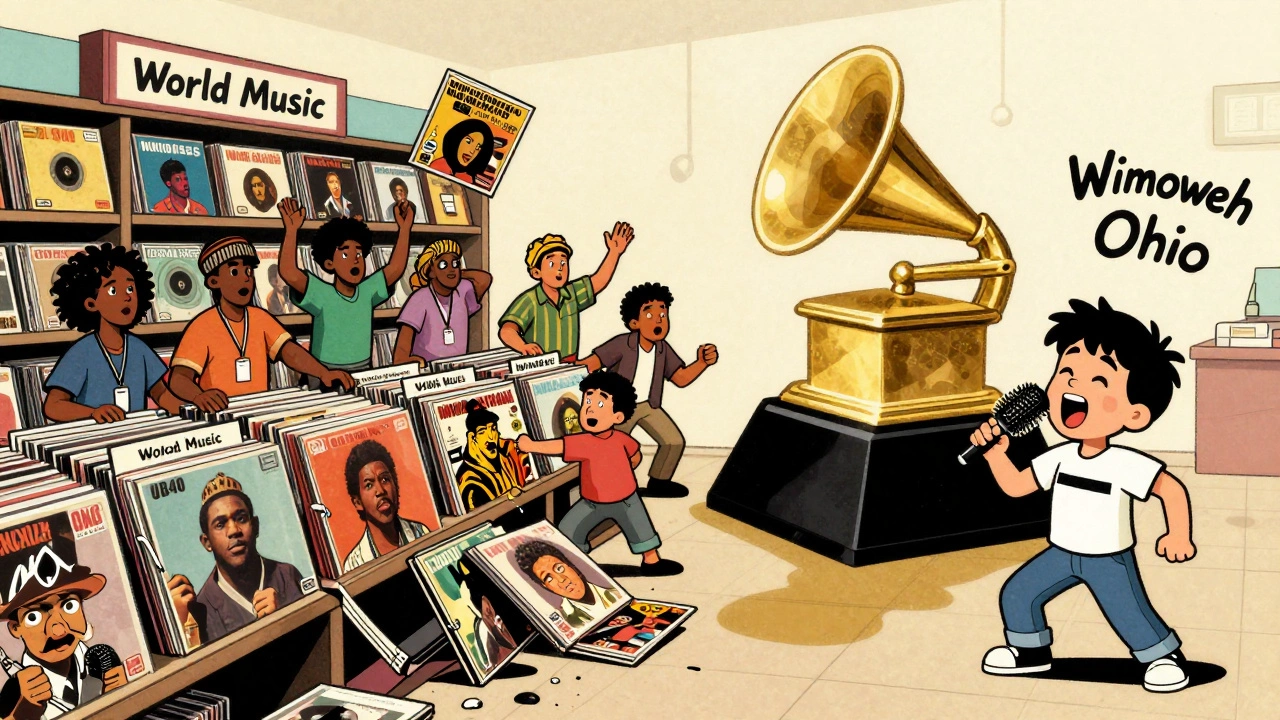
The biggest trick? Selling global sounds without making them feel “foreign.” MTV played a huge role. When they aired the video for “Wimoweh” by The Tokens (a 1960s song) in 1984, they didn’t explain its origins. They just showed a colorful, rhythmic dance. Viewers didn’t know it was Zulu. They just thought it was cool. That’s how world music sneaked in. Labels started using “global” as a vibe, not a category. Ads for Paul Simon’s Graceland didn’t say “African Music.” They said, “The album that changed pop music.” Ads for UB40 didn’t mention Jamaica-they showed a white guy in a hoodie singing about love and hardship, with a bassline that made you move. The audience didn’t need to know it was reggae. They just needed to feel it. One brilliant campaign came from EMI for the album The Lion Sleeps Tonight by the South African group The Tokens. They didn’t push the album as “African.” Instead, they paired it with a TV spot showing a teenager in Ohio singing the song at a school talent show, then cutting to the original 1939 version from South Africa. The message? This sound isn’t foreign. It’s yours.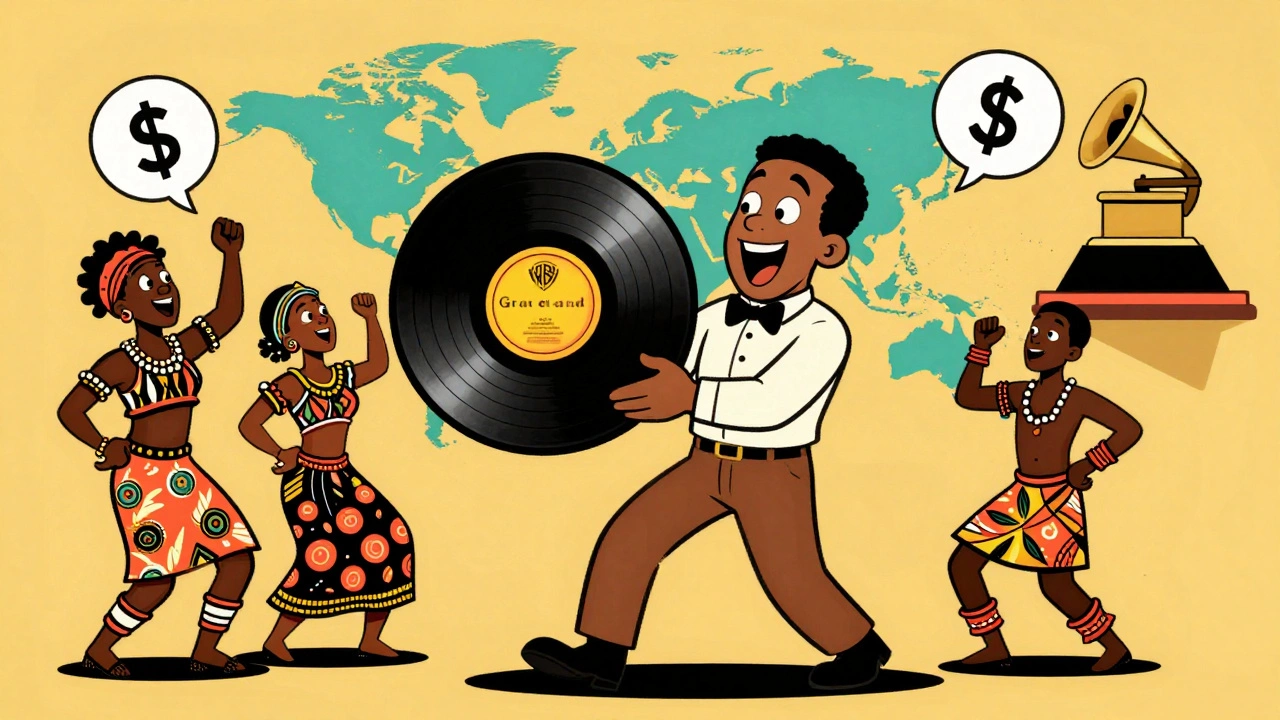
The Grammy Effect: Quiet Power, Big Impact
Here’s the truth: the Grammys didn’t make world music popular. But they made it respectable. In 1987, Paul Simon won the Grammy for Album of the Year for Graceland. It was the first time a world music album had ever taken the top prize. The win didn’t sell more copies overnight. But it changed everything. Suddenly, radio stations that had ignored African rhythms started playing “Diamonds on the Soles of Her Shoes.” Record stores that never carried world music put Graceland in the pop section. Critics who dismissed it as “exotic” now called it “a masterpiece.” The Grammy for Best World Music Album didn’t even exist until 1991. But in the 1980s, world music artists won in other categories. Ladysmith Black Mambazo was nominated for Best Pop Collaboration in 1988. The Talking Heads won Best Rock Performance in 1984 for Speaking in Tongues, which featured Nigerian and Congolese rhythms. These weren’t just wins-they were signals. They told the industry: this music belongs here. And it wasn’t just about awards. The Grammys gave artists legitimacy. Suddenly, a Zimbabwean mbira player could get a college tour. A Guatemalan folk ensemble could book a national tour. The Grammys didn’t create demand-they removed the stigma.Reggae Didn’t Just Survive-It Exploded
Bob Marley died in 1981, but reggae didn’t fade. It multiplied. UB40, a white British band from Birmingham, became the face of reggae in the U.S. They didn’t try to sound Jamaican. They made it their own-slower, smoother, with clean production. Their 1983 album Labour of Love was full of covers of 1960s Jamaican songs. It was nostalgic. It was safe. And it sold 10 million copies. But they weren’t alone. The Jamaican label Greensleeves Records quietly started shipping tapes to U.S. distributors. They didn’t advertise. They just sent them to college radio stations. By 1985, songs like “Stir It Up” and “One Love” were being played on campuses from Berkeley to Boston. Peter Tosh’s 1984 album Wanted Dead or Alive didn’t chart high, but it became a cult favorite. Why? Because it was raw. It didn’t try to fit into pop. It stood firm. And that honesty found an audience. Reggae didn’t win Grammys in the 80s. But it won something bigger: relevance.