
The Quick Breakdown
- Suge Knight founded Death Row Records in 1992, catapulting gangsta rap into mainstream success.
- His business model relied heavily on Mob Piru Bloods gang affiliations and intimidation tactics.
- Key incidents included Vanity Ice coercion and violent legal run-ins throughout the decade.
- Nearly 30 years later, authorities linked Duane Keith Davis to Tupac's murder in 2023.
- In 2024, Knight hinted at secrets involving Puffy and industry manipulations.
From Gridiron Enforcer to Music Mogul
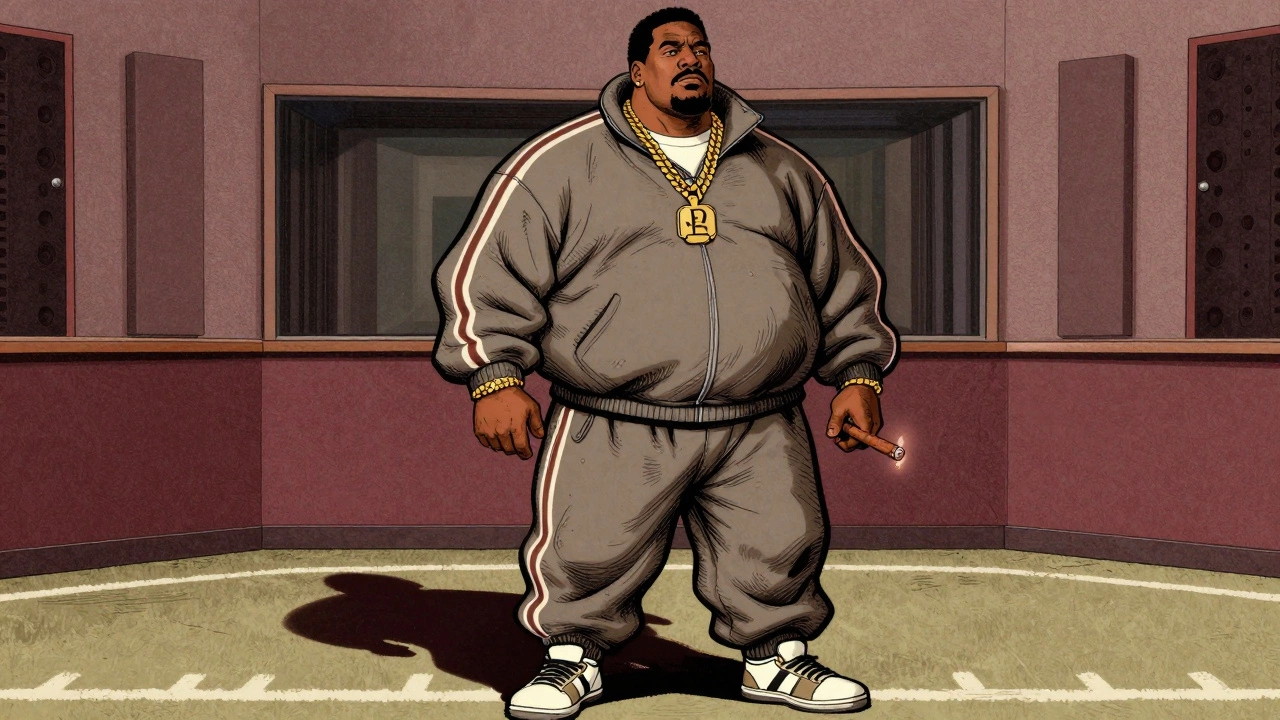
Before he was the face of one of the most powerful record labels in history, Marion 'Suge' Knight was a football player. Born in Compton, California, Knight didn't just step into the music industry out of thin air. He actually had a career in the NFL, working as a replacement player during the strike of 1987. You probably know this detail better as the 'replacement players' game against the Chicago Bears where he played defense.
Suge Knight transitioned from the gridiron to bodyguard work for R&B singer Bobby Brown. This shift wasn't random. It placed him right in the center of celebrity culture, where image matters as much as product. By 1992, he co-founded Death Row Records alongside Dr. Dre. While Dre brought the musical genius, Knight brought the muscle and the management aggression. Together, they created a machine that defined the sound of the mid-90s.
The timing couldn't have been better. The West Coast was hungry for authentic street narratives, and Death Row delivered exactly that. Knight wasn't just a businessman; he was a branding strategist who knew how to blur the line between real-life danger and entertainment fiction. He understood that selling the lifestyle was just as profitable as selling the records. His public persona-an imposing figure chomping cigars-fed directly into the mystique of the label.
The Business of Violence and Gang Affiliations
What many casual fans didn't realize then was how deeply entrenched Knight was in gang culture long before he started booking flights for Tupac. Knight maintained a connection with the Mob Piru Bloods dating back to the 1980s. This wasn't just a childhood tie-in; he actively structured his business around it.
| Strategy Element | Gang Affiliation | Purpose in Business |
|---|---|---|
| Core Security Team | Mob Piru Bloods | Label protection and enforcement |
| Management Staff | Fruit Town Piru | Administrative and logistics control |
| Additional Support | Lueders Park Piru | Street-level intelligence gathering |
This recruitment strategy backfired eventually. By the early 2000s, internal rivalries developed between the Mob Piru and the Fruit Town Piru. These weren't just petty squabbles; they resulted in the deaths of several people from Knight's inner circle. This highlights a critical flaw in mixing corporate structure with gang loyalty. When the business goals shifted, the loyalties often remained fixed to the set, leading to fatal conflicts within the company walls.
One specific example that illustrates Knight's intimidation tactics involves Vanilla Ice. In a 1996 interview with ABC News, Vanilla Ice recounted an incident where Knight pulled up to his hotel room. The goal? To coerce Ice into signing over rights to his breakout hit, "Ice Ice Baby," to Mario LaVell Johnson. Ice claimed Johnson had nothing to do with the song, but Knight forced his hand regardless. This wasn't a negotiation; it was a transfer of intellectual property under duress. Knight used these methods to maintain control over valuable assets, proving that his power extended far beyond the recording studio.
Departures and the Unraveling of Death Row
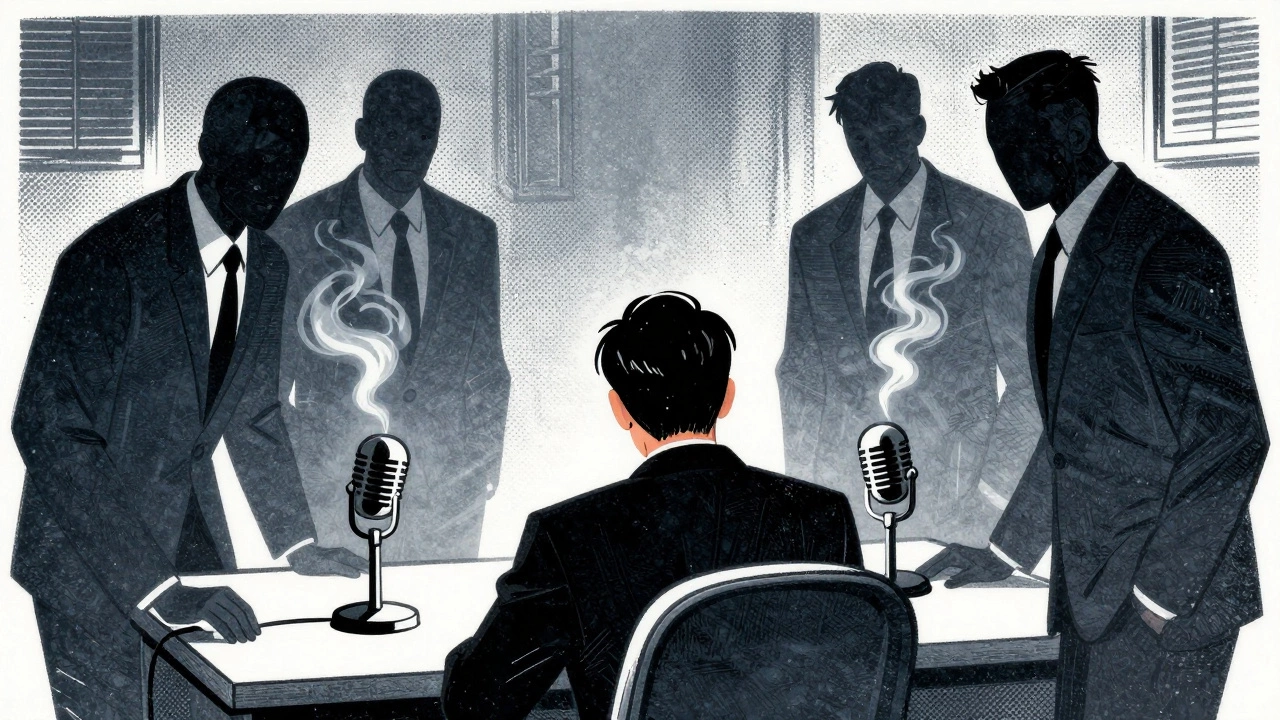
The decline of Death Row Records is inseparable from the departure of its star artists. Dr. Dre left the label shortly before Tupac Shakur's death in September 1996. His exit paved the way for Snoop Dogg to leave two years later in 1998. Without Dre and Snoop, the commercial engine of Death Row stalled completely. Knight's grip on the talent tightened, but the fear he generated began to outweigh the artistic freedom.
Tupac Shakur's death on September 13, 1996, changed everything. He was shot four times in a drive-by shooting in Las Vegas, Nevada, just six days earlier. For nearly three decades, the case remained unsolved. However, recent developments in 2023 provided clarity that shook the industry. Authorities accused Duane Keith Davis of being the mastermind behind the plot. According to reports, the shooting was carried out by a Compton gang called the Southside Crips to avenge the beating of one of its members by Shakur hours before.
The identity of the shooter was identified as Orlando Anderson, a Crip whom Shakur had attacked. Interestingly, Las Vegas police had questioned Anderson briefly but discounted him as a suspect initially. It took twenty-seven years for law enforcement to piece together the evidence. This delay shows how complex these investigations become when organized crime meets pop culture.
The East Coast Conspiracy: Biggie and the Aftermath
When The Notorious B.I.G. (Christopher Wallace) was murdered in Los Angeles on March 9, 1997, the speculation machine went into overdrive. Given his rivalry with Tupac and his death coming less than six months later, theories abounded. Speculation arose that Suge Knight was involved in the plot to kill Biggie. Some believed it was a revenge killing intended to silence potential witnesses from the East Coast.
Though Knight has never been formally charged for either murder, the rumors persist in popular culture. Former Death Row artists, including Snoop Dogg, later accused Knight of orchestrating Tupac's murder to stop him from leaving the label. Ex-detective Russell Poole conjectured that Knight killed Tupac, then conspired to kill Biggie to divert attention from himself in the Tupac case. These theories paint a picture of calculated elimination rather than spontaneous violence.
Knight spent several years incarcerated for assault convictions and associated violations of probation and parole. Beyond the primary assault charges, he faced arrests for assault with a deadly weapon and making criminal threats. His legal troubles were not isolated incidents; they demonstrated a persistent pattern of violent behavior directly connected to his gang affiliations. The courts treated him as a dangerous man, not just a troubled businessman.

New Revelations in 2024: Secrets of the Industry
Jump ahead to April 19, 2024. In an appearance on the PBD Podcast, Suge Knight opened up about various music industry figures and unsolved murders. This wasn't just idle chatter; it was a direct commentary on the state of hip-hop history. Knight alleged exploitation and manipulation in the music industry, characterizing potential secret society influences determining which artists succeed.
Throughout the interview, Knight implied ties between the music industry and government/FBI entities exerting control. He cited examples like Michael Jackson's situation to bolster his argument about external forces controlling careers. More controversially, while avoiding direct accusations, Knight hinted at knowledge regarding Sean "Puffy" Combs' potential involvement in the murders of both Tupac and Biggie.
These hints were based on claims by ex-LAPD detective Greg Kading. Kading's investigations had implicated both Knight and Puffy in the murders. Knight suggested Puffy may have held incriminating leverage over industry figures, though he stopped short of directly accusing him of orchestrating Biggie's murder. He alluded to secrets Puffy might have had, suggesting a scenario where everyone was living in a "glass house." Whether these comments were truth-telling or deflection remains debated, but they reinvigorated the conversation around these cold cases.
Knight stressed what he characterized as the legitimate origins of his business career stemming from football and community involvement. He contrasted this ethical foundation against the illegal activities attributed to him. This dichotomy-entrepreneur versus criminal-is central to understanding his legacy. He wanted to be remembered as a builder, even as the foundations of his empire were stained with controversy.
Lasting Impact on Hip-Hop Culture
By the time Death Row Records fully dissolved its commercial dominance, it had already altered the trajectory of music forever. It pushed gangsta rap into mainstream consciousness in a way no other label had done before or since. The production quality of albums like "The Chronic" and "All Eyez On Me" set a bar that still stands. But the cost of this innovation was immense.
Knight's legacy represents a complex intersection of significant musical achievement alongside documented violence. He helped foster South L.A.'s gangsta sound while simultaneously alienating himself from most reputable companies through his methods. His story became thick with crime-life drama, described by industry observers as a mix of ambition and destruction. Even in 2026, looking back from three decades away, his influence lingers. Every time a new artist emerges from the streets with a heavy backstory, you can trace some of the blueprint back to the era when Knight decided to run the show.
Was Suge Knight ever convicted for the murders of Tupac or Biggie?
No, Suge Knight has never been charged or convicted for the murders of Tupac Shakur or The Notorious B.I.G. He faces numerous assault convictions and prison time for other crimes, but prosecutors never pinned the homicides on him legally.
Who was found responsible for Tupac's shooting in 2023?
Authorities accused Duane Keith Davis of being the mastermind behind the plot to kill Tupac. The actual shooter was identified as Orlando Anderson of the Southside Crips.
How did Suge Knight start his career before music?
He worked as an NFL replacement player during the 1987 strike and served as a bodyguard for singer Bobby Brown before co-founding Death Row Records.
Did Vanilla Ice confirm he was intimidated by Suge Knight?
Yes, in a 1996 interview, Vanilla Ice stated that Knight visited his hotel room to coerce him into transferring rights for "Ice Ice Baby" to an associate.
What happened to Death Row Records after Dr. Dre left?
Following Dr. Dre's exit and Tupac's death, followed by Snoop Dogg leaving in 1998, the label rapidly declined commercially due to the loss of its top talent.


