
Imagine a world where the idea of five women working together without fighting or needing a male manager's permission was considered "absurd" by music executives. That was the reality in the early 90s. Then came a group that didn't just sell records-they sold a lifestyle of independence and female solidarity. While we often remember the platform boots and the glitter, the Spice Girls is a British girl group that transformed the concept of female empowerment into a global commercial juggernaut. They didn't just enter the pop charts; they rebranded femininity for an entire generation.
The Unexpected Roots of Girl Power
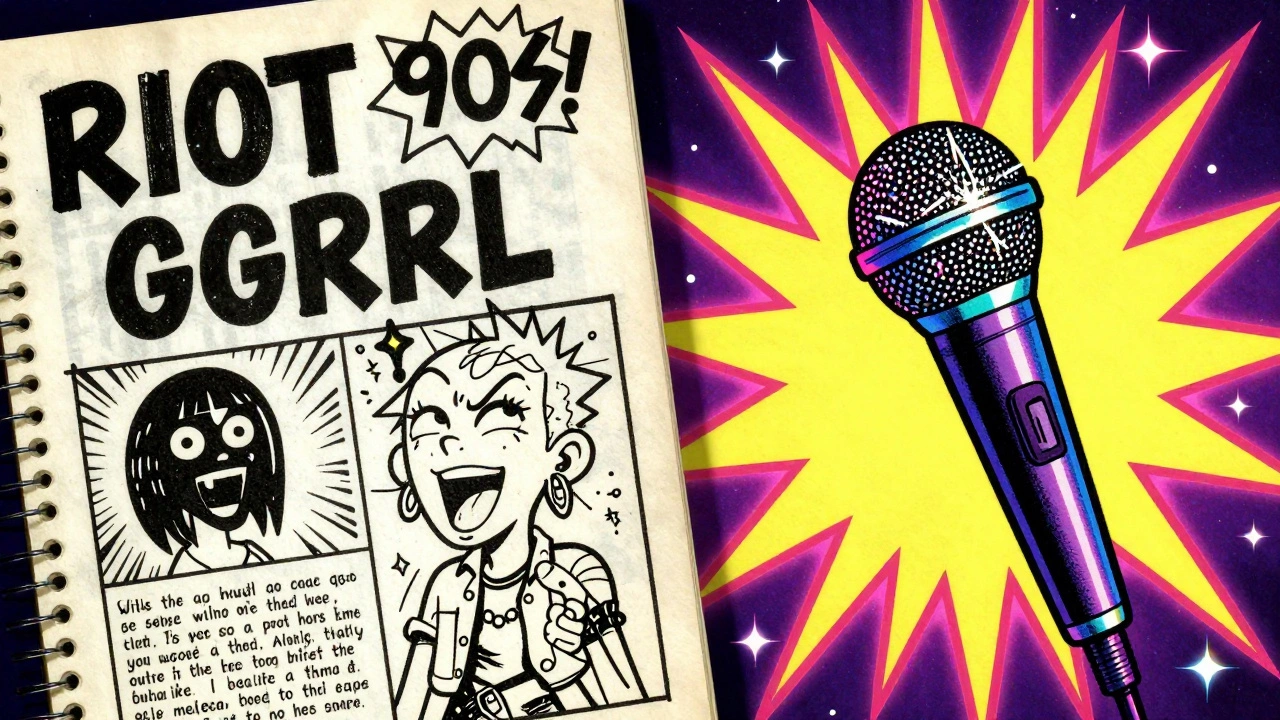
Before the Spice Girls became household names, "Girl Power" wasn't a pop slogan. It actually started in the gritty, underground world of Riot Grrrl. This subculture, led by bands like Bikini Kill, used zines and punk rock to fight patriarchy and sexual violence. In 1991, Bikini Kill published a zine specifically titled "Girl Power," aiming to give voice to women in a male-dominated music scene. Fast forward to the mid-90s, and the Spice Girls took these raw, radical ideas and polished them for the masses. Was it a dilution of the original punk message? Maybe. But it also did something the underground scene couldn't: it made feminist ideas accessible to millions of "tweenie-boppers" who would never have picked up a gender theory textbook but could definitely dance to a catchy beat. They turned a political statement into a cultural vibe.
Breaking the Pop Mold: More Than Just a Group
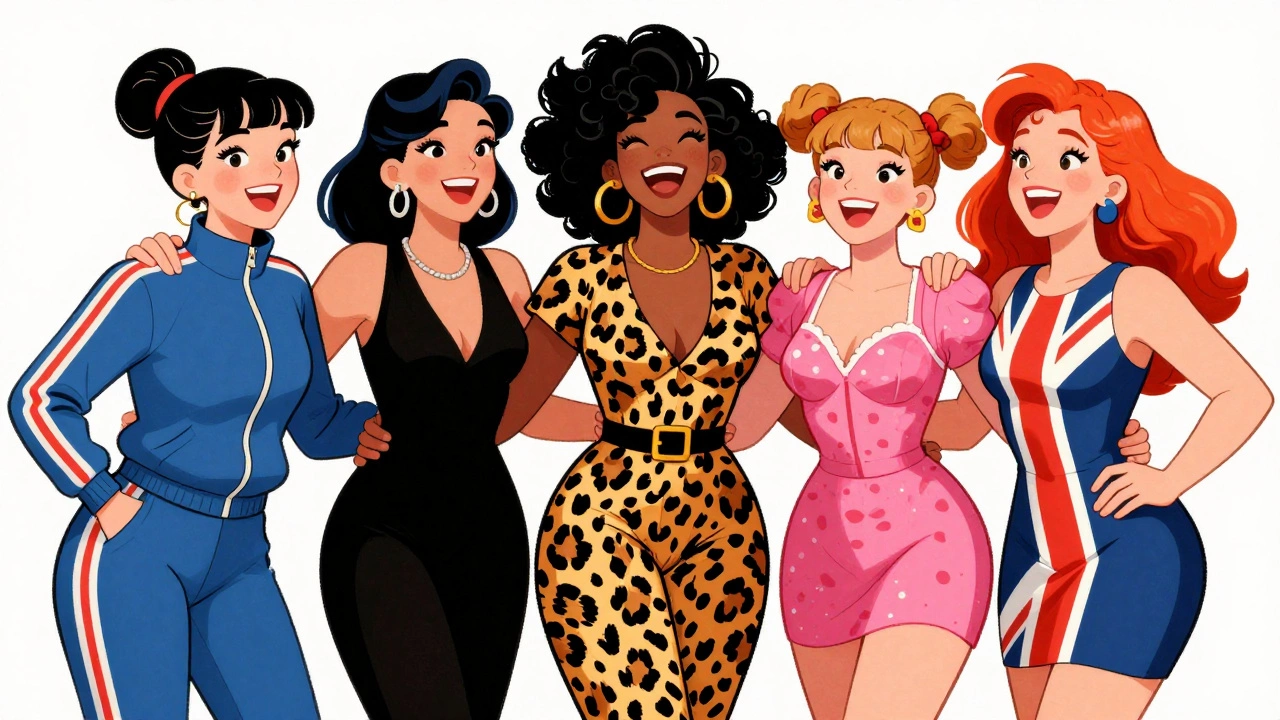
Most pop acts of the time followed a strict formula: one lead singer and a few backing vocalists who mostly just looked good. The Spice Girls tore that script up. They operated as an ensemble, where every member had a distinct, vivid identity. We had the athletic energy of Sporty Spice, the sophistication of Posh, the wildness of Scary, the innocence of Baby, and the fiery leadership of Ginger.
By embodying these different archetypes, they sent a subtle but powerful message: you don't have to be just one thing to be a woman. You could be girly and strong, or posh and rebellious. This variety allowed every girl in the audience to find a piece of themselves in the group. It wasn't just about music; it was about representation. They weren't presenting themselves as untouchable divas, but as a group of best friends you'd actually want to hang out with.
| Persona | Core Attribute | Symbolic Value |
|---|---|---|
| Sporty Spice | Athleticism | Strength and Capability |
| Posh Spice | Sophistication | Independence and Class |
| Scary Spice | Boldness | Confidence and Volume |
| Baby Spice | Youthfulness | Innocence and Playfulness |
| Ginger Spice | Fiery Spirit | Leadership and Passion |
Pop Feminism and Third-Wave Theory
To understand why the Spice Girls resonated so deeply, you have to look at Third-wave feminism. Unlike previous waves that focused heavily on legal rights and systemic change, the third wave emphasized individuality, the reclamation of femininity, and personal agency. It was about the "power of the individual" to define their own womanhood. The Spice Girls' lyrics were essentially Third-wave feminism set to a dance beat. Take the hit "Wannabe." The line "If you wannabe my lover, you gotta get with my friends" isn't just a catchy hook; it's a statement on female priority. It tells the listener that female friendship comes before romantic interest. Similarly, when Scary Spice told the press in 1997 that "We don't need men to control our life," she was echoing the core tenets of autonomy and independence that defined the era's feminist thought.
The Business of Empowerment
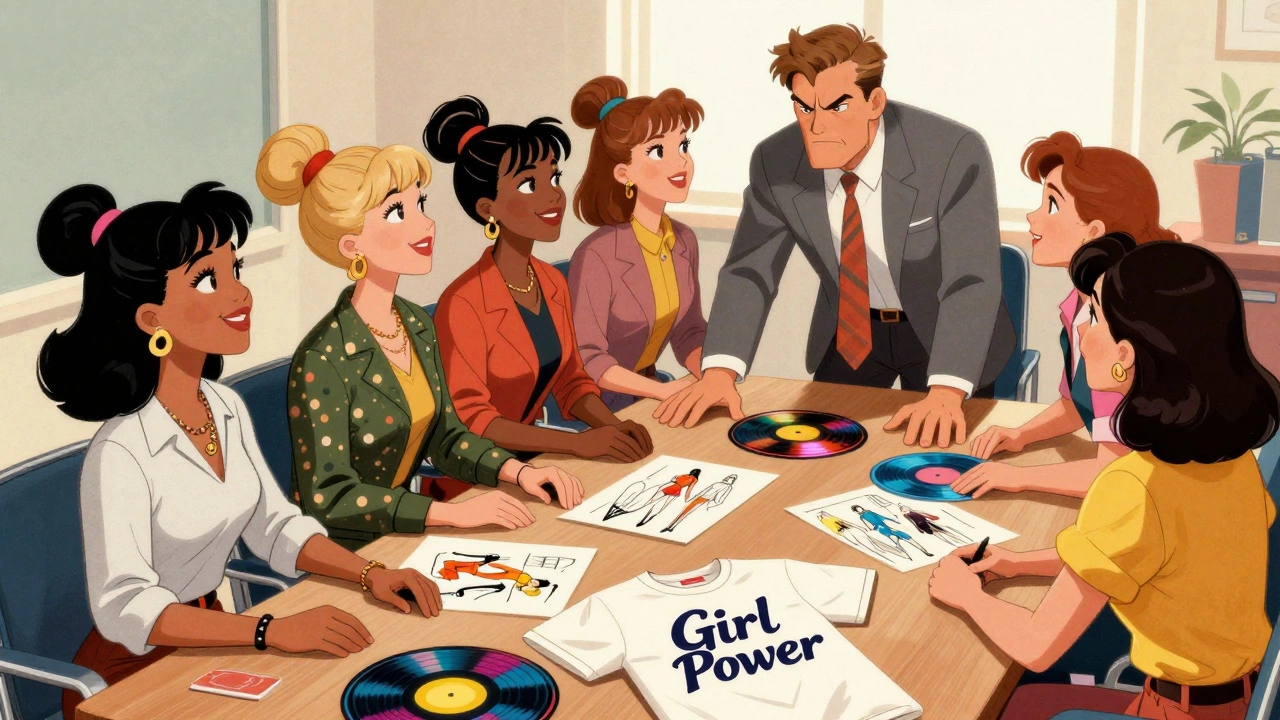
While the message was empowering, the execution was a masterclass in marketing. The group didn't just sing about girl power; they wore it on t-shirts, printed it on dolls, and baked it into their movie. This consistency created a cohesive brand identity that felt authentic because the members actually lived it. A turning point occurred in 1995 when they fired their manager because he tried to push them into a "childlike" image. By taking control of their business affairs, they proved that they weren't just puppets of a record label.
This business model shifted the power dynamic in the music industry. They proved that a message of female solidarity-something executives thought was "absurd"-could actually generate massive revenue. With over 100 million records sold, they showed that empowerment was a viable, highly profitable product. This paved the way for other groups like All Saints and countless others who followed the blueprint of the "empowered girl group."
Long-term Impact and Modern Echoes
Does "Girl Power" still matter in 2026? Absolutely. If you look at today's feminist apparel or the way modern pop stars navigate their careers, the fingerprints of the Spice Girls are everywhere. They taught a generation of girls that it was okay to be loud, to demand what they wanted, and to prioritize their friends over the approval of men. Their legacy isn't just about the music-it's about the psychological permission they gave millions of young women to occupy space and speak their minds. By turning feminism into something "flashy and fun," they lowered the barrier to entry for an entire demographic, sparking a curiosity about equality that many of those fans carried into adulthood.
Did the Spice Girls invent the term "Girl Power"?
No, they didn't invent it. The term was popularized by the Riot Grrrl movement in the early 1990s, specifically by the band Bikini Kill in their 1991 zine. The Spice Girls took the concept and brought it into the global mainstream pop culture.
How did the Spice Girls differ from other girl groups of the 90s?
Unlike many groups that had one clear lead singer, the Spice Girls functioned as an ensemble. Each member had a specific persona (Sporty, Posh, Baby, Scary, Ginger), which allowed them to represent a wide spectrum of female identities rather than a single idealized image.
What is the connection between the Spice Girls and feminism?
Their brand was closely aligned with Third-wave feminism, which emphasized individuality, sexual liberation, and the reclamation of femininity. They made these complex sociological ideas accessible to children and teenagers through music and fashion.
Why was their business model considered unconventional at the time?
Media executives at the time doubted that a group based on female solidarity and independence would be successful, as the industry typically preferred a more male-driven or controlled image for female acts. The Spice Girls defied this by firing their manager and insisting on their own vision.
What was the commercial scale of their success?
They sold over 100 million records and topped major album charts globally. Their success proved that "Girl Power" was not just a social movement but a powerful commercial force that could drive massive sales in music, movies, and merchandise.


