
Music has always been more than just entertainment. For centuries, it has served as a megaphone for those without one. When workers face exploitation, unsafe conditions, or wage theft, they often turn to song to organize, mourn, and resist. This tradition of working-class themes in music is not a niche hobby; it is a vital part of our cultural history. From the coal mines of Appalachia to the factory floors of Detroit, songs have helped build unions and sustain movements.
You might think of protest music as a modern phenomenon, but the roots go deep. Whether it’s a folk ballad from the 1930s or a hip-hop track from Seattle, the core message remains the same: solidarity among workers is essential for justice. These songs do more than describe hardship; they invite listeners to join together. They transform individual grievances into collective action.
The Roots of Union Anthems
To understand where we are today, we need to look back at the origins of this genre. Before radio and streaming, labor songs were passed down orally or printed on broadsheets handed out at picket lines. A key resource for understanding this era is Working-Class Heroes: A History of Struggle in Song, by Mat Callahan and Yvonne Moore. This collection highlights pre-WWII labor songs that showcase how music evolved alongside the labor movement.
The common thread in these early compositions is clear. Whether the tone was mournful or celebratory, the goal was unity. Lively arrangements weren’t just for fun; they were strategic. By using popular musical styles of the time, activists could spread union messages to workers who might otherwise ignore political pamphlets. Music lowered defenses and opened ears.
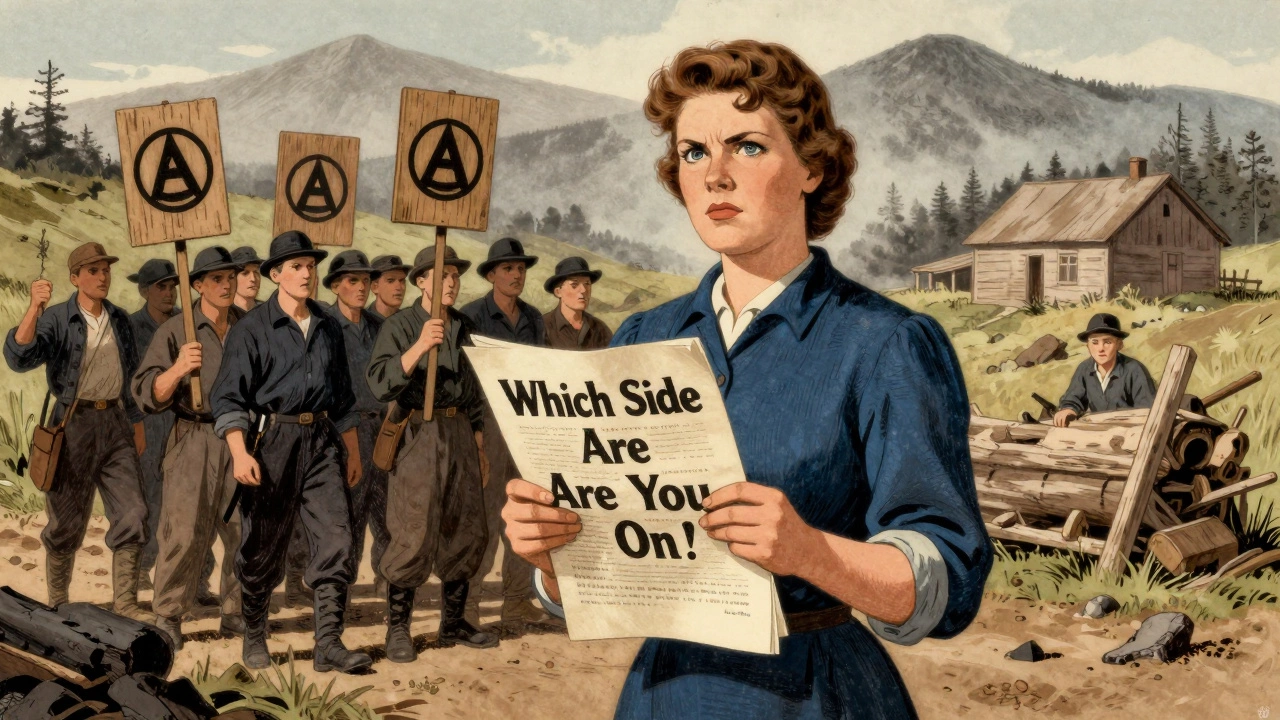
One of the most powerful examples of this grassroots origin is Florence Reece. She wasn’t a professional musician. She was a union organizer whose life was upended by violence. In 1931, anti-labor forces pillaged her family’s home in Kentucky because her husband supported unionization. In response, she wrote "Which Side Are You On?". The lyrics were direct and uncompromising: "You'll either be a union man or a thug for J.H. Blair." Despite its humble beginnings, this simple tune became a global labor anthem, covered later by legends like Pete Seeger, Billy Bragg, and Ani DiFranco.
Civil Rights and the Power of Solidarity
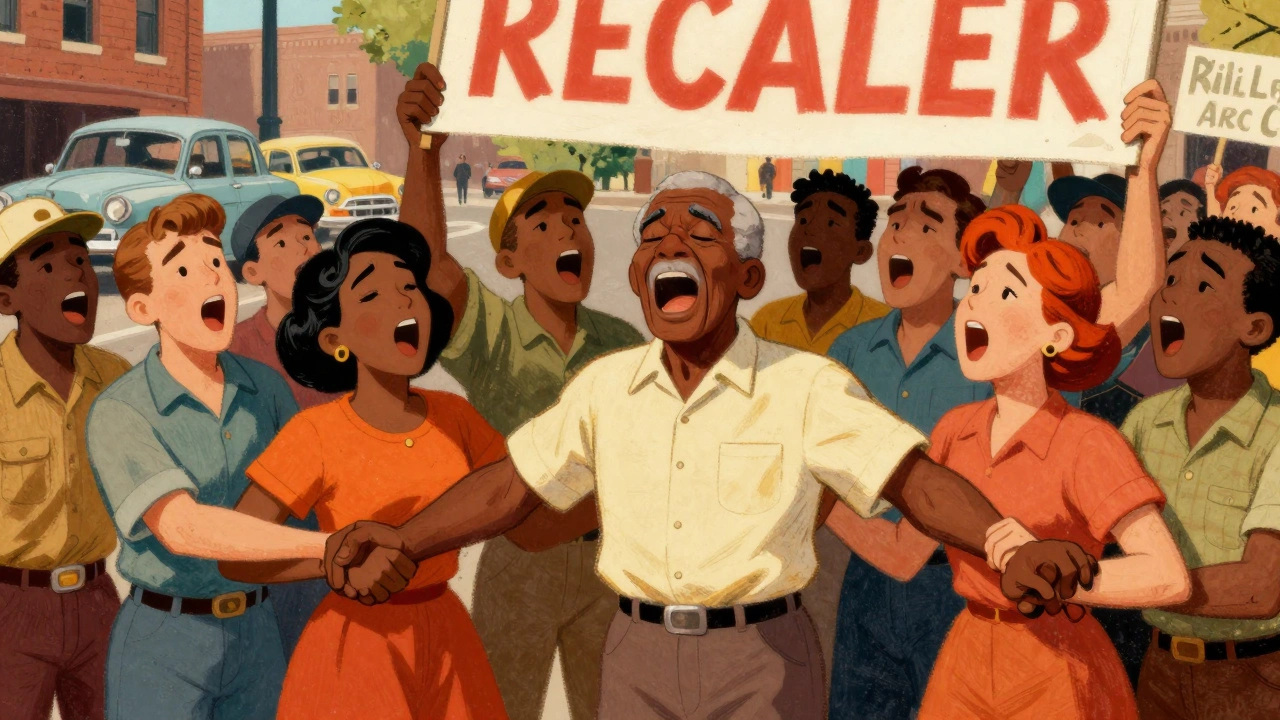
Labor rights and civil rights have always been intertwined. The struggle for economic justice often overlaps with the fight for racial equality. Nowhere is this clearer than in the history of "We Shall Overcome". While many know it as the theme song of the Civil Rights Movement, its roots are deeply tied to labor struggles.
The melody may trace back to European songs from the 1700s, and enslaved Black people played a significant role in its evolution. However, it first emerged as a documented protest song during a labor strike between 1945 and 1946. This connection shows how different marginalized groups shared tools of resistance. Today, "We Shall Overcome" still appears at protests worldwide, proving that the call for dignity resonates across generations and borders.
Other foundational tracks also bridge these gaps. Bob Dylan’s "The Times They Are A-Changin'" was explicitly written as an anthem for both the Civil Rights Movement and Vietnam War protests. Similarly, Sam Cooke’s "A Change Is Gonna Come" captured the pain and hope of a generation demanding equality. These songs didn’t just reflect the times; they helped shape them by giving voice to shared aspirations.
Modern Voices: From Punk to Hip-Hop
The tradition of working-class music didn’t stop in the mid-20th century. Contemporary artists continue to evolve the genre, adapting old messages to new sounds. One prominent figure is Billy Bragg. Critics often cite him as having some of the strongest left-wing songwriting credentials among active musicians. His 1986 track, "There Is Power in a Union", is considered by many to be the perfect modern labor theme song.
Bragg didn’t just write new lyrics; he recontextualized history. He adapted the original song by labor activist Joe Hill, setting the words to the tune of the Civil War-era "Battle Cry of Freedom." This clever reuse connects past struggles with present-day fights, reminding listeners that the battle for workers’ rights is ongoing.
The genre also extends beyond folk and rock. In Seattle, the hip-hop duo Blue Scholars (DJ Sabzi and MC Geologic) released "Proletariat Blues" in 2006. This track deliberately echoes Karl Marx’s criticism of capitalism as a system built on inequality. By bringing Marxist theory into hip-hop, Blue Scholars showed that working-class themes can thrive in urban music scenes, reaching audiences who might not listen to traditional protest folk.
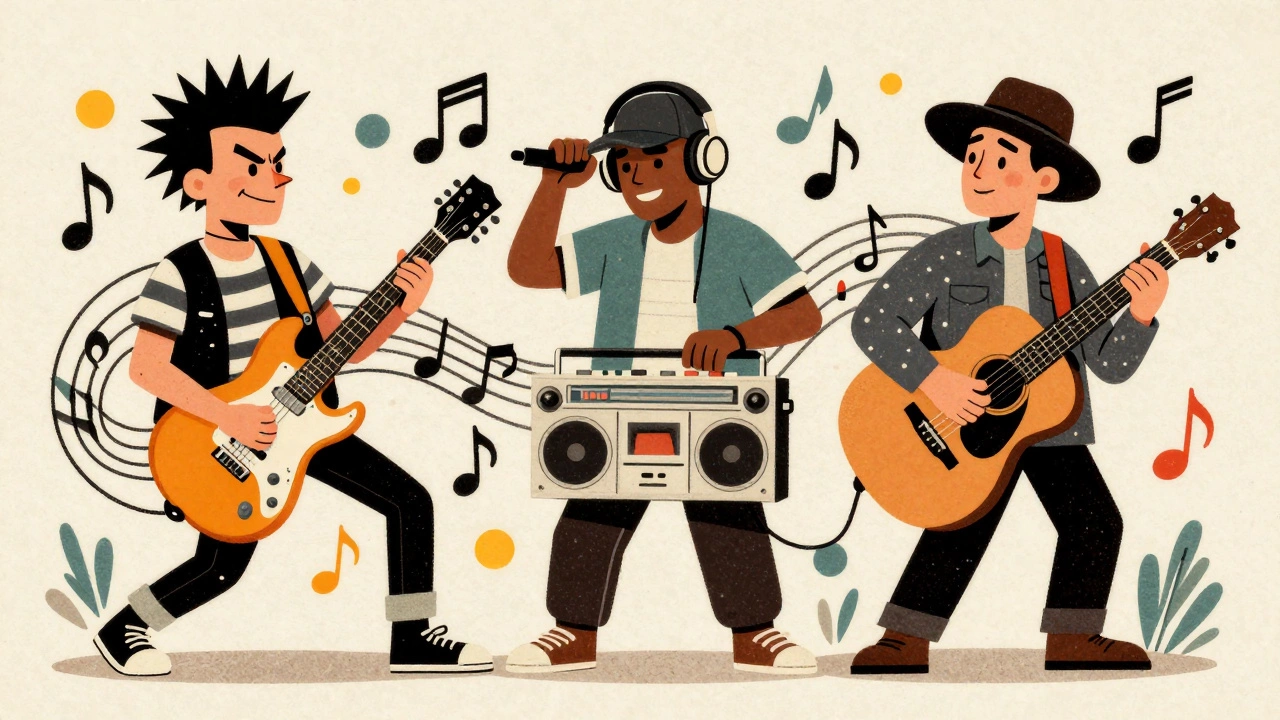
Punk rock has also embraced labor activism. Playlists like "Strike!: Punk Anthems for Labour, Unions and Workers Rights" feature bands such as the Dropkick Murphys, Street Dogs, and Evil Conduct. These high-energy tracks channel the anger and frustration of workers into a sonic force that demands change. The California Labor Lab at UCSF even maintains a dedicated playlist of work-related songs, highlighting academic interest in this vibrant tradition.
Subverting the Work Song
It’s important to distinguish between traditional work songs and working-class anthems. Historically, work songs-like sea shanties or field hollers-were designed to keep rhythm and maintain motivation while performing hard labor. They helped workers endure their jobs.
Working-class anthems, however, subvert this purpose. Instead of encouraging compliance, they motivate rebellion against the job itself. They place employment within a larger social and economic context, questioning why certain people must suffer for others’ profit. Tracy Chapman’s "Talkin' Bout a Revolution" is a prime example. Released in 1988, the song features explicit messaging: "Poor people gonna rise up / And get their share." It critiques the inadequate support systems afforded to the working class and calls for systemic change. The song’s relevance persisted, finding radio success in Tunisia during the 2011 revolution and becoming a staple at Bernie Sanders rallies in 2016.
Class Conflict in Popular Music
Not all working-class songs are overtly political anthems. Some capture the tension between classes through narrative storytelling. The Jam, led by Paul Weller, released "Eton Rifles" in 1979, which reached No. 2 on the UK charts. The song was sparked by a news story about "Right To Work" marchers passing Eton College, only to be jeered by its privileged pupils.
The track narrates a fictional conflict between public schoolboys and local working-class youth, highlighting the stark divide between wealth and poverty in Britain. Similarly, Leslie Sarony’s "Ain't It Grand To Be Bloomin' Well Dead!" was later adapted by the Clancy Brothers and Joan Baez as a protest against industrial accidents. These songs use satire and narrative to expose class inequalities, making them accessible to mainstream audiences while still delivering a sharp critique.
| Song Title | Artist/Origin | Key Theme | Historical Context |
|---|---|---|---|
| Which Side Are You On? | Florence Reece | Union vs. Anti-Labor Violence | 1931 Kentucky labor disputes |
| We Shall Overcome | Traditional/Civil Rights | Collective Resistance | 1945-46 labor strikes & Civil Rights |
| There Is Power in a Union | Billy Bragg (adapted) | Union Solidarity | 1980s revival of Joe Hill’s work |
| Talkin' Bout a Revolution | Tracy Chapman | Economic Inequality | 1988 release, used in 2011 Tunisia & 2016 US politics |
| Proletariat Blues | Blue Scholars | Capitalist Critique | 2006 hip-hop adaptation of Marxist ideas |
Why These Songs Still Matter
In an age of gig economy jobs, precarious contracts, and widening wealth gaps, working-class songs are more relevant than ever. They remind us that labor rights are not guaranteed; they must be fought for and defended. These songs provide a historical continuum, showing that today’s struggles are part of a longer narrative.
Whether you’re listening to punk anthems at a rally or hip-hop tracks in your car, these songs offer more than background noise. They offer perspective. They connect personal experiences of economic hardship to broader social movements. By keeping these traditions alive, we ensure that the voices of workers remain heard in the cultural conversation.
What is the difference between a work song and a working-class anthem?
Work songs, like sea shanties, are designed to help workers maintain rhythm and endurance during labor. Working-class anthems, however, subvert this purpose by encouraging resistance against exploitative conditions and promoting unionization or social change.
Who wrote "Which Side Are You On?" and why?
Florence Reece wrote "Which Side Are You On?" in 1931 after her family’s home was attacked by anti-labor forces in Kentucky. She composed it to challenge the community to take a stand for union rights.
How did "We Shall Overcome" become associated with labor rights?
While now famous for the Civil Rights Movement, "We Shall Overcome" first emerged as a documented protest song during a labor strike between 1945 and 1946, linking economic justice with broader social equality.
Are there contemporary hip-hop songs about labor rights?
Yes. Blue Scholars’ "Proletariat Blues" (2006) is a notable example, using hip-hop to critique capitalism and highlight inequality, demonstrating the genre’s versatility in addressing working-class issues.
Why is Billy Bragg considered important in working-class music?
Billy Bragg is known for his strong left-wing songwriting. His adaptation of "There Is Power in a Union" revives Joe Hill’s legacy, connecting historical labor struggles with modern activism through accessible folk-rock music.
How do punk bands contribute to labor activism?
Punk bands like the Dropkick Murphys and Street Dogs create high-energy anthems that channel worker frustration into calls for unionization and resistance, making labor issues appealing to younger, alternative music fans.