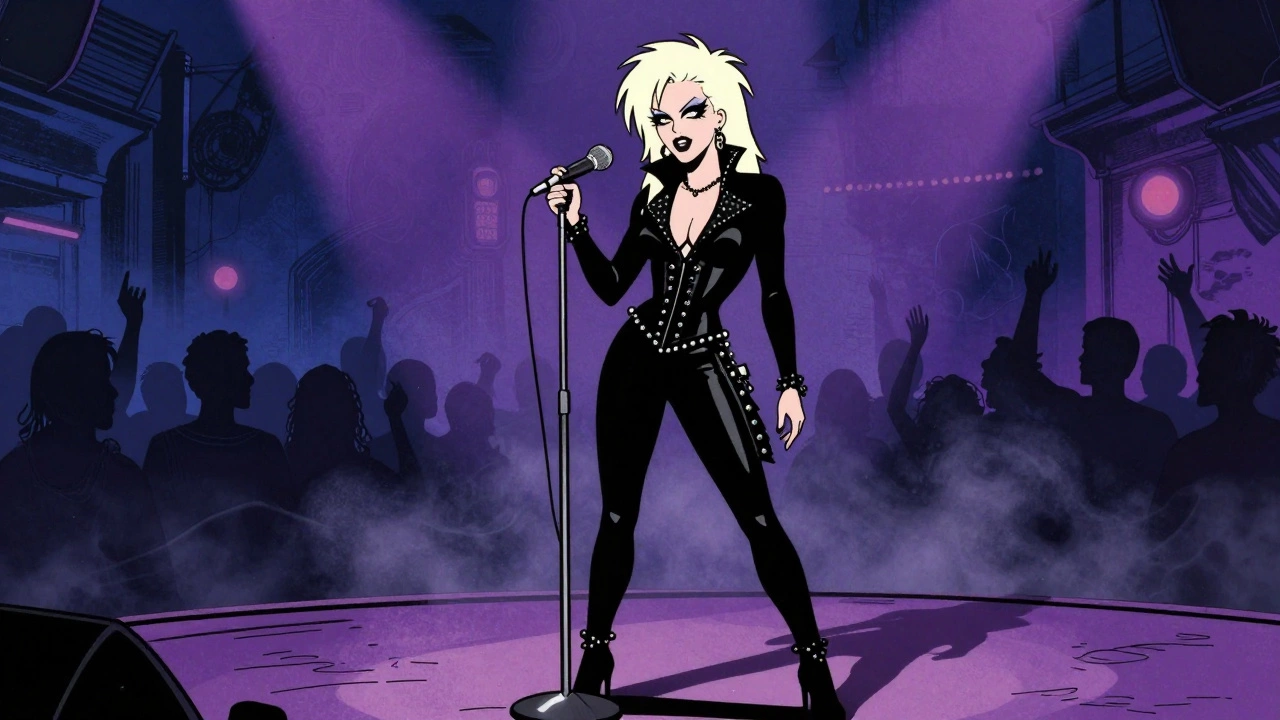

When we think of the 1980s alternative rock scene, it’s easy to picture a sea of long-haired men in flannel or leather jackets. But that narrative misses half the story. In reality, three powerhouse women-Siouxsie Sioux, Chrissie Hynde, and Stevie Nicks-didn’t just participate in the decade; they fundamentally shaped its sound, style, and attitude. These artists broke through a male-dominated industry with distinct visions that redefined what a rock star could be. They weren't sidekicks. They were the architects of an era that still influences modern music today.
The Gothic Architect: Siouxsie Sioux and the Banshees
To understand the texture of 80s alt-rock, you have to start with Siouxsie Sioux, born Susan Janet Ballion on May 27, 1957. She didn’t just sing; she curated an entire aesthetic universe. As the frontwoman of Siouxsie and the Banshees, she moved from the raw energy of late-70s punk into a more sophisticated, atmospheric post-punk sound. This shift was crucial. While many punk bands burned out quickly, Siouxsie and the Banshees evolved. They proved that alternative music could be both dark and danceable, intellectual and visceral.
Their early 80s output is legendary for a reason. Albums like Kaleidoscope, Juju, and A Kiss in the Dreamhouse are not just records; they are cultural artifacts. A Kiss in the Dreamhouse, released in 1982, is often cited as having one of the best album titles ever, but it’s the content that matters. It blended pop sensibilities with gothic undertones, creating a blueprint for the "dream pop" genre that would follow. Critics at AllMusic named Siouxsie one of the most influential British singers of the rock era, a testament to her staying power beyond just the punk moment.
Her influence extended far beyond her own band. By establishing a visual identity-think the iconic cat-eye makeup and avant-garde fashion-she gave permission to other artists to be weird. Bands like Joy Division, The Smiths, and The Cure emerged from the same London underground scene, and Siouxsie’s willingness to experiment paved the way for their sonic explorations. She wasn’t just a participant; she was a catalyst.
Beyond the Banshees, she launched The Creatures in 1981. This parallel project allowed her to explore even more experimental electronic textures with guitarist Budgie. Releasing four studio albums and hits like "Right Now," The Creatures showed that Siouxsie’s creative engine couldn’t be contained by one band. It demonstrated a prolificacy that was rare for any artist, let alone a woman in the 80s rock scene.
The Punk Matriarch: Chrissie Hynde and The Pretenders
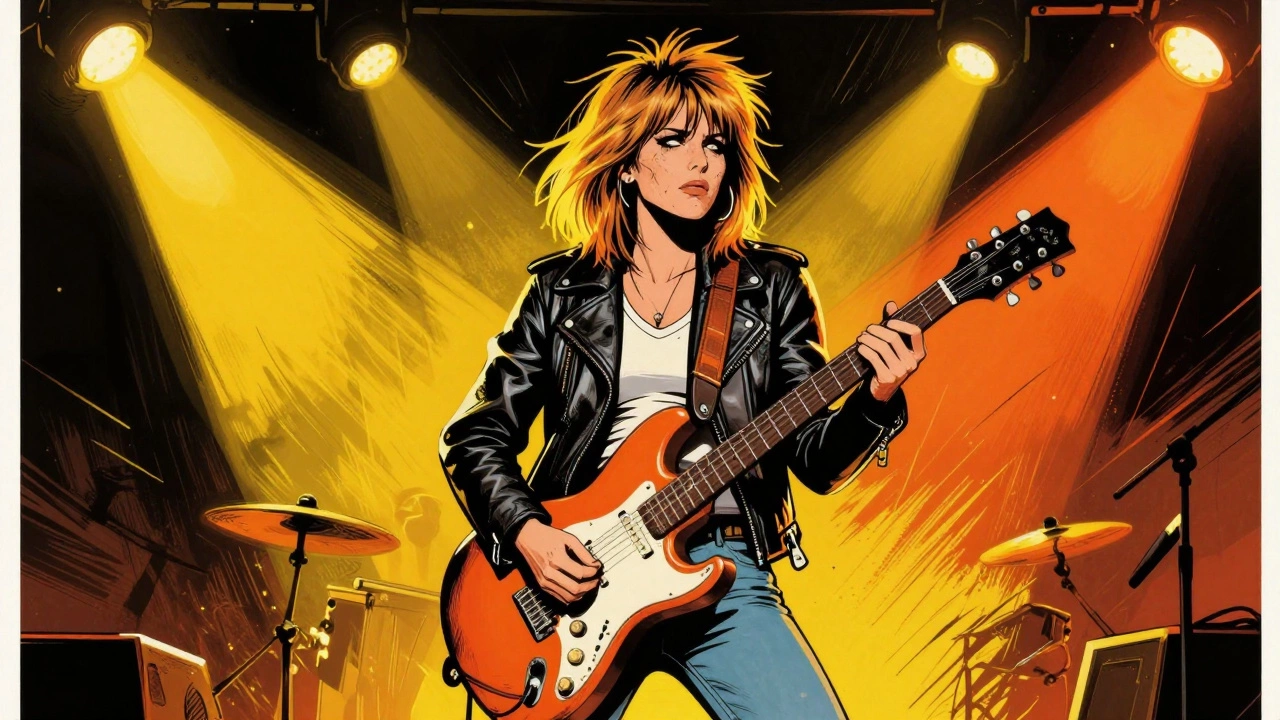
If Siouxsie was the architect of atmosphere, Chrissie Hynde was the anchor of authenticity. Born in Ohio but deeply embedded in London’s budding underground scene, Hynde brought a different kind of grit to the table. She wasn’t interested in high-concept artifice. She wanted to make rock and roll that felt real, raw, and immediate. Her involvement in the formation of multiple successful bands during the scene's ferment shows her role as a connector and leader in the community.
Her primary vehicle, The Pretenders, debuted in 1980 with an album that remains a masterclass in genre-blending. They mixed punk aggression with new wave precision and classic rock swagger. Hynde’s voice-raspy, cynical, yet vulnerable-became the defining sound of the era for millions of listeners. Unlike some contemporaries who leaned heavily into synthesizers, Hynde kept the guitar at the forefront, ensuring that the "rock" in alternative rock never got lost.
Hynde’s impact isn’t just about the music; it’s about the persona. She presented herself as an everywoman who happened to be extraordinary. There was no mystique wrapped in velvet ropes. Just a girl from Cleveland who learned to play guitar and took over the world. This accessibility resonated deeply with fans, particularly young women who saw in Hynde a reflection of their own potential for rebellion and independence. She stood alongside peers like Patti Smith, Debbie Harry, and Joan Jett as part of a generation that shattered the idea that rock was exclusively a male domain.
Her formative years in London’s underground scene were pivotal. She witnessed the birth of punk and helped steer it toward something more sustainable and commercially viable without selling out its core ethos. This balance is hard to strike, but Hynde managed it with a sharp wit and a keen business sense, ensuring that The Pretenders remained relevant long after the initial punk fervor had cooled.
The Ethereal Voice: Stevie Nicks and Fleetwood Mac
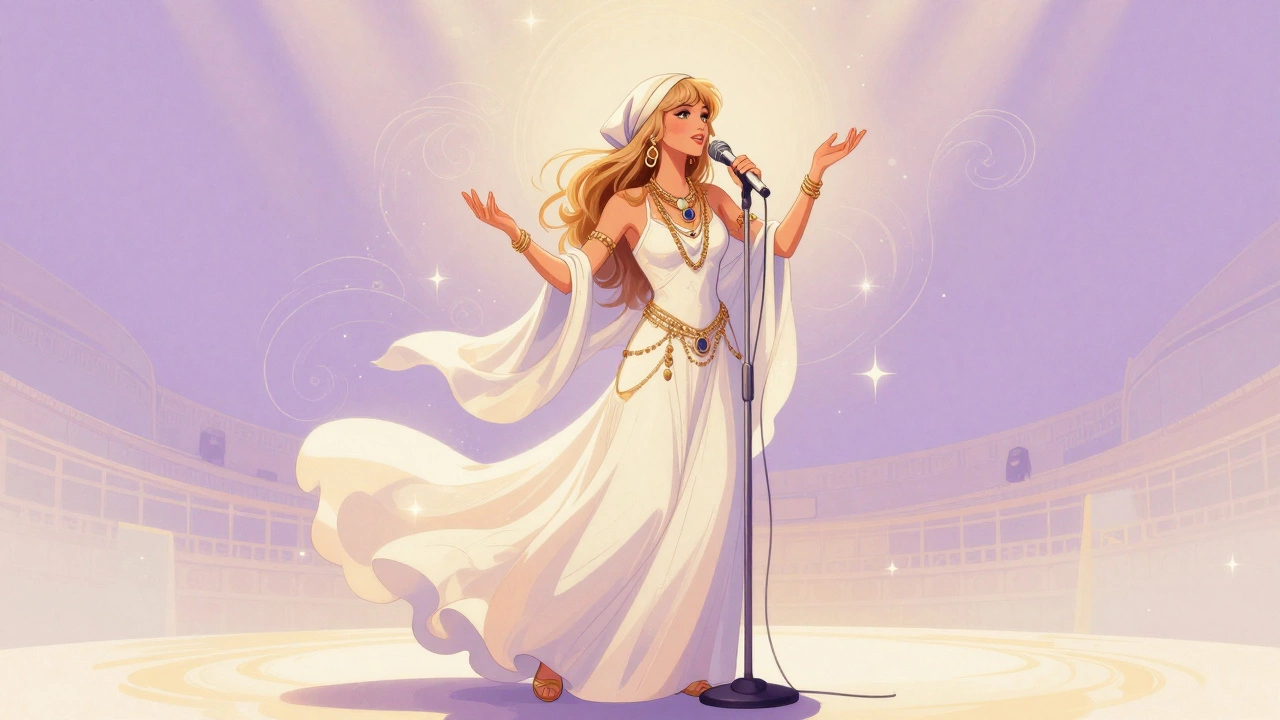
We cannot talk about 80s alternative and rock icons without addressing Stevie Nicks. While often associated with the softer side of rock, her influence on the alternative landscape is profound. As the lead vocalist for Fleetwood Mac, she brought a mystical, storytelling quality to mainstream rock that opened doors for more introspective and emotionally complex lyrics in the genre. Her solo career, which exploded in the mid-80s with albums like Rock a Little (1985), further cemented her status as a standalone icon.
Nicks’ approach was less about political punk anger and more about personal mythology. She dressed in flowing skirts and headscarves, creating a visual contrast to the leather and spikes of her peers. Yet, this softness was deceptive. Her songwriting was sharp, her performances commanding. She proved that you didn’t need to shout to be heard. In an era dominated by aggressive sounds, Nicks offered a space for vulnerability and magic, expanding the emotional range of what rock music could convey.
Her collaboration with Lindsey Buckingham in Fleetwood Mac resulted in one of the best-selling albums of all time, Rumours. While technically a 70s release, its dominance continued well into the 80s, influencing countless alternative bands who admired its harmonic complexity and emotional depth. Nicks’ ability to navigate the male-dominated rock hierarchy while maintaining her unique artistic identity made her a blueprint for future female artists seeking autonomy within collaborative settings.
Cultural Impact: Fashion, Attitude, and Legacy
The contributions of these three women went beyond melody and rhythm. They reshaped the cultural fabric of the 1980s. Punk and post-punk fashion owes a massive debt to Siouxsie Sioux. Her look became a uniform for generations of alternative kids. It was armor against conformity. Similarly, Hynde’s casual, effortless style-the t-shirt and jeans combo-became the uniform of cool indifference. Nicks’ bohemian chic added a layer of romanticism to the decade’s aesthetic palette.
Together, they created a triad of archetypes: the Gothic Queen, the Punk Rebel, and the Mystical Storyteller. Each offered a different path for self-expression. For young girls growing up in the 80s, seeing these women command stages and dictate trends was revolutionary. It wasn’t just about listening to the music; it was about seeing themselves reflected in the culture. These artists didn’t just pave the way; they built the road.
| Artist | Primary Band/Project | Key Aesthetic | Signature Sound | Major 80s Release |
|---|---|---|---|---|
| Siouxsie Sioux | Siouxsie and the Banshees / The Creatures | Gothic, Avant-Garde | Atmospheric Post-Punk | A Kiss in the Dreamhouse (1982) |
| Chrissie Hynde | The Pretenders | Effortless, Gritty | New Wave/Punk Rock | Pretenders (1980) |
| Stevie Nicks | Fleetwood Mac / Solo | Bohemian, Mystical | Soft Rock/Blues | Rock a Little (1985) |
Why Their Influence Endures
Today, when we hear bands like Paramore, Halsey, or even older acts like The Cure paying homage to the 80s, we are hearing echoes of Siouxsie, Hynde, and Nicks. They established that female voices in rock could be authoritative, diverse, and commercially successful without compromising artistic integrity. They taught us that alternative rock wasn’t just a genre; it was an attitude-a refusal to fit into neat boxes.
Their legacies are not static museum pieces. They are living, breathing influences that continue to shape how we define rock stardom. Whether through the haunting melodies of Siouxsie, the raw honesty of Hynde, or the ethereal beauty of Nicks, these women ensured that the 1980s would never be just another decade in history. They made it unforgettable.
Who were the most influential women in 1980s alternative rock?
Siouxsie Sioux, Chrissie Hynde, and Stevie Nicks are widely considered the most influential. Siouxsie defined the gothic and post-punk aesthetic with Siouxsie and the Banshees. Chrissie Hynde led The Pretenders, blending punk with new wave. Stevie Nicks, both with Fleetwood Mac and as a solo artist, brought a mystical, lyrical depth to rock music that expanded its emotional range.
What was Siouxsie Sioux's impact on fashion?
Siouxsie Sioux revolutionized rock fashion with her iconic cat-eye makeup, avant-garde clothing, and overall gothic aesthetic. Her look became a uniform for the alternative subculture, encouraging individuality and rejecting mainstream beauty standards. This visual identity was as important as her music in shaping the 80s alternative scene.
How did Chrissie Hynde differ from other punk artists?
Unlike many punk artists who focused on short, aggressive songs, Chrissie Hynde and The Pretenders blended punk energy with melodic structures and classic rock influences. Her approach was more accessible and sustainable, allowing for a longer career and broader commercial success while maintaining a rebellious spirit.
Did Stevie Nicks contribute to the alternative rock genre?
Yes, although often categorized as soft rock, Stevie Nicks' introspective songwriting and mystical persona influenced the alternative genre's emphasis on personal expression and non-conformity. Her solo work in the 80s, such as Rock a Little, showcased a bluesier, harder edge that resonated with alternative audiences.
What is the significance of The Creatures?
The Creatures was a parallel project by Siouxsie Sioux and guitarist Budgie, formed in 1981. It allowed Siouxsie to explore more experimental electronic and dance-oriented sounds outside of Siouxsie and the Banshees. This demonstrated her versatility and desire to constantly evolve musically.