
Think about the last time you stood in a packed venue. You felt the energy, right? That collective hum before the lights drop. But underneath that excitement lies a complex operation working overtime to keep everyone safe. Effective Concert Security is a systematic discipline combining physical infrastructure, personnel management, and technology to ensure attendee safety while maintaining positive experiences. Also known as Event Safety Management, it involves preventing unauthorized access, managing crowd flow, and responding to medical emergencies. It's not just about having guards with earpieces; it's about a coordinated system that addresses risk vectors simultaneously.
We've learned hard lessons in this industry. Remember the 1972 Rolling Stones concert in Vancouver? Overcrowding and poor capacity management led to riots, tear gas, and injuries. Those moments shaped modern frameworks. Today, we look beyond simple headcounts. We focus on preventing crush injuries, managing entrance bottlenecks, and detecting threats before they escalate. The primary objective remains the same: get people home safely.
The Foundation: Physical Barriers and Infrastructure
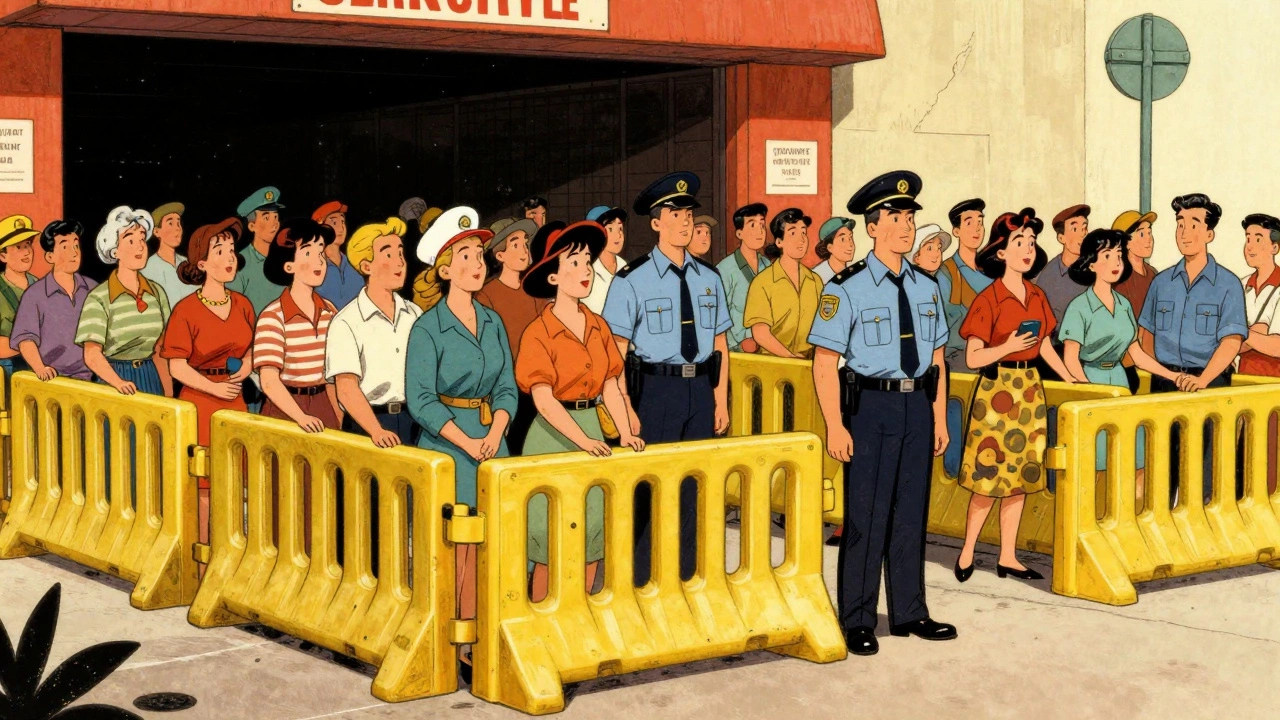
You can't control a river without banks. Similarly, you can't manage a crowd without defined boundaries. Physical barrier infrastructure forms the backbone of safety systems. Many people assume any fence works, but that's dangerous advice. Concert barricades, specifically plastic rather than metal variants, serve as the primary containment tools. Metal barricades present significant hazards. They wobble, have sharp edges, and are too heavy to move quickly during an evacuation.
Plastic barricades are engineered to withstand pressure without shattering into shrapnel. They stay sturdy yet remain safe to touch. Placement isn't random. You design them to stop surges where fans push toward the stage in waves, while still allowing emergency egress. Improvised solutions using tape or netting fail when bodies press against them. Proper deployment creates pathways, maintains queue discipline, and reduces surge likelihood by preventing uncontrolled movement. Signage integrated with these barriers-indicating first aid locations and exits-enhances safety perception. Attendees understand the layout when they see clear guidance.
| Barrier Type | Durability | Safety Rating | Mobility | Ideal Use Case |
|---|---|---|---|---|
| Plastic Barricades | High Impact | Safe to Touch | Moderate | Stage Fronts, Queues |
| Metal Stanchions | Heavy Duty | Sharp Edges Risk | Low | VIP Rope Lines |
| Tape Netting | Fragile | Poor Containment | High | Temporary Dividers Only |
Staffing: Ratios and Training Matters
Security presence isn't just about numbers; it's about capability. Industry standards suggest a ratio of one Security Officer is a trained professional responsible for enforcing safety protocols, managing crowd behavior, and ensuring venue compliance. Security teams require comprehensive training in conflict resolution, threat identification, and emergency response. per 100 fans. Specific needs vary based on venue configuration, but you never skimp here. Responsibilities extend beyond static positioning. Your team monitors attendee patterns and assists with evacuations. Effective security combines uniformed personnel to deter threats alongside plainclothes officers for discrete monitoring.
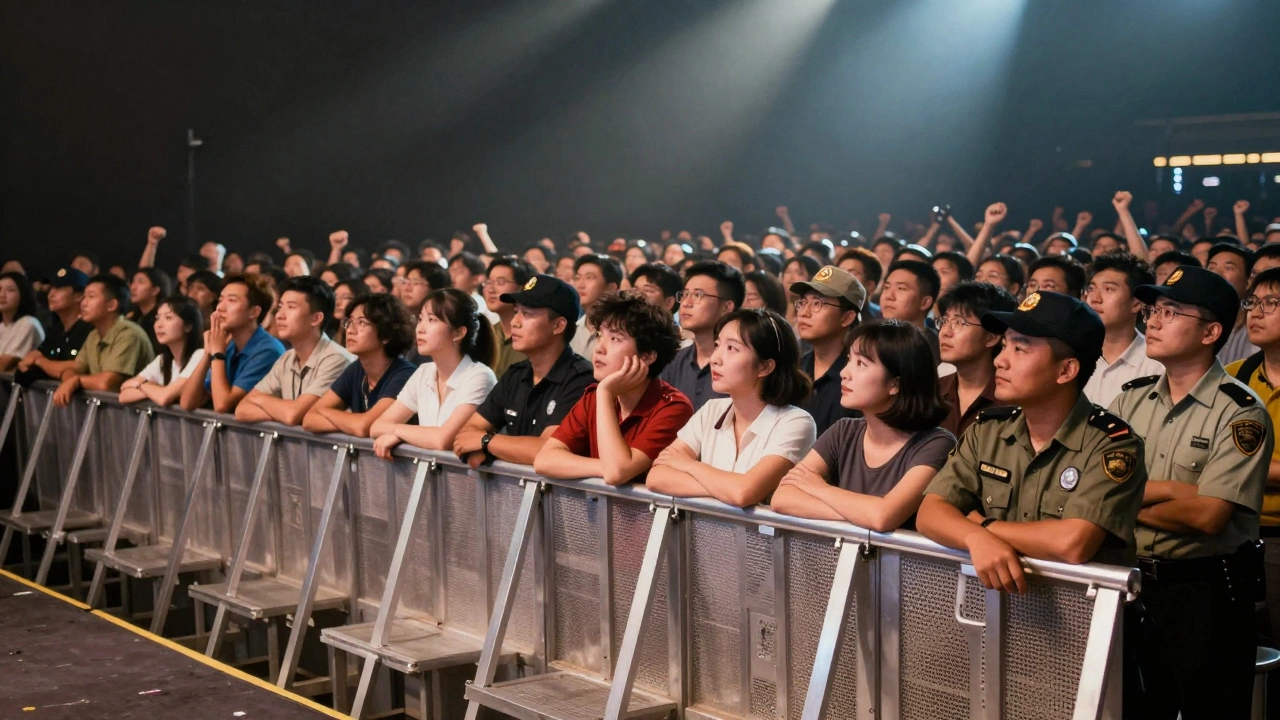
Training must cover de-escalation. Crowds get tense. Bottlenecks spark fights. Security personnel positioned at high-risk zones like stage fronts recognize danger signs before panic sets in. Strategic placement across entry routes and perimeter areas requires advance planning. If your staff knows their job, they can defuse situations that might otherwise turn into headlines.
Tech Tools: Seeing What Humans Can't
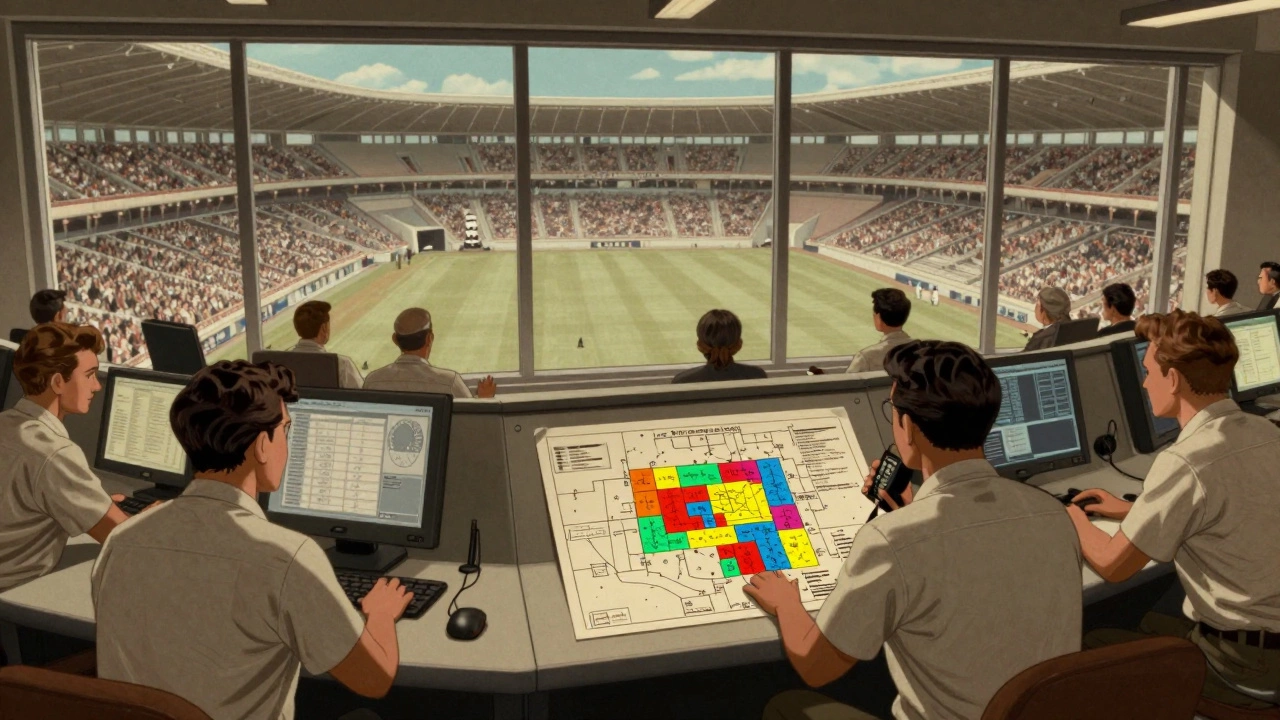
In 2026, technology plays a central role in crowd monitoring. Heat mapping and drone footage identify overcrowded areas needing immediate intervention. CCTV cameras throughout venues provide real-time monitoring. Ticketing systems paired with wristband verification help manage flow. Automated alerts notify staff of potential hazards, preventing escalation. Insurance companies favor venues adopting such tech because evidence shows incident risk reduction. Mobile surveillance units, including camera towers, enhance visual coverage.
Artificial intelligence now helps analyze video feeds automatically. It spots dangerous patterns faster than human eyes alone. Predictive analytics assess incident likelihood based on density data. Biometric systems facilitate faster access control, reducing bottlenecks at doors. However, remember this principle: technology complements fundamental elements of physical infrastructure and trained personnel. It does not replace them.
Crowd Flow and Evacuation Planning
How people move dictates safety. Effective planning considers ingress, travel to restrooms, normal egress, and critically, movement during emergencies. Sway and surge patterns can escalate into crushing without preventive measures. Clear pathway design ensures routes are wide enough for expected volumes. Security personnel oversee checkpoints, exits, and parking areas. Large signage visible without gathering closely facilitates information dissemination. Breakdowns in communication contribute to incidents by creating confusion about permitted movement.
You need redundancy. If one exit gets blocked, others must open immediately. Emergency response plans establish procedures for fires, security threats, and crowd emergencies. Staff responsibilities must be clearly defined. Communication channels between concert security, local law enforcement, and fire departments must remain active during execution. Medical support areas should be easily accessible. When attendees understand facility layouts, they feel safer and comply better.
Risk Assessment Before the Doors Open
Every event begins with a risk assessment. Thorough processes evaluate venue characteristics, historical incidents, anticipated demographics, and entertainment content influencing behavior. Assessment reviews previous errors and miscalculations. Findings inform barrier placement, personnel deployment, and communication strategies. Comparisons show venues implementing coordinated strategies consistently report fewer incidents. Coordinated barricade systems, adequate security ratios, and real-time monitoring experience significantly lower incident rates.
The principle "hope for the best, plan for the worst" reflects recognition that preparation prevents escalation. Comprehensive preparation stops minor situations from becoming major incidents. Seven primary strategies identified by practitioners include physical barriers, mobile surveillance, managed entrances, trained staff, evacuation procedures, monitoring, and video recording. Integration creates redundant safety systems where single-point failures do not compromise overall security.
Communicating with the Crowd
Clear communication regarding procedures and expectations influences compliance. Tactics employ multiple modalities: large signage, digital displays, trained staff, and pre-event info. Communication establishes understanding of exits, safety protocols, prohibited areas, and checkpoint purposes. When attendees understand expectations, they feel comfortable. Confusion leads to accidents. Make sure your message is loud enough-not in volume, but in visibility.
What is the ideal security-to-fan ratio for concerts?
Industry standards recommend approximately one security officer per 100 fans. However, this number fluctuates based on venue size, crowd density, and artist reputation.
Why are plastic barricades preferred over metal?
Plastic barricades are safer because they lack sharp edges and won't tip over as easily. Metal barriers pose risks during heavy crowds due to unsteadiness and injury potential.
How does technology improve crowd safety?
Modern tools like heat mapping, drones, and AI analysis allow real-time identification of overcrowding. This enables staff to intervene before dangerous surges occur.
What should be included in a risk assessment?
Assessments cover venue characteristics, historical incidents, crowd demographics, and emergency resources. Reviewing past errors is crucial for avoiding repeat mistakes.
Is crowd psychology important in security planning?
Yes, understanding crowd psychology helps anticipate behavior like swaying or surging. Integrating this knowledge prevents minor movements from escalating into crush injuries.


