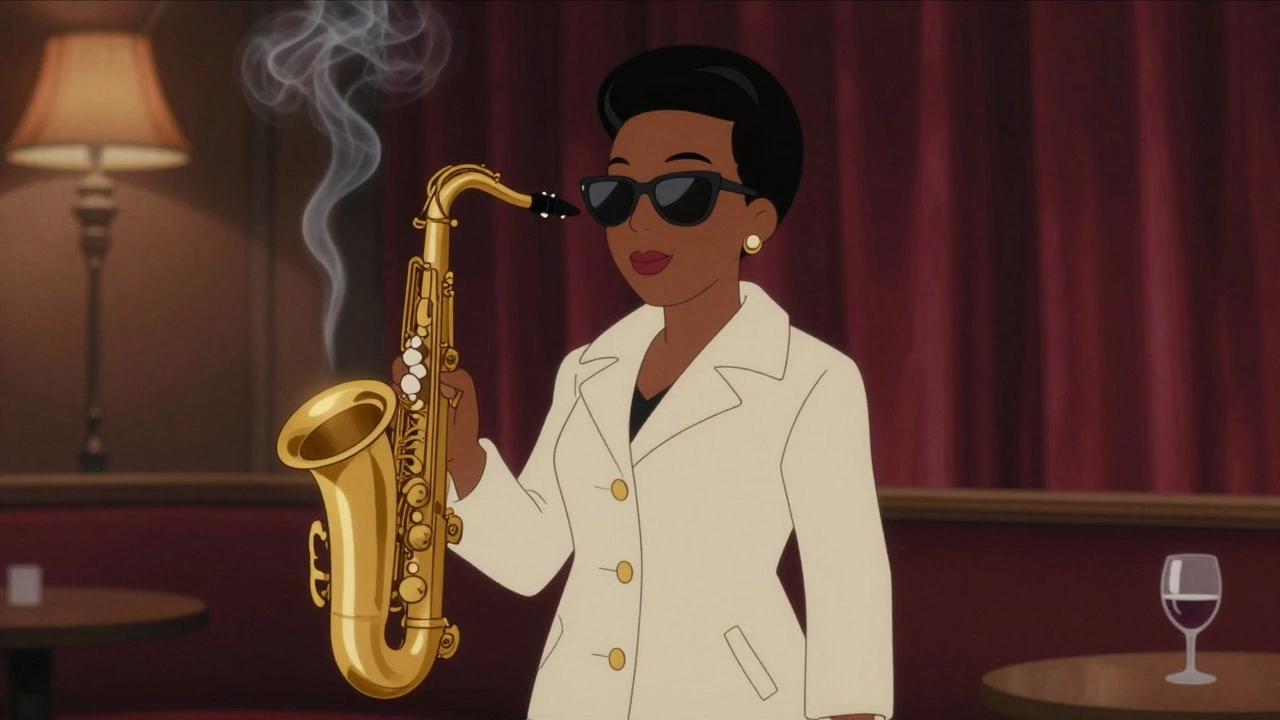

When Smooth Operator hit the radio in 1984, it didn’t just play-it commanded attention. No flashy choreography. No neon lights. Just a slow-burning groove, a whisper of saxophone, and a voice that sounded like midnight in a silk dress. That voice belonged to Sade Adu, a woman who didn’t chase trends-she redefined them. In a decade obsessed with volume, Sade chose quiet. In a time of excess, she offered elegance. And somehow, that made her louder than anyone else.
The Sound That Didn’t Need to Shout
Sade’s music wasn’t built to dominate charts. It was built to linger. Her debut album, Diamond Life, came out in the summer of 1984 and sold over a million copies in the UK alone. But what made it special wasn’t the sales numbers-it was how it felt. The production was clean, the rhythms unhurried, the arrangements sparse but rich. Stuart Matthewman’s saxophone didn’t wail-it sighed. Andrew Hale’s keys didn’t crash-they caressed. Paul Spencer Denman’s bass didn’t drive-it floated. And Sade’s voice? It didn’t belt. It confided.That’s why Smooth Operator became a global hit. It wasn’t a party anthem. It was a late-night confession. The lyrics painted a man who moved through luxury with charm and mystery: "He’s got a yacht, he’s got a plane, he’s got a house in Saint-Tropez." But the real story wasn’t in the wealth-it was in the tone. Sade sang it like she knew him. Like she’d seen him before. Like she wasn’t impressed, but intrigued.
A Voice That Refused to Perform
Before she was a star, Sade was terrified. She’d been singing backup for a North London funk band called Pride, shaking on stage, convinced she’d fail. But she made a decision: if she was going to sing, she’d sing the way she spoke. Not polished. Not theatrical. Just real. That choice became her signature.At a time when female vocalists were either belting power ballads or squealing in pop-punk, Sade offered something different. Her phrasing was calm. Her vibrato was subtle. She didn’t need to hold notes for 10 seconds to prove she could. She didn’t need to scream to show emotion. A half-whispered line like "I’m not afraid of the dark" in The Sweetest Taboo carried more weight than a stadium-sized chorus ever could.
Her lyrics didn’t shout about heartbreak-they explored it. Love wasn’t a fireworks show in her songs. It was a quiet argument in a dim room. A pause before saying "I love you." A glance across a crowded room that said everything. She sang about relationships like someone who’d lived them, not someone who’d read about them in a magazine.
The Band That Refused to Break Up
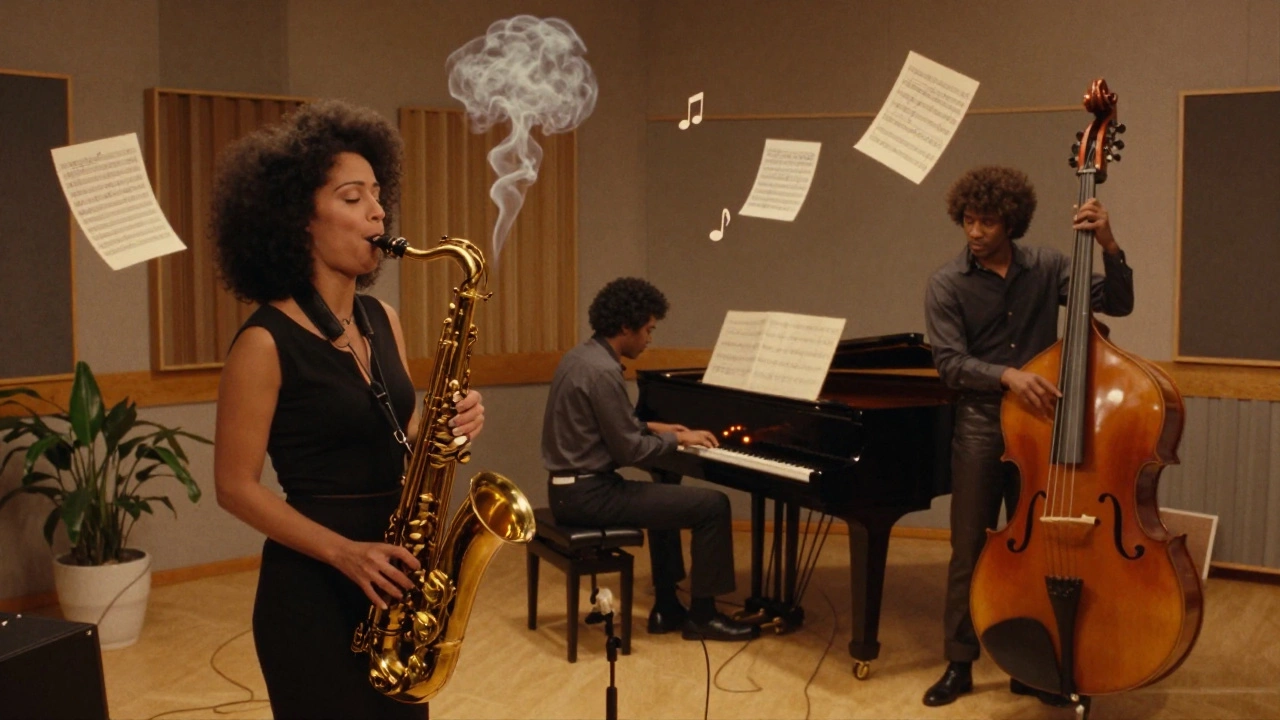
Sade wasn’t a solo act pretending to be a band. She was the center of a unit. When record labels tried to sign her, she said no-until they agreed to let her bring her three bandmates with her. That wasn’t a gimmick. It was a rule. Stuart, Andrew, and Paul weren’t hired musicians. They were her collaborators, her co-writers, her family. They’d been playing together since 1981. They still are.This loyalty shaped their sound. There’s no filler in a Sade album. No track added just to hit a 12-song quota. Each song was built like a piece of furniture-solid, balanced, meant to last. When they recorded Diamond Life, they didn’t chase radio edits. They chased feeling. The result? An album that still sounds modern 40 years later.
Why the 1980s Needed Sade
The 1980s were loud. Synths were everywhere. Hair was bigger than the drums. Music was marketed like fashion. But Sade didn’t fit into any of that. She didn’t wear shoulder pads. She didn’t dance in leotards. Her style was simple: tailored coats, dark sunglasses, no makeup. She looked like someone who’d just stepped out of a jazz club in Paris-not a music video set in LA.Her image wasn’t manufactured. "It wasn’t marketing. It was just me," she once said. And that honesty made her unforgettable. While other artists were chasing trends, Sade was building a world. One where love was complicated but not dramatic. Where elegance wasn’t about price tags but about presence. Where music didn’t need to be loud to be powerful.
Her third album, Stronger Than Pride, gave us "Paradise"-a song that topped the R&B charts in 1988. It wasn’t a dance track. It was a slow burn. A song you’d play when you wanted to feel something without being overwhelmed. That’s the magic of her music. It doesn’t demand your attention. It earns it.
Stepping Away-And Coming Back
After three albums and constant touring, Sade vanished. Not because she was burned out. Not because she was in trouble. She just needed to live again. She moved to the Caribbean. She became a mother. She stopped talking to the press. She didn’t disappear because she was hiding. She disappeared because she was refilling her well.When she returned in 2000 with Lovers Rock, fans didn’t just welcome her back-they celebrated. The album didn’t sound like a comeback. It sounded like a continuation. The same warmth. The same restraint. The same quiet confidence. She didn’t chase younger audiences. She didn’t add EDM drops or Auto-Tune. She didn’t need to. Her voice still carried the same weight. Her songs still had the same depth.
Even Soldier of Love in 2010, with its gritty guitars and martial beats, didn’t break from her core. It expanded it. She didn’t change to stay relevant. She stayed true-and that’s what made her relevant.
Why She Still Matters
Today, Sade has sold over 110 million albums worldwide. That’s more than most acts who released albums every year. She did it with six studio albums in 40 years. That’s not a career. That’s a statement.Her music is the antidote to noise. In a world where everything is shouted, her songs are the quiet space between heartbeats. They’re the song you play when you need to remember what stillness feels like. When you need to feel seen without being stared at.
She didn’t invent soul. She didn’t invent jazz. But she fused them into something new-a sound that didn’t ask for permission. It didn’t need to. It simply existed. And because of that, it still does.
What made Sade’s music different from other 1980s artists?
While most 1980s pop and R&B relied on flashy production, heavy synths, and high-energy performances, Sade’s music was defined by restraint. Her sound blended smooth jazz, quiet funk, and soul with minimal instrumentation-often just saxophone, soft keys, and a steady bassline. Her vocals were intimate, not powerful, and her lyrics focused on emotional nuance rather than drama. This understated elegance stood in sharp contrast to the excess of the decade, making her music feel timeless rather than trendy.
Why did Sade take long breaks between albums?
Sade stepped away from touring and recording after the intense pressure of the 1980s, saying she’d "forgotten what life was all about." She prioritized personal life over fame, becoming a mother and moving to the Caribbean. She believed that true creativity needed space and silence. Her long breaks weren’t about burnout-they were about renewal. Each return felt like a revelation because the music came from lived experience, not industry pressure.
Is Sade considered a soul artist?
Yes, but not in the traditional sense. Sade’s music draws deeply from classic American soul, R&B, and jazz, but she blends them with British cool, Afro-Cuban rhythms, and minimalist pop. Her voice carries the warmth and depth of soul legends like Billie Holiday and Nina Simone, but her delivery is calmer, more controlled. Critics often describe her as "sophisticated soul"-a term that captures her emotional honesty without the theatrics of mainstream soul.
What was the significance of "Smooth Operator"?
"Smooth Operator" was Sade’s breakout hit, peaking at number five on the Billboard Hot 100 and topping the Adult Contemporary chart in 1984. It introduced her signature sound to the world: cool, cinematic, and effortlessly stylish. The song’s lyrics painted a mysterious, wealthy lover-not as a fantasy, but as a quiet observation. Its success proved that audiences craved sophistication over spectacle. It became a cultural touchstone, influencing fashion, film, and future artists who valued subtlety in pop music.
How did Sade’s background in fashion influence her music?
Before music, Sade studied fashion design at Central Saint Martins and worked as a model and menswear designer. That background shaped her artistic identity. She approached music like clothing-tailored, precise, and intentional. Her stage presence, album art, and even the way she moved during performances reflected a designer’s eye for balance and texture. Her style wasn’t about trends; it was about harmony. That same discipline carried into her music: every note, every silence, every instrumental layer had purpose.
Why doesn’t Sade release music more often?
Sade has never believed in releasing music just to stay in the spotlight. She’s said that if she doesn’t have time away from the industry, she has nothing real to write about. Her releases are rare because she waits until she has something meaningful to say. This approach has made each album feel like an event, not a product. It’s why fans still wait years between records-and why every new release feels like a gift, not a obligation.


