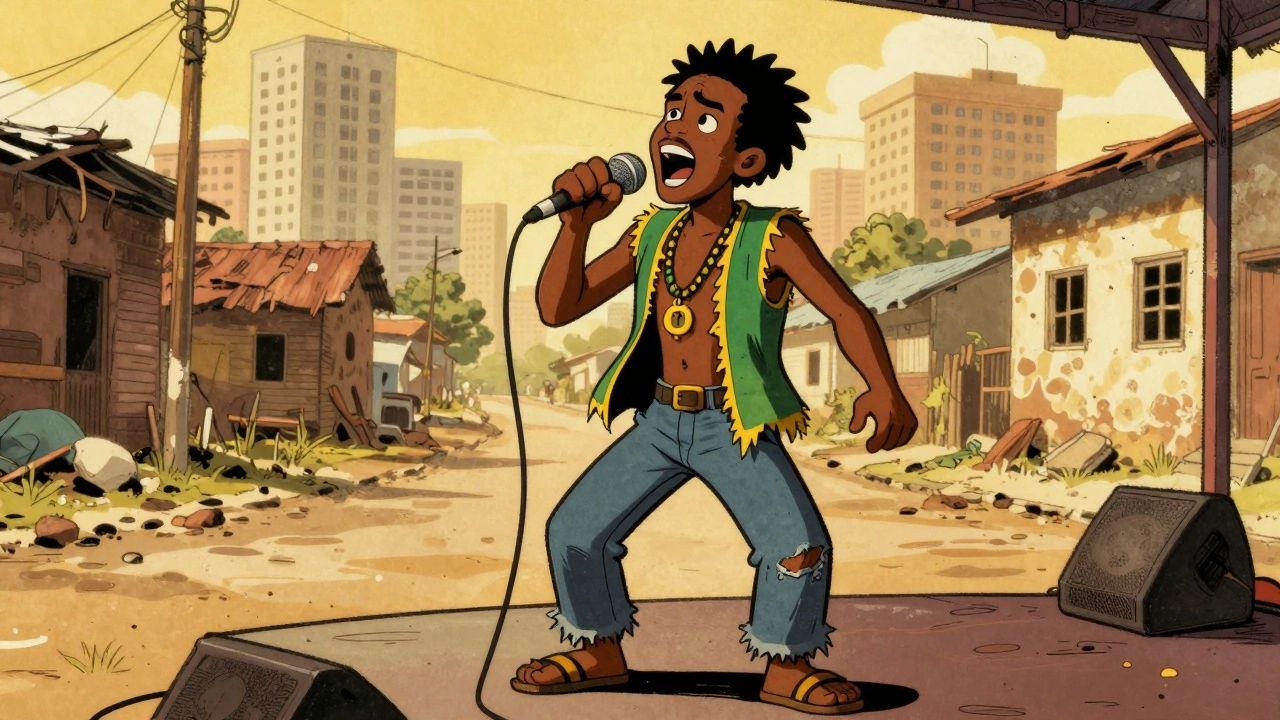

Music often speaks louder than politicians. In the 1990s, Reggae is a musical genre that originated in Jamaica during the late 1960s and became a primary vehicle for global social commentary. While many remember the catchy hooks, the deeper message was about survival, faith, and fighting against systems designed to oppress. The decade marked a critical turning point where the sound shifted from pure party vibes to hard-hitting statements on inequality.
The Resurgence of Roots Reggae
By the early 1990s, the world thought they knew exactly what reggae sounded like. It seemed dominated by dancehall rhythms focused on partying and material gain. However, a significant undercurrent was building. Artists began pushing back against this commercial direction. They wanted to return to the foundation known as Roots ReggaeOriginal Style ReggaeA subgenre characterized by its deep bass lines and lyrical focus on spirituality and political struggle.
This revival didn't happen overnight. It started mid-decade when listeners grew tired of the empty lyrics flooding the charts. The new generation needed something real. They found it in the older tradition that questioned power structures. These bands weren't just making noise; they were documenting the daily struggles of the poor. If you listened closely, the songs explained why neighborhoods remained neglected while the wealthy districts flourished. The music acted as a living archive of economic injustice.
Faith as a Framework for Justice
You cannot separate this music from its spiritual roots. For many artists, religion was not just Sunday practice but a daily weapon against oppression. RastafariA religious movement that regards Emperor Haile Selassie I of Ethiopia as God incarnate1930s played the central role here. The belief system taught that true liberation required both spiritual and physical freedom.
In the 1990s, singers used biblical references and Rastafarian concepts to challenge government corruption. They framed inequality as a moral failing rather than just bad luck. When they spoke of "Babylon," they meant any institution causing harm, whether it was police brutality, slum clearance policies, or discriminatory laws. This theological perspective gave the protest music weight. It wasn't just complaining; it was preaching righteousness through rhythm.
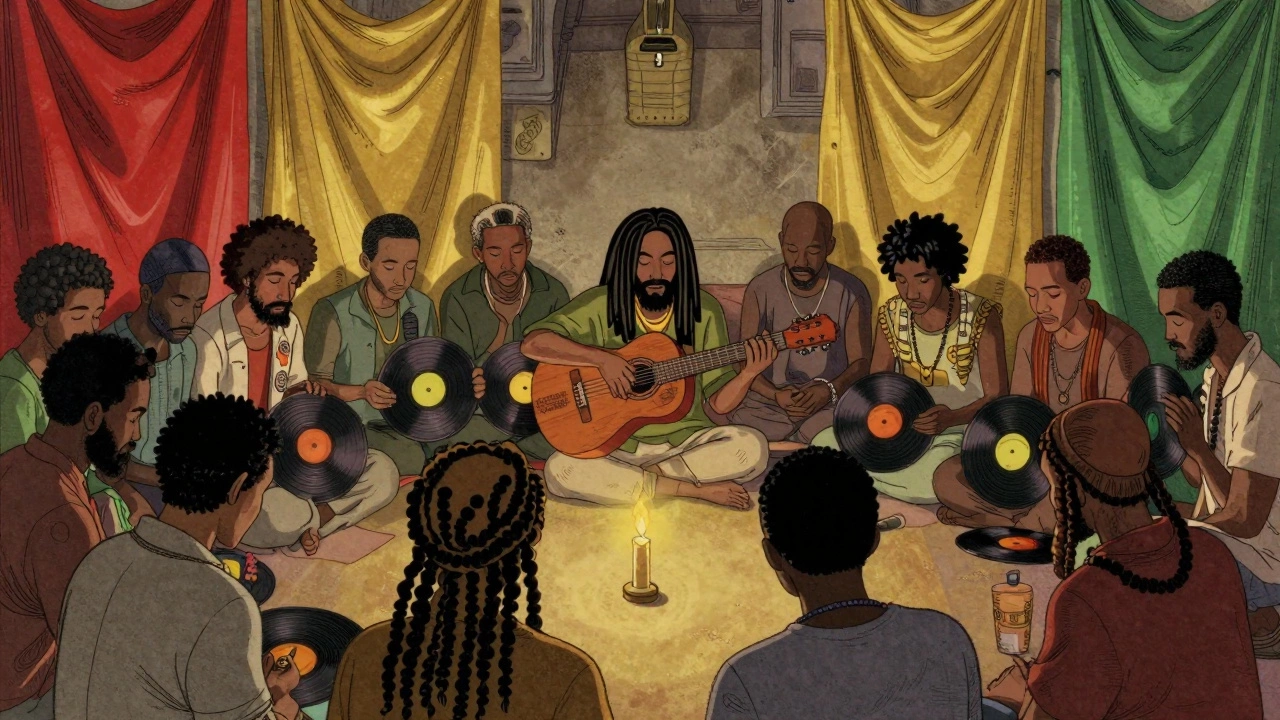
The connection went beyond words. The very act of gathering to listen to these records became a spiritual exercise. Communities bonded over the shared understanding that their suffering had a cause and a divine solution. This made the concerts feel more like prayer meetings. The energy was transformative, offering hope to people who felt ignored by mainstream society.
Bridging Gender Gaps in the Genre
One of the most striking changes during this era was the rise of women in the studio. Historically, the industry was controlled by men, and even Rastafari doctrine had been interpreted in patriarchal ways. But the 1990s forced a reckoning. Artists began addressing the "Omega Principle," which suggests balance between male and female energies.
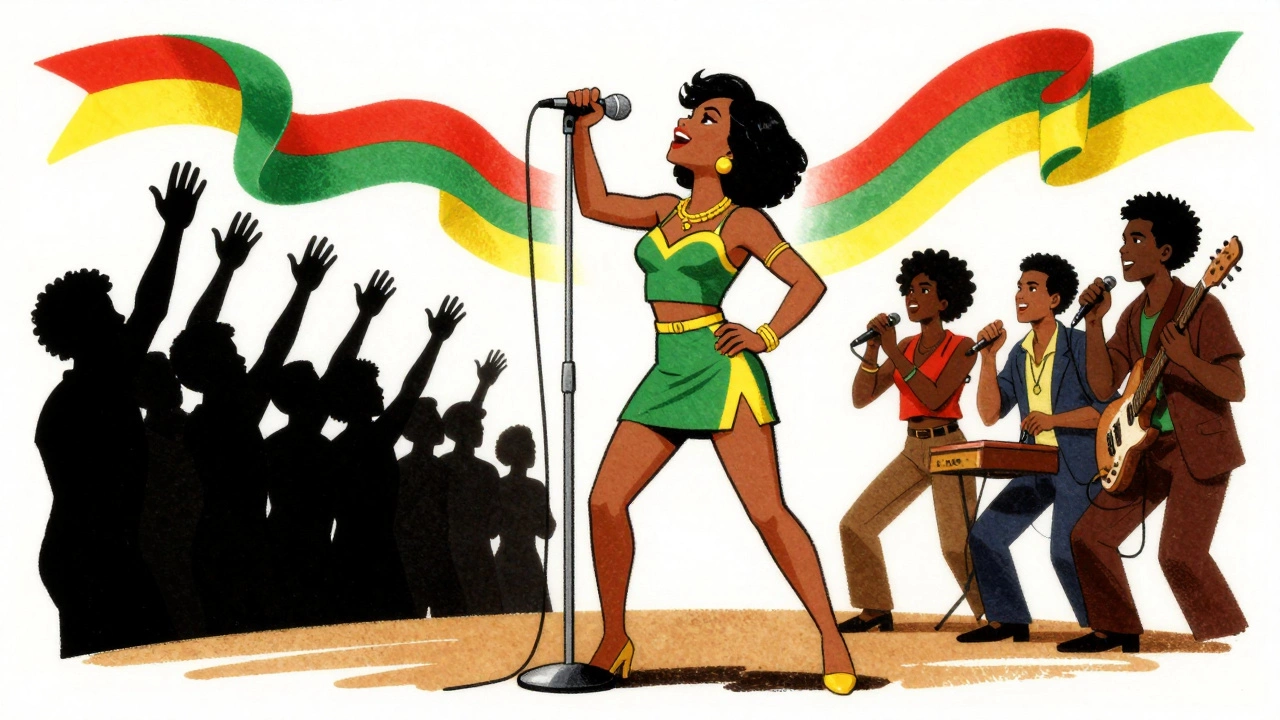
Female performers stepped forward with voices just as strong as their male counterparts. They sang about issues affecting women specifically, including domestic violence and sexual exploitation. Their presence challenged the old guard. It showed that resistance looked different when women led the charge. This shift reflected a broader change within the communities themselves, acknowledging that equality meant everyone having a seat at the table.
The Cost of Going Commercial
Success brought its own set of problems. As reggae gained popularity globally, big record labels noticed. Major companies saw profit potential in this raw sound. To reach wider audiences, some artists had to soften their message. Signing with international deals often meant editing out the sharpest critiques to sell more copies.
There was a fine line between being heard and being bought. Scholars noted that adopting capitalist distribution methods could dilute the ideology. If you sell your revolution to the highest bidder, does the message still ring true? Some fans felt betrayed when protest anthems turned into radio-friendly pop tracks. Yet, others argued that spreading the message globally justified the cost. Without sales, the words wouldn't travel past the island shores.
| Aspect | Early 1990s Trend | Mid-Late 1990s Revival |
|---|---|---|
| Lyrical Focus | Dancehall party vibes | Social inequality and faith |
| Gender Representation | Male-dominated production | Increased female artist visibility |
| Distribution | Local dub plates | International digital albums |
| Theological Basis | Cultural identity | Explicit Rastafari doctrine |
Voices That Shaped the Conversation
Several artists defined this specific period with their unique approaches to activism. Buju BantonA reggae singer known for blending soca and rocksteady influences1973-09-01 was instrumental in bringing conscious lyrics to the forefront. His work pushed boundaries regarding poverty and human rights. Similarly, SizzlaA prominent deejay and songwriter advocating for Rastafarian lifestyle became a household name globally because his dedication to spiritual purity was undeniable.
Then there was Anthony BA roots reggae artist emphasizing cultural identity and heritage, who consistently reminded listeners of African ancestry and pride. These weren't isolated efforts; they created a chorus that drowned out negativity. Even groups like the Marley BrothersFamily of Bob Marley's sons continuing the legacy contributed, ensuring the lineage of protest remained unbroken.
It wasn't just about Jamaica either. The diaspora joined in. Artists in the UK, Canada, and the US picked up these themes. They applied the same logic to local struggles. A protest song in London about police harassment sounded similar to one recorded in Kingston. This interconnectedness proved that systemic inequality was a universal issue, not limited to one geographic location.
Legacy of Resistance Today
When we look back now, that decade stands out for its honesty. Today's chart-toppers rarely carry such weighty subjects. The 1990s reggae scene taught us that entertainment can serve a higher purpose. It forced listeners to think critically about the status quo. Many young activists cite these songs as their introduction to civil rights concepts.
The impact extends beyond the music charts. The conversations started then evolved into policy discussions and community organizing. By giving a soundtrack to the pain of the marginalized, these artists validated experiences that others tried to ignore. They proved that culture is a necessary part of liberation movements. Without this artistic expression, the social record of the decade would be significantly less complete.
Understanding the Balance
Weighing the commercial pressures against artistic integrity remains relevant. Even in 2026, musicians face the same dilemma. Should they compromise tone to get heard, or stay underground and remain pure? The 1990s offered case studies for this decision. Some artists chose independence and stayed smaller but authentic. Others took big contracts and risked diluting their message. Both paths had valid arguments, but the consensus among historians is that the message mattered most.
The era also highlighted the importance of diversity. Before the mid-decade, women were often sidelined. Their breakthrough showed that inclusive movements last longer. It changed the texture of the genre permanently. Modern artists still draw inspiration from how those pioneers broke barriers without compromising their beliefs. The foundation laid then continues to support current generations of socially conscious creatives.
Why is the 1990s considered a pivotal decade for reggae?
The 1990s saw a roots reggae revival where artists returned to focusing on social justice and spirituality after a period dominated by dancehall party themes. It also introduced more female artists into the lead roles.
What role did Rastafari play in 1990s reggae lyrics?
Rastafari provided the theological framework for critiquing social structures. Artists used religious symbolism to advocate for liberation from colonialism, racism, and classism inherited from history.
Which artists were key figures in this movement?
Prominent names included Buju Banton, Sizzla, Anthony B, and the Marley Brothers. They utilized the genre to raise consciousness about wealth inequality and government corruption.
Did commercial success hurt the message of reggae music?
Sometimes yes. Adopting capitalist institutions sometimes led to softer lyrics. However, it also allowed the message of resistance to reach a much larger global audience than before.
How did women change the landscape of reggae?
The mid-1990s saw the rise of female artists who addressed social inequalities and faith. This reflected the Omega Principle, balancing man and woman within the Rastafarian worldview.


