
Think about the last time you heard a heavy bassline that made your chest vibrate. Chances are, it traces its DNA back to the 1990s. This decade wasn’t just another chapter in reggae is a Jamaican popular music form characterized by off-beat rhythm guitar, prominent bass lines, and socially conscious lyrics. It was a seismic shift. The genre fractured into three distinct, powerful streams: the digital explosion of dancehall, the spiritual resurgence of roots reggae, and the smooth, romantic persistence of lovers rock. These weren't just subgenres; they were cultural movements that reshaped global pop music, influencing everything from hip-hop to modern reggaeton.
The Digital Revolution: Dancehall Takes Over
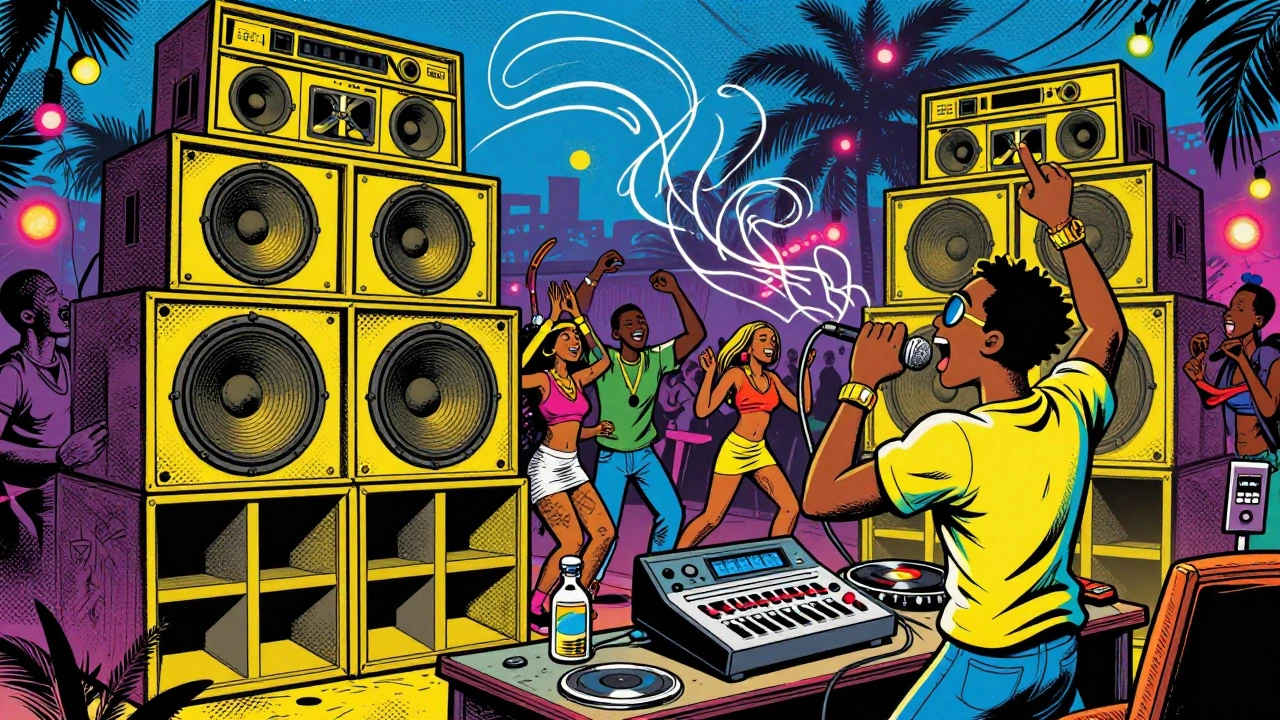
If you walked into a sound system party in Kingston in 1990, the air felt different than it did in 1985. The live bands were largely gone, replaced by drum machines and sequencers. This was the era when dancehall is a style of Caribbean music that originated in Jamaica in the late 1970s, characterized by digital production and deejay toasting. became the dominant force. Producers moved away from expensive studio sessions with full bands to cheaper, faster digital recording using tools like the Roland TR-808 and later software like Pro Tools and Fruity Loops. This shift created the "raggamuffin" sound-faster tempos, harder snares, and sparse, bass-heavy riddims designed for deejays to toast over.
The commercial impact was immediate and massive. Shabba Ranks is a Jamaican dancehall artist who became one of the first international superstars of the genre in the early 1990s. signed with Epic Records around 1991, bringing dancehall to mainstream American and European audiences. His tracks like 'Mr Loverman' and 'Ting-A-Ling' dominated clubs worldwide. He won two Grammy Awards and secured gold-certified albums, proving that this raw, digital Jamaican sound could compete with polished pop. However, his career also highlighted the risks of the era. A controversial comment on British television in 1992 regarding homophobic lyrics in Buju Banton's music led to public outrage, tour cancellations, and eventually the end of his major label deal in 1996. Shabba’s rise and fall illustrated how quickly the global stage could embrace and then reject dancehall artists depending on their public image.
Meanwhile, other icons like Buju Banton is a versatile Jamaican singer who transitioned from explicit dancehall themes to conscious roots reggae in the mid-1990s., Bounty Killer, and Lady Saw were churning out singles at an incredible pace. Unlike the album-focused rock or pop industry, dancehall operated on a single-driven model. Artists would record dozens of tracks over popular riddims (instrumental beats) released on 7-inch singles and cassettes. This high-volume approach kept the culture fresh and constantly evolving, creating a golden era for the genre that fans still debate today.
The Conscious Revival: Roots Reggae Finds Its Voice Again
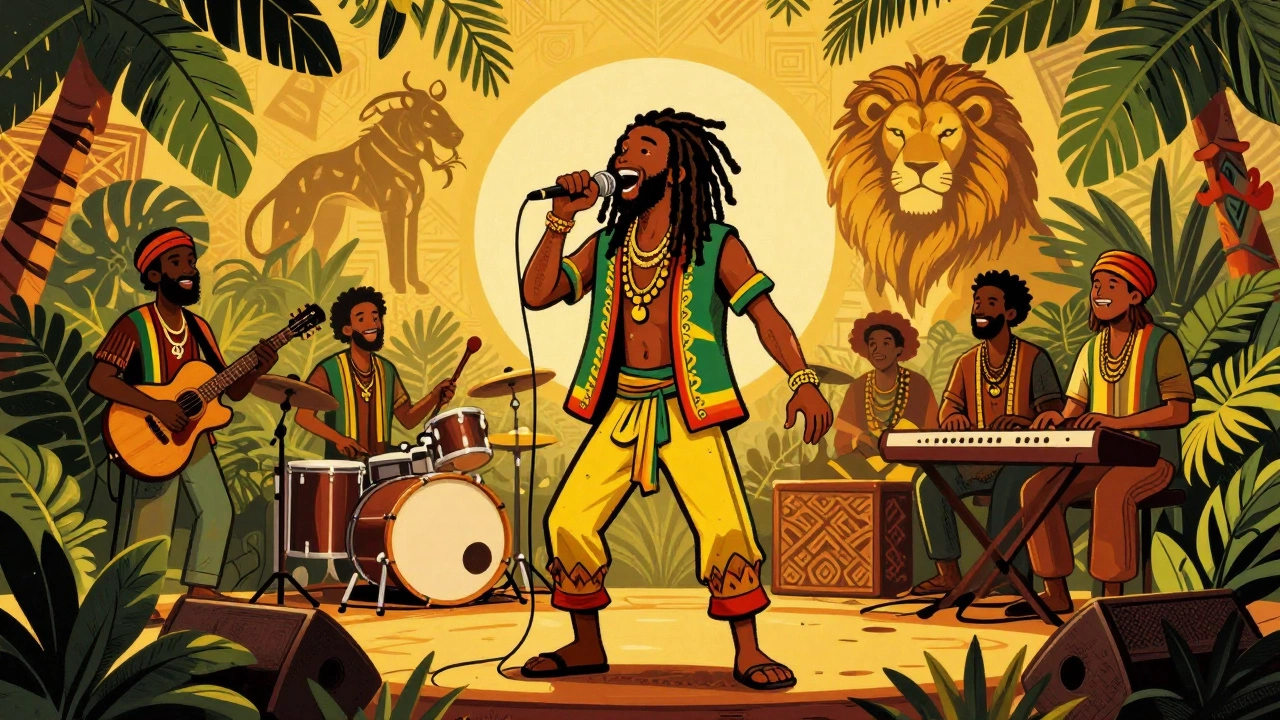
While dancehall chased the charts, a parallel movement was brewing in the parishes of central Jamaica. By the mid-1990s, many listeners and artists felt that the "slackness" (sexually explicit or violent lyrics) dominating dancehall had strayed too far from reggae’s spiritual roots. This sparked a roots reggae revival is a movement in the 1990s where artists returned to Rastafari spirituality and social consciousness while using modern production techniques.. Artists like Garnet Silk, Tony Rebel, and Luciano emerged with messages focused on love, unity, and African heritage. They didn't abandon the digital sound; instead, they used modern riddims to deliver traditional roots messages.
Garnet Silk, often called the "King of Culture," became a central figure in this shift. His track 'Trinity' remains an anthem of positivity and resilience. Tragically, his death in 1995 only amplified the movement's message, drawing more attention to the conscious side of reggae. Meanwhile, veterans like Burning Spear and Israel Vibration continued to produce authentic, band-based roots music, keeping the 1970s aesthetic alive for purists. But the real innovation came from artists who blended old soul with new sounds. Buju Banton’s 1995 album *Til Shiloh* is widely considered one of the best conscious reggae albums of the decade. After years of dancehall hits, he embraced Rastafari fully, delivering spiritually charged lyrics over contemporary beats. This pivot showed that artists didn't have to choose between relevance and righteousness-they could do both.
This revival laid the groundwork for the "Reggae Revival" of the 2010s. Younger artists today still cite these 1990s pioneers as their primary influence. The Smithsonian Center for Folklife and Cultural Heritage notes that this period saw female artists playing increasingly central roles, reflecting the "Omega Principle" in Rastafari, which emphasizes balancing male and female energy. Singers like Sister Nancy and later Capleton’s female contemporaries helped diversify the narrative, ensuring that the conscious movement wasn't just a male-dominated space.
Lovers Rock: The Romantic Heartbeat of the Diaspora
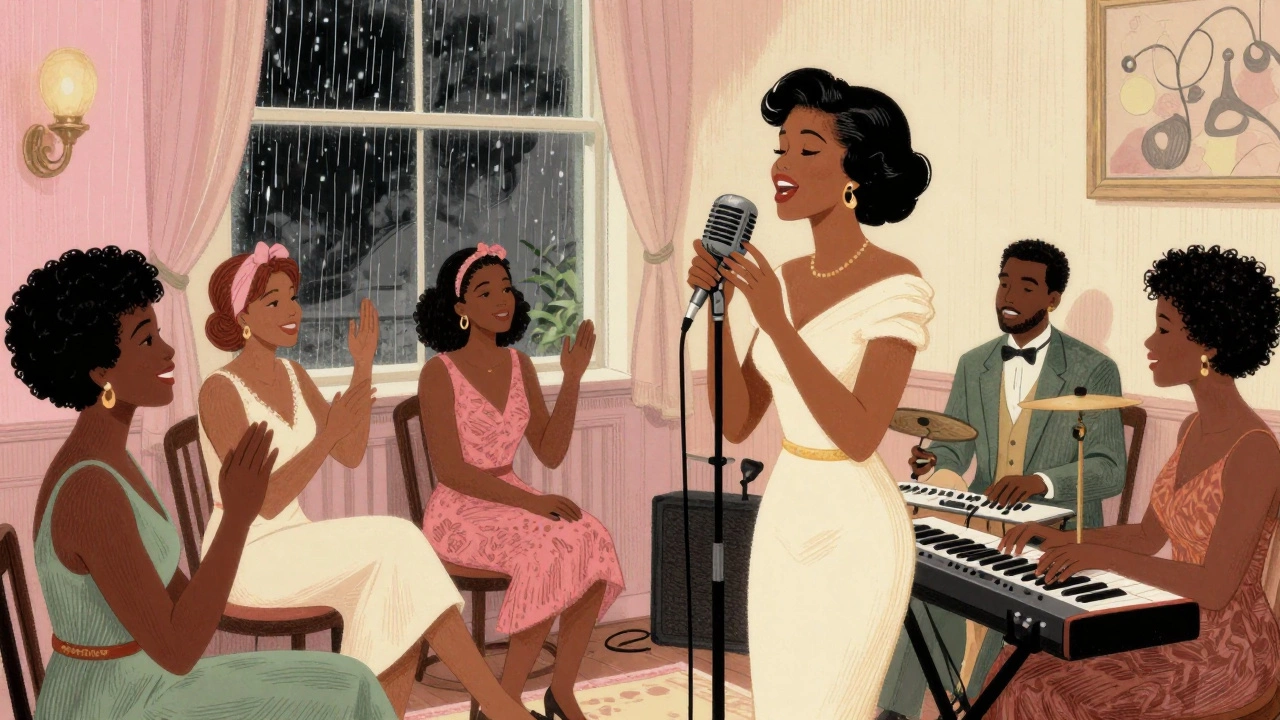
Across the Atlantic in London, a different story was unfolding. lovers rock is a smooth, romantic subgenre of reggae that originated in the UK in the 1970s and thrived in the 1990s through diaspora communities. had been simmering since the mid-1970s, but the 1990s solidified its place in the cultural landscape. Born among second-generation Caribbean youth in Britain, lovers rock combined reggae rhythms with soulful vocals and lush keyboard pads. It was the soundtrack for romance, intimacy, and community gatherings in the UK.
Artists like Brown Sugar, Janet Kay, and Carroll Thompson defined the era. Their songs weren't about political struggle or party antics; they were about heartbreak, devotion, and everyday love. Tracks like Brown Sugar’s 'Our Reggae Music' and Janet Kay’s 'You Bring The Sun Out' became timeless classics. What made lovers rock unique was its cross-Atlantic appeal. While Jamaican stars like Beres Hammond and Gregory Isaacs recorded romantic tunes, UK producers and singers added a smoother, more polished layer influenced by American R&B. This created a rich ecosystem where a Jamaican vocalist might record a hit in London, blending the best of both worlds.
The economic viability of lovers rock relied heavily on the diaspora market. Unlike dancehall, which broke globally through major labels, lovers rock thrived on independent labels, radio shows, and sound-system dances in cities like Birmingham and London. Bands like UB40, though often categorized broadly as reggae-pop, helped keep the genre visible on mainstream charts throughout the 1990s. Festivals like Germany’s Reggae Summerjam also provided crucial platforms for lovers rock artists, connecting them with European audiences who craved the genre's emotional depth. Today, curated playlists on streaming services continue to celebrate this era, proving that lovers rock’s appeal is enduring rather than fleeting.
| Feature | Dancehall | Roots Reggae | Lovers Rock |
|---|---|---|---|
| Primary Production | Digital drum machines, sequencers | Live bands or hybrid digital/live | Smooth keyboards, soul-influenced arrangements |
| Lyrical Focus | Party, sexuality, social commentary, slackness | Rastafari spirituality, Black liberation, consciousness | Romance, intimacy, relationships |
| Key Markets | Jamaica, Global Pop, US/Europe clubs | Jamaica, Conscious fanbase, Africa | UK, Caribbean Diaspora, Europe |
| Iconic Artists | Shabba Ranks, Buju Banton, Lady Saw | Garnet Silk, Luciano, Burning Spear | Brown Sugar, Janet Kay, Beres Hammond |
| Release Format | Singles, riddim compilations | Albums, EPs | Albums, compilation mixes |
Legacy and Influence: How the 90s Shape Today’s Music
The ripple effects of the 1990s reggae scene are everywhere. You can hear them in the trap beats of modern hip-hop, which borrowed heavily from dancehall’s syncopated rhythms and toasting styles. Artists like Drake and Bad Bunny have explicitly cited dancehall influences, showing how the genre’s digital aggression translated into global pop dominance. Even reggaeton, which exploded in the 2010s, owes a debt to the rhythmic structures pioneered by 1990s Jamaican producers.
In Jamaica, the debate between "digital" and "traditional" continues. Some purists argue that the 1990s marked the decline of authentic roots reggae because live instruments were replaced by computers. Others counter that the lyrical content remained deeply rooted in Rastafari principles, even if the sound changed. This tension keeps the conversation alive. Labels like Xterminator and Star Trail, known for high-quality conscious releases, still operate, bridging the gap between 1990s aesthetics and modern production.
For listeners today, exploring the 1990s means navigating a rich archive of contrasts. You can find the raw energy of Shabba Ranks alongside the meditative peace of Luciano. You can switch from the club-ready beats of dancehall to the intimate ballads of lovers rock. This diversity is the true legacy of the decade. It proved that reggae wasn't a monolith; it was a living, breathing entity capable of adapting to technology, shifting social moods, and global markets without losing its soul.
What defines the sound of 1990s dancehall?
1990s dancehall is defined by its use of digital drum machines, synthesizers, and sequencers instead of live bands. The tempo is often faster than classic reggae, with heavy emphasis on the bassline and snare. Vocals typically involve "toasting" or rapid-fire lyrical delivery over repetitive instrumental loops called riddims.
Who were the biggest stars of 1990s roots reggae?
Key figures in the 1990s roots revival included Garnet Silk, Luciano, Tony Rebel, and Sizzla. Veterans like Burning Spear and Israel Vibration also remained influential. These artists focused on Rastafari spirituality, social justice, and positive messaging, often blending traditional themes with modern digital production.
How did lovers rock differ from other reggae styles in the 90s?
Lovers rock was characterized by its smooth, soulful vocals and romantic lyrics. Unlike the aggressive beats of dancehall or the political weight of roots reggae, lovers rock focused on love, relationships, and intimacy. It was particularly popular in the UK and among Caribbean diaspora communities, featuring artists like Brown Sugar and Janet Kay.
Why was Shabba Ranks significant in the 1990s?
Shabba Ranks was one of the first dancehall artists to achieve massive international success, signing with major label Epic Records. He won two Grammy Awards and brought dancehall to mainstream Western audiences. His career also highlighted the challenges of cultural translation, as controversies over lyrics impacted his global standing.
Did the 1990s hurt the authenticity of reggae?
Opinions vary. Some critics argue that the shift to digital production diluted the organic feel of traditional reggae. However, many fans and historians view the 1990s as a vital period of innovation, where roots messages survived through new technological mediums, and the genre expanded its global reach significantly.


