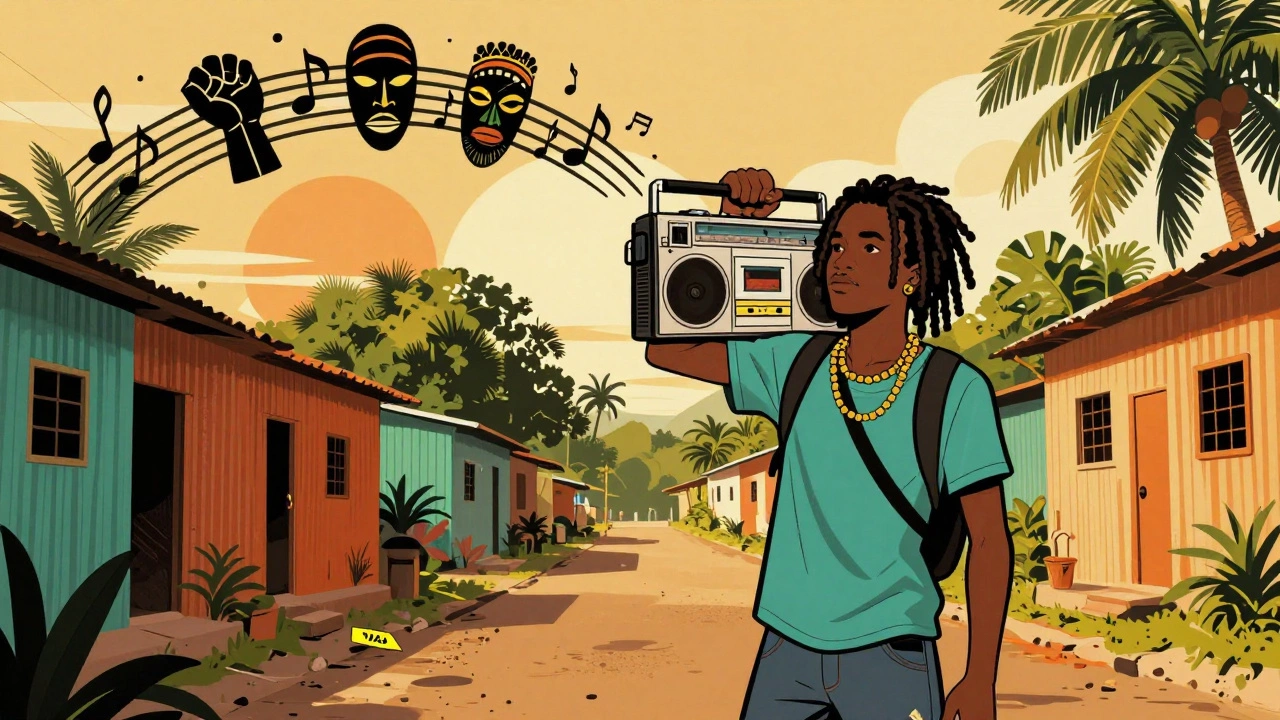

Turn on a classic roots reggae track from the 1970s, and you don't just hear a rhythm. You hear a manifesto. For young people across Jamaica, Britain, and beyond, this music wasn't background noise for a party. It was a blueprint for survival, a language of resistance, and a mirror reflecting who they were in a world that often told them they didn't belong. Today, that same pulse beats through new generations, proving that reggae is far more than a genre-it is a living tool for identity formation.
The Roots of Resistance: From Slavery to Sound Systems
To understand why reggae hits so hard with youth, you have to look at where it came from. It didn't start in a boardroom or a radio station. It started in the streets of Kingston, Jamaica, born out of the Rastafari movement, which emerged in the 1930s as a spiritual protest against colonial rule and racial oppression. By the late 1960s, this philosophy fused with local musical styles like ska and rocksteady to create reggae. But unlike pop music designed to sell records, early reggae was designed to wake people up.
Artists like Bob Marley, Peter Tosh, and Burning Spear became the voice of the marginalized. They sang about poverty, police brutality, and the lingering effects of slavery. For young Jamaicans growing up after independence in 1962, these songs provided a narrative that explained their struggles. Instead of feeling isolated by their hardship, youth realized their pain was part of a larger historical struggle. This shift-from personal frustration to collective consciousness-was the first step in forming a distinct cultural identity rooted in African heritage rather than British colonial values.
The "Rude Boy" and the Language of Babylon
In the 1960s and 70s, a specific figure dominated Jamaican youth culture: the "rude boy." These were often armed young men from poor urban neighborhoods who confronted authority head-on. While mainstream society saw them as criminals, reggae music offered a more nuanced view. Songs like Desmond Dekker’s "007 (Shanty Town)" and The Wailers’ "Jailhouse" portrayed rude boys not just as thugs, but as products of a broken system. They were reacting to entrenched poverty and police repression.
This is where the concept of "Babylon" becomes crucial. In Rastafari theology, Babylon isn't just a biblical city; it represents all oppressive systems-government corruption, economic exploitation, and cultural imperialism. For youth, labeling the state and its institutions as "Babylon" gave them a powerful framework. It allowed them to interpret their daily interactions with police or employers not as individual failures, but as acts of systemic injustice. This linguistic tool helped forge a shared identity among diverse groups of young people who might otherwise have seen themselves as competitors for scarce resources.
Global Waves: Reggae in Britain and Beyond
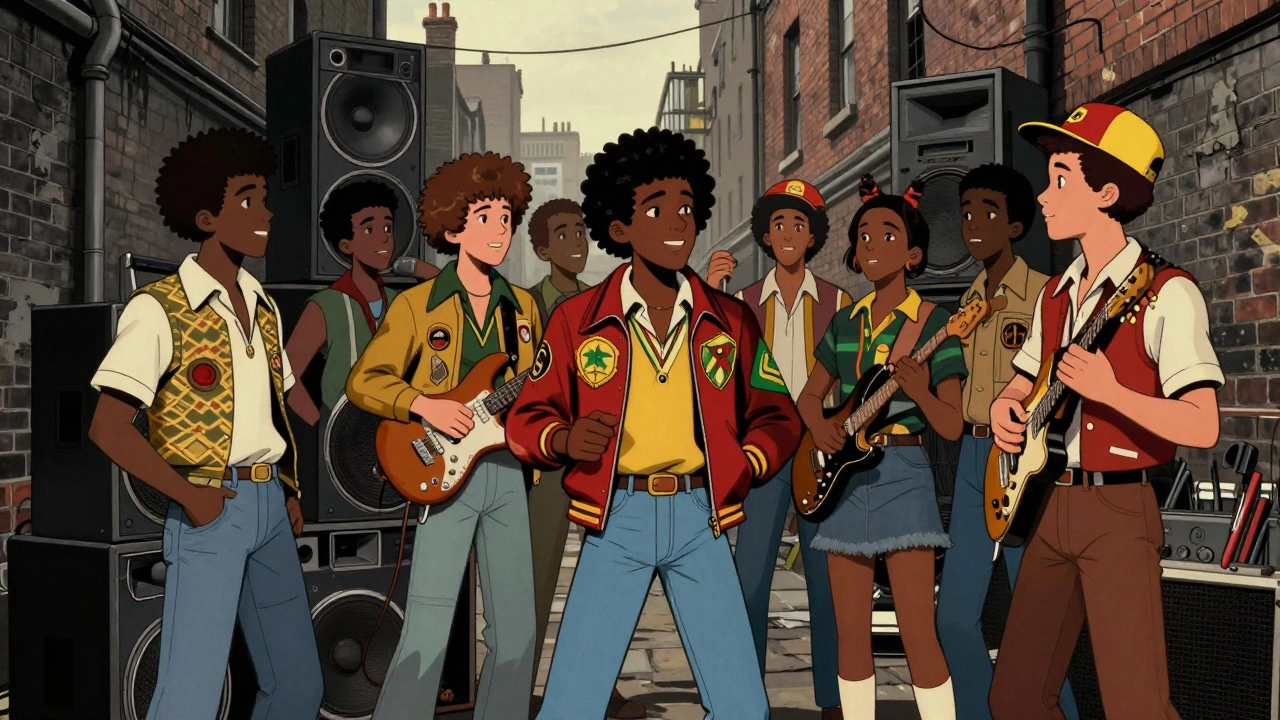
Reggae didn't stay in Jamaica. By the early 1970s, it had crossed the Atlantic and taken root in Britain, particularly in cities like London and Birmingham. Here, it resonated deeply with two distinct groups: Black Caribbean diasporic youth and white working-class teenagers. For Black youth, reggae reinforced their connection to their heritage and provided a soundtrack for fighting racism in a hostile environment. For white youth, it offered an alternative to mainstream consumer culture. Ethnographic studies show that white teens adopted reggae symbols-dreadlocks, red-gold-green colors-as markers of rebellion against their own societal norms.
This cross-cultural exchange created a unique "dialogue space." While there were certainly issues of appropriation, the shared appreciation for reggae’s message of unity and resistance helped bridge racial divides in some communities. It showed that the desire for freedom and dignity is universal. This global spread proved that reggae’s themes weren't limited to one geography; they spoke to any young person feeling alienated by modern industrial society.
Identity Symbols: Dreadlocks, Colors, and Consciousness
Identity isn't just about what you think; it's also about how you present yourself. Reggae culture provided a visual language that young people could adopt to signal their beliefs. Dreadlocks, once stigmatized, became badges of pride and spiritual commitment. The colors red, gold, and green-representing the blood of martyrs, the wealth of Africa, and the land-became ubiquitous in fashion and art. These symbols weren't just aesthetic choices; they were declarations of allegiance to an Afro-centric worldview.
For many young listeners, embracing these symbols was a way to reject internalized racism and connect with a broader Pan-African identity. It allowed them to construct a self-image that was proud, resilient, and spiritually grounded. Even today, when you see a young person wearing these colors or sporting dreadlocks, they are often invoking this history of resistance and belonging. It’s a non-verbal way of saying, "I know who I am, and I stand with those who fought for justice."
| Element | Symbolic Meaning | Impact on Youth Identity |
|---|---|---|
| Babylon | Oppressive systems (police, government, capitalism) | Provides a framework for understanding social injustice |
| Dreadlocks | Spiritual commitment, rejection of Eurocentric beauty standards | Fosters pride in natural appearance and cultural heritage |
| Red-Gold-Green | African heritage, sacrifice, and hope | Creates visual solidarity and Pan-African connection |
| Rude Boy Style | Street resilience, defiance of authority | Validates urban youth experiences and struggles |
The Revival: Modern Movements and Digital Communities
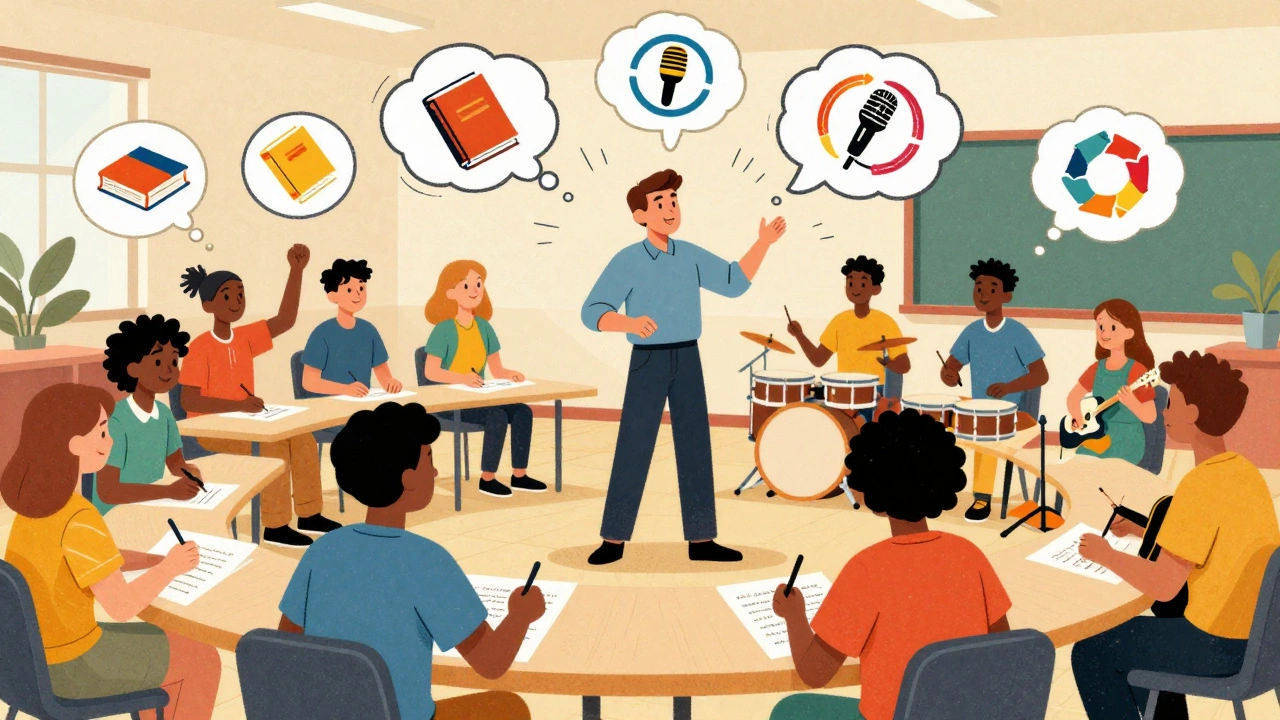
If you think reggae’s influence peaked in the 70s, take a look at the 2010s and 2020s. A "reggae revival" has swept through Kingston and global youth cultures. Organizations like Manifesto Jamaica have stepped in to provide creative outlets for urban youth, using live bands and conscious lyrics to counter gang violence and apathy. These programs teach young people lyric writing, social awareness, and community organizing, offering a path to leadership that doesn’t require formal academic credentials.
Simultaneously, digital platforms have democratized access to this culture. Spotify playlists curated by activists introduce younger generations to protest anthems like "Pressure Drop" and "Freedom Street." Social media groups discuss how reggae helps confront police harassment and school racism. The music continues to evolve, blending with hip-hop and dancehall, but the core message remains: resist oppression, embrace your roots, and build community. This adaptability ensures that reggae stays relevant, speaking directly to the anxieties and aspirations of 21st-century youth.
Challenges: Commercialization vs. Consciousness
Of course, it’s not all smooth sailing. As reggae became a global commodity, tensions arose between its radical roots and its marketable image. Critics worry that festival culture and branded merchandise dilute the political edge of the music. When "One Love" becomes a slogan on a t-shirt sold in a mall, does it lose its power? Some scholars argue that commercialization actually spreads the message further, allowing black cultural identity to transcend race and region. Others insist that true engagement requires deeper study of Rastafari philosophy and history, not just surface-level consumption. For young fans, navigating this balance is part of the journey-learning to distinguish between entertainment and empowerment.
How did reggae help form youth identity in Jamaica?
Reggae provided a narrative that connected personal struggles with historical injustices like slavery and colonialism. By framing these issues through the lens of "Babylon," it gave young people a shared language of resistance and a sense of collective purpose, transforming isolation into community.
What is the significance of "Babylon" in reggae culture?
In reggae and Rastafari thought, "Babylon" refers to all oppressive systems, including corrupt governments, exploitative economies, and racist institutions. It serves as a critical tool for youth to identify and resist structural inequality.
Did reggae influence only Black youth?
No. In places like Britain, white working-class youth also adopted reggae as a symbol of rebellion against mainstream consumer culture. It created spaces for cross-cultural dialogue and shared resistance against societal norms.
How is reggae used in modern youth empowerment programs?
Organizations use reggae workshops, concerts, and lyric-writing sessions to engage urban youth. These programs offer alternatives to gang life, fostering creativity, social awareness, and leadership skills without requiring formal education.
Does commercialization weaken reggae’s political message?
It’s debated. While some fear branding dilutes the radical edge, others argue that global exposure allows the message of unity and resistance to reach wider audiences, even if the engagement varies in depth.


