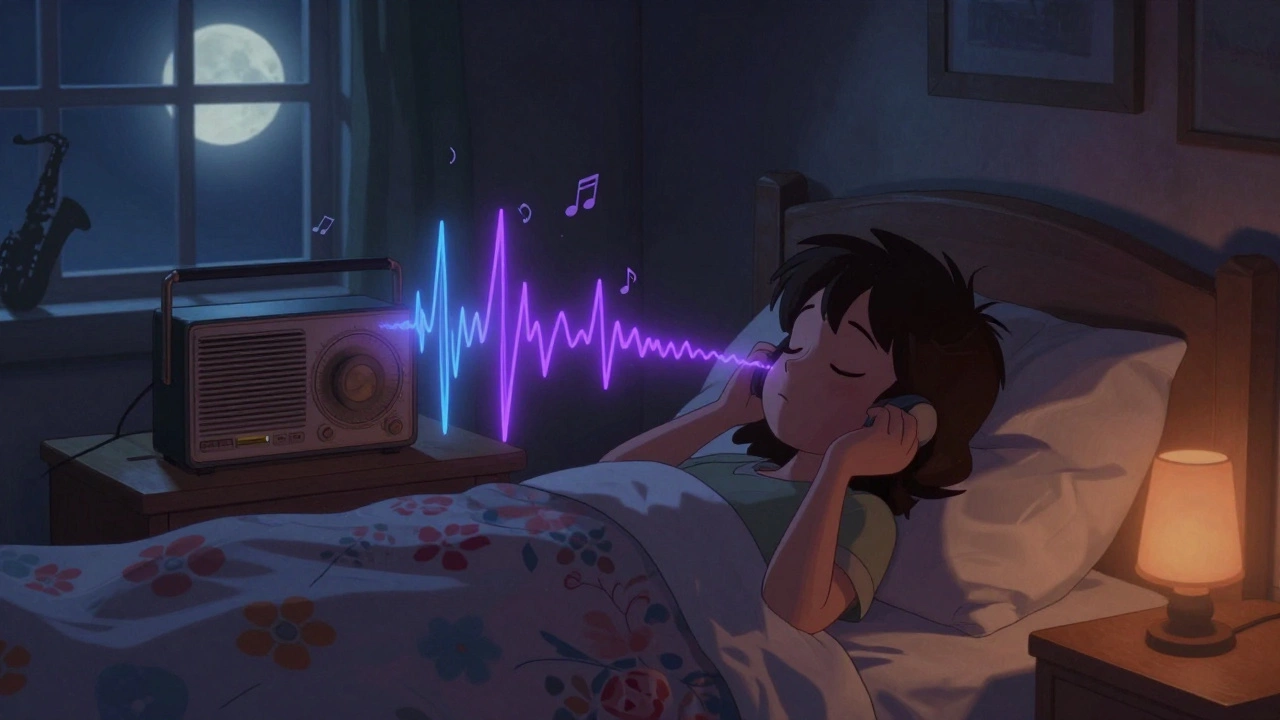

Picture this: It’s 1984. You’re lying in bed, maybe waiting for a phone call that matters, or just trying to unwind after a long shift. You flip on the radio, expecting the usual high-energy funk or the chatter of daytime talk shows. Instead, you hear a soft-spoken voice. A saxophone swells. Then comes a smooth, romantic ballad that feels like it was written specifically for your mood. This wasn’t just background noise; it was an experience. Welcome to the world of quiet storm, the radio format that defined late-night listening in the 1980s.
If you grew up with soul and R&B, you know the vibe. But quiet storm was more than just a playlist of slow songs. It was a cultural phenomenon, a carefully crafted atmosphere created by visionary DJs who understood that music could be intimate, personal, and deeply emotional. In the 1980s, this format peaked, capturing the hearts of upscale, mature African-American audiences across the country. Let’s look back at how it started, who made it happen, and why it still resonates today.
The Birth of a Format: Melvin Lindsey and WHUR
Every revolution has a spark. For quiet storm, that spark was Melvin Lindsey, a young DJ at Howard University’s WHUR-FM 96.3 in Washington, D.C.. In 1976, Lindsey, barely 19 years old, debuted a show called "The Quiet Storm." He didn’t invent slow R&B-artists had been making romantic ballads for decades. But he did something different: he curated an atmosphere.
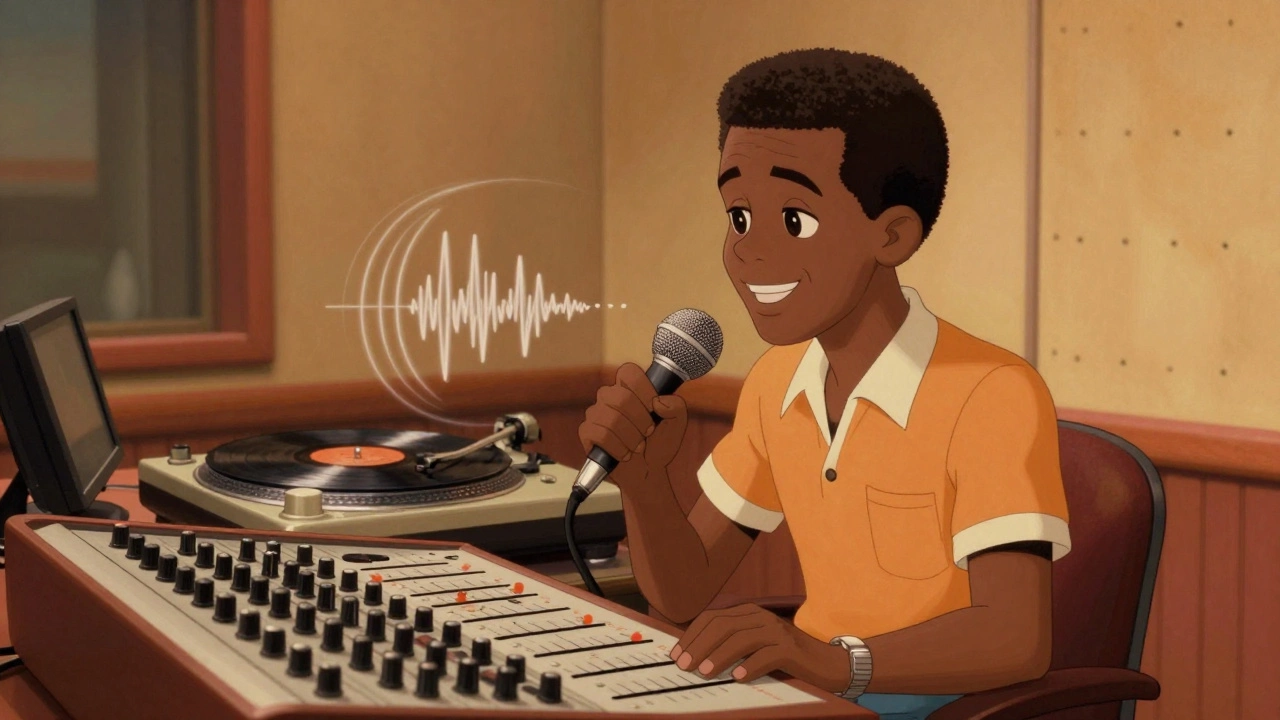
Lindsey named his show after Smokey Robinson’s 1975 album and hit single, "A Quiet Storm." That track, with its lush strings and mid-tempo groove, became the sonic blueprint for the entire format. Lindsey realized that late-night listeners weren’t looking for hype or dance tracks. They wanted connection. So, he built a show around low-key microphone techniques, soft-spoken breaks, and extended song segues. There was no shouting, no rapid-fire station IDs. Just music, minimal talk, and a sense of intimacy that felt like a private conversation.
This approach was radical for urban contemporary radio at the time. Most stations targeted teenagers with high-energy funk and disco. Lindsey, however, saw an untapped audience: adults who wanted sophistication and romance. By focusing on mellow soul, soft funk, and jazz-tinged R&B, he created a niche that advertisers loved because it reached higher-income demographics. His innovation wasn’t just about the records; it was about the feeling they evoked.
The 1980s Peak: Expansion and Iconic DJs
By the early 1980s, quiet storm had exploded beyond Washington, D.C. What started as a local university program became a national template. Urban contemporary stations in major cities like New York, Chicago, and Los Angeles adopted the format, recognizing its power to capture late-night listeners. The term "quiet storm" became generic shorthand for a specific blend of slow R&B and romantic presentation, even when individual programs used different branded titles.
In the New York tri-state market, Vaughn Harper at WBLS-FM became one of the most iconic voices of the era. Alongside co-host Champaine, Harper helmed the station’s "graveyard" program (a radio industry term for the overnight slot). Harper brought a hushed, resonant delivery that perfectly matched the mood of the music. He tailored the show to the sensibilities of listeners tuning in after midnight, creating appointment listening for couples, professionals, and anyone seeking solace in the night.
DJs in the quiet storm format were not just announcers; they were curators, narrators, and companions. Their personas were as important as the records they played. Listeners tuned in for the host’s voice as much as for the music. This human element created a loyal community. When Vaughn Harper spoke, you listened. When Melvin Lindsey introduced a track, you felt seen. These hosts understood that their role was to frame the music, not overshadow it.
| DJ / Host | Station / Market | Contribution |
|---|---|---|
| Melvin Lindsey | WHUR-FM (Washington, D.C.) | Created the format in 1976; pioneered the slow-jam approach and intimate on-air style. |
| Vaughn Harper | WBLS-FM (New York) | Brought the format to a major market; co-hosted with Champaine; defined the NYC quiet storm sound. |
| Smokey Robinson | Motown Records | Provided the namesake track "A Quiet Storm" (1975); his sound influenced the genre’s aesthetic. |
The Soundtrack: Playlists and Musical Characteristics
What exactly did a quiet storm playlist sound like? Musically, it revolved around slow to mid-tempo R&B ballads, typically between 70 and 90 beats per minute. The instrumentation was key: lush string arrangements, electric piano (often Rhodes), saxophone solos, and soft rhythm-section grooves. The goal was polish and emotion. Raw, gritty blues or aggressive funk didn’t fit here. Instead, the focus was on vocal prowess and lyrical depth.
Artists like Luther Vandross, Teddy Pendergrass, and Anita Baker were staples. Their voices were instruments of tenderness. But the playlist also included crossover hits and emerging talents. Michael Jackson’s "The Lady in My Life" from his 1982 album *Thriller* found a home on quiet storm shows, proving that even pop superstars could contribute to the genre’s romantic canon. George Michael’s "Careless Whisper" (1984) was another perfect fit, blending pop appeal with R&B sensuality.
Here are some tracks that defined the 1980s quiet storm experience:
- Rene & Angela - "You Don’t Have to Cry": A mid-80s classic with soaring vocals and a heartbreaking melody.
- Ready for the World - "Tonight": Smooth, sophisticated, and ideal for late-night driving.
- Johnny Gill - "Second Chance": Showcased the new generation of R&B crooners.
- Whitney Houston - "Saving All My Love for You": Before she became a global pop icon, her early ballads were quiet storm favorites.
- Marvin Gaye - "Sexual Healing": Bridging the gap between 70s soul and 80s smoothness.
These songs weren’t just played randomly. DJs arranged them in long "sweeps" of 20-30 minutes, allowing the music to flow seamlessly. Breaks were rare and brief, often limited to back-announcing several songs or reading dedications. This structure encouraged listeners to treat the radio as a background soundtrack for romance, study, or contemplation.
Demographics and Cultural Impact
Quiet storm was marketed primarily to upscale, mature African-American audiences, typically aged 25-54. This demographic focus shaped every aspect of the format. Advertisers knew they were reaching people with disposable income-professionals, homeowners, and established couples. Unlike daytime programming, which targeted teens and young adults, quiet storm respected the listener’s intelligence and emotional maturity.
Culturally, the format provided a space where Black romance and interiority could be centered on the airwaves. At a time when mainstream media often stereotyped Black culture, quiet storm offered a counter-narrative: one of elegance, vulnerability, and sophistication. It validated the experiences of Black adults who wanted to hear their stories reflected in music and media. This representation was powerful. It wasn’t just about entertainment; it was about identity.
The format’s success also influenced the broader music industry. Record labels began producing more slow jams, knowing there was a dedicated market for them. Artists who might have been overlooked on uptempo charts found fame through quiet storm rotation. This economic incentive helped sustain the genre throughout the 1980s and into the 1990s.
Why Quiet Storm Faded (and Why It Lives On)
By the 1990s, quiet storm began to lose younger listeners. Hip-hop, new jack swing, and beat-driven R&B captured the attention of the next generation. The slow, reflective pace of quiet storm felt dated to teens who wanted energy and attitude. Stations gradually shifted their daytime playlists to accommodate these trends, pushing quiet storm further into the graveyard slots or eliminating it altogether.
However, the format never truly died. It evolved. Today, quiet storm exists as a heritage and nostalgia format. Specialty shows, syndicated slow-jam blocks, web radio, and user-curated streaming playlists keep the spirit alive. On Spotify, playlists like "Quiet Storm (80s, 90s, 00s R&B/Slow Jams)" have tens of thousands of saves, indicating a strong long-tail audience. Mixcloud and YouTube host countless mixes labeled "Old School 80s RnB Quiet Storm," attracting listeners who crave that authentic late-night vibe.
For many, quiet storm remains a comforting ritual. It’s the sound of coming home, of winding down, of remembering a simpler time. The core aesthetic-smooth, romantic, jazz-influenced R&B-remains stable, even as distribution technologies change. The legacy of Melvin Lindsey and Vaughn Harper endures in every seamless segue and soft-spoken dedication.
Recreating the Experience: Tips for Modern Listeners
Want to bring the 1980s quiet storm experience into your life? Here’s how to do it authentically:
- Curate Your Playlist Carefully: Stick to slow to mid-tempo R&B ballads from the late 1970s through late 1980s. Avoid uptempo tracks or heavy bass lines. Focus on artists like Luther Vandross, Teddy Pendergrass, Sade, and Freddie Jackson.
- Set the Mood: Quiet storm is best enjoyed in the evening, ideally between 10 p.m. and 2 a.m. Dim the lights, put away distractions, and let the music fill the room.
- Minimize Interruptions: If you’re hosting a listen-along session, keep your commentary minimal. Use a soft voice, avoid sudden noises, and allow songs to bleed into each other. The goal is immersion, not information.
- Explore Digital Archives: Check out platforms like Mixcloud for DJ sets that mimic the original radio style. Look for mixes labeled "Late Night Classic 80s R&B" or "Quiet Storm Sundowner."
- Engage with the Community: Join online forums or social media groups dedicated to old-school R&B. Share your favorite tracks and discover new gems from the era.
Quiet storm isn’t just a genre; it’s a mindset. It invites you to slow down, reflect, and connect with your emotions. In a fast-paced world, that’s a rare and valuable gift.
Who invented the quiet storm radio format?
Melvin Lindsey, a DJ at Howard University’s WHUR-FM in Washington, D.C., created the quiet storm format in 1976. He named it after Smokey Robinson’s 1975 song "A Quiet Storm" and pioneered the intimate, slow-jam style that defined the genre.
What kind of music was played on quiet storm radio?
Quiet storm featured smooth, romantic, jazz-influenced R&B ballads. Typical tempos ranged from 70 to 90 BPM, with lush string arrangements, electric piano, and soft rhythms. Artists like Luther Vandross, Teddy Pendergrass, and Anita Baker were staples.
When did quiet storm peak in popularity?
Quiet storm peaked in popularity during the 1980s. It expanded from a local Washington, D.C. program to a nationwide format on urban contemporary stations, capturing the attention of mature African-American audiences.
Who were some famous quiet storm DJs?
Melvin Lindsey is credited as the pioneer. Other notable hosts include Vaughn Harper and Champaine at WBLS-FM in New York, who popularized the format in the tri-state area with their late-night graveyard shows.
Is quiet storm still popular today?
While it declined among younger audiences in the 1990s, quiet storm lives on through digital platforms. Streaming playlists, web radio, and specialty shows continue to attract listeners who appreciate the nostalgic, intimate vibe of 80s R&B slow jams.