
Some of the most iconic albums in history were almost never finished. Behind the polished tracks and legendary status lies a messy reality of shouting matches, ego clashes, and financial disputes between artists and their producers. You might think these records came together through pure harmony, but often they survived because two stubborn people refused to back down.
The relationship between a record producer is the person who oversees and manages the recording process, shaping the sound and sometimes the arrangements, performances, and song choices for a project and an artist is rarely simple. It is a power struggle over vision, money, and control. When this tension hits the right balance, it creates magic. When it fails, it destroys careers. Understanding this dynamic helps explain why classic albums sound the way they do-and why the music business is structured so rigidly around these roles.
The Power Imbalance in the Studio
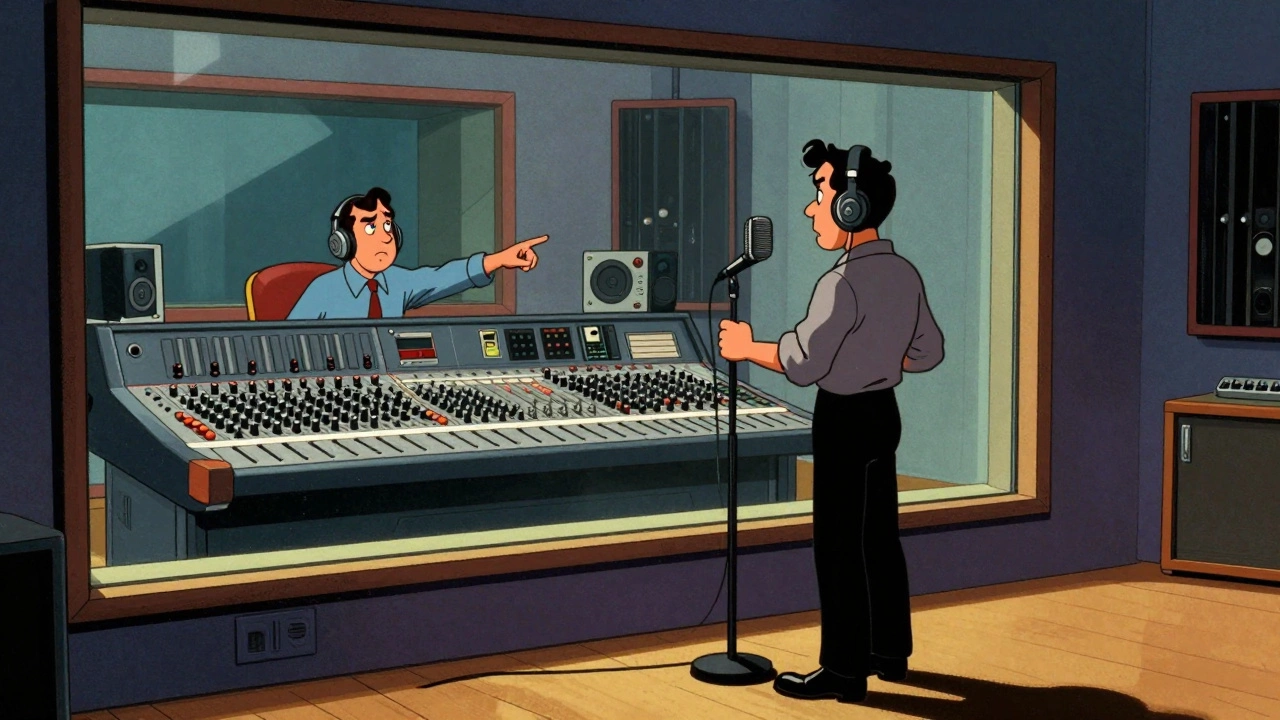
To understand the conflict, you have to look at where everyone sits. In a traditional recording studio, the architecture itself creates a hierarchy. The producer and engineer sit in the control room, behind glass, with their hands on the mixing console and digital audio workstation (DAW). The artist stands in the live room, isolated, wearing headphones, waiting for permission to speak.
This setup isn't accidental. Academic research into studio dynamics describes this as a "divide and conquer" structure. The producer controls what the artist hears in their ears. They decide which takes are kept, when a performance is "good enough," and how the final mix sounds. The artist must use a talkback microphone to request playback or ask questions. This physical separation reinforces the producer's authority. Even if the artist wrote every word of the song, the producer holds the technical keys to its existence as a recorded product.
This imbalance became formalized in the mid-20th century. Figures like George Martin and Phil Spector established the producer not just as a technician, but as a co-author of sound. By the 1960s, producers had significant influence over repertoire, arrangements, and overall sonic vision. This shift meant that artists could no longer simply document their live performances; they had to negotiate their identity with someone else in the room. That negotiation is the root of most creative tension.
Money, Rights, and the Royalty Trap
Creative disagreements are often fueled by financial misunderstandings. The music industry splits ownership into two main categories: sound recording copyrights (masters) and musical composition copyrights (publishing). Confusion between these two is a primary source of resentment.
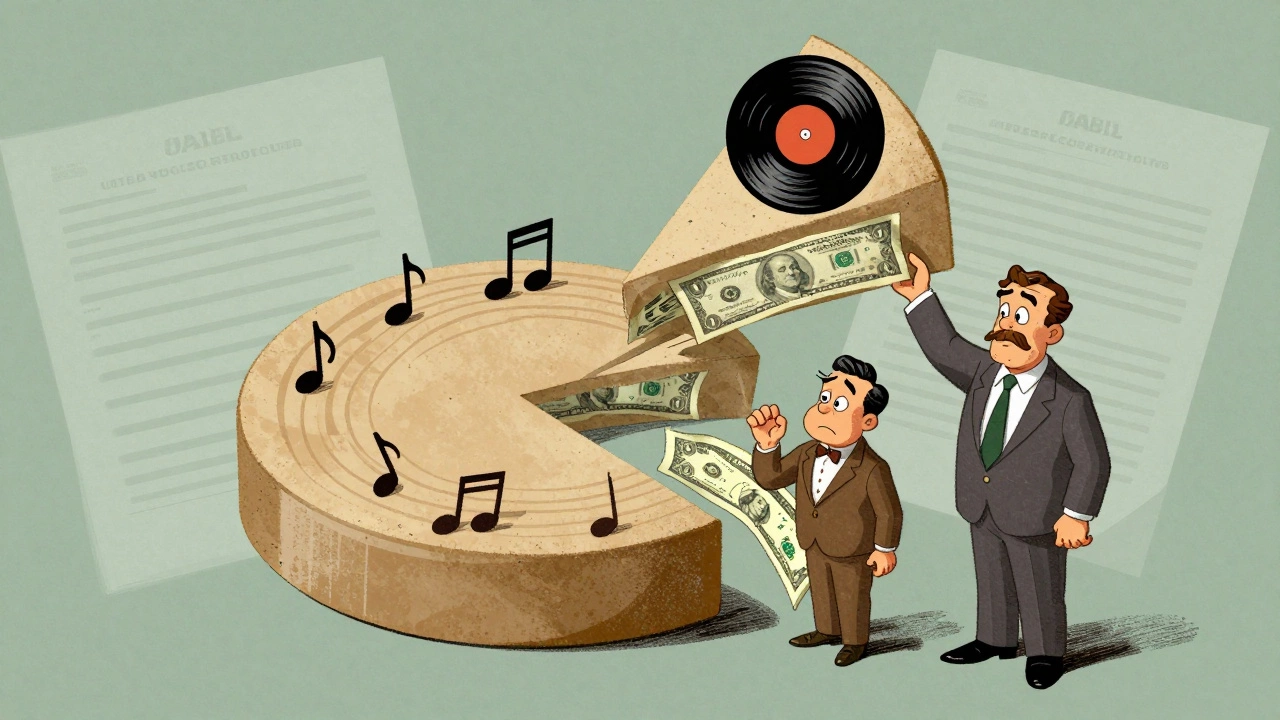
In a typical major-label deal, the label retains about 80% of master royalties, while the artist receives roughly 20%. The producer is usually granted a "producer royalty" of approximately 4% of the master. Here is the kicker: that 4% typically comes out of the artist’s 20% share. So, the artist ends up with 16%, the producer gets 4%, and the label keeps 80%. Artists often feel squeezed when they realize their producer is earning from their own cut.
| Party | Percentage of Master Income | Notes |
|---|---|---|
| Record Label | 80% | Retains majority share after recoupment |
| Artist | 16% | Original 20% minus producer points |
| Producer | 4% | Paid from within artist’s share |
On the publishing side, if the artist writes the lyrics and the producer creates the beat or musical bed, a 50/50 split of composition income is common. However, many artists mistakenly believe that buying a beat exclusively means they own 100% of everything. In reality, they usually only buy the master rights to that specific recording. The producer almost always retains their composition share. This misunderstanding leads to bitter disputes when hits emerge, and artists feel cheated because they didn’t grasp the legal distinction between owning a track and owning the song.
Recoupment: The Silent Conflict Driver
Financial pressure intensifies creative friction through the mechanism of recoupment. When an artist signs with a label, they receive an advance to cover recording costs. This advance is not free money; it is a loan that must be paid back from future royalties before the artist sees any net income.
Studio time, producer fees, and even producer royalties are charged against the artist’s account. If an artist wants to experiment with expensive production ideas or hire a high-profile producer, they increase their recoupable balance. This means every creative decision has a financial consequence. Artists may perceive producers as extensions of label power, especially when labels insist on particular producers for commercial reasons. If a producer pushes for more takes or additional overdubs, the artist pays the price in delayed earnings. This dynamic turns artistic disagreements into survival issues.
Creative Tension vs. Destructive Conflict
Not all conflict is bad. In fact, some of the best work comes from productive disagreement. Working producers describe their job as balancing the artist’s personal vision with market expectations. Sometimes, artists favor indulgent or experimental choices that clutter the mix or weaken the song’s impact. A skilled producer will push back, suggesting simplified arrangements, fewer overdubs, or different vocal approaches.
Experienced producers know that overt confrontation rarely works. Instead, they use persuasion and psychology. One veteran producer noted that the best producers can "almost trick an artist into agreeing with them on direction." They offer alternatives, demonstrate ideas quickly in the DAW, and frame suggestions as collaborative discoveries rather than corrections. This facilitative style reduces resistance while still guiding the project toward a stronger outcome.
However, when trust breaks down, tension becomes destructive. If a producer insists on their signature sound regardless of the artist’s genre or intent, the artist can feel reduced to a session player on their own album. This leads to long-term resentment and broken relationships. The key difference lies in whether the disagreement is about the song or about ego. Successful collaborations prioritize the music; failed ones prioritize winning the argument.
Modern Shifts: Remote Work and Self-Production
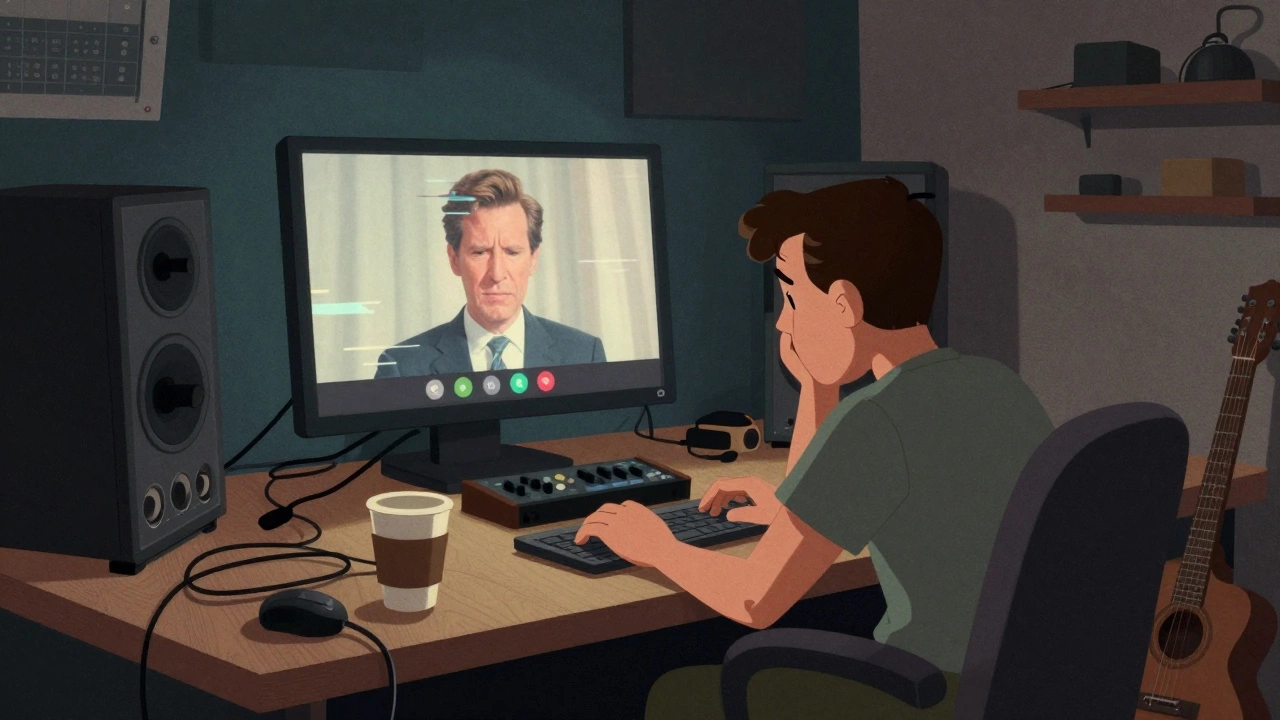
The landscape of producer-artist conflict is changing. Affordable digital audio workstations and home-studio setups allow more artists to self-produce. This blurs the line between artist and producer, reducing direct interpersonal conflict but concentrating all creative pressure on one person. Without a second set of eyes, artists may lack the objective feedback needed to refine their work.
Remote collaboration also alters the nature of disagreement. Instead of face-to-face arguments in the studio, conflicts now happen via email chains and revision notes. The lack of non-verbal communication can make criticism feel harsher and less nuanced. Misunderstandings about tone and intent become more common, requiring clearer written agreements and more deliberate communication strategies.
In hip-hop and electronic music, beat leasing and online collaborations have introduced new complexities. Artists often start with non-exclusive licenses for beats, then move to exclusive purchases as they grow. Yet, as mentioned earlier, these purchases rarely include full publishing rights. Producers frequently discover hits built on their beats without proper accounting or credit. These flashpoints highlight the need for transparent contracts and clear definitions of rights from the very beginning of the relationship.
Best Practices for Navigating Studio Dynamics
If you are an artist or producer looking to harness creative tension without destroying your working relationship, clarity is essential. Start with detailed contracts that spell out fees, royalty points, publishing splits, and ownership of masters and compositions. Explicitly state whether the producer’s upfront fee is recoupable and from whose share. Avoid assumptions; write everything down.
During sessions, give artists meaningful control moments. Let them choose between multiple mixes or arrangement options. This counterbalances the structural power producers hold through technical control. Ask questions instead of issuing directives. Frame feedback as curiosity rather than correction. And always recognize when an argument is about ego versus the song. If it’s about ego, step back. If it’s about the song, keep pushing.
Finally, maintain transparent accounting and prompt crediting practices. Financial disputes overshadow creative pride. When both parties feel fairly compensated and recognized, the shared achievement of completing an acclaimed recording becomes a bond rather than a battleground.
Why do producers get royalties from the artist's share?
In standard major-label contracts, the producer's royalty points (typically 4%) are deducted from the artist's master royalty percentage (usually 20%). This structure ensures the label retains the majority of income while compensating the producer for their creative contribution. Artists often resent this because it reduces their already small cut, but it reflects the producer's role in shaping the final recording.
Does buying a beat exclusively mean I own the song?
No. Buying a beat exclusively typically grants you master rights to that specific recording, meaning no one else can use that exact instrumental. However, it does not transfer publishing rights. The producer usually retains 50% of the composition copyright unless explicitly assigned otherwise in writing. Most producers never sell 100% of their publishing share.
How does studio architecture affect producer-artist relationships?
The physical separation between the control room and live room creates a power imbalance. Producers control the technology, monitoring, and playback, while artists are isolated and dependent on the talkback system. This spatial arrangement reinforces the producer's authority and can make artists feel excluded from technical decisions, leading to feelings of being overruled.
What is recoupment and why does it cause conflict?
Recoupment is the process where an artist's advance and recording costs are paid back from their future royalties before they earn net income. Producer fees and studio expenses increase the recoupable balance, meaning creative decisions have direct financial consequences. Artists may resist producer suggestions if they fear increasing their debt to the label, turning artistic debates into financial survival issues.
Can creative tension lead to better albums?
Yes, when managed well. Productive tension occurs when producers challenge artists to improve their work, such as simplifying arrangements or refining vocals. Skilled producers use persuasion rather than confrontation, helping artists see improvements without triggering defensiveness. Many classic albums resulted from intense negotiations where both parties pushed each other to higher standards.