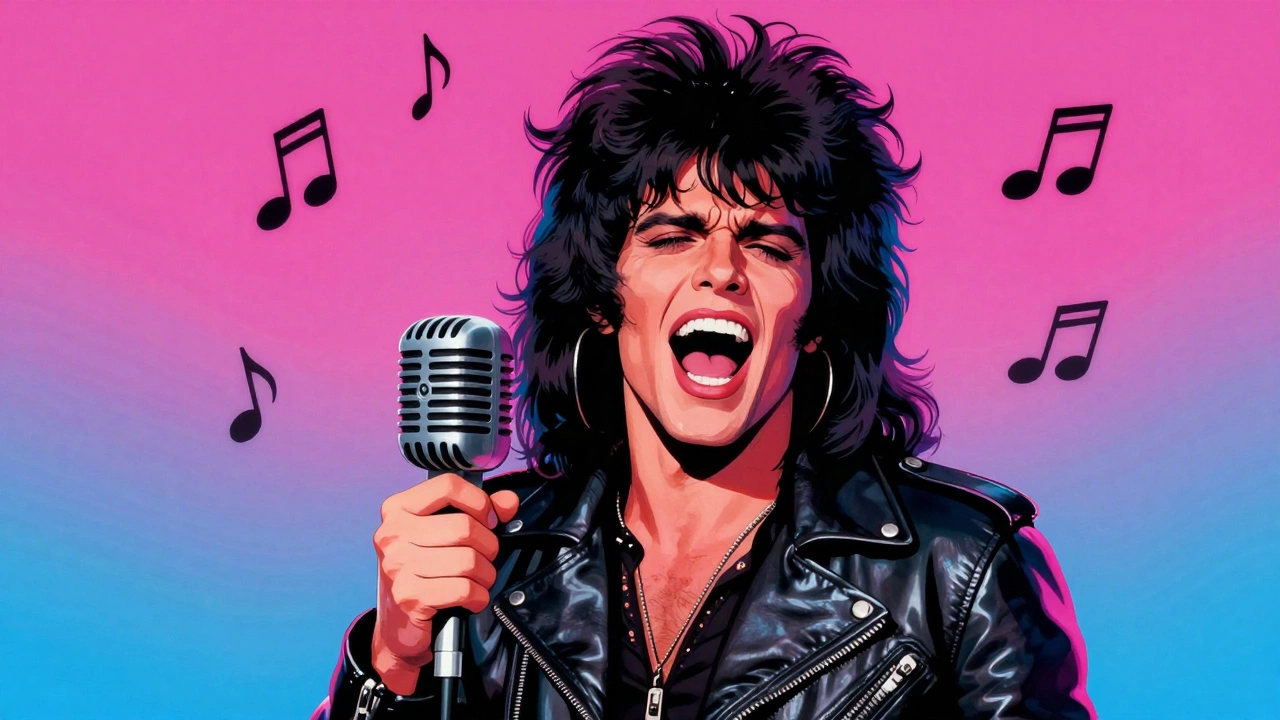

The secret sauce of these tracks was their ability to bridge the gap between the gritty dive bar and the suburban living room. By slowing down the tempo but keeping the volume high, bands created a crossover appeal that worked on both rock stations and adult contemporary radio. This strategy transformed the power ballads of the era into commercial juggernauts, ensuring that a song could be a hit with teenage angst and middle-aged nostalgia all at once.
The Blueprint of an 80s Chart-Topper
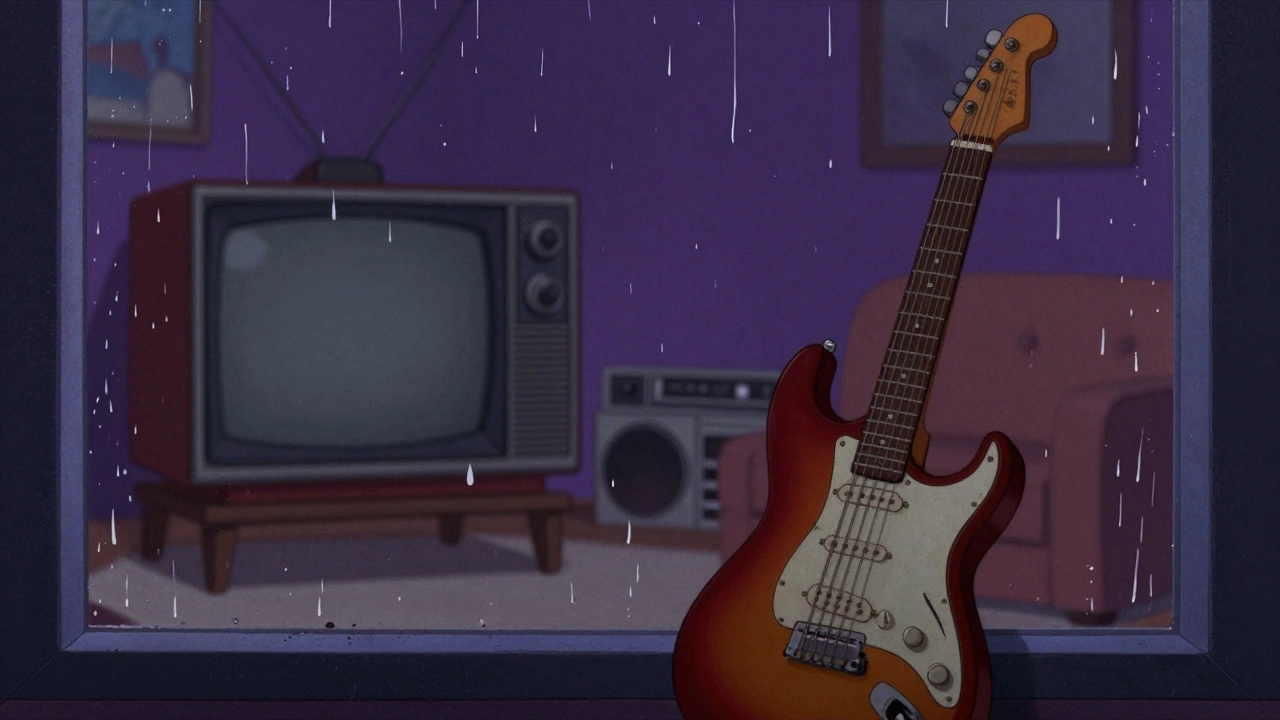
What actually made these songs work? It wasn't just the slow tempo. A successful power ballad followed a specific emotional arc: it usually started with a lonely piano or a clean electric guitar, built tension through a steady rise in vocal intensity, and exploded into a final chorus backed by crashing drums and a screaming guitar solo. This structure made them perfect for MTV is the first music video network that visually defined the aesthetic of the 1980s, where dramatic slow-motion shots and rainy windows could amplify the song's mood.
Take a look at the high-flyers of 1985. You had Foreigner with "I Want To Know What Love Is" and REO Speedwagon with "Can't Fight This Feeling." These weren't just songs; they were events. They utilized massive production values that made the music feel larger than life. Even bands that were known for a harder edge, like Def Leppard with "Love Bites" or Guns N' Roses with "Patience," realized that stripping back the noise allowed their songwriting to shine in a way that attracted millions of new listeners.
| Artist | Song Title | Key Attribute | Chart Significance |
|---|---|---|---|
| Boston | "Amanda" | Delayed Release | Peaked at #1 in U.S. |
| Heart | "These Dreams" | Crossover Appeal | #1 on Hot 100 & AC Charts |
| Sheriff | "When I'm With You" | Slow Burner | #1 (hit years after release) |
| Foreigner | "I Want To Know What Love Is" | Vocal Power | Global Chart Dominance |
The Strange Path to Number One
Chart success in the 80s wasn't always a straight line. Some of the biggest power ballads actually took a detour before hitting the top. Consider Boston and their hit "Amanda." Written by Tom Scholz in 1980, the song didn't follow a standard release path. A satellite mishap actually leaked a version to radio stations in 1984, causing unplanned airplay that built a massive organic demand long before the official 1986 release. It proves that if a song had the right emotional hook, the audience would find it regardless of the label's plan.
Similarly, the band Sheriff experienced a weird timeline with "When I'm With You." It first hit the Billboard Hot 100 is the main music chart in the US that ranks the most popular songs of the week in 1983, but it only crawled to number 61. Fast forward to 1988, when radio programmers in Minneapolis and Milwaukee started spinning it again. The song suddenly caught fire and climbed to number 1 by February 1989. This suggests that the appetite for the power ballad sound actually grew as the decade progressed, rather than fading away.
Beyond the Hard Rock Crowd
While we usually associate these songs with leather jackets and long hair, the power ballad formula bled into almost every corner of the music industry. It wasn't just for the "hair bands." Pop icons like Madonna used the format for "Crazy For You," proving that the slow-build emotional payoff worked for dance-pop stars too. Even artists like Tina Turner and Pat Benatar utilized these structures to showcase their vocal range and emotional depth.
This versatility is why you still see these songs on wedding playlists today. Whether it's "More Than Words" by Extreme or "The Flame" by Cheap Trick, these tracks provide a level of drama and sincerity that is hard to replicate in modern pop. They aren't just nostalgia; they are masterclasses in songwriting that focus on the most basic human experience: longing.
The Legacy of the Big Number
The influence of the 80s power ballad didn't end when the decade did. The production techniques-the gated reverb on the drums, the layered backing vocals, and the strategic use of the electric guitar-set a standard for how emotional songs were recorded for years. Even in the 90s, the DNA of the 80s ballad remained in the grunge era's slower tracks. The shift toward emotionally expressive rock music moved the needle for the entire industry, making it acceptable for "tough" rock stars to be vulnerable on a global stage.
Today, platforms like Spotify keep the flame alive with curated playlists of "classic slow songs." These collections often mix synth-pop serenades with heavy rock ballads, showing that the listener's intent isn't necessarily about the genre, but the mood. The "big numbers" on the charts in the 80s were a reflection of a cultural moment where we wanted our music to feel as huge as the hair and as bold as the shoulder pads.
What defines a power ballad?
A power ballad is a slow-tempo rock song that builds in intensity. It typically features a soft start (often piano or acoustic guitar), emotional lyrics about love or loss, and a powerful climax with distorted electric guitars and soaring vocals.
Why were they so popular in the 1980s?
They had massive crossover appeal. By blending hard rock energy with melodic, accessible songwriting, these tracks appealed to both traditional rock fans and a wider mainstream audience, allowing them to chart on both rock and adult contemporary lists.
Which bands were the kings of the power ballad?
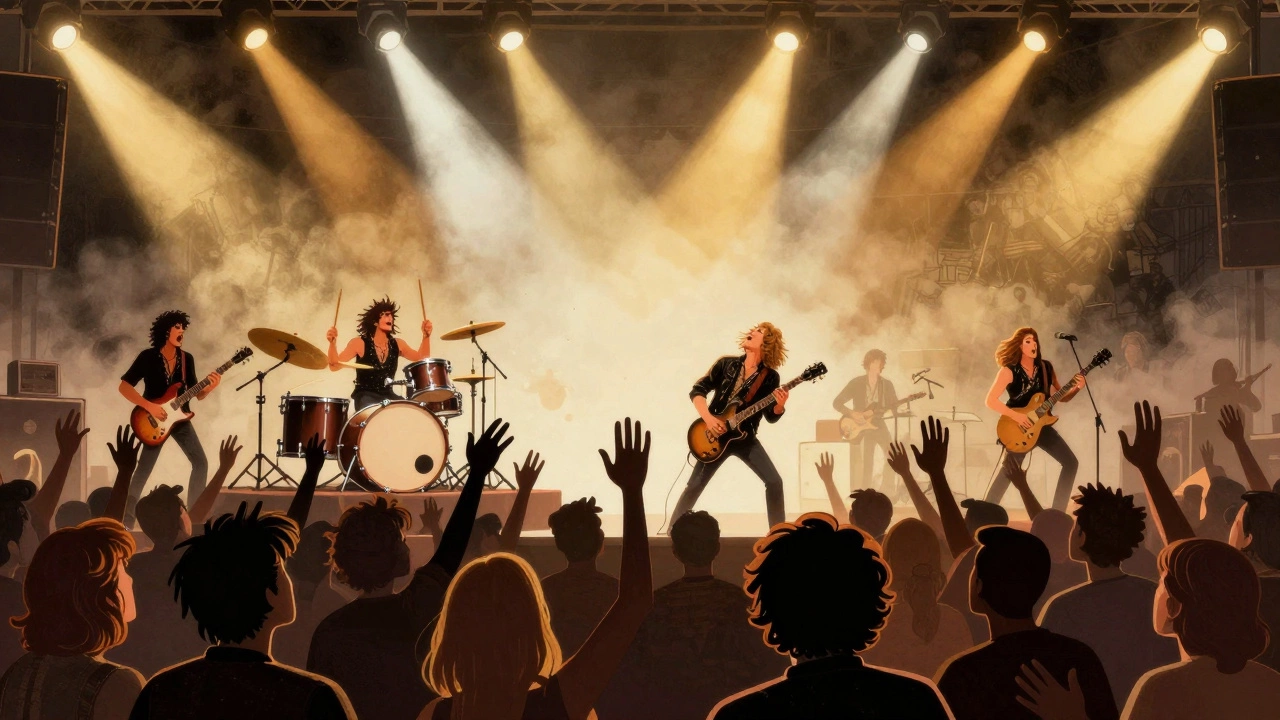
Bands like Foreigner, REO Speedwagon, Heart, and Def Leppard were central to the movement. They perfected the art of the "stadium ballad," creating songs that felt intimate yet could fill an entire arena.
Did power ballads exist before the 80s?
Yes, the elements existed earlier. For example, the Scottish band Nazareth had a hit with a power ballad style in the mid-70s, though it took a while to find its footing in the US. The 80s simply refined the formula and scaled it for maximum commercial success.
How did MTV influence the success of these songs?
MTV provided a visual dimension to the emotionality of the songs. Dramatic music videos helped artists project a specific mood-often involving yearning or heartbreak-which deepened the audience's connection to the track and drove sales.


