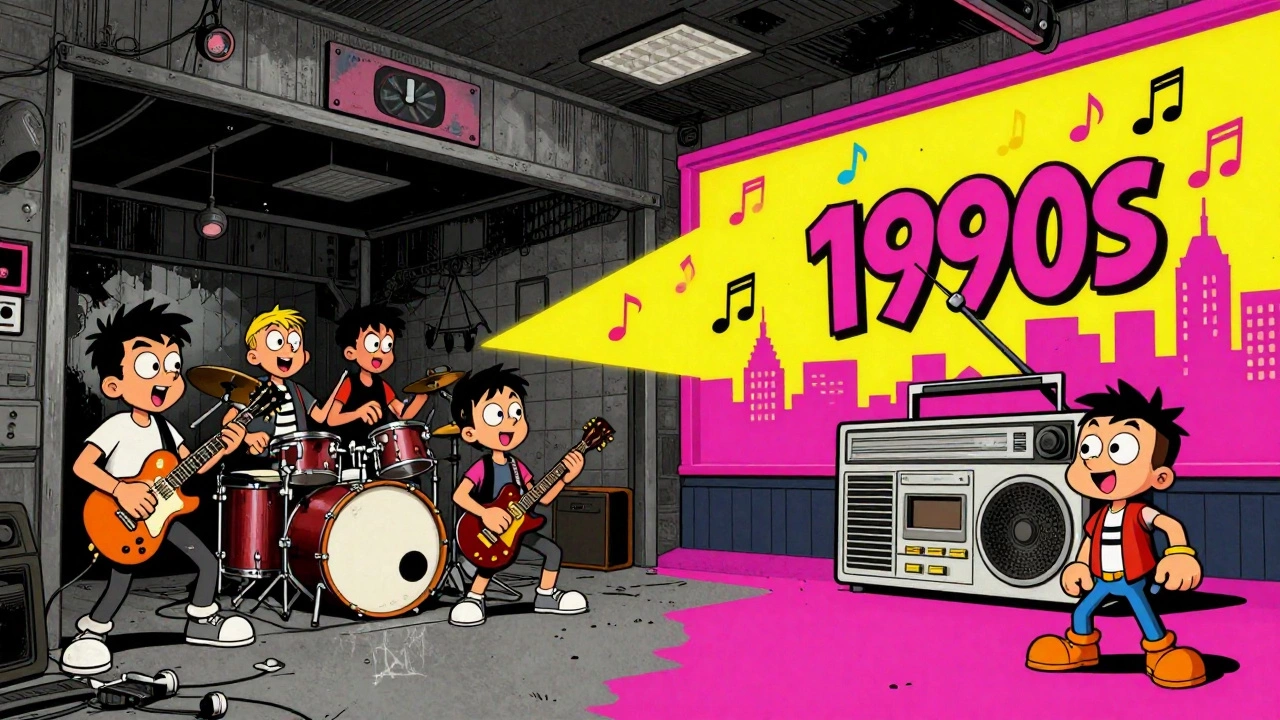

Ever wonder why 90s pop punk songs all seem to have that same high-energy, "in-your-face" sound? It wasn't an accident. It was a calculated move to hijack the airwaves. While early punk was about tearing things down, the pop punk radio strategy of the 1990s was about building a bridge from underground garages to the top of the Billboard charts. It turned a rebellious subculture into a polished product that could fit perfectly between a Top 40 hit and a grunge anthem.
The Shift from Underground to Airwaves
Before the mid-90s, punk was mostly a niche. You had bands like Screeching Weasel, who with their 1991 album My Brain Hurts, created a template that blended fast tempos with catchy melodies. But for a long time, this sound lived on indie labels and small college stations. The game changed when the industry realized that the angst of punk could be packaged with the sweetness of pop.
The real turning point happened in 1993. This was the year Green Day and Bad Religion signed to major labels. They didn't just change their distributors; they changed their target. By the time grunge started to lose its grip on the public's imagination in 1994, pop punk was ready to slide into that gap. It offered the same raw energy as Nirvana but with a brightness that made it feel less like a funeral and more like a summer party.
The Power of the "Radio-Friendly Sheen"
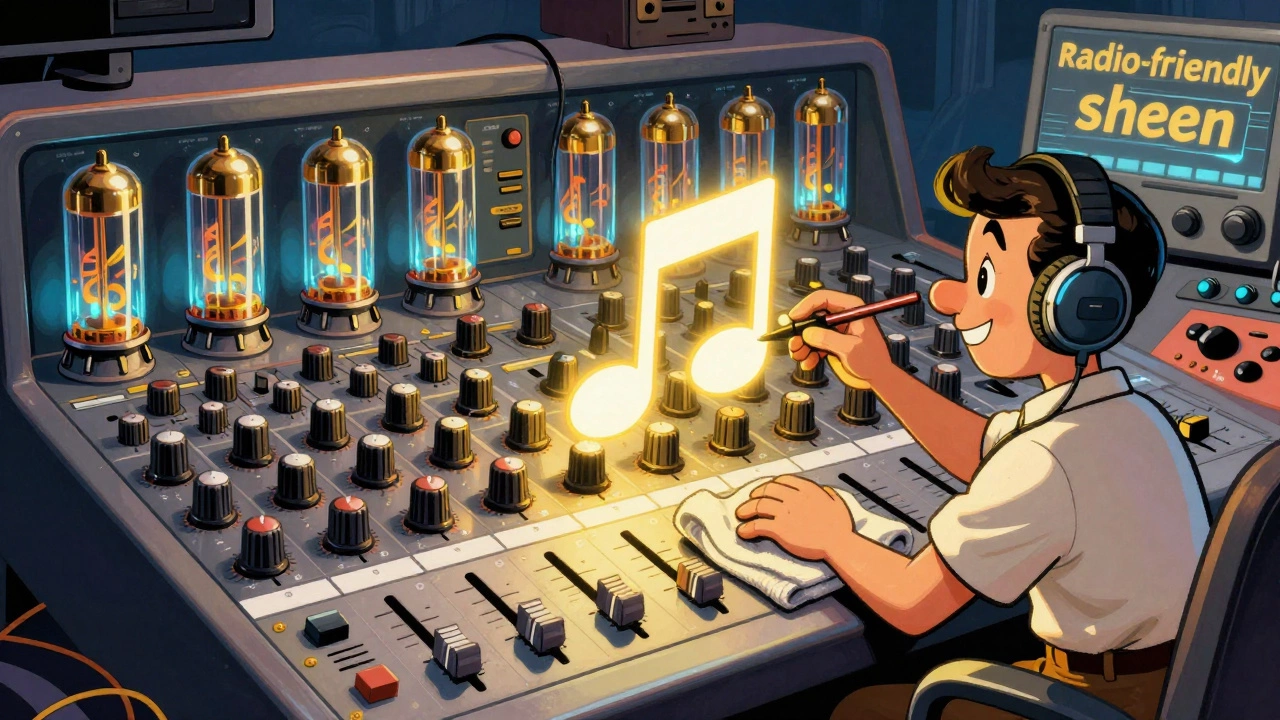
If you listen to a raw punk demo from 1985 and then listen to a hit from 1999, the difference is the "sheen." This was the core of the commercial strategy. Producers stopped burying the vocals in a wall of noise and started placing them front and center in the midrange. They wanted the singer's voice to be crystal clear, even through a tiny car radio speaker.
The guitars weren't just distorted; they were compressed and bright. Cymbals were mixed to "sizzle," adding a sense of urgency and high-end energy that demanded attention. This production style wasn't about artistic purity-it was about compatibility. The goal was to ensure the song sounded just as loud and exciting as the pop tracks surrounding it on a playlist, preventing the listener from changing the station the moment the "punk" part kicked in.
| Feature | Underground Punk | Radio Pop Punk |
|---|---|---|
| Vocal Mix | Recessed / Raw | Front & Center / Polished |
| Guitar Tone | Muddy / Lo-fi | Bright / Compressed |
| Song Structure | Experimental / Loose | Strict Verse-Chorus-Bridge |
| Target Audience | Subculture Insiders | Mainstream Teens |
The Single-First Sequencing Model
Labels in the 90s didn't just release an album and hope for the best. They used a very specific sequencing and timing strategy. The first single had to be an "earworm"-a track with a hook so simple that you could hum it after one listen. This acted as the hook to pull listeners toward the full album. A classic example of this is Blink-182 and their album Enema of the State. The track "All the Small Things" wasn't just a song; it was a strategic weapon that peaked at number six on the Billboard Hot 100, paving the way for the rest of the record to sell millions of copies.
Once the lead single broke through, the sequencing of the album was designed to maintain that momentum. You'd typically find the high-energy, radio-ready tracks at the start of the album to grab the listener's attention immediately. The "deeper cuts" or slower songs were tucked into the middle, while the album usually ended on another high note to leave the listener wanting to hit repeat. This kept the energy high and reinforced the brand of the band as "fun" and "fast."
Synergy Between MTV and FM Radio
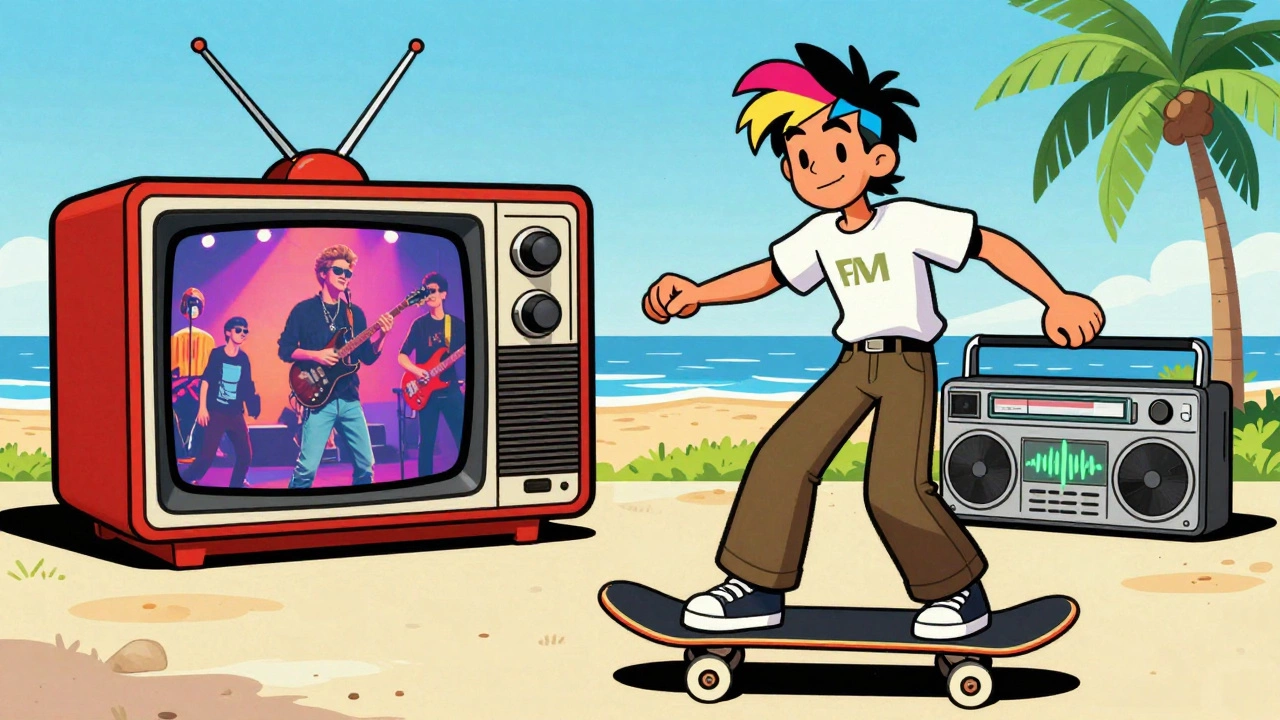
You can't talk about 90s radio without talking about MTV. In the 90s, radio and television worked in a feedback loop. A song would get a few spins on a tastemaker station like KROQ-FM in Los Angeles, which signaled to MTV that the track was a hit. Once the music video hit heavy rotation on MTV, the demand for the song on national radio skyrocketed.
This synergy created an environment where bands like Sum 41, New Found Glory, and Good Charlotte became ubiquitous. They didn't just have hits; they had a visual identity-baggy pants, dyed hair, and skateboards-that made the music feel like a lifestyle. When a kid saw the video on TV and then heard the song on the radio on the way to school, the brand was sealed.
The Warped Tour Effect
While the radio provided the reach, the Warped Tour provided the legitimacy. Starting in 1995, this traveling festival became the ultimate proving ground. It allowed bands to build a massive, loyal fanbase in person, which then translated into "request-line" power at radio stations. When thousands of kids in a specific city are screaming for a band during a Warped Tour stop, the local radio PD (Program Director) takes notice.
This created a bottom-up and top-down pressure system. The labels pushed the polished singles from the top, while the tour pushed the raw energy from the bottom. By the time Avril Lavigne entered the scene in the early 2000s, the machinery was perfected. The transition from punk to pop was no longer a gamble; it was a formula.
Why was KROQ-FM so important for pop punk?
KROQ-FM in Los Angeles acted as a primary gateway. Because Southern California was the epicenter of the 90s pop punk scene, KROQ could break a band's popularity locally before the label pushed it to national syndication. If a song "worked" at KROQ, it was seen as a safe bet for other major markets.
What made the production of these songs "radio-friendly"?
The production focused on high-end brightness, meaning the treble was boosted to make the cymbals and vocals pop. They used heavy compression to ensure the volume remained consistent, which prevented the song from sounding "thin" when played alongside highly produced pop hits.
Did the radio strategy hurt the bands' credibility?
In the eyes of the original 80s punk scene, yes. The shift toward major labels and polished production was often seen as "selling out." However, this trade-off allowed the genre to reach millions of listeners who would have never stepped foot in a DIY punk club.
How did the timing of single releases work?
Labels typically released a high-energy "lead" single a few weeks before the album to build hype. Once the album dropped, they would stagger subsequent singles every 3-4 months, usually choosing tracks that maintained the energy of the first hit to keep the band in the radio rotation for as long as possible.
Was pop punk's success a result of grunge's decline?
Largely, yes. By 1994-1995, the heavy, brooding atmosphere of grunge was becoming saturated. Pop punk offered a brighter, more optimistic, and more energetic alternative that appealed to a younger demographic, making it the natural successor for mainstream radio.
Next Steps for Music Historians
If you're looking to dig deeper into how this era shaped modern music, start by comparing the production of early Green Day records with their later, more polished work. You'll hear the exact moment the "radio sheen" took over. You might also look into the history of the Warped Tour to see how the logistics of a touring festival can influence the commercial viability of a genre. For those interested in the business side, researching the transition of indie labels like Lookout! Records to major label deals provides a great case study on the economics of the punk revival.


