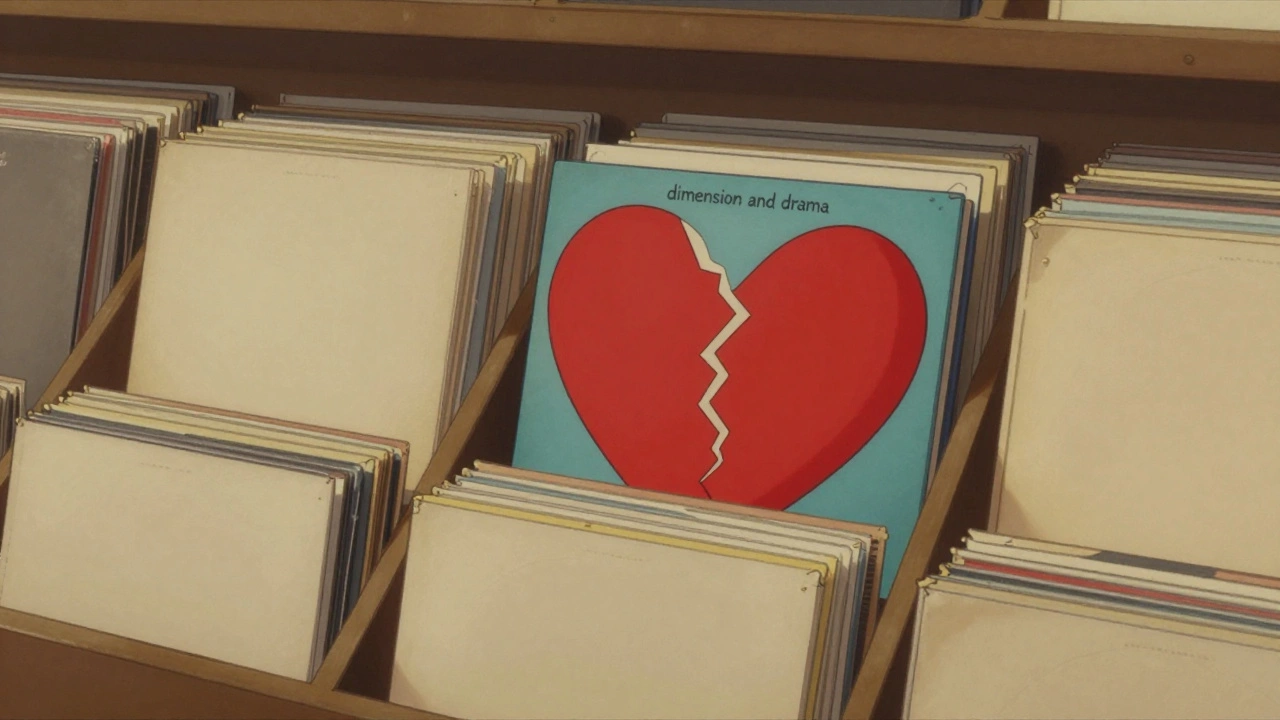

Think about the last time you bought a physical album. You probably didn't just buy the music; you bought an object. A piece of art that sits on your shelf. In 2026, with streaming dominating consumption, physical media is no longer just a utility-it's a collector's item. That shift has forced designers to rethink how we package music. Standard square sleeves are out. The new standard involves package design innovation using techniques like die-cuts, embossing, and unconventional materials.
These aren't just fancy decorations. They change how fans interact with the artist's work before they even press play. This guide breaks down exactly how these structural and tactile elements elevate album art from a simple container into a premium experience.
The Power of Shape: Understanding Die-Cutting in Music Packaging
Die-cutting is the process of using custom-shaped steel blades to cut precise shapes into paperboard or cardstock. For decades, albums were confined to squares or rectangles. Die-cutting shatters those boundaries. It allows the shape of the packaging to become part of the visual language of the album.
Imagine a concept album about broken relationships. Instead of a standard sleeve, the cover features jagged, irregular edges created by a custom die. Or think of a sci-fi themed record where the inner tray has circular windows revealing layers of artwork underneath. These structures create what designers call "dimension and drama." They force the consumer to handle the package differently, slowing down the unboxing process and increasing engagement.
| Feature | Standard Square Sleeve | Custom Die-Cut Structure |
|---|---|---|
| Visual Impact | Relies solely on print graphics | d>Shape itself communicates theme|
| Production Cost | Low (standard tooling) | High (custom steel rule dies required) |
| Structural Integrity | High (uniform strength) | Variable (requires internal support beams) |
| Shelf Presence | Blends in with neighbors | Stands out via unique silhouette |
However, there is a catch. When you cut away parts of a box or sleeve, you remove material that provides strength. Modern engineering solves this by adding internal beams and self-locking tabs. High-precision dies can hold tolerances within 0.1 mm, ensuring that even complex shapes remain sturdy enough to protect the vinyl or CD inside. The key is balancing aesthetic wildness with structural reality.
Tactile Luxury: The Role of Embossing and Debossing
If die-cutting changes the shape, embossing changes the feel. Embossing raises specific areas of the substrate to create a three-dimensional relief, while debossing pushes them inward. In the context of album art, this technique transforms flat logos or illustrations into textured landscapes that invite touch.
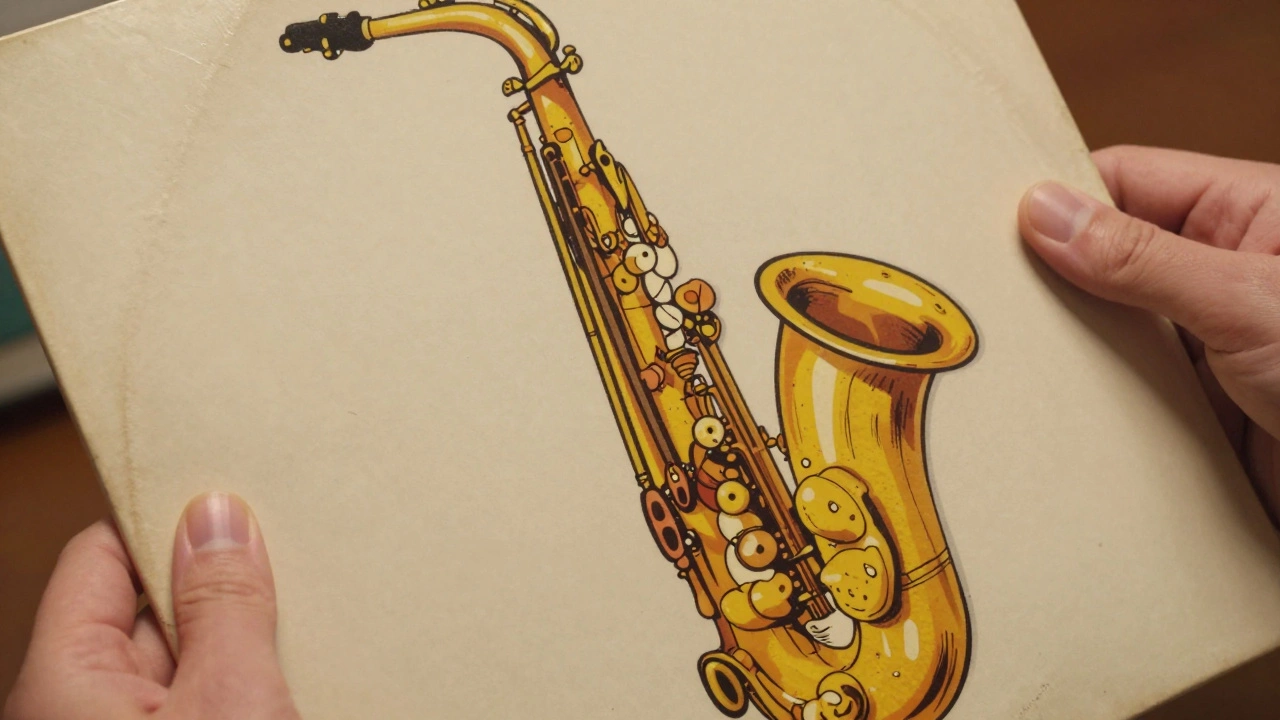
Consider a jazz album cover featuring a saxophone. By embossing the instrument, the designer creates a shadow line that catches the light as the viewer tilts the case. This isn't just about looking good; it's about creating a sensory connection. Research shows that tactile cues significantly increase perceived value. When a fan holds an album with deep, crisp embossing, their brain registers it as "premium" before they even see the price tag.
There are two main types of dies used here:
- Single-level dies: Create a uniform height across the entire design. Good for bold logos or large text blocks.
- Multi-level dies: Allow for varying heights within the same image. This creates a sculpted, almost photographic effect, ideal for detailed portraits or intricate patterns.
A common mistake designers make is trying to emboss too much detail on thin stock. If the paperboard is too weak, the fibers will crack under pressure, ruining the finish. Always pair heavy embossing with high-basis-weight boards or textured substrates that can withstand the compression without tearing.
Beyond Paper: Special Materials for Standout Covers
The substrate-the actual material the album is printed on-is just as important as the printing technique. While standard gloss or matte card is reliable, it is also ubiquitous. To innovate, designers are turning to special materials that offer unique textures, durability, and sustainability profiles.
One major trend in 2026 is the move toward mono-material structures. Many brands are switching to 100% recycled fiber boards or plastic-free films. This aligns with growing environmental regulations and consumer demand for eco-friendly products. But sustainability doesn't mean sacrificing style. Recycled boards can be heavily textured, offering a rustic, organic feel that pairs beautifully with embossed earth-tone designs.
On the luxury end, metallized papers and soft-touch laminates are popular choices. Soft-touch laminate gives the album a velvety skin-like feel, which contrasts sharply with the cold hardness of a standard glossy finish. Metallized papers reflect light dynamically, making static artwork appear to shimmer. However, these materials require careful handling during the die-cutting and embossing processes. For instance, metallic foils can crack if folded too sharply, so designers must adjust their structural blueprints to accommodate the material's flexibility limits.
Integrating Techniques: A Step-by-Step Workflow
Combining die-cuts, embossing, and special materials requires a structured approach. You cannot simply drop these elements into a Photoshop file and hope for the best. Here is how professional studios execute these projects:
- CAD Structural Design: Before any art is placed, engineers create a blueprint. They define the dimensions, weight capacity, and functional features like thumb notches or window placements. This stage ensures the box will actually hold together.
- Material Selection: Choose the board based on the finishing techniques. Heavy embossing needs thick stock; delicate die-cuts might need reinforced corners.
- Artwork Preparation: Designers overlay the cut-path outline on their digital files. Crucially, they extend the artwork bleed at least 1/16 inch beyond the cut line to avoid white edges. They also avoid placing critical text near acute angles, which can tear during production.
- Die Manufacturing: Custom steel-rule dies are built for cutting, and separate metal plates are cast for embossing. This is the most expensive part of the process, usually costing hundreds to thousands of dollars depending on complexity.
- Prototyping: A physical sample is produced to test fit and feel. This is where you check if the embossing cracks the foil or if the die-cut edges are clean.
- Mass Production: Once approved, the run begins. Nesting software arranges the die outlines on large sheets to minimize waste, keeping costs down.
Cost vs. Value: Is It Worth the Investment?
Innovation costs money. Custom dies, specialty materials, and multi-step finishing processes drive up the unit cost compared to a standard offset-printed sleeve. So, why do artists and labels continue to invest? Because physical sales are now driven by super-fans who view albums as collectibles.
Data suggests that packaging redesigns incorporating structural changes can lead to significant sales uplifts, sometimes between 30% and 50% in niche markets. While these figures vary wildly based on marketing spend and artist popularity, the consensus among packaging strategists is clear: distinctive packaging increases perceived value. Fans are willing to pay more for an object that feels exclusive and tangible.
Moreover, innovative packaging extends the lifecycle of the product. A beautiful, sturdy box is less likely to be thrown away after one listen. It becomes a permanent fixture in the listener's home, serving as ongoing brand exposure every time someone walks past the shelf.
Sustainability Considerations in 2026
You cannot talk about modern packaging without addressing sustainability. The global packaging market is shifting rapidly toward eco-conscious solutions. By 2036, the sustainable packaging sector is projected to reach over $560 billion. For album designers, this means moving away from mixed materials that are hard to recycle.
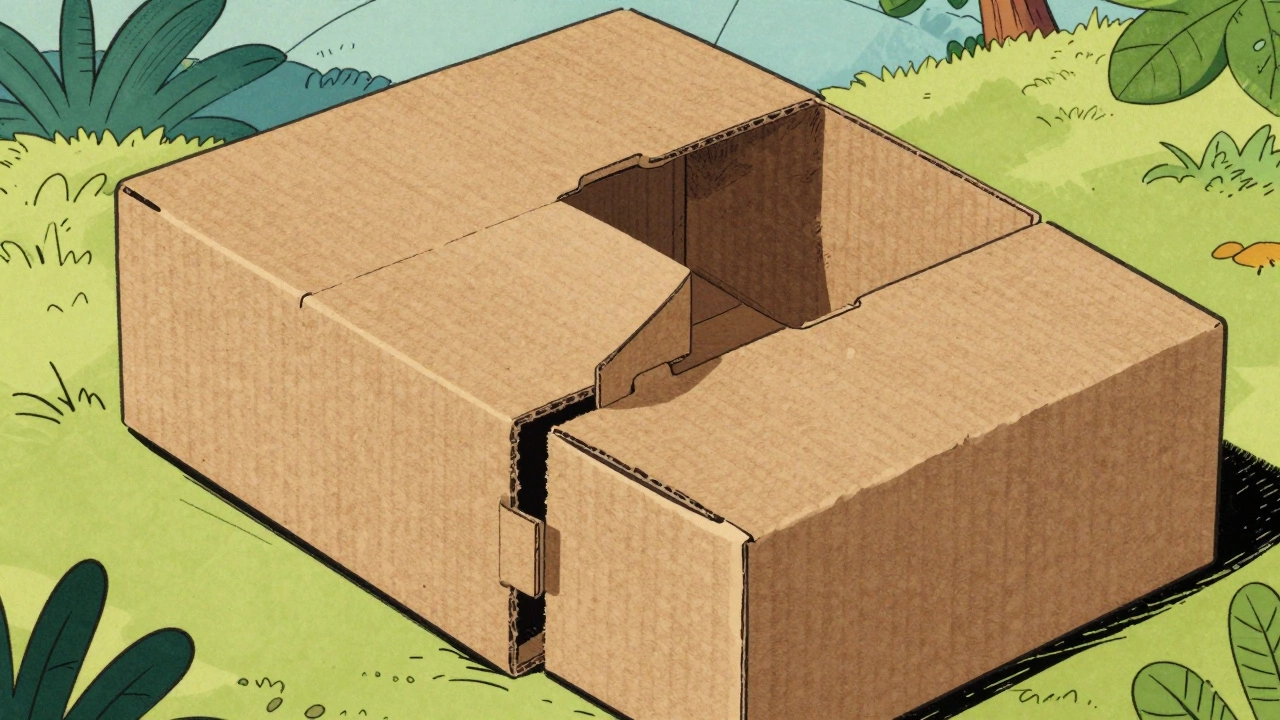
Glue-free, tape-free assemblies are becoming the gold standard. Imagine a die-cut box that locks together purely through friction and interlocking tabs. No adhesives means the entire package can be pulped and recycled easily. Similarly, avoiding plastic lamination allows the paperboard to be processed in standard recycling streams. Innovators are proving that you can have luxury aesthetics-through texture and shape-without compromising environmental responsibility.
What is the minimum order quantity for custom die-cut album packaging?
Because custom steel-rule dies are expensive to manufacture, most printers require a minimum order quantity (MOQ) of 500 to 1,000 units to amortize the tooling costs. For smaller runs, digital die-cutting using lasers is an option, but it is slower and may have higher per-unit costs.
Can I combine embossing with spot UV coating?
Yes, this is a very popular combination. Spot UV adds a glossy, raised shine to specific areas, while embossing creates physical depth. Using both together creates a multi-sensory effect that highlights logos or key artwork elements effectively.
How do I prevent my embossed design from cracking?
Cracking usually happens when the paper fibers are stretched too far. Use thicker board stocks (at least 14pt or higher) for deep embossing. Avoid placing fine lines or small text directly in the deepest parts of the emboss, as these details can distort or break.
Are die-cut boxes harder to ship?
They can be, due to irregular shapes taking up more space in shipping boxes (lower cube efficiency). However, smart nesting and flat-pack designs can mitigate this. Always request a prototype to test how well the packaging fits into standard shipping mailers.
What is the difference between debossing and blind embossing?
Debossing pushes the design inward. Blind embossing is a type of debossing or embossing done without ink. It relies solely on the shadow and texture of the pressed paper to show the design, creating a subtle, elegant look often used for minimalist album covers.