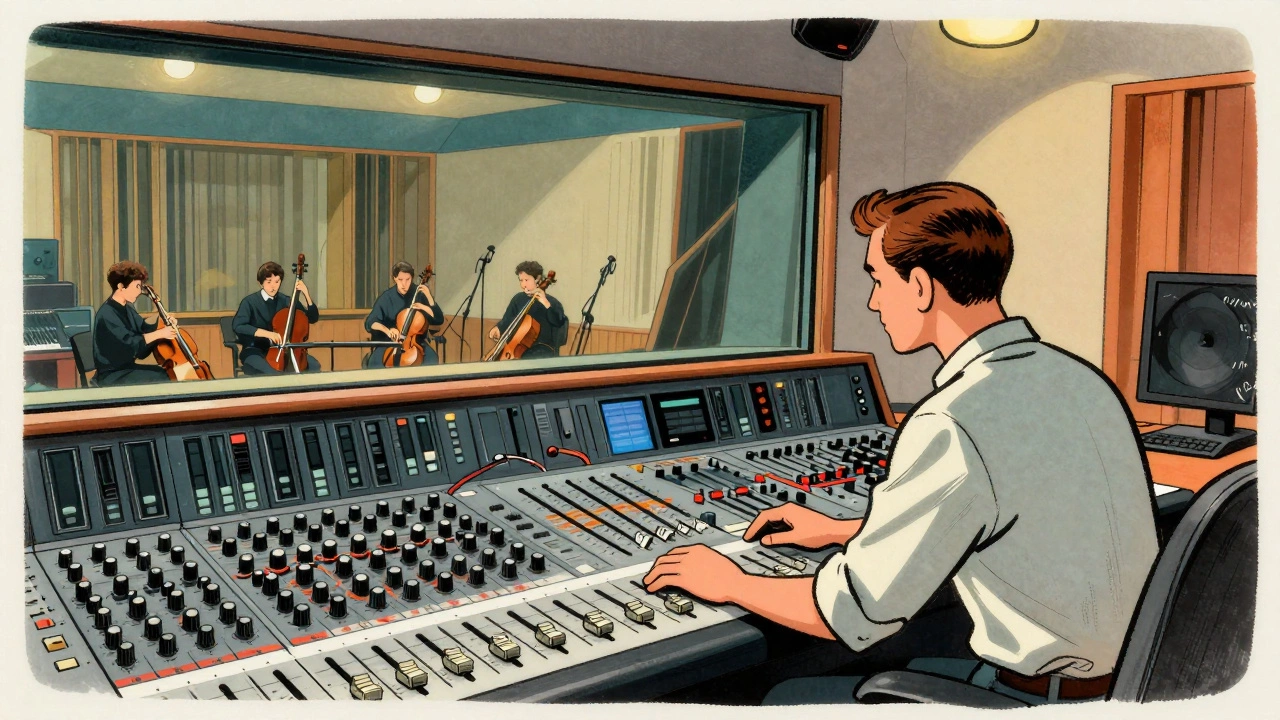

There is something electric about hearing a full string section swell beneath a drum machine kick. It creates a sonic weight that samples alone often struggle to achieve. However, recording live musicians alongside programmed pop elements introduces a unique set of challenges that standard recording doesn't ask you to solve. You are essentially managing two different worlds-the rigid grid of digital audio and the organic fluidity of human performance.
To get this right, you need to treat Orchestral Pop Sessions are complex events where classical discipline meets modern songwriting as a specialized engineering task, not just a nice-to-have feature. If you walk into the studio thinking you can just record strings on top of a finished track, you will likely end up with mud instead of magic. The process begins long before anyone picks up a bow, starting with how you plan the acoustic space and how the players hear themselves.
Planning the Acoustic Environment
Before a single note is played, the physical layout determines your final sound. You cannot fix phase issues caused by poor microphone placement later in the mix. A standard setup involves planning the orchestral layout to minimize bleed between sections while maintaining the natural cohesion of an ensemble. When working with a large group, you aren't just placing mics; you are sculpting the room.
Think about the isolation needs of the string section requires careful placement to capture the body of the instrument without room noise. Violins sit higher in the frequency spectrum, so they are more sensitive to high-frequency spill. Cellos and basses produce substantial low-end energy that can easily swamp your overheads if not managed. Abbey Road Studios and similar professional hubs typically recommend establishing the technical infrastructure days before the musicians arrive. This includes testing cables, setting gain stages, and ensuring your clock sync is stable enough to keep everyone locked to the click.
- Ensure the control room monitors are neutral so you can judge the balance accurately.
- Test the headphones for every musician to avoid hiss or interference.
- Prepare a tempo map that accounts for human flexibility in the lead track.
If you skip this groundwork, you waste expensive session time troubleshooting technical glitches rather than capturing performances. Your goal is to make the technology invisible so the focus remains on the emotional delivery of the music.
Scoring for the Modern Groove
Writing the charts for a pop song requires a different mindset than writing for a symphony hall. In traditional orchestration, instruments share musical duties to fill the texture. In pop, the lead vocal is king, and everything else serves to support its clarity. You need to assign roles carefully. Melody, accompaniment, and rhythm serve as the narrative equivalent in orchestration terminology.
When incorporating orchestral elements into existing songs, producers typically layer string arrangements beneath lead vocals. You must avoid having instruments compete for the same frequency real estate. For example, if your synth pads occupy the mid-range, don't force the violins to play sustained chords in the exact same pocket. Instead, let them take the high harmonies or arpeggiated figures that leave the center open. Flutes and oboes can take over rhythmic eighth-note patterns initially established by other instruments, providing variation across the song structure.
| Section | Primary Role | Typical Frequency Range |
|---|---|---|
| Violins | Melody / High Harmony | 200 Hz - 2 kHz |
| Violas | Inner Voicing / Warmth | 200 Hz - 800 Hz |
| Cellos | Bass Support / Counter-melody | 100 Hz - 1 kHz |
| Woodwinds | Color / Fills | 400 Hz - 4 kHz |
This shared responsibility model offers countless variation options and flexibility in assigning critical parts. If you overload the middle frequencies, the singer gets buried. By distributing the work, you create depth. Remember, a busy arrangement isn't necessarily better. Sometimes, a sparse cello line moving counter to the vocal melody has more impact than a wall of strings.
Managing Frequency Spectrum
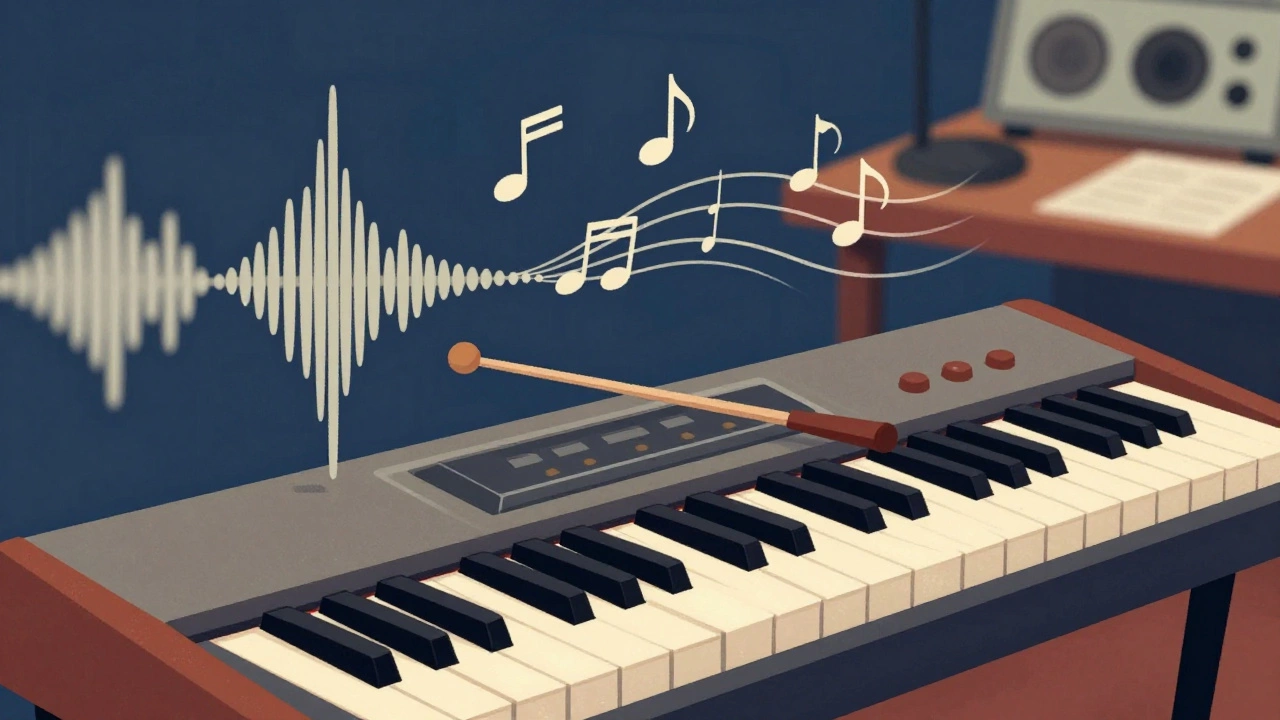
The frequency spectrum consideration is critical in this genre because string patches can occupy the entire range. Many beginners make the mistake of concentrating orchestral density in a single patch. You should distribute sounds across multiple instances rather than relying on one heavy sample. This prevents interruption of musical drive and keeps the mix transparent.
String vibrato and measured tremolos need distinct mixing approaches. Vibrato adds movement, which helps the sound cut through a dense mix without needing excessive volume. Various articulation styles like pizzicato, arco, staccato, and sustained each require distinct processing. Pizzicato provides a percussive attack that sits well near drum transients, while sustained tones can clash with reverb-heavy synths if not carved out.
Producer Christopher Siu emphasizes that instrumentation must sit either below or above the lead vocal's frequency range. Minimal overlap is necessary to prevent sonic congestion. If your vocal lives around 1 kHz to 3 kHz, ensure your violins are boosted slightly higher or rolled off below that area. Using high-pass filters aggressively on your string groups can clean up the mud. Low-end presence below 150 Hz usually belongs to the kick drum and bass guitar unless you have a specific contrabass line.
Headphone Mix Strategies
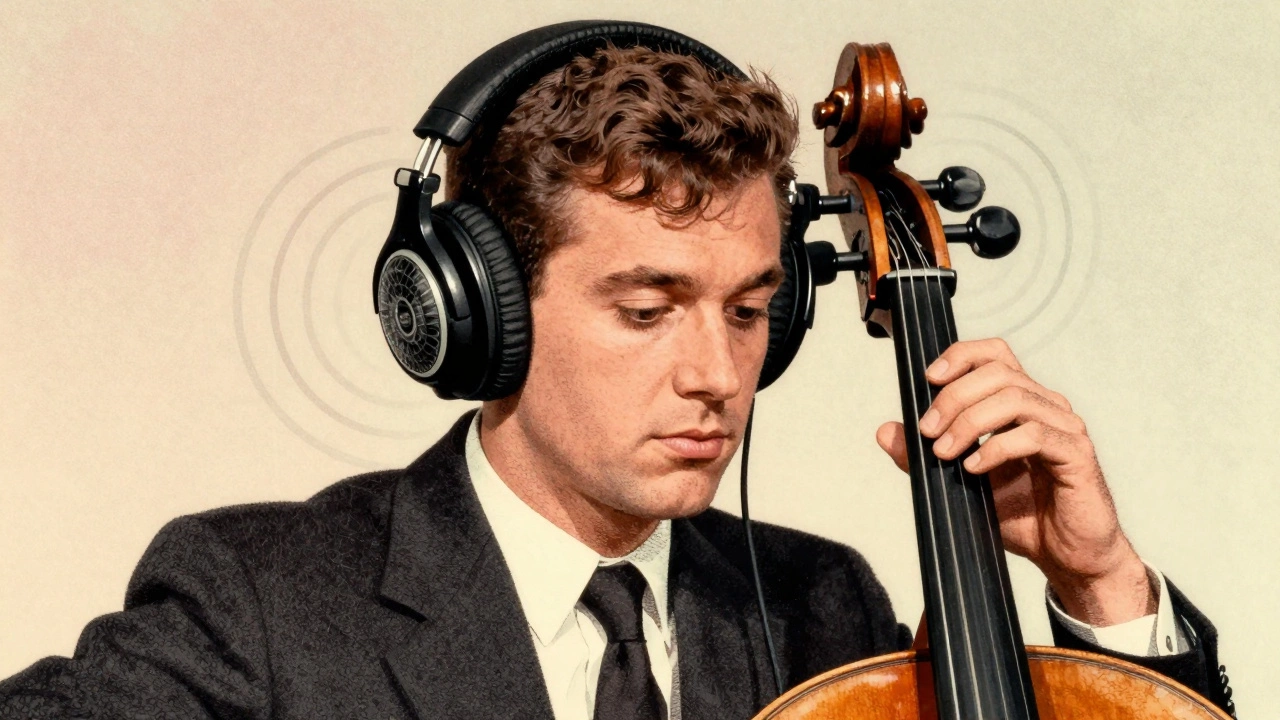
Headphone Mixes are the primary communication tool for the players and often get overlooked until disaster strikes. Mixing technicians employ top-down methodology here, beginning at the master bus level rather than individual track adjustments for each player. Every musician needs a tailored feed to perform confidently.
The lead violinist needs to hear the conductor clearly. The brass section might need to know exactly when their accent hits relative to the kick drum. Directional mixing for mono compatibility assessment ensures the mix translates even if a musician is wearing an earbud. Equalization is applied to reduce low-end presence and mid-range boxiness that occurs when multiple orchestral sections occupy similar ranges in the headphone mix.
Compression is also vital here. It catches absolute peaks and maintains dynamic control across the ensemble. Background vocal level management requires specific orchestral instrument attenuation. When background vocals need prominence, the orchestral instruments must be reduced to create space. Balancing the mix's overall density ensures every element serves the song's emotional narrative without fighting for headroom.
Don't assume one mix fits all. Give the percussionist less low end and the cellist more warmth. If the click track is too loud, players rush. If it's too quiet, they lag. Find the sweet spot where the metronome is present but not intrusive.
Blending Hybrid Elements
Coordination involves managing both orchestral and hybrid electronic elements simultaneously. The layering approach involves using both short and longer string articulations to fill background texture space while maintaining chordal patterns. Traditional orchestral articulations merge with modern electronic elements like syncopated percussion hits and layered synth textures.
Combining orchestral and modern production elements creates the contemporary sound by blending timeless sonorities with modern production techniques. This is where your skill really counts. You can use virtual instruments to sketch the arrangement and then replace problematic sections with live recordings. This hybrid method is efficient and cost-effective.
Learning orchestral composition for producers traditionally involves significant study in orchestration principles. Educational resources exist for full orchestration courses focusing on starting-to-finish string arranging processes. Understanding how to balance arrangements where multiple instrumental groups share compositional responsibility ensures the lead vocal remains the primary focal point.
Frequently Asked Questions
Do I need to hire a session musician coordinator?
For larger ensembles, yes. A coordinator handles contracts, call sheets, and logistics. For small groups like a string quartet, you can manage it yourself if you understand union rules.
What is the difference between virtual and live strings?
Virtual strings offer total control over quantization and articulation switching. Live strings offer natural breathing, human imperfection, and acoustic resonance that samples mimic but rarely perfect.
How do I prepare the score for players?
Provide a fully notated score with clear tempo maps and rehearsal marks. Players prefer reading music over watching video playback, so printouts are essential.
Can I mix orchestral tracks with software plugins?
Yes, modern convolution reverbs and EQ plugins allow you to simulate real spaces. However, nothing replaces the interaction of microphones in a treated room for authentic depth.
What are the biggest mistakes producers make?
Failing to high-pass filter low strings, ignoring the headphone mix quality, and overcrowding the frequency spectrum in the 2kHz range where vocals sit.


