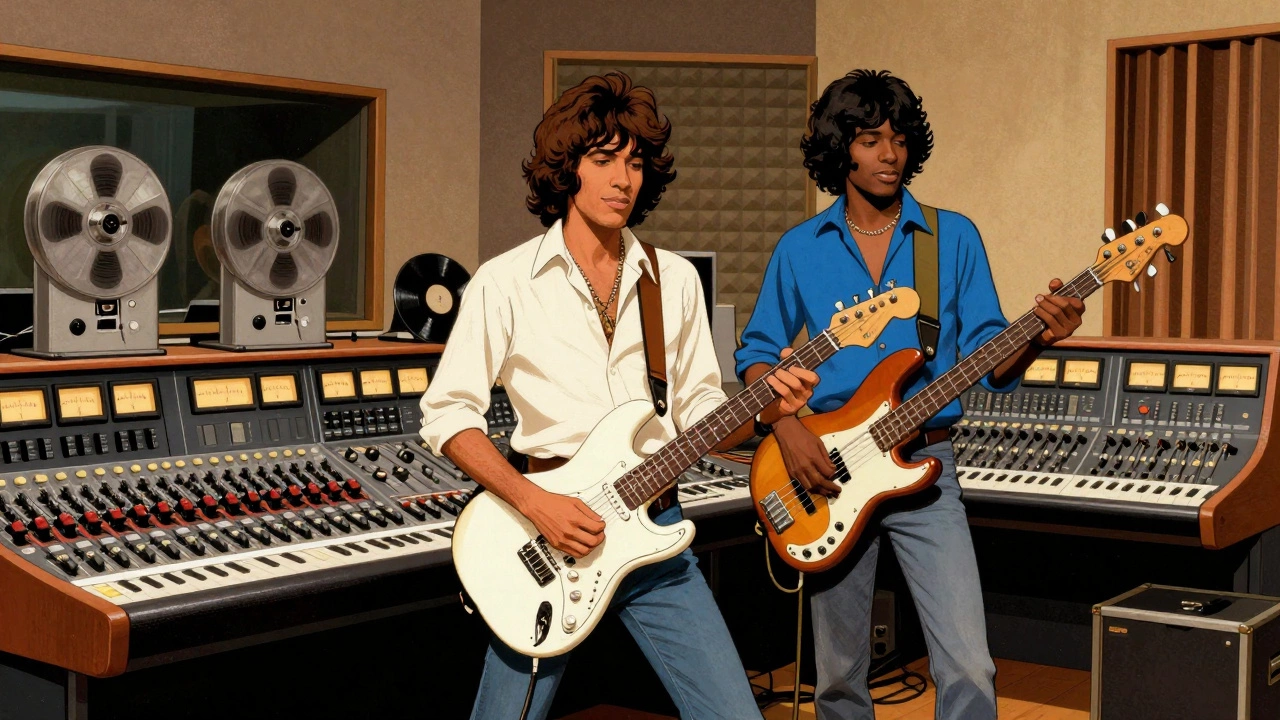

Most people think of disco as glitter balls and platform shoes. But if you listen closely to the tracks that defined the genre, there is a different story underneath the surface. It is a story about precision, rhythm, and a specific way of playing guitar that changed how pop music sounds forever. At the center of this revolution are Nile Rodgers and his band Chic. They didn’t just participate in the disco era; they engineered its most sophisticated sound.
You might know the hits like "Le Freak" or "Dance Dance Dance." But to understand why Nile Rodgers and Chic still matter in 2026, we have to look past the charts. We need to look at the instruments, the studio choices, and the partnership between Rodgers and bassist Bernard Edwards who provided the harmonic foundation for Chic's sound. Together, they created a groove so tight it became the blueprint for modern pop, R&B, and electronic music.
The Unlikely Origins of a Musical Visionary
Nile Rodgers did not grow up in a typical musical household. Born in New York City, his childhood was shaped by a family of drug-addicted bohemians. This might sound chaotic, but it gave him access to a unique world. He spent his formative years around jazz musicians and Hollywood superstars who visited his home. He absorbed their styles, their attitudes, and their approach to art.
This background explains why Chic never sounded like standard pop. Rodgers blended streetwise rhythms with high-society sophistication. He took the raw energy of funk and polished it until it shined. When he formed Chic with Bernard Edwards, they weren't trying to make simple dance records. They were aiming for something more complex. They wanted to create music that felt both urgent and elegant. This duality became the signature of the band.
The "Hitmaker Stratocaster": The Tool Behind the Tone
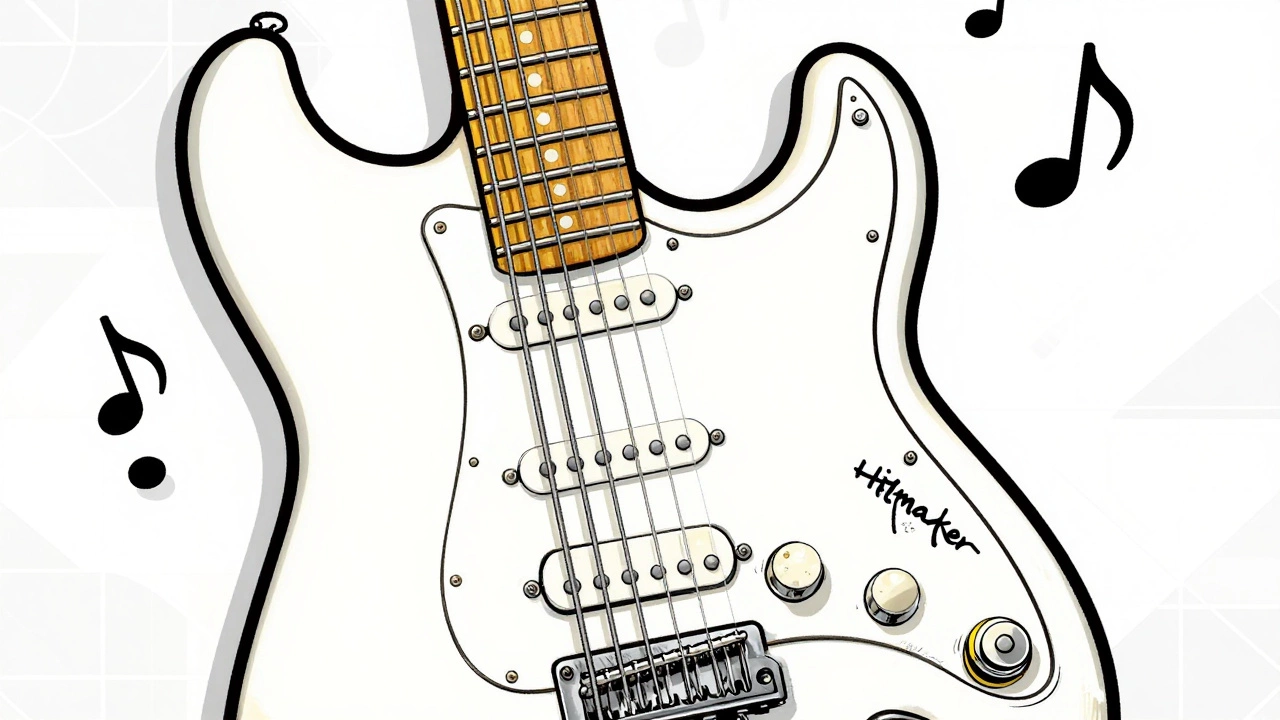
If you want to replicate the Chic sound, you cannot ignore the guitar. Nile Rodgers played a very specific instrument during the band’s peak years. It was a 1960 Fender Stratocaster, which Fender later officially named the "Hitmaker Stratocaster." But this wasn't just any Strat. Rodgers modified it to fit his exact needs.
| Component | Specification / Detail | Purpose / Impact |
|---|---|---|
| Body | Alder wood, smaller and more contoured than average | Ergonomic comfort and distinct tonal resonance |
| Finish | Olympic White (personally refinished by Rodgers) | Visual identity and personal connection to the instrument |
| Neck | 1959 Maple neck | Brighter attack and faster response for rhythmic playing |
| Bridge | Hardtail bridge (no vibrato system) | Greater tuning stability and sustain for precise rhythm work |
The hardtail bridge is a key detail. Most Stratocasters come with a tremolo bar that lets players bend pitch. Rodgers removed this. He wanted stability. He needed every note to hit exactly where he intended, without wobble. This choice reflects his philosophy: control is everything in rhythm guitar.
The Art of the "Quacky" Funk Chord
Nile Rodgers’ guitar technique is often described as "quacky." This isn't an insult; it’s a technical term for a specific tone. He achieved this by using the blending controls on his Stratocaster. Instead of switching abruptly between pickups, he used the blade switch to mix signals from the neck and middle pickups. This created a hollow, articulate sound that cut through the mix without overpowering the vocals.
His playing style relies on two main elements:
- Funk chord voicings: These are sparse chords that leave space in the harmony. They don’t clutter the frequency spectrum.
- Precise single-note lines: Rodgers adds melodic fragments between the chords. These notes lock in with the bass and drums.
The result is a texture that feels busy but remains clear. You can hear every part of the arrangement. This clarity was revolutionary in the late 1970s. Many disco productions were muddy and over-compressed. Chic’s records breathed. The guitar sat perfectly in the pocket, driving the groove forward without stealing the show.
Risqué: The Album That Defined an Era
In 1979, Chic released Risqué an album that marked a pivotal moment in disco history. This record is not just a collection of hits; it is a statement of artistic ambition. Tracks like "Good Times" and "I Want Your Love" pushed the boundaries of what disco could be.
Musicians and critics agree that Risqué transcended genre conventions. It incorporated complex harmonic structures and lyrical depth that were rare in dance music at the time. Bernard Edwards’ basslines on this album became a masterclass for bassists worldwide. His use of chromatic movement and syncopation created a foundation that allowed Rodgers’ guitar to shine. The interplay between the bass and guitar is the heartbeat of Chic’s sound.
The album’s production quality set a new standard. Every instrument had its own space. The percussion was crisp, the horns were punchy, and the vocals were intimate. This attention to detail ensured that Risqué would remain relevant long after the disco craze faded. It influenced post-disco, house music, and even hip-hop sampling culture.
Surviving the Backlash: From Disco to Pop Producer
The early 1980s brought a harsh reality check. The "disco sucks" movement turned against the genre, leading to commercial decline and cultural backlash. Many artists associated with disco disappeared from the mainstream. Nile Rodgers chose a different path. He adapted.
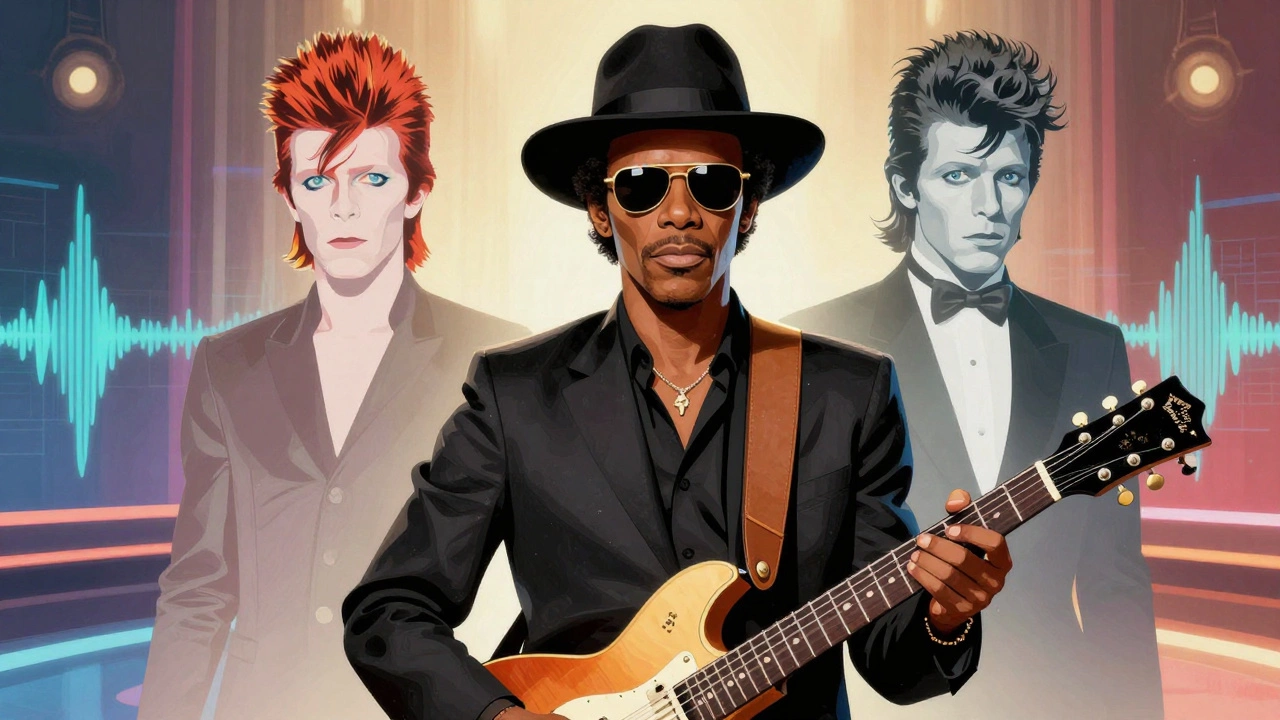
Rodgers transitioned into production and songwriting. He applied the same sophisticated approach he used with Chic to other artists. He produced albums for Diana Ross, Sister Sledge, David Bowie, Duran Duran, and Madonna. Each project showcased his ability to adapt his signature sound to different voices and styles.
When he worked with David Bowie on the *Let's Dance* album, he brought the Chic groove to rock. When he produced Madonna’s debut, he infused her sound with funk sensibilities. This versatility proved that his skills were not limited to one genre. He understood rhythm, melody, and arrangement at a fundamental level. This expertise kept him relevant throughout the 1980s and beyond.
The Enduring Legacy in Modern Music
Today, the influence of Nile Rodgers and Chic is everywhere. Electronic music pioneers like Daft Punk who cited Chic as a major influence openly acknowledged their debt to Rodgers. The sample-heavy production of hip-hop often relies on breaks from Chic recordings. Modern pop producers study his guitar techniques to achieve that clean, rhythmic drive.
The concepts Rodgers pioneered-groove-oriented performance, harmonic simplicity combined with rhythmic complexity, and pristine production-are now industry standards. When you hear a modern dance track with a tight, percussive guitar riff, you are hearing the legacy of Chic. The band’s ability to blend soul, funk, and pop created a template that continues to define commercial success and artistic credibility.
Nile Rodgers’ resilience also adds to his legend. After battling cancer in 2011, he returned to music with renewed energy. His appearance at the Red Bull Music Academy documented his reflections on career longevity and artistic integrity. He remained active, touring, producing, and collaborating well into the 2020s. This dedication shows that his passion for music was never just about fame; it was about the craft itself.
Why Does This Matter Now?
In an age of digital production and auto-tune, the human element of Chic’s music stands out. Their grooves were played by humans feeling the rhythm, not programmed by computers. This organic quality gives their music a warmth that synthetic beats struggle to replicate. For musicians and fans alike, studying Nile Rodgers and Chic offers a lesson in precision, taste, and the power of a great groove.
What makes Nile Rodgers' guitar style unique?
Rodgers' style is defined by his use of "quacky" funk tones, achieved by blending pickup signals on his Stratocaster. He combines sparse funk chord voicings with precise single-note lines, creating a rhythmic texture that drives the groove without cluttering the mix. His emphasis on timing and articulation sets him apart from other guitarists.
Who was Bernard Edwards and what was his role in Chic?
Bernard Edwards was the bassist and co-founder of Chic. His innovative basslines provided the harmonic and rhythmic foundation for the band's sound. Known for his technical proficiency and creative use of chromaticism, Edwards' work on albums like Risqué influenced generations of bassists across funk, R&B, and electronic music.
Why is the album Risqué considered significant?
Risqué is significant because it elevated disco from a dance trend to a sophisticated art form. With tracks like "Good Times," it featured complex harmonies, lyrical depth, and pristine production. The album transcended genre boundaries, influencing post-disco, house, and hip-hop, and remains a canonical work in popular music history.
How did Nile Rodgers survive the "disco sucks" backlash?
Rather than clinging to the declining disco market, Rodgers pivoted to production and songwriting. He applied his signature groove-based approach to diverse artists like David Bowie, Madonna, and Diana Ross. This adaptability allowed him to remain a major force in pop music throughout the 1980s and beyond.
What guitar did Nile Rodgers use for most of Chic's hits?
He primarily used a modified 1960 Fender Stratocaster, known as the "Hitmaker Stratocaster." Key modifications included a hardtail bridge for tuning stability, a 1959 maple neck for bright attack, and a personally refinished Olympic White body. These specs were chosen to support his precise rhythmic playing style.
Which modern artists have been influenced by Nile Rodgers and Chic?
Artists such as Daft Punk, Madonna, and David Bowie have explicitly cited Chic and Nile Rodgers as major influences. Their impact extends to electronic dance music, hip-hop sampling culture, and contemporary pop production, where the Chic groove aesthetic remains a foundational reference.