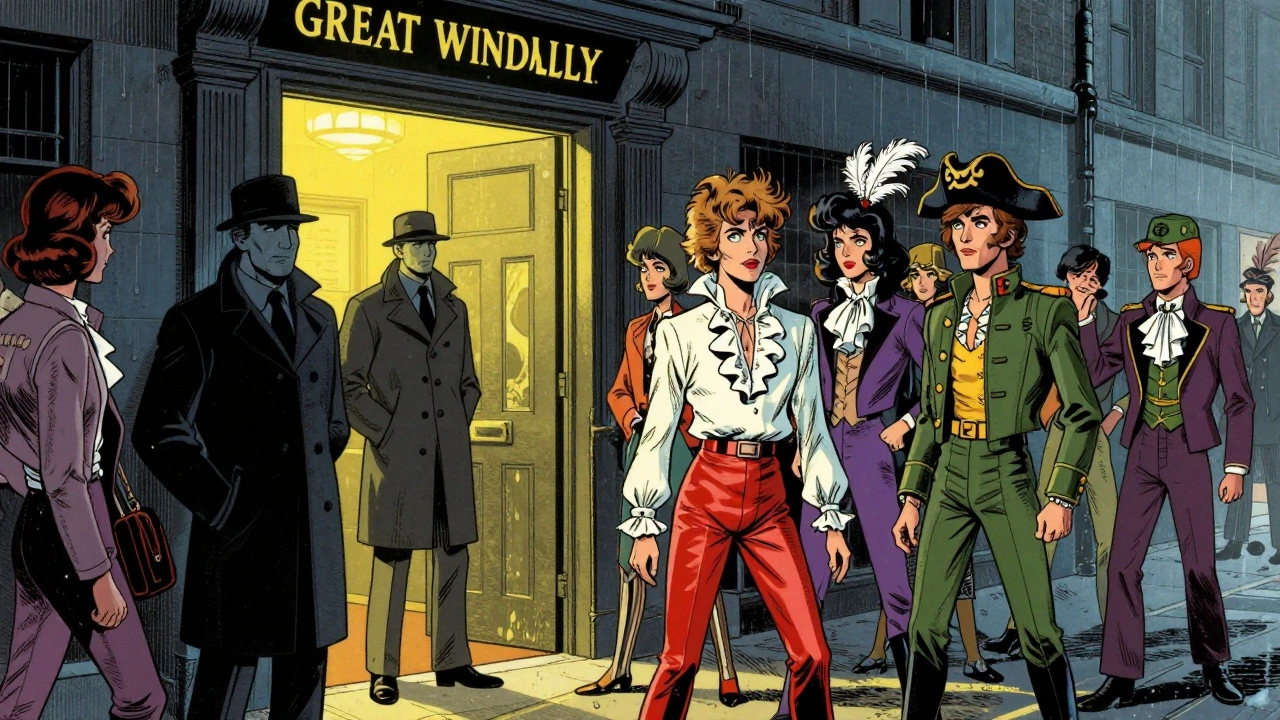

Picture this: it’s 1979 in London. You walk up to a nondescript door on Great Windmill Street. You’re not just trying to get into a party; you’re auditioning for your life. If your outfit isn’t dramatic enough-if your ruffles aren’t ruffled enough, if your eyeliner isn’t sharp enough-the bouncer turns you away. This wasn’t just a night out; it was a revolution in self-expression that gave birth to one of the most visually striking subcultures of the 20th century: New Romantic fashion, a flamboyant, historically inspired youth movement characterized by ruffled blouses, extravagant makeup, and theatrical club-based performance.
The New Romantics didn’t just listen to music; they wore it. They rejected the ripped jeans and safety pins of punk for silk, satin, and 18th-century aristocratic fantasy. While the scene burned bright and fast-peaking between 1980 and 1982-it left a permanent mark on how we think about gender, fashion, and nightlife. Today, we’re breaking down exactly what made this look so iconic, from the specific cuts of clothing to the exclusive clubs that fueled the fire.
The Blueprint: Core Elements of the New Romantic Look
You can’t accidentally dress like a New Romantic. It requires effort, intention, and a willingness to look slightly absurd to anyone who doesn’t understand the code. The aesthetic wasn’t random; it followed a specific silhouette that emphasized volume at the shoulders and chest while cinching the waist. Think of it as a modern take on Napoleonic military wear mixed with Victorian poet shirts.
Here is the essential formula that defined the wardrobe:
- The Frilly Blouse: This was non-negotiable. Whether called a “pussy-bow” shirt or a poet blouse, these tops featured elaborate collars, flowing sleeves, and often buttons running all the way down the front. Fabrics were key here-silk, satin, or lace in jewel tones like deep purple, crimson, or midnight blue.
- High-Waisted Trousers: Pants were cut high on the waist to create an hourglass figure, then tapered sharply at the ankle. They were often made of shiny materials like satin or leather. A wide belt or a scarf tied around the waist helped accentuate this shape.
- Cropped Jackets: Outerwear drew heavily from military history. Cropped jackets with exaggerated shoulders and fitted waists turned every dance floor into a pseudo-historical stage. Some enthusiasts even added capes for extra drama when moving.
- Androgynous Bottoms: Men and women alike wore kilts, culotte pants, and maxi skirts. The goal was to blur the lines of traditional menswear and womenswear completely.
Accessories pushed the outfit from retro-inspired to avant-garde. Large pirate-style hats, fingerless gloves, colored tights, and chunky layered jewelry (think gold chains mixed with pearls) were standard. The rule of thumb was simple: if it wasn’t flashy, it didn’t belong.
The Crucial Role of Makeup and Hair
If the clothes were the costume, the face was the mask. Makeup was not optional in the New Romantic scene; it was a crucial aspect of the identity. And unlike today’s trends where heavy makeup might still carry gendered stigmas, New Romantic beauty was explicitly androgynous. A style approach where men and women wore essentially the same bold, theatrical faces, deliberately blurring gender presentation.
Men and women applied the same bold looks. We’re talking colorful eyeliner, bright eyeshadow applied in dramatic stripes from ear to ear, heavy contouring, and vivid lipstick. The aim was to turn the face into a stylized canvas suited for club lighting and photography. Influences came directly from glam rock icons like David Bowie, whose Ziggy Stardust persona served as a major reference point for both the music and the styling of New Romantic acts.
Hair followed suit. It had to be big, teased, and asymmetrical. Hairspray was used generously to support voluminous styles. Mullets and perms were common base cuts, but they were always manipulated-combed forward into side-swept curly bangs or dyed in unnatural colors. Feathers and ribbons were often woven into the hair as decorative accents. This emphasis on height and artifice distinguished New Romantic hair from the more natural looks of other early-1980s trends.
Born in the Clubs: The Culture of Exclusion
You cannot separate New Romantic fashion from the venues that created it. The movement originated in the underground nightclub scenes of London and Birmingham, specifically at two legendary spots: Billy’s and an influential London nightclub run by Steve Strange and Rusty Egan that launched the New Romantic scene and The Blitz. An exclusive London club where entry depended heavily on one’s outfit, rewarding the most daring and meticulously assembled looks.
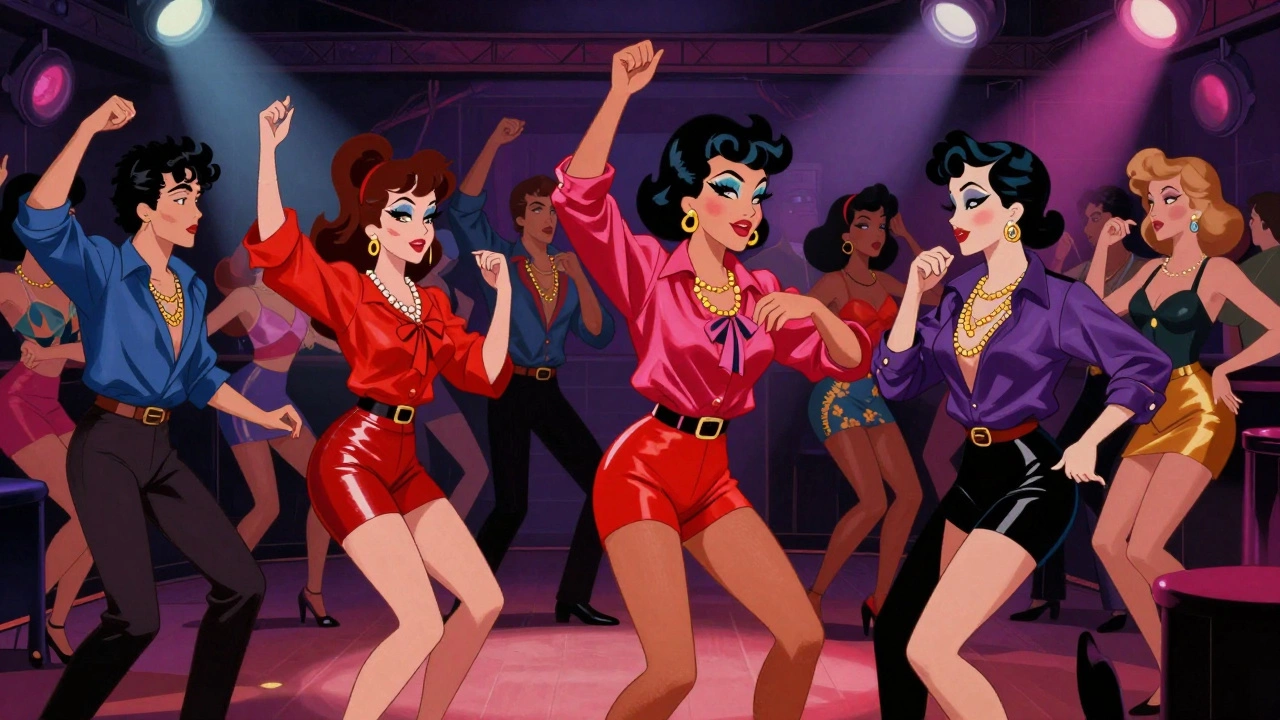
These clubs were run by key figures like Steve Strange, later the lead singer of Visage, and Rusty Egan, a drummer and co-owner. They operated as exclusive spaces where the bouncers acted as curators. Only the best-dressed could enter. This policy forced attendees to constantly innovate their looks. Fashion wasn’t just daywear; it was a nightly ritual involving posing, dancing, and being photographed.
This exclusivity created a tight-knit community where the line between audience and performer blurred. If you looked good enough, you became part of the show. Retail boutiques like Kahn and Bell in Birmingham and PX in London supplied the eccentric visual vocabulary, stocking items that mainstream stores wouldn’t touch.
Sound and Style: The Musical Connection
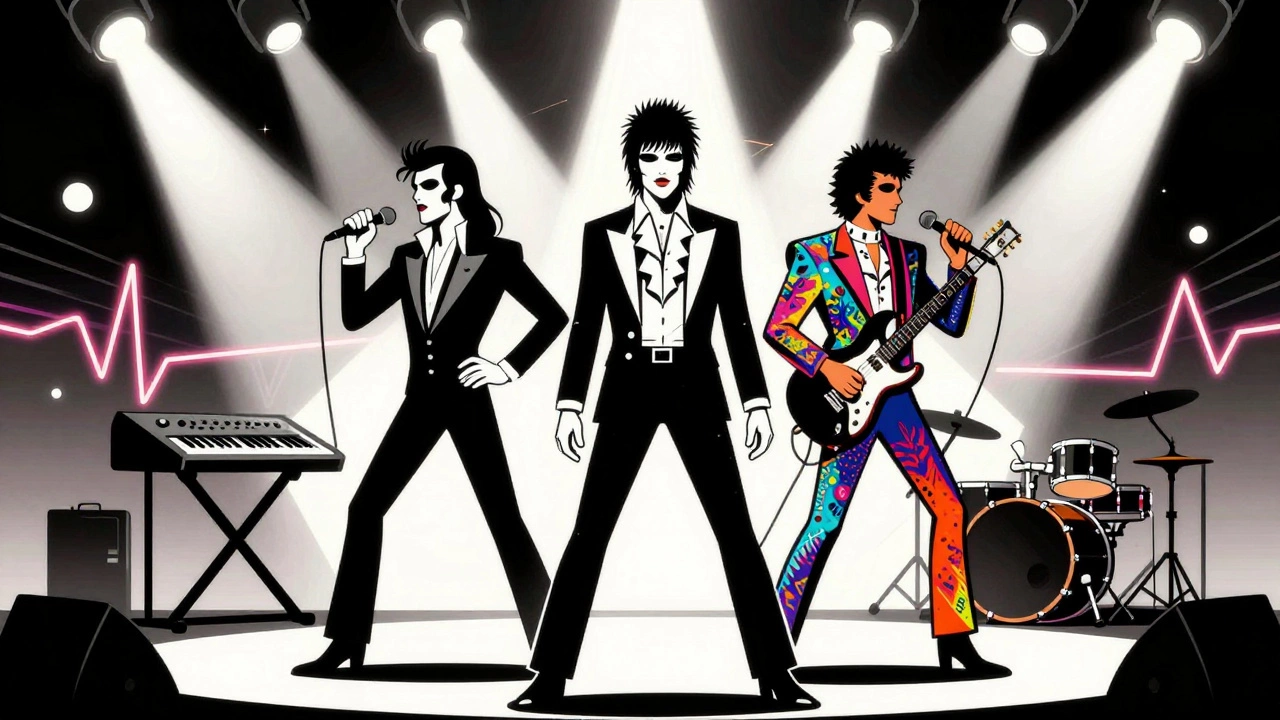
The fashion didn’t exist in a vacuum. It was intrinsically linked to the music. New Romanticism was a stylish subgenre of New Wave, emerging in the late 1970s and early 1980s, strongly influenced by synthesizers and artistic presentation. Bands didn’t just play songs; they presented visual packages.
| Band | Visual Style Notes | Key Members |
|---|---|---|
| Visage | Sleek, dark, and sophisticated; Steve Strange’s signature white face paint and long hair. | Steve Strange |
| Spandau Ballet | Elegant suits, ruffled shirts, and a polished, almost cinematic glamour. | Gary Kemp, Tony Hadley |
| Duran Duran | Flashy, colorful, and media-savvy; known for blending pop star allure with artistic flair. | Simon Le Bon, Nick Rhodes |
| Culture Club | Reggae-infused New Wave with Boy George’s iconic mullet, eyeliner, and unisex clothing. | Boy George |
Fashion functioned as a marketing tool. In the crowded post-punk landscape, these bands stood out because their visuals were inseparable from their sound. When they appeared on early 1980s music television or magazine covers, the ruffles and makeup made them immediately identifiable. This mutual reinforcement helped propel synth-pop into the mainstream.
New Romantic vs. Goth: Two Sides of the Same Coin
It’s easy to confuse New Romantic fashion with goth, especially since both emerged from the same era and shared a love for theatricality. However, the differences are stark. Goth fashion leaned into darkness, morbidity, and horror-inspired motifs. It relied heavily on black clothing, black makeup, and a moody atmosphere.
New Romanticism, by contrast, embraced brightness, historical references, and aristocratic fantasy. Where goth took the mood darker, New Romantics kept it light and romantic. Yet, both scenes shared a commitment to rejecting mainstream norms. Both were theatrical, both valued texture, and both allowed for significant gender fluidity. In many ways, goth can be seen as the counterpoint to New Romantic flamboyance-a reaction to its colorfulness with a deeper dive into shadow.
Why the Scene Faded (But Never Really Died)
By 1982, contemporary observers noted that the original New Romantic club movement had effectively died out as a distinct subculture. Why? Partly because it was too intense to sustain. The pressure to reinvent your look every night was exhausting. Additionally, as bands like Duran Duran achieved massive commercial success, the style migrated from the underground clubs to mainstream pop videos and high-street fashion. Once everyone wears ruffles, no one does.
However, the aesthetic never truly disappeared. It evolved. Its influence is visible in later movements, including the club kids of the 1990s and various strands of genderqueer fashion in the 2000s. Designers continue to reference New Romantic codes whenever fashion cycles favor maximalism. Today, vintage guides and online tutorials help a new generation recreate the look, proving that the desire for expressive, boundary-pushing style remains alive.
How to Recreate the Look Today
Want to channel your inner Steve Strange? You don’t need to spend a fortune. Modern guides suggest starting with one statement piece-like a dramatic pussy-bow blouse or a tailored cropped jacket-and building around it. Thrift stores are goldmines for silk blouses and vintage trousers. Focus on the silhouette: cinch the waist, add volume to the shoulders, and don’t shy away from makeup. Practice your eyeliner wing until it’s sharp enough to cut glass. Remember, the core ethos is flamboyance and effort. If you’re unsure if it’s too much, you’re probably on the right track.
Who started the New Romantic movement?
There was no single founder. The movement emerged organically from the London and Birmingham nightclub scenes in the late 1970s. Key organizers included Steve Strange and Rusty Egan, who ran influential clubs like Billy’s and The Blitz, creating the space for the style to develop.
What is the difference between New Romantic and Glam Rock?
Glam Rock (late 60s/early 70s) focused on androgyny and shock value with stars like David Bowie and T. Rex. New Romanticism (late 70s/early 80s) built on this but added historical pastiche, particularly 18th-century aristocratic influences, and was more deeply tied to a specific club culture and synth-pop music scene.
Were New Romantics only in London?
While London was the epicenter, particularly around clubs like The Blitz, the scene also had strong roots in Birmingham. Boutiques like Kahn and Bell in Birmingham played a significant role in shaping the local variation of the style.
Did men really wear makeup in the New Romantic scene?
Yes, absolutely. Makeup was a crucial and expected part of the look for all genders. Men wore heavy eyeliner, bright eyeshadow, and lipstick as a standard part of their club attire, embracing an androgynous aesthetic.
When did the New Romantic trend end?
The distinct club-based subculture peaked between 1980 and 1982. By 1982, it had largely dissolved as a cohesive movement, though its aesthetic continued to influence mainstream fashion and pop music throughout the decade.