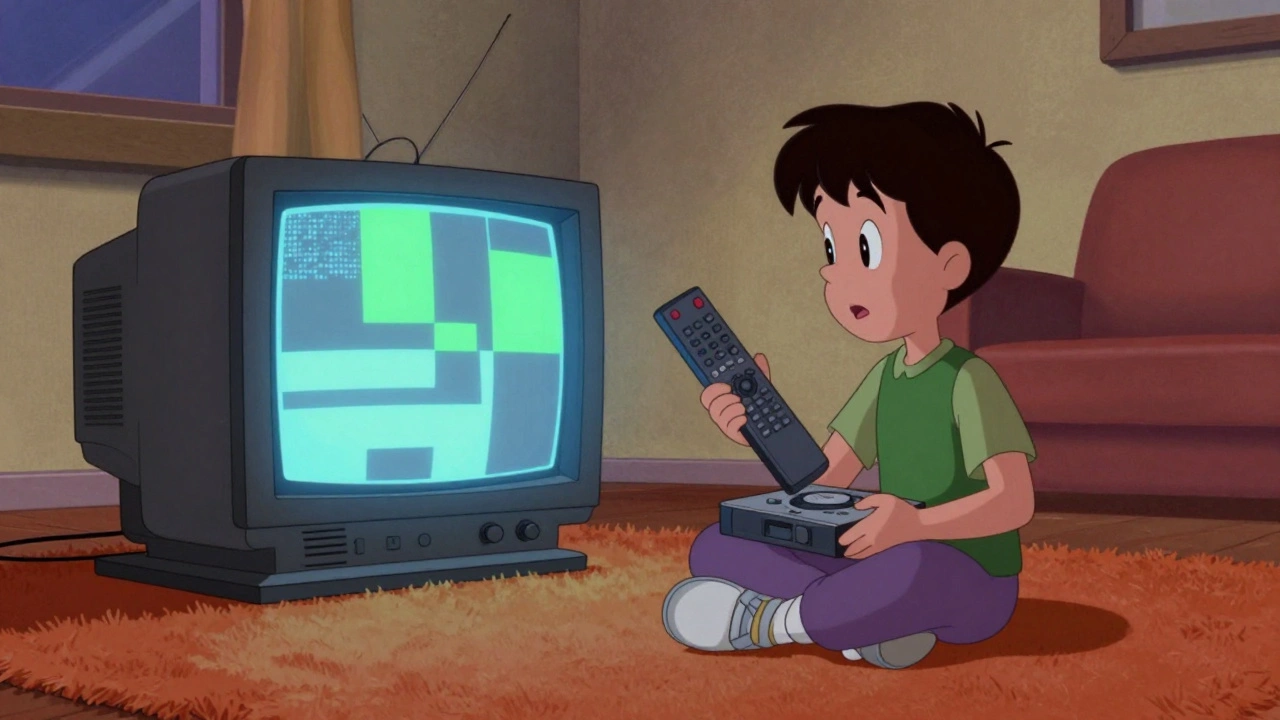

Imagine it is Sunday night in 1988. You are sixteen years old, sitting on your living room floor with a VHS tape recorder and a remote control that feels like the key to the world. The clock strikes midnight. On your screen, 120 Minutes is a weekly late-night music video program on MTV dedicated to alternative, college, and underground rock. This two-hour block didn't just play songs; it built a nation. Before algorithms decided what you liked, before Spotify playlists curated your mood, this show was the only national gateway to the sounds that would define a generation.
The Midnight Gateway for Underground Rock
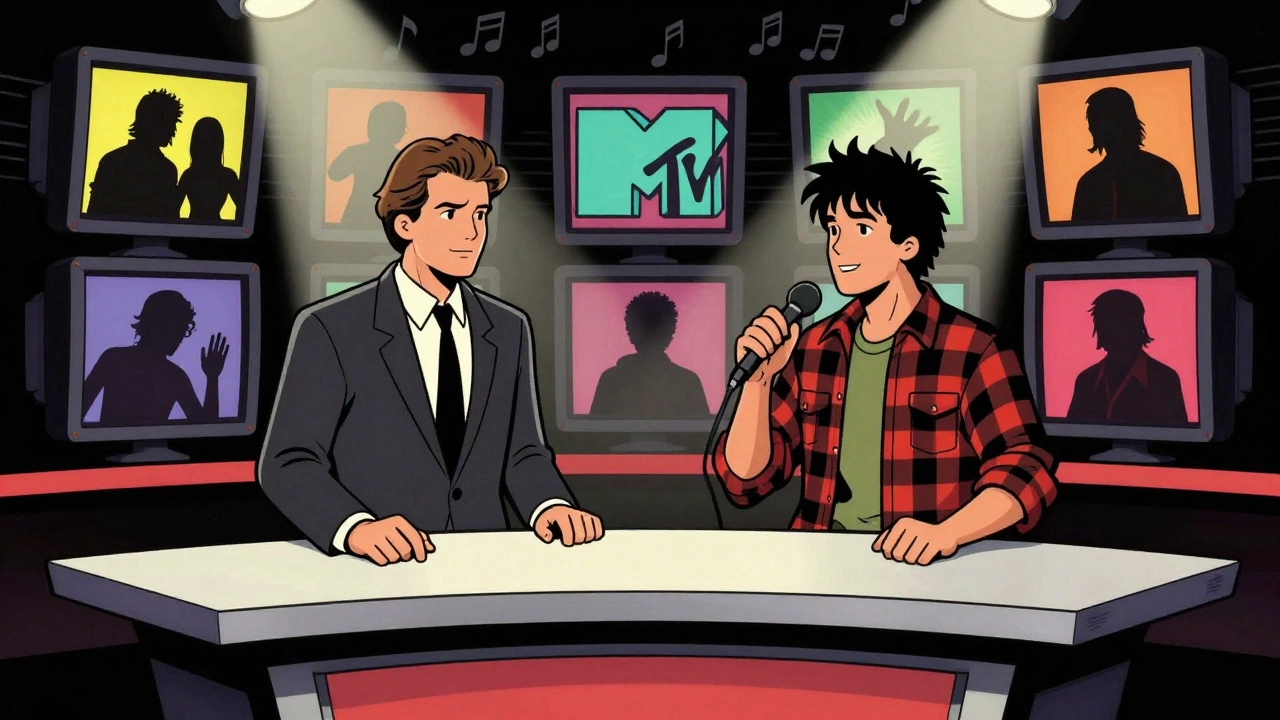
When 120 Minutes debuted in 1986, MTV was already famous for pop stars and polished rock anthems during the day. But at night, the channel opened its doors to the weird, the loud, and the unknown. The show ran from midnight to 2:00 a.m. Eastern Time, a slot that seemed perfect for insomniacs and teenagers who weren’t allowed to stay up past nine. It was a deliberate strategy by MTV executives, including Tom Freston, to segment audiences without alienating their mainstream daytime viewers.
The value proposition was simple but powerful: exposure. Bands that couldn’t get airplay on Top 40 radio or even on MTV’s prime-time slots found a home here. The show bridged the gap between niche college radio is non-commercial radio stations operated by universities that played independent and alternative music and the broader cable audience. If you lived in a small town in Ohio or a suburb in California, 120 Minutes was often the first time you saw videos from bands like R.E.M., The Pixies, or Sonic Youth. It wasn’t just entertainment; it was education.
Hosts Who Shaped the Sound
A show is only as good as its curators. In the early years (1986-1989), regular MTV VJs like J.J. Jackson and Martha Quinn rotated through hosting duties. They were friendly faces, but they didn’t yet have the deep-cut knowledge that the alternative scene demanded. That changed when British producer Dave Kendall is a music producer and host who solidified 120 Minutes' focus on alternative rock and UK acts took the helm around 1989. Kendall brought a sharp ear for the burgeoning Britpop and shoegaze scenes, introducing American viewers to UK giants like The Stone Roses and The Charlatans long before they crossed the Atlantic.
Then came the era that defined the show for many fans: Matt Pinfield is the iconic host of 120 Minutes from 1995 to 1999 known for his encyclopedic knowledge of punk and alternative music. Pinfield, formerly a DJ at WHTG-FM in New Jersey, didn’t just introduce videos; he contextualized them. He spoke the language of the fans. His tenure coincided with the peak of alternative rock’s commercial success, yet he maintained a credibility that pure pop hosts lacked. When Pinfield said a band mattered, you believed him. Later hosts like Lewis Largent also contributed, bringing West Coast connections, but Pinfield remains the face most associated with the show’s golden age.
Bands That Broke Through the Static
Who actually got their start on 120 Minutes? The list reads like a hall of fame for modern rock. In the late 1980s, the show featured US college-rock staples like Hüsker Dü and The Replacements. These bands had loyal followings but limited reach. Then there were the UK post-punk legends: The Smiths, The Cure, and Joy Division. For many Americans, these artists were discovered not through record stores, but through the glowing CRT television set.
As the 1990s approached, the playlist evolved. Shoegaze bands like My Bloody Valentine and Cocteau Twins added texture and noise. Industrial acts such as Nine Inch Nails used the platform to build hype before The Downward Spiral exploded in 1994. Even grunge pioneers like Soundgarden and early Smashing Pumpkins clips circulated here. The show created a feedback loop: college radio buzz led to MTV late-night spins, which drove record sales and touring demand. It was a pipeline from the underground to the mainstream.
| Genre | Representative Bands | Impact Era |
|---|---|---|
| College Rock | R.E.M., The Pixies, Camper Van Beethoven | Late 1980s |
| UK Post-Punk/Indie | The Smiths, The Cure, Echo & the Bunnymen | Mid-Late 1980s |
| Shoegaze/Dream Pop | My Bloody Valentine, Ride, Cocteau Twins | Early 1990s |
| Industrial/Electronic | Nine Inch Nails, Ministry, Depeche Mode | Late 1980s-Early 1990s |
| Grunge/Alt-Metal | Soundgarden, Alice in Chains, Smashing Pumpkins | Early 1990s |
Why Late Night Mattered More Than Daytime
You might wonder why a show airing at midnight could be more influential than prime-time programming. The answer lies in authenticity. Daytime MTV was commercial, driven by major label budgets and catchy hooks. 120 Minutes felt different. It wasn’t trying to sell you something immediately; it was inviting you into a club. The hosts didn’t act like celebrities; they acted like friends sharing secrets. This non-mainstream ethos allowed the show to take risks. They could play a ten-minute instrumental track or a video with no clear narrative because the audience expected experimentation.
Compare this to other niche shows of the era. Headbangers Ball is an MTV program focused on heavy metal music targeted metalheads, and Yo! MTV Raps is an MTV program dedicated to hip-hop music and culture served the rap community. Both were vital, but 120 Minutes had a unique cultural weight. It captured the intellectual and artistic aspirations of a generation that rejected the excesses of 1980s glam metal. It gave voice to the "alternative nation" that crystallized after Nirvana’s Nevermind hit #1 in 1992. By then, many bands that started on 120 Minutes were dominating daytime slots, proving the show’s role as an incubator.
The Decline and Digital Legacy
By the late 1990s, the magic began to fade. As alternative rock became the new mainstream, 120 Minutes struggled to find its identity. Playlists shifted toward post-grunge and nu-metal acts that were already saturating radio. Fans complained that the show had lost its edge, becoming just another rotation of popular bands rather than a discovery tool. MTV itself was changing, pivoting toward reality TV with shows like The Real World and reducing its commitment to music videos entirely. The original run ended around 2000, replaced briefly by Subterranean on MTV2, and later revived in 2011 with Matt Pinfield until 2013.
Today, you can’t tune in at midnight. But the legacy lives on in digital archives. The 120 Minutes Archive is an independent fan site documenting playlists for 956 episodes from 1986 to 2013 at altmusictv.com serves as a historical database, listing every video aired. YouTube hosts full episode recordings, allowing new generations to experience the pacing and host commentary firsthand. Spotify playlists mimic the show’s curation, but they lack the communal anticipation of waiting for a specific broadcast. The human element-the trust in a host’s taste-was something algorithms never fully replicated.
Frequently Asked Questions
When did 120 Minutes start and end?
120 Minutes debuted on MTV in 1986 and ran on the main channel until 2000. It continued on MTV2 from 2001 to 2003 and was revived again from 2011 to 2013 with Matt Pinfield as host.
Who were the most famous hosts of 120 Minutes?
While early hosts included J.J. Jackson and Martha Quinn, Dave Kendall (circa 1989-1992) and Matt Pinfield (circa 1995-1999) are the most remembered. Pinfield is particularly iconic for his deep knowledge of punk and alternative music.
What kind of music was played on 120 Minutes?
The show focused on alternative, college, and underground rock. This included genres like post-punk, shoegaze, industrial, noise rock, and early grunge. Bands ranged from R.E.M. and The Smiths to Nine Inch Nails and Sonic Youth.
Why was 120 Minutes important for alternative music?
It provided national exposure to artists who were ignored by mainstream radio and daytime MTV. By curating these videos, the show helped build a large audience for alternative rock, paving the way for its commercial breakthrough in the 1990s.
Can I watch old episodes of 120 Minutes today?
Yes. Full episodes and clips are available on YouTube. Additionally, the 120 Minutes Archive website lists detailed playlists for nearly every episode aired from 1986 to 2013, helping fans identify specific videos.
Did 120 Minutes influence the grunge movement?
Yes, indirectly. While grunge originated in Seattle, 120 Minutes gave national visibility to Pacific Northwest bands like Soundgarden and Mudhoney before they broke big. It helped create the infrastructure of fans ready to embrace the sound when Nirvana arrived.


