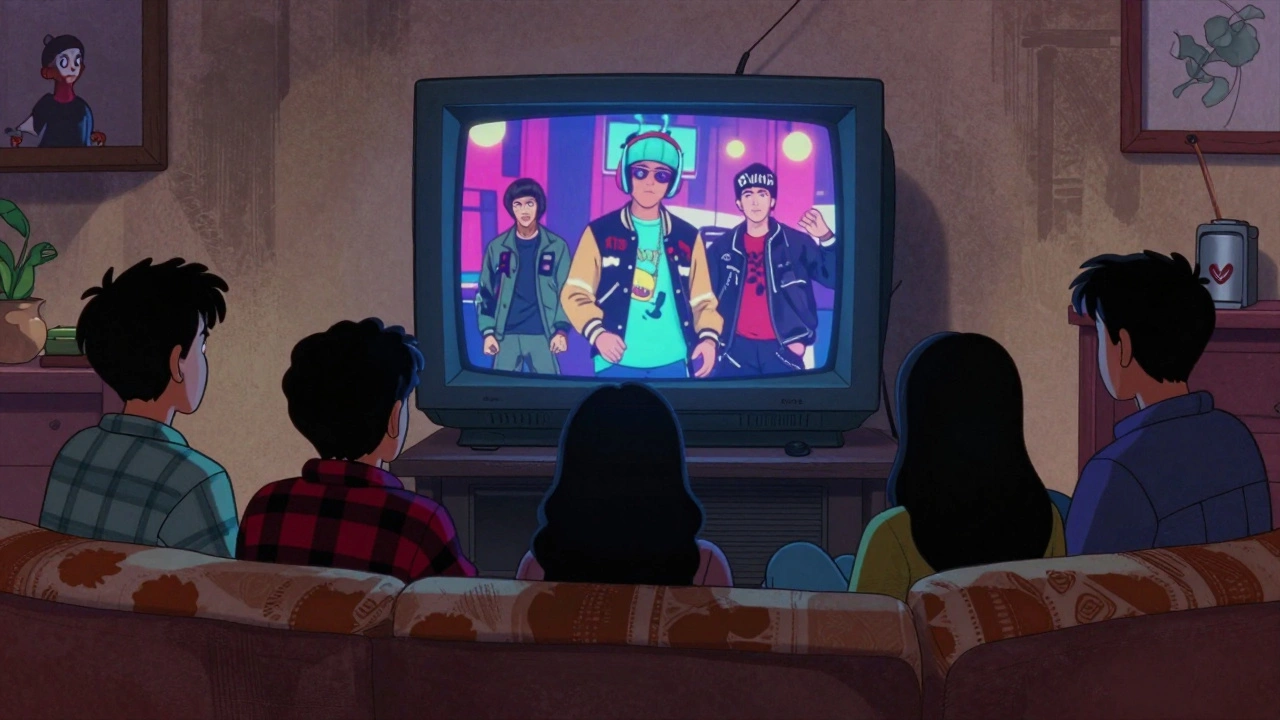

Remember when turning on the TV meant you might actually see a new song? In the 1990sa decade defined by grunge fashion, dial-up internet, and the peak of analog media culture, MTVMusic Television, a cable channel launched in 1981 that evolved from a music video hub into a global youth culture brand wasn't just a channel. It was the gatekeeper of cool. If your band didn't get rotation on MTV, you barely existed to anyone under thirty. This era marked the transition from a simple music video network to the central nervous system of youth culture, shaping everything from haircuts to political awareness.
The Last Golden Age of Music Video Rotation
In the early 1990s, MTV still lived up to its name. Music videos were not just promotional tools; they were events. The network served as the primary discovery mechanism for artists targeting the 12-to-34 demographic. You couldn't ignore the cultural weight of seeing a video premiere. Major labels invested heavily in cinematic production values because MTV demanded it. A song could be a radio hit, but without MTV support, it rarely became a cultural phenomenon.
The playlist was diverse, reflecting a fragmented musical landscape. Hip-hop broke through mainstream barriers with unprecedented visibility. Artists like M.C. Hammeran American rapper who achieved massive commercial success in the early 1990s with hits like 'U Can't Touch This' and Vanilla Ice dominated airwaves, bringing rap into suburban living rooms. Simultaneously, alternative rock exploded onto the scene. The Pacific Northwest grunge movement, led by bands like Nirvana and Pearl Jam, received extensive video rotation, shifting the aesthetic from polished pop to raw, flannel-clad authenticity. Pop acts like Roxette maintained their presence, proving that MTV's reach spanned multiple genres. This diversity made MTV a cultural barometer. If a genre got heavy rotation, it was trending. If it disappeared, it was fading.
This power dynamic changed how music was created. Bands started writing songs with visuals in mind. Directors like Mark Romanek and Spike Jonze became celebrity figures themselves, their styles influencing album art and stage design. The visual component became inseparable from the audio experience. For fans, watching MTV was a ritual. You learned the lyrics, studied the fashion, and debated the meaning of abstract narratives over school lunches.
Total Request Live: The Democratic Countdown
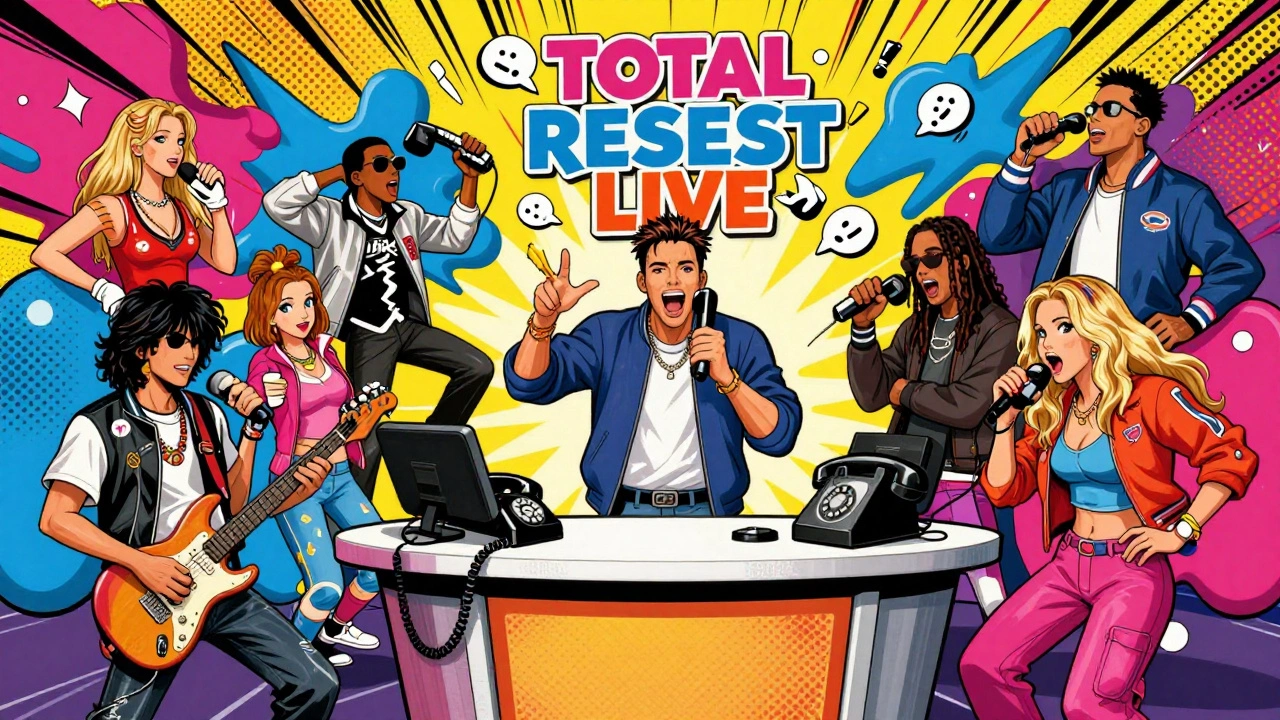
As the decade progressed, MTV introduced formats that deepened audience engagement. Total Request LiveTRL, a daily countdown program hosted by Carson Daly that allowed viewers to vote for their favorite music videos via phone calls, or TRL, launched in 1998 but quickly became the defining symbol of late-90s youth culture. Hosted by Carson Daly, TRL transformed passive viewing into active participation. Fans called in to vote for their top ten videos, creating a daily ranking that felt personal and urgent.
| Feature | Traditional Radio | TRL Era |
|---|---|---|
| Audience Interaction | Passive listening | Active voting via phone |
| Artist Presence | Voice only | In-person interviews and performances |
| Discovery Speed | Slow, regional rollout | National, instant exposure |
| Cultural Impact | Limited to audio trends | Visual style and fashion drivers |
By the turn of the millennium, TRL was at its peak. Artists like Eminem, Britney Spears, the Backstreet Boys, *NSYNC, P. Diddy, Christina Aguilera, Good Charlotte, Limp Bizkit, and Korn appeared regularly. These weren't just cameos; they were cultural moments. A TRL appearance could sell out tours overnight. The format democratized promotion. Instead of programmers deciding what played, the audience voted. This created a direct feedback loop between fans and artists. Teenagers felt heard. They felt part of the industry. TRL turned music consumption into a community activity, bridging the gap between star and fan.
The Real World: Birth of Reality TV
While music remained dominant, the 1990s also planted the seeds for MTV's future identity. The Real Worlda reality television series that premiered in 1992, featuring strangers living together in a shared house premiered in 1992. It seemed like an odd experiment at first. Strangers living together in New York City, discussing politics, relationships, and social issues. But it resonated. The show introduced unscripted, documentary-style storytelling to mainstream audiences. It was raw, unpredictable, and deeply human.
Paste Magazine later noted that MTV "long ago abandoned its music-video exclusivity for reality TV, beginning with The Real World." This shift wasn't immediate. Throughout the 1990s, music videos still dominated airtime. However, The Real World proved that young audiences craved narrative beyond three-minute clips. It laid the groundwork for Laguna Beach, The Hills, and eventually Jersey Shore. The success of unscripted content showed MTV that its brand extended beyond music. It could shape conversations about lifestyle, identity, and social norms. This diversification ensured MTV remained relevant even as music discovery mechanisms began shifting toward the internet.
MTV News: Authority in Entertainment Journalism
Beyond entertainment, MTV positioned itself as a news source for youth. Kurt Lodera long-time MTV correspondent known for his serious, journalistic approach to music interviews, anchored MTV News throughout much of the decade. His segments provided credible coverage of the music industry, contrasting sharply with the playful tone of VJs. Loder interviewed legends like Bob Dylan and Bruce Springsteen, treating musicians as artists rather than celebrities. This balance gave MTV intellectual credibility alongside its cultural clout.
MTV News covered more than album releases. It reported on tours, scandals, and industry shifts. For many teenagers, this was their first exposure to journalism. It taught them to pay attention to context, not just content. The network’s 24-hour structure meant news was always available, reinforcing MTV’s role as an information hub. This authority helped MTV maintain trust during a time when traditional media often dismissed youth concerns.

Cultural Ripple Effects: Fashion, Politics, and Identity
MTV’s influence extended far beyond music charts. Fashion trends spread rapidly through video imagery. Baggy jeans, flannel shirts, platform sneakers-all became staples thanks to MTV exposure. Brands noticed. Collaborations between designers and musicians increased. Visual aesthetics became part of marketing strategies. Politicians also took notice. Candidates began appearing on MTV debates, recognizing the network’s sway over young voters. This acknowledgment validated MTV’s status as a cultural institution.
The network shaped identity formation. Teens used MTV to explore gender roles, racial representation, and sexual orientation. Shows like Beavis and Butt-Head satirized consumerism, while Daria offered a counter-narrative to teen sitcom tropes. Even cartoons contributed to the cultural dialogue. MTV became a safe space for experimentation and self-expression. Its eclectic mix of programming reflected the complexity of growing up in the 1990s.
The Shift Toward Diversification
By the late 1990s, MTV had evolved from a music video channel into a comprehensive youth culture network. Programming included music videos, news, reality television, and animated series. This ecosystem kept audiences engaged across multiple interests. As internet technologies emerged, MTV adapted. It recognized that digital platforms would change how people discovered music. Rather than resisting, MTV leveraged its brand equity to expand into new formats. The foundation built in the 1990s allowed MTV to remain influential even as its core mission shifted.
This adaptability is key to understanding MTV’s longevity. While critics argued the network lost its soul by reducing music video airtime, supporters pointed to its broader cultural impact. MTV didn’t abandon music; it expanded its definition. By integrating music into larger narratives-reality shows, documentaries, news-it kept the conversation alive. The 1990s were the bridge between two eras: one where music videos ruled, and another where multimedia experiences dominated.
Did MTV stop playing music videos in the 1990s?
No, MTV continued to play significant amounts of music videos throughout the 1990s. While reality TV shows like The Real World began airing in 1992, music videos remained the dominant programming format until the early 2000s. The transition was gradual, not abrupt.
What was Total Request Live (TRL)?
TRL was a daily countdown program hosted by Carson Daly that aired from 1998 to 2008. Viewers called in to vote for their favorite music videos, which were then ranked and played live. It became a cultural phenomenon, connecting fans directly with artists.
How did MTV influence fashion in the 1990s?
MTV influenced fashion by showcasing trends in music videos and reality shows. Styles like grunge flannel, hip-hop baggy jeans, and pop-inspired accessories became mainstream after being featured on the network. Artists and directors set visual standards that teens emulated.
Why is Kurt Loder important to MTV history?
Kurt Loder was a respected journalist who anchored MTV News. He brought credibility to the network by conducting in-depth interviews with major musicians and covering industry news seriously. His work helped establish MTV as a trusted source of information for young audiences.
What role did MTV play in promoting hip-hop in the 1990s?
MTV played a crucial role in bringing hip-hop into the mainstream. Artists like M.C. Hammer, Vanilla Ice, and later Eminem received heavy rotation, exposing wider audiences to the genre. This visibility helped break down racial barriers in popular music and boosted commercial success for hip-hop acts.
When did MTV start focusing more on reality TV?
MTV began incorporating reality TV with the launch of The Real World in 1992. While music videos remained dominant throughout the 1990s, the success of unscripted content paved the way for a greater focus on reality programming in the 2000s.
Who were some iconic MTV VJs of the 1990s?
Iconic MTV VJs included Martha Quinn, Alan Boguslavski, Kevin Sullivan, J.J. Jackson, and Carson Daly. These hosts introduced music videos and interacted with viewers, becoming familiar faces in households across North America.
How did MTV affect artist promotions?
MTV controlled access to a massive youth audience. Artists needed MTV rotation to achieve commercial success. Labels invested heavily in high-quality music videos to secure placement. Appearances on shows like TRL could instantly boost record sales and tour attendance.