
When you hear the word reggae, one name usually pops into your head first. It’s almost unavoidable. But the story of this genre didn’t end in 1981. In fact, it has never been more alive. Today’s modern reggae artists are not just copying old records; they are rewriting the rules while keeping the soul of the music intact. They blend heavy basslines with hip-hop flows, R&B melodies, and electronic beats to create a sound that feels both familiar and brand new.
This isn’t just about nostalgia. It is about survival and evolution. The current generation of musicians is carrying a torch lit by Bob Marley, but they are walking their own paths. From Kingston streets to global streaming charts, these artists are proving that reggae is still a powerful vehicle for social commentary, spiritual connection, and pure musical joy. Let’s look at who is leading this charge and how they are reshaping the genre for 2026 and beyond.
The Foundation: Why Bob Marley Still Matters
To understand where modern reggae is going, you have to respect where it came from. Bob Marley was more than a singer; he was a cultural architect. His album Legend has spent over 2,100 weeks on the Billboard charts and sold more than 25 million copies worldwide. That is not just good sales; that is historical dominance. He turned a local Jamaican rhythm into a global language.
His influence goes beyond record sales. He built institutions that still run today. Tuff Gong Studios, founded by Marley, remains an active hub for recording and production in Jamaica. It is not a museum; it is a working studio where new tracks are cut every day. Furthermore, his induction into the Rock and Roll Hall of Fame in 1994 and the Grammy Lifetime Achievement Award in 2001 cemented reggae’s place in mainstream music history. Today, hundreds of thousands of visitors travel to Jamaica annually to see Marley’s former homes and studios, turning the island into a pilgrimage site for music lovers. This tourism boom keeps the local economy vibrant and ensures that the physical spaces where reggae was born remain preserved.
The Marley Family: Direct Stewards of the Sound
The most direct continuation of Bob’s legacy comes from his own family. The Marleys have not rested on their laurels. Instead, they have diversified the sound while maintaining its core identity.
- Damian Marley: Often called "Mr. Worldwide," Damian is the bridge between traditional roots reggae and modern dancehall and hip-hop. He doesn’t just sing about peace; he raps about it with complex flows and trap-inspired beats. His approach shows that reggae can be aggressive, fast-paced, and commercially viable without losing its message.
- Ziggy Marley: As the youngest son of Bob and Rita, Ziggy focuses on uplifting, melodic roots reggae. His work often emphasizes environmental awareness and positive living, staying close to the conscious themes his father championed.
- Julian Marley and Ky-Mani Marley: Both sons have carved out niches that blend jazz, funk, and traditional reggae, showcasing the genre’s versatility.
Beyond the performers, Cedella Marley plays a crucial role as CEO of Tuff Gong Enterprises. She manages the estate, ensuring that Bob’s image and music are used responsibly. Her work protects the integrity of the brand while funding charitable initiatives through the Cedella Foundation. This business acumen ensures that the financial engine behind reggae continues to support the community.
The New Wave: Chronixx, Protoje, and Koffee
If the Marleys kept the flame burning, the next generation fanned it into a fire. Three names stand out in the current landscape: Chronixx, Protoje, and Koffee. Together, they represent the "roots revival" movement.
Chronixx is known for his deep, resonant voice and lyrics that tackle political corruption and social inequality in Jamaica. He brings a raw, unpolished energy that reminds listeners of the 1970s golden era, but with crisp, modern production. His song "Many Men" became an anthem for change, proving that conscious reggae still sells.
Protoje offers a smoother, more melodic approach. He blends reggae with neo-soul and pop elements, making the genre accessible to younger audiences who might not typically listen to traditional roots music. His album Ancient Future showcased how reggae could evolve without losing its authenticity. He also co-founded Burning Sounds, a collective that supports emerging artists and promotes the culture globally.
Then there is Koffee. At just 19 years old when she won the Grammy for Best Reggae Album in 2021, she became the youngest artist ever to win in that category. Her style is upbeat, playful, and infused with dancehall rhythms. She proved that reggae does not always have to be serious or mournful; it can be joyful and energetic. Her hit "Toast" went viral worldwide, introducing millions of new fans to the genre.
Genre Blending: The Modern Reggae Sound
One of the defining characteristics of modern reggae is its hybrid nature. Artists are no longer confined to the standard one-drop rhythm. They are experimenting with:
- Hip-Hop Fusion: Adding rap verses and trap drums to reggae beats.
- R&B Influences: Incorporating smooth vocal harmonies and contemporary song structures.
- Electronic Elements: Using synthesizers and digital effects to create atmospheric textures.
This blending is not accidental. It is a strategic response to changing listener habits. Younger audiences consume music across genres. By incorporating elements of hip-hop and pop, reggae artists ensure their music appears on diverse playlists. This cross-pollination keeps the genre relevant and prevents it from becoming a relic of the past.
Global Reach: Beyond Jamaica
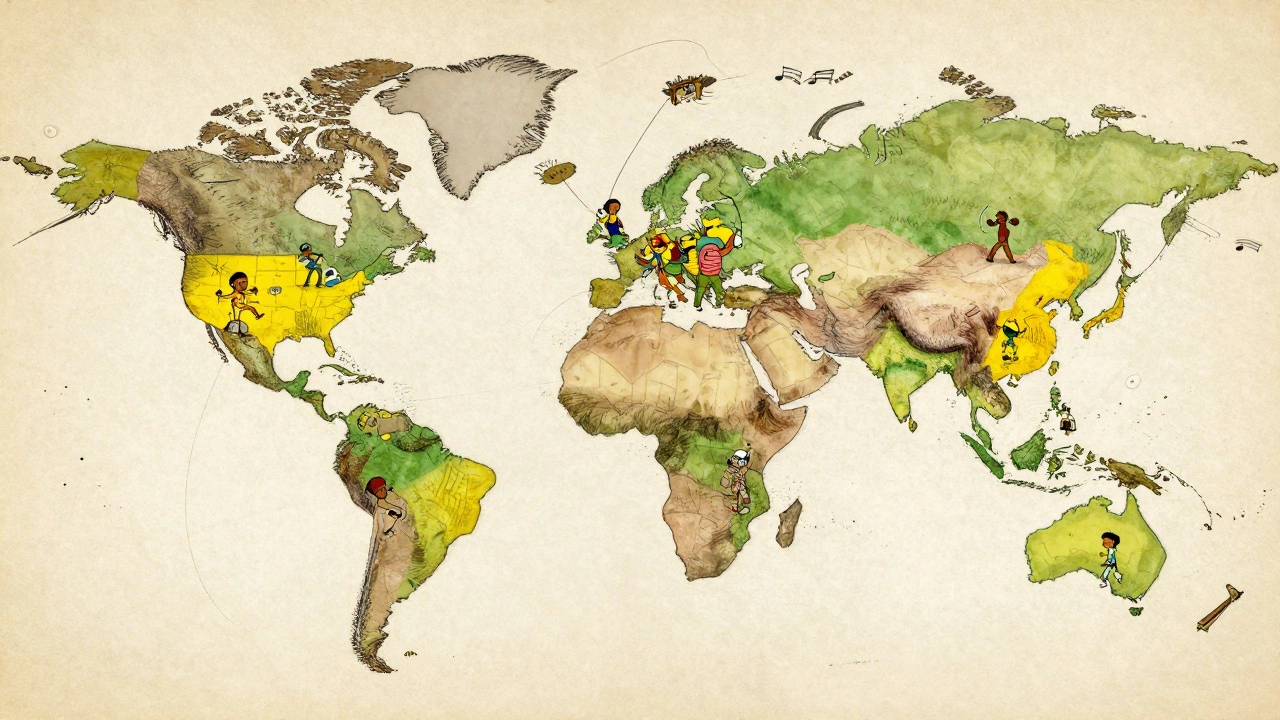
Reggae is no longer just a Jamaican export. It has become a global movement. Artists from around the world are adopting the sound and infusing it with their own cultural perspectives.
In the United States, bands like The Aggrolites and Katchafire have brought reggae to skate parks and college campuses. Their high-energy live performances emphasize community and positivity. In Europe, artists like Sara Lugo (from Spain) and Kiko Bun (from Italy) are creating roots reggae that speaks to European social issues. This geographic diversity proves that reggae’s message of unity and resistance transcends borders.
Streaming platforms have accelerated this global spread. Playlists like "Beyond Bob Marley" on Spotify curate these international voices, exposing listeners to artists they might never have discovered otherwise. This digital accessibility allows niche scenes to thrive and connect with a worldwide audience.
| Artist | Style/Focus | Key Contribution |
|---|---|---|
| Damian Marley | Dancehall/Hip-Hop Fusion | Modernized flow and commercial appeal |
| Chronixx | Roots Revival | Political consciousness and authentic sound |
| Koffee | Upbeat Dancehall | Youth appeal and Grammy recognition |
| Protoje | Soulful Reggae | Melodic innovation and artist development |
Supporting the Culture: More Than Just Music
Reggae is more than audio files. It is a lifestyle. Festivals like Culture Reggae Festival and Rototom Sunsplash offer immersive experiences that include food, art, and dance. These events foster community and educate attendees about the history and values of the genre.
Supporting modern reggae means engaging with this broader ecosystem. Buy tickets to live shows, purchase merchandise directly from artists, and share their music on social media. When you stream a track, you contribute to the algorithm that helps new artists get discovered. When you attend a festival, you support the local economy and the infrastructure that keeps the scene alive.
The bottom line is simple: the future of reggae depends on active participation. It is not enough to passively listen. You must engage with the culture, respect its roots, and celebrate its innovations. By doing so, you help ensure that the spirit of Bob Marley continues to inspire generations to come.
Who are the top modern reggae artists?
Top modern reggae artists include Damian Marley, Chronixx, Protoje, Koffee, Ziggy Marley, Buju Banton, and international acts like The Aggrolites and Katchafire.
How is modern reggae different from Bob Marley's era?
Modern reggae incorporates elements of hip-hop, R&B, and electronic music. Production techniques are more polished, and lyrical themes often address contemporary issues like digital connectivity and global climate change, whereas Marley's era focused heavily on post-colonial struggle and Rastafarian spirituality.
Is Tuff Gong Studios still active?
Yes, Tuff Gong Studios remains an active recording facility in Jamaica. It is managed by Cedella Marley and continues to produce music for both legacy and new artists.
Why did Koffee win a Grammy so young?
Koffee won the Grammy for Best Reggae Album in 2021 for her debut album Juice. Her unique blend of upbeat dancehall rhythms with conscious lyrics resonated with critics and audiences, marking a significant moment for youth representation in the genre.
Where can I find modern reggae playlists?
Streaming platforms like Spotify and Apple Music feature curated playlists such as "Beyond Bob Marley" and "New Generation Roots." Additionally, following labels like Burning Sounds and Tuff Gong Records will keep you updated on new releases.