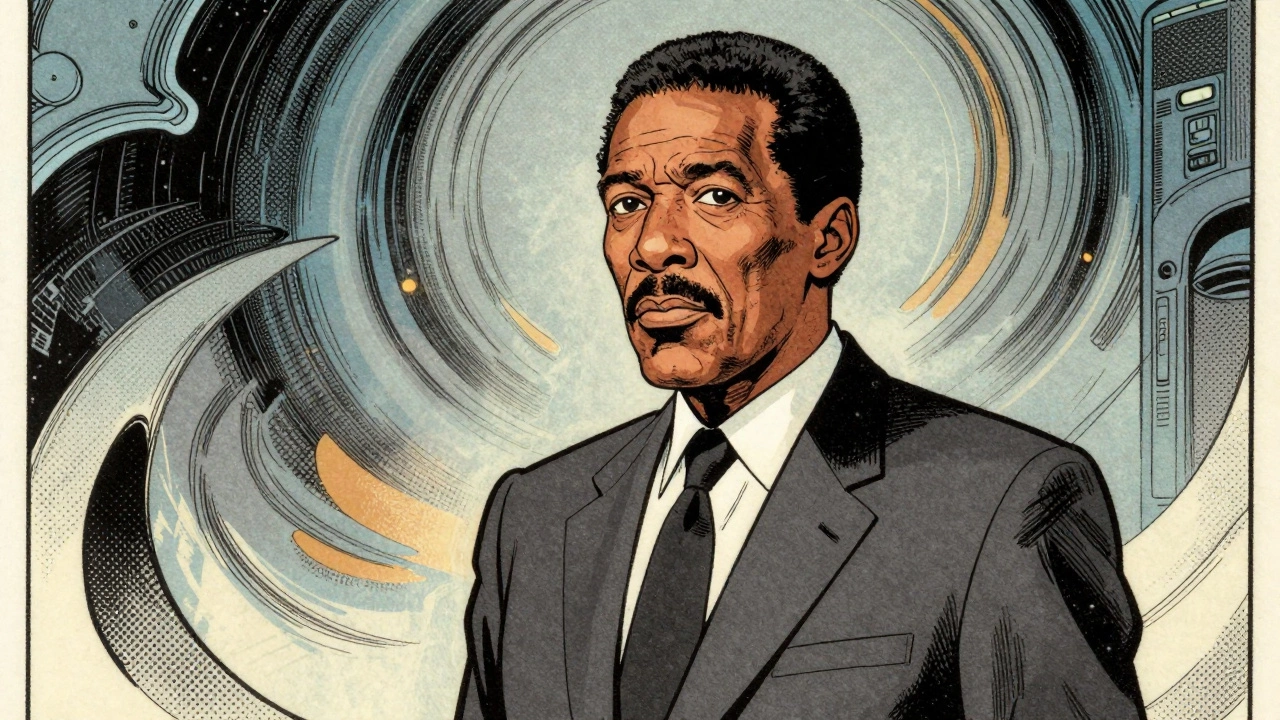

When you think of Marvin Gaye, a legendary American singer-songwriter who defined the sound of Motown in the 1960s and 70s, images of "What’s Going On" or "Let’s Get It On" usually pop up first. But there is another chapter to his story that often gets overlooked. The early 1980s marked a radical shift for Gaye. He wasn’t just repeating past glories; he was reinventing himself as an elder statesman of soul, blending spiritual depth with the cold, electronic textures of a new decade. This period, spanning from roughly 1979 until his tragic death in 1984, produced some of his most innovative and commercially successful work.
The Breakup With Motown and In Our Lifetime?
Gaye entered the 1980s carrying heavy baggage. His relationship with Motown Records, the label that launched his career under Berry Gordy had fractured completely. The tension came to a head with the release of In Our Lifetime?, an album released by Motown in February 1981. Gaye viewed this project as an unfinished spiritual concept album, a continuation of the social consciousness found in his earlier work. However, Motown executives remixed and edited the tracks against his wishes, even adding a question mark to the title without his approval.
This move infuriated Gaye. He felt betrayed by the very institution that made him famous. The album itself is a fascinating bridge between eras. It features funk-driven grooves mixed with philosophical lyrics about life and love. Tracks like "Praise" and "Heavy Love Affair" show a man grappling with apocalyptic thoughts while trying to find joy. While it didn't chart as high as his 1970s masterpieces initially, critics now see it as a crucial transitional piece. It captures the raw frustration of an artist fighting for creative control.
Exile in Belgium and Personal Rehabilitation
By 1980, Gaye’s personal life was spiraling. He was deeply in debt to the IRS, struggling with cocaine addiction, and dealing with the collapse of his second marriage. To escape the pressure, he left the United States. He spent time in London before settling in Ostend, Belgium, under the care of Freddy Cousaert, a local club owner and promoter.
This period in Europe was transformative. Cousaert provided structure, encouraging Gaye to jog, attend church, and rehearse regularly. While his struggles with addiction didn't vanish entirely, his mental focus sharpened. It was in this quiet coastal town that Gaye began writing the material that would define his comeback. He stepped away from the chaos of Los Angeles and found clarity. This isolation allowed him to experiment with new sounds without the interference of label executives demanding immediate hits.

Midnight Love and the Electronic Shift
In 1982, Gaye finally left Motown after 21 years and signed with Columbia Records, a subsidiary of CBS. This move gave him significant creative freedom, though with a tighter budget. Instead of hiring large orchestras or live bands, Gaye embraced the technology of the era. He leaned heavily on drum machines and synthesizers, crafting a minimalist, intimate sound that stood out in the crowded R&B market.
The result was Midnight Love, released in October 1982. This album represents Gaye’s last studio release during his lifetime and is widely considered one of the greatest late-career reinventions in soul music. The production relies on the Roland TR-808 drum machine, a device known for its deep kick drums and crisp handclaps. Rather than using these tools to create loud dance tracks, Gaye used them to build sensual, bedroom-scale grooves.
The vocal arrangements are the star of the show. Gaye layered his own voice extensively, creating complex harmonies, humming, and call-and-response patterns. This technique replaced the traditional backing bands of his Motown days, making the sound more personal and vulnerable. Songs like "Rockin’ After Midnight" and "Third World Girl" showcase this blend of eroticism and technical precision.
The Global Success of Sexual Healing
No discussion of Gaye’s 1980s work is complete without mentioning "Sexual Healing", the lead single from Midnight Love. Released in late 1982, the song became a massive global hit. It spent ten consecutive weeks at number one on Billboard’s Hot Black Singles chart and reached number three on the Hot 100. Internationally, it topped charts in Canada and New Zealand and cracked the top ten in the UK and Netherlands.
The song’s success was partly due to its accessibility. The simple synth bass line and steady 808 beat made it irresistible on radio. But there was also controversy behind the scenes. Biographer David Ritz later sued for co-writing credit, claiming he suggested the title and concept during conversations with Gaye. A settlement added Ritz as a co-writer alongside Gaye and keyboardist Odell Brown. Despite the legal drama, the track remains a testament to Gaye’s ability to adapt. It won two Grammy Awards in 1983, marking his first competitive wins in over a decade.
Live Performances and Cultural Impact
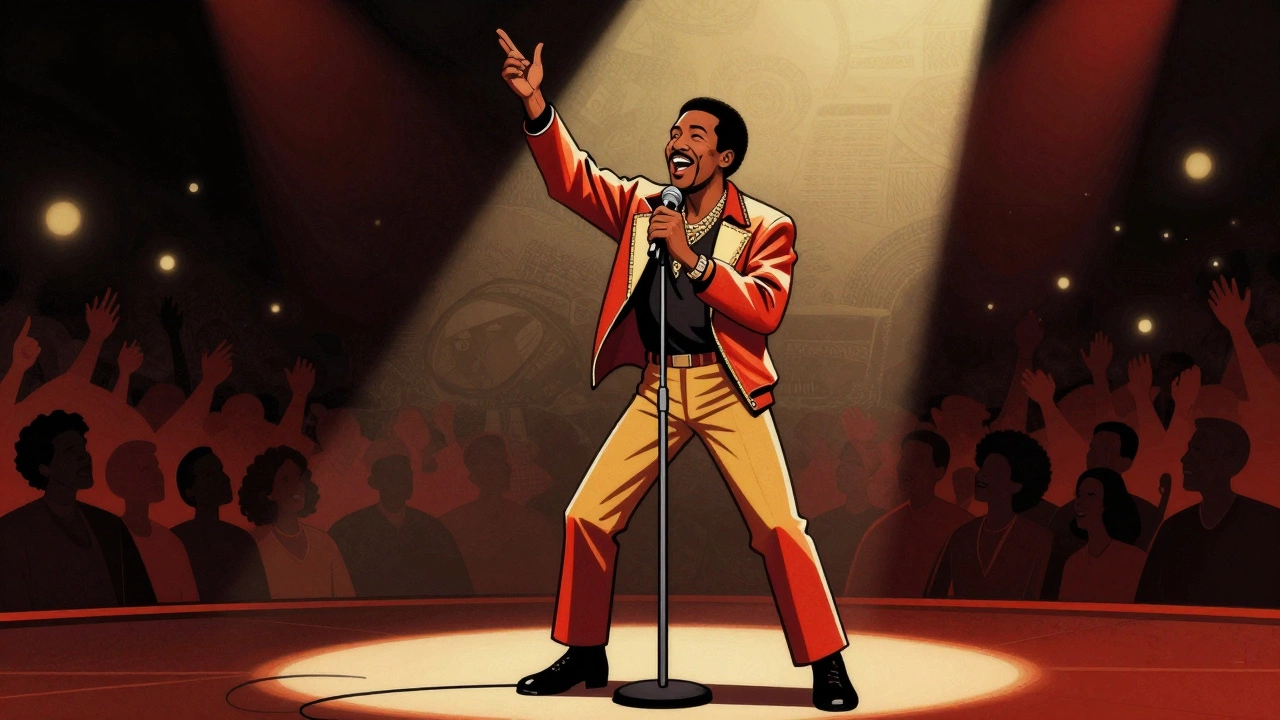
Gaye’s status as an elder statesman was cemented not just by records, but by powerful live performances. In July 1980, he performed at the Montreux Jazz Festival in Switzerland. Even then, he was mixing old classics with newer material, showing a vocal control that impressed audiences despite his age. But it was his appearances in 1983 that truly highlighted his legacy.
On February 13, 1983, Gaye performed "The Star-Spangled Anthem" at the NBA All-Star Game. He reimagined the national anthem as a slow, sensual R&B groove, backed by a pre-recorded drum track. The performance was controversial at the time, with some critics calling it unorthodox. Today, it is hailed as one of the greatest renditions of the anthem ever recorded. It showed Gaye’s confidence and his ability to infuse even patriotic symbols with soulful nuance.
Later that year, he appeared on the "Motown 25" television special. Here, he delivered a spoken monologue on the history of Black music before performing "What’s Going On." The moment was poignant. An older, bearded Gaye reflecting on his legacy alongside peers like Smokey Robinson and The Temptations underscored his role as a guardian of the genre’s history.
Posthumous Releases and Lasting Legacy
Gaye’s life ended abruptly on April 1, 1984, when he was killed by his father in a domestic dispute. In the aftermath, both Motown and Columbia released posthumous albums. Dream of a Lifetime (1985) combined unfinished demos from the Midnight Love era with older tracks, while Romantically Yours (1985) featured jazz standards. These releases were mixed in quality, often criticized for dated overdubs, but they kept Gaye’s name in the public eye.
Ultimately, Gaye’s 1980s output serves as a blueprint for aging artists navigating changing musical landscapes. He didn’t try to compete with younger acts on their terms; instead, he merged his mature perspective with contemporary technology. Artists like Prince, Luther Vandross, and later neo-soul pioneers such as D’Angelo and Maxwell drew inspiration from this era. Gaye proved that soul music could evolve without losing its emotional core, leaving behind a catalog that continues to resonate decades later.
| Album | Release Year | Label | Key Characteristics |
|---|---|---|---|
| In Our Lifetime? | 1981 | Motown | Spiritual themes, funk grooves, disputed editing |
| Midnight Love | 1982 | Columbia | Electronic production, TR-808 beats, layered vocals |
| Dream of a Lifetime | 1985 | Motown | Posthumous, unfinished demos, mixed reception |
Why did Marvin Gaye leave Motown?
Gaye left Motown in 1982 due to creative differences and financial disputes. He felt the label interfered with his artistic vision, particularly with the release of In Our Lifetime?, which was edited without his consent. Seeking greater control, he signed with Columbia Records.
What makes Midnight Love unique?
Midnight Love is unique because it blends classic soul vocals with early 1980s electronic production. Gaye used the Roland TR-808 drum machine and synthesizers to create intimate, minimalist grooves, moving away from the large band arrangements of his earlier work.
How successful was "Sexual Healing"?
"Sexual Healing" was a massive commercial success. It spent ten weeks at number one on the R&B charts, reached number three on the pop charts, and won two Grammy Awards. It remains one of Gaye’s most recognizable hits globally.
Did Marvin Gaye recover from his addiction in the 1980s?
Gaye experienced periods of rehabilitation, particularly during his time in Belgium where he received structure and support. However, his struggles with addiction and depression persisted throughout the decade, impacting his health and touring schedule.
Who influenced the sound of Midnight Love?
While Gaye was the primary creative force, the production style was influenced by emerging electronic trends in R&B. Engineers like Peter Denenberg and musicians like Gordon Banks helped shape the minimalistic, synth-heavy sound that defined the album.