
Key Takeaways
- The 1990s saw the birth of a specific sound blending Latin percussion with house music production.
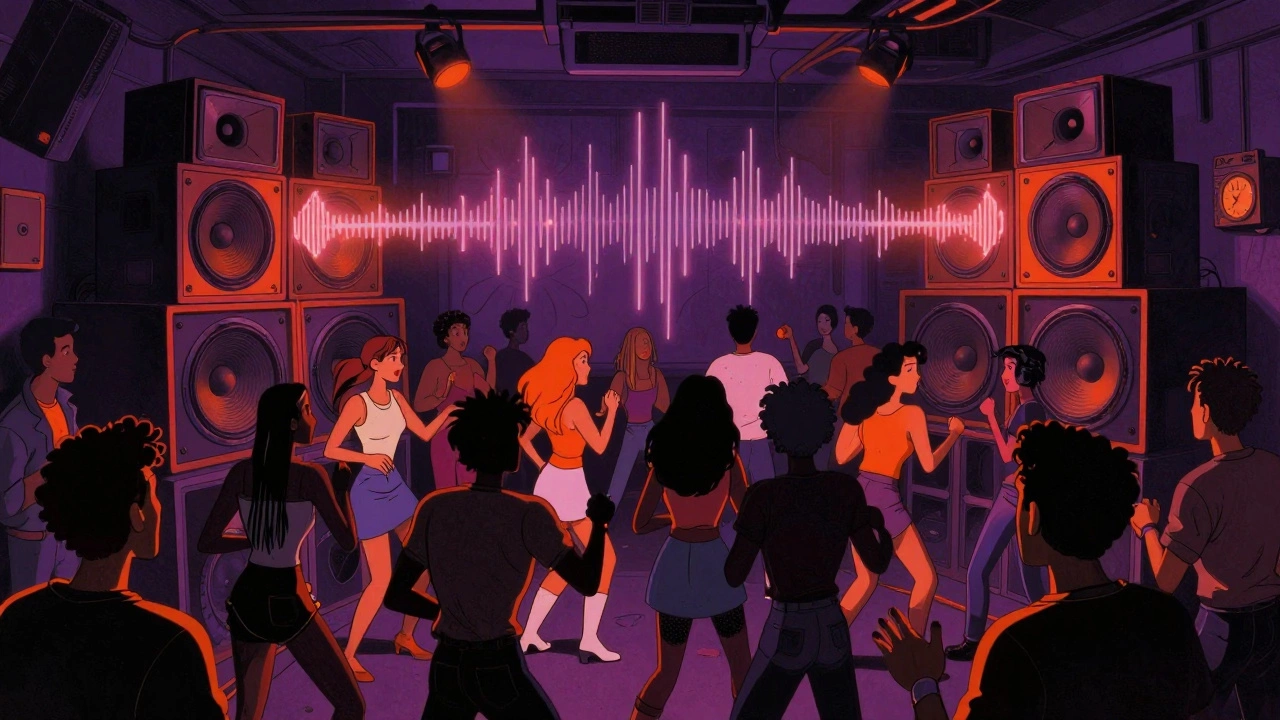
- New York City served as the epicenter, with venues like the Sound Factory Bar acting as sonic laboratories.
- DJ residencies allowed artists to experiment and build a loyal community over time.
- Remix culture was the primary engine for innovation, creating location-specific versions of tracks.
- Key figures like Louie Vega bridged the gap between Nuyorican heritage and global electronic music.
The Architects of the Sound
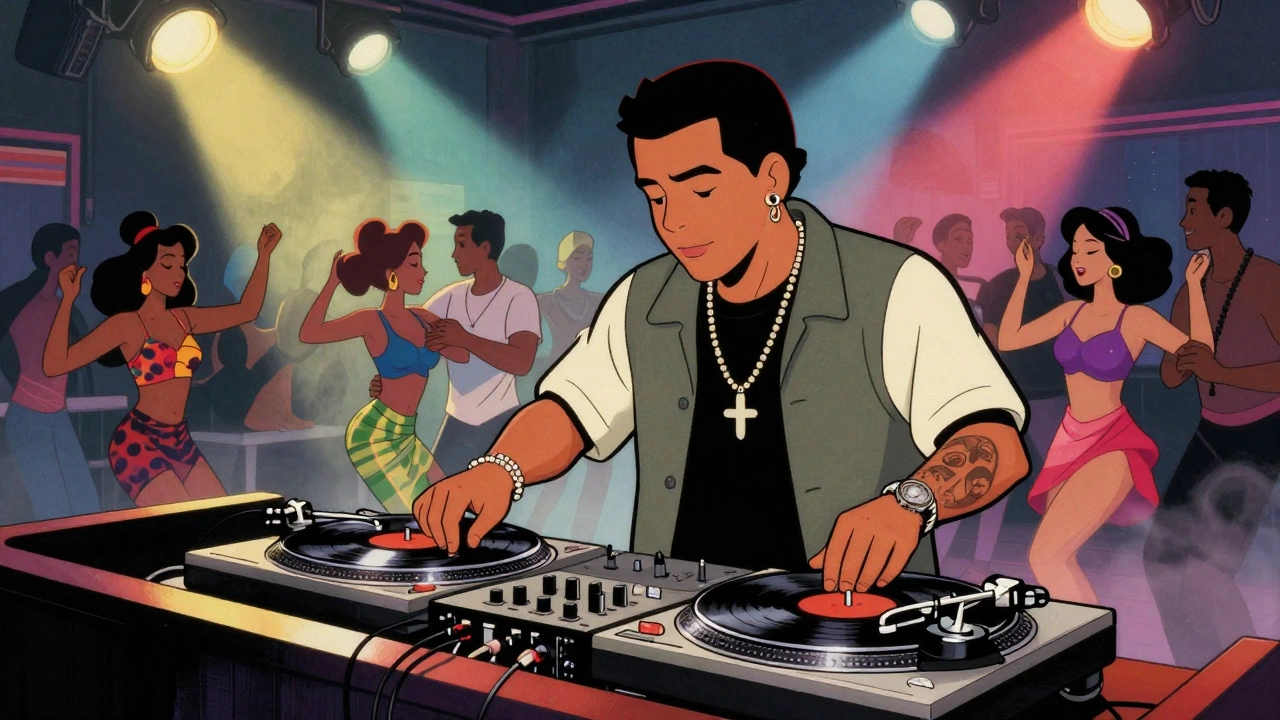
You can't talk about the 90s Latin scene without mentioning Louie Vega. As a Nuyorican icon, Vega didn't just play records; he built the infrastructure for the entire movement. Long before the peak years of 1993-1996, he was securing spots at venues like The Devil's Nest and Heartthrob. These weren't just gigs; they were home bases where he could test how a crowd reacted to a specific blend of salsa-inflected percussion and deep basslines.
The magic happened when these DJs stopped treating Latin music and house music as two different things. Instead of just playing a Latin track and then a house track, they began to weave them together. This created a high-energy, rave-like atmosphere that appealed to both the old-school salsa dancers and the new-school electronic music heads. By the time the Underground Network parties hit the Sound Factory Bar, the sound had evolved into something raw and pulsating, defined by what many call "diva vox" and organ bass.
The Power of the Residency Night
In today's world, we're used to "guest DJs" who fly in for one night and leave. In the 90s, the residency was king. A DJ residency is a long-term arrangement where a DJ plays at a specific venue on a regular basis, allowing them to curate the vibe of the room over months or years. This stability changed the music.
When a DJ had a weekly slot at a place like the Sound Factory Bar, they could take risks. They could play a ten-minute percussion build-up or experiment with a weird remix and know that the regulars would stick with them. It turned the club into an incubator. The crowd and the DJ grew together, creating a feedback loop where the music evolved in real-time based on how the dance floor moved. This is why so many tracks from that era feel so "live"-they were literally forged in the heat of a New York midnight.
Remix Culture and the "Street" Mix
If the residency was the laboratory, the remix was the product. In the 90s, the 12-inch vinyl was the gold standard, and a single track could have five different versions depending on where it was being played. This wasn't just about adding a beat; it was about tailoring the sound to a specific environment.
Take, for example, the work of collectives like R.B.M. and Da Coconut Hut Club. They didn't just release songs; they released "mixes." You had the "Da Bombero Mix" for high-energy peak hours or the "104th Street Mix," which signaled a specific geographic connection to the NYC streets. Tracks like "I Got U Now (12:00 A.M. At The Melting Pot)" by R.B.M. featuring A Freakin Rican show how the music was branded around the actual experience of being in the club at a specific time.
| Track Name | Artist/Collective | Specific Mix/Version | Year | Vibe/Characteristic |
|---|---|---|---|---|
| The Boy | R.B.M. | Ralph's Hard House Mix | 1993 | Raw, aggressive club energy |
| Latin Flavor | R.B.M. | What Women Say At DP Mix | 1994 | Vocal-heavy, infectious rhythm |
| Mexico Lindo | Da Coconut Hut Club | Da 104th Street Mix | 1995 | Location-specific, street energy |
| A Latin Rave | Da Coconut Hut Club | Jammin On Lex Mix | 1996 | High-energy rave fusion |
The Anatomy of a Latin House Track
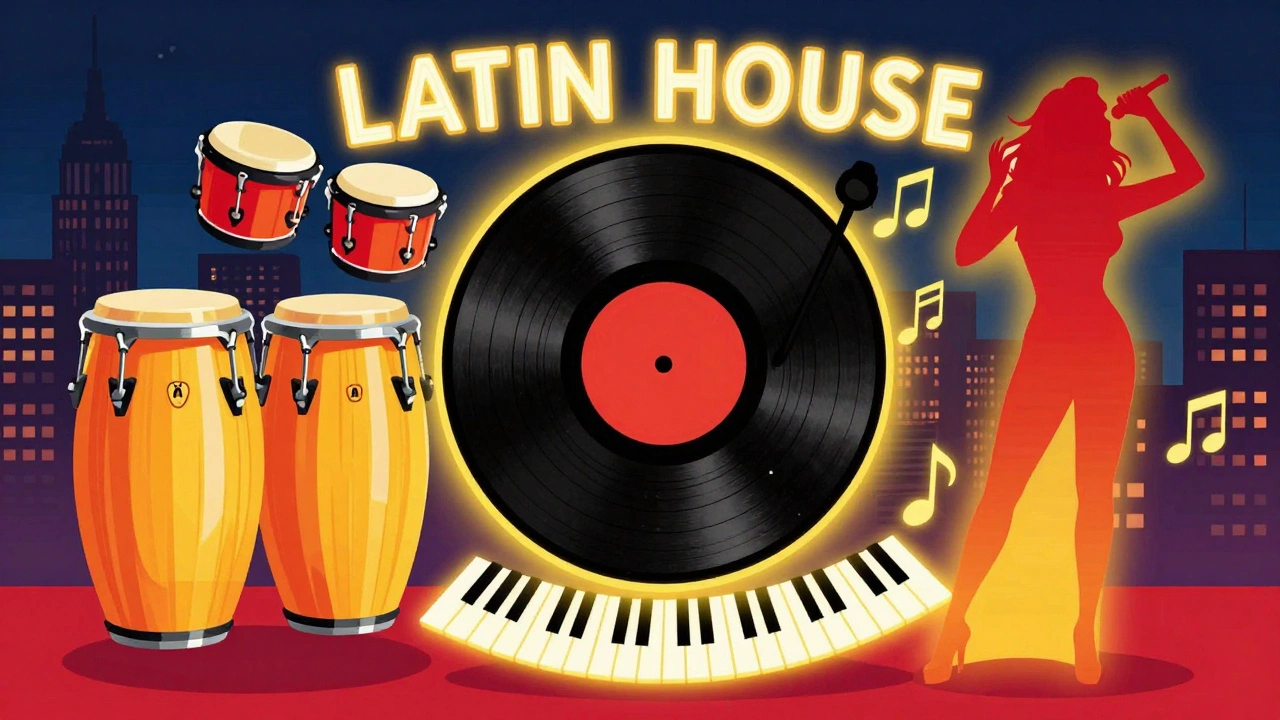
What actually made these tracks work? It was a specific recipe of elements that triggered a visceral reaction. First, you had the four-on-the-floor beat-that steady, thumping kick drum that keeps everyone in sync. But then, the producers would layer in authentic Latin percussion: congas, bongos, and timbales.
To add the "euphoria," they used piano hooks. Think of those bright, rhythmic chords that feel like a sunny day in Spanish Harlem. Then came the vocals-often powerful, soulful "diva" voices that brought a sense of drama and emotion to the track. When you combine a heavy organ bassline with these elements, you get a sound that feels both sophisticated and primal. It was a bridge between the precision of electronic music and the soul of the Caribbean.
Legacy and the Digital Archive
For a long time, much of this culture existed only on vinyl and in the memories of those who were there. Because so much of it was underground, there weren't always official charts or corporate records. However, the internet has changed that. In recent years, a surge of archival interest has seen old DJ mixes from figures like DJ El Niño resurface on YouTube and SoundCloud.
These recordings are vital because they capture the actual flow of a 90s night. They show us that Latin house wasn't just a set of songs, but a continuous journey. By 2025, platforms like Resident Advisor began publishing formal histories of the era, acknowledging that the sounds developed in those sweaty NYC basements laid the groundwork for modern electronic dance music (EDM). The influence is still there today in the way producers blend global rhythms with synthetic beats.
What is the main difference between Latin House and traditional Salsa?
While both share rhythmic DNA and percussion elements, Latin House utilizes the steady, electronic 4/4 beat of house music and synthetic basslines. Salsa relies on complex, live orchestral arrangements and a more fluid rhythmic structure (the clave), whereas Latin House is designed specifically for the repetitive, hypnotic environment of a dance club.
Why were residencies so important in the 90s?
Residencies provided DJs with a consistent laboratory. Instead of playing a "greatest hits" set for a one-off crowd, resident DJs could experiment with new remixes, build long-form tension in their sets, and cultivate a specific subculture of regulars who understood and evolved with the music.
Who were the key figures in the NY Latin House scene?
Louie Vega is often cited as a primary leader and Nuyorican icon of the movement. Other influential forces included the R.B.M. collective, Da Coconut Hut Club, and DJs like DJ El Niño, who helped document and spread the sound through curated mixes.
What are some of the most influential venues from this era?
The Sound Factory Bar was a massive hub for the movement. Other critical spaces included The Devil's Nest and Heartthrob, as well as various locations used for the Underground Network parties.
What does "Diva Vox" refer to in Latin House?
"Diva vox" refers to the powerful, soulful female vocals often sampled or recorded for house tracks. These vocals added a layer of emotional intensity and "gospel-like" energy that contrasted perfectly with the heavy, mechanical beat of the house music.
Next Steps for Music Explorers
If you're looking to experience this era today, start by digging into archival DJ mixes from 1993-1996 on YouTube; look for sets that specifically mention "New York Latin House." If you're a producer, try experimenting with "piano house" chords layered over traditional conga loops to see how that tension creates energy. For those interested in the social side, researching the history of Nuyorican culture in NYC will give you a deeper understanding of why this music felt so revolutionary-it was a sonic representation of a community asserting its identity on the dance floor.


