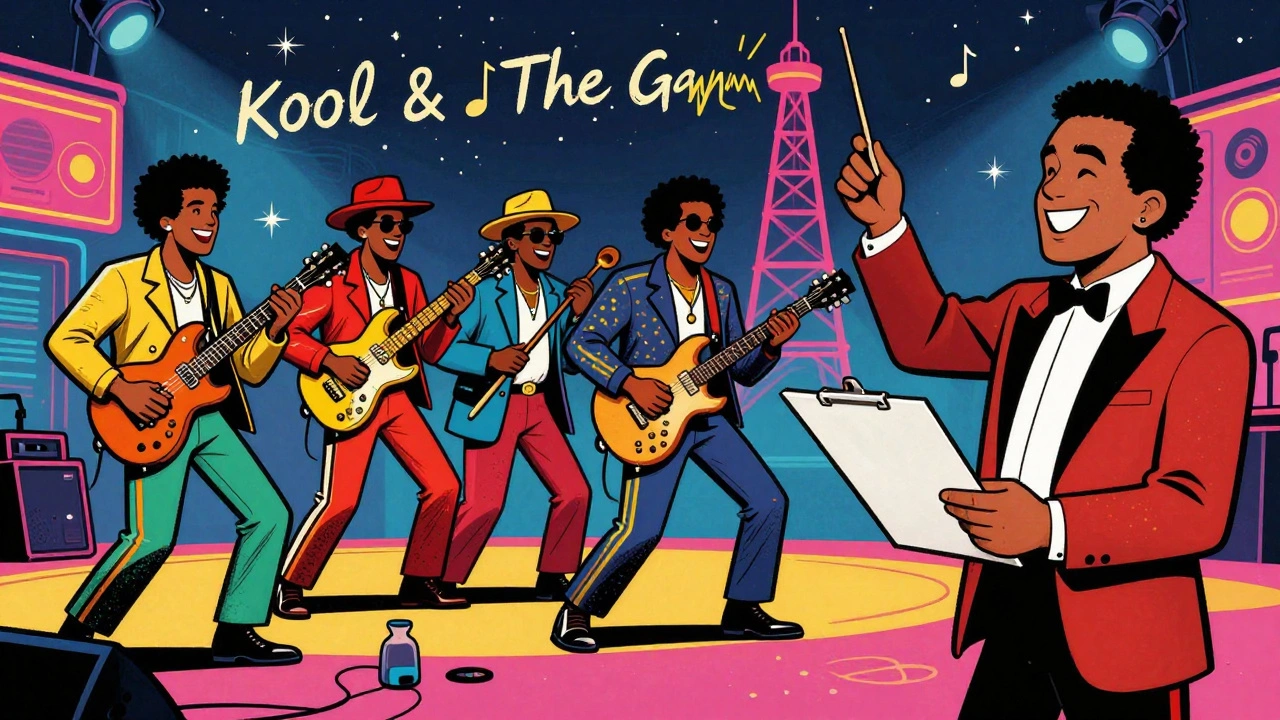

There is a specific moment in music history when raw street funk met polished pop radio, and it happened on dance floors across America in the late 1970s. You hear it every time a stadium erupts for Celebration. It’s not just a party anthem; it is the perfect example of how Kool & the Gang mastered smooth funk, blending tight rhythm sections with unforgettable horn melodies.
If you think funk is only about gritty basslines and complex jazz chords, you’re missing half the story. The band from Jersey City didn’t just play hard; they played smart. They figured out how to make sophisticated arrangements feel effortless. This guide breaks down exactly how they built those accessible grooves, why their horn sections worked so well, and what makes their sound timeless today.
The Shift From Street Funk to Radio Gold
To understand the smooth funk era, you have to look at where the band started. Formed in Jersey City, New Jersey in 1964, the group originally played as the Jazziacs. Their early work in the 1970s was pure, unfiltered funk. Tracks like Jungle Boogie and Hollywood Swinging were aggressive, modal, and dense. The horns punched hard, the bass was busy, and the vibe was strictly for clubs that valued instrumental prowess over catchy hooks.
But something changed around 1979. Two key factors drove this transformation. First, singer James "J.T." Taylor joined the band, bringing a smooth tenor voice that could carry romantic ballads and mid-tempo dance songs. Second, Brazilian producer Eumir Deodato took the helm. Deodato didn’t just record them; he reshaped their sound. He pushed for streamlined song structures, stronger melodic hooks, and cleaner mixes. The result was the album Ladies' Night, which marked the birth of their commercial peak.
This wasn’t a betrayal of their roots; it was an evolution. They kept the funk rhythm but removed the clutter. The goal was accessibility. They wanted songs that worked on Top 40 radio, in discotheques, and at family weddings. That balance is rare in music history.
Anatomy of the Accessible Groove
What makes a groove "accessible"? In the context of Kool & the Gang’s smooth funk, it comes down to three technical elements: tempo, bass simplicity, and drum patterns.
- Moderate Tempos: Most of their hits sit between 100 and 115 beats per minute (BPM). This is fast enough to dance but slow enough to sing along. Compare this to the frantic speeds of later house music or the drag of deep soul.
- Ostinato Bass Lines: Robert "Kool" Bell’s bass playing shifted from busy, syncopated runs to repetitive, one- or two-bar ostinatos. These lines lock tightly with the kick drum, creating a pulse that is easy for any listener to internalize immediately.
- Four-on-the-Floor Drums: While still funky, the drum patterns became more structured. George "Funky" Brown used steady backbeats and clear snare transients. The mix was tighter, with less room for improvisation and more focus on the pocket.
Take Get Down On It as an example. The bass doesn’t wander. It repeats a simple, syncopated figure that anchors the track. The guitar chops on the off-beats, and the drums keep a steady march. This structure allows the other instruments-especially the horns-to shine without fighting for space.

The Role of the Horn Section
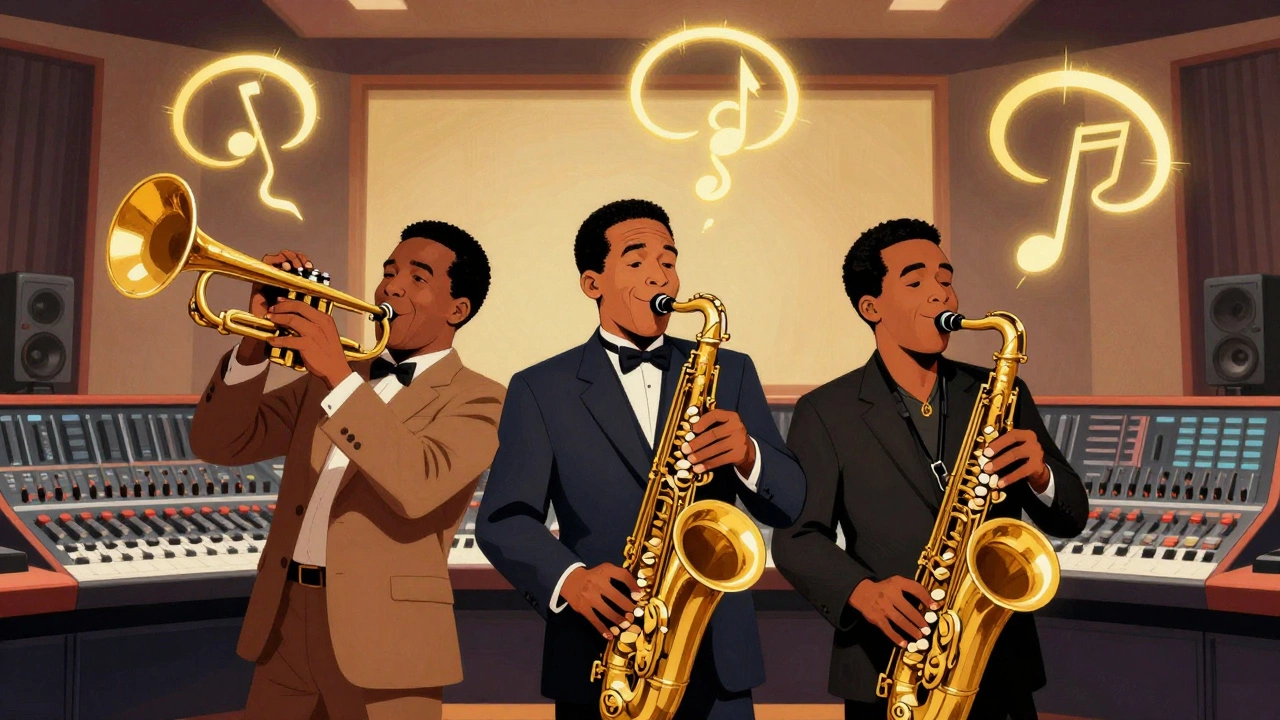
In many funk bands, horns are rhythmic punctuation. In Kool & the Gang’s smooth funk era, horns were the melody. The classic lineup featured Robert "Spike" Mickens on trumpet, Dennis "Dee Tee" Thomas on alto sax, and Ronald Bell on tenor sax. Together, they created a sonic signature that defined the post-disco era.
Unlike the dense, improvisational flurries of their earlier jazz-funk period, these horn parts were meticulously arranged. They favored short, memorable motifs-often just two or four bars long. These riffs doubled the vocal melody, answered lyrical phrases, or stood alone as hook-driven intros. Think of the opening riff of Too Hot. It’s instantly recognizable because it’s simple, bright, and repeated often.
The arrangement technique was crucial. Instead of playing complex jazz voicings, they used simpler triads and dominant-seventh chords in the mid-to-upper register. This kept the sound bright and cutting through the mix without muddying the low end. When the vocals entered, the horns would drop to background pads or punchy accents on the "and" of beat 4, reinforcing the syncopation rather than overpowering it.
| Feature | Early Jazz-Funk (1970s) | Smooth Funk (1979-1985) |
|---|---|---|
| Tempo | Variable, often faster or slower extremes | Consistent 100-115 BPM |
| Horn Style | Dense, improvisational, rhythmic stabs | Melodic, hook-oriented, short motifs |
| Bass Approach | Busy, syncopated, walking lines | Repetitive ostinatos, locked with kick |
| Vocal Focus | Instrumental-heavy, chants | Lead vocals (J.T. Taylor), sing-along choruses |
| Production | Raw, live-band feel | Polished, layered, gated drums |
Production Secrets Behind the Shine
The "smooth" in smooth funk isn’t accidental. It’s a product of late-1970s production trends that prioritized clarity and polish. Eumir Deodato’s approach involved treating each instrument as occupying its own frequency range. There was no overlap chaos.
Drums were tightly gated and equalized to ensure crisp transients. Bass was compressed to provide a solid foundation. Horns were double-tracked or layered to achieve width and brightness. This clean mix allowed the songs to translate well on AM radio, car stereos, and club systems alike.
Even their ballads followed this logic. Songs like Joanna and Cherish slowed the tempo and reduced rhythmic complexity, but they maintained the signature instrumental blend. Synthesizer pads replaced some horn lines, adding warmth without losing the band’s identity. This versatility allowed them to cross over to Adult Contemporary charts while keeping their core R&B audience engaged.
Legacy and Influence
The impact of this era extends far beyond chart numbers. With over 70 million records sold worldwide and multiple Grammy Awards, Kool & the Gang proved that funk could be mainstream. But their real legacy lies in sampling culture. Hip-hop producers recognized the richness of these recordings.
For instance, DJ Jazzy Jeff & The Fresh Prince’s 1991 hit Summertime samples Summer Madness, a track from their earlier period that already showed hints of the smoother aesthetic. The lush keyboards and extended chords provided perfect beds for rap verses. Today, tracks like Celebration remain staples in sports arenas, weddings, and movies, proving that accessible grooves have a longer shelf life than niche experimentation.
For modern musicians, studying this era offers valuable lessons. You don’t need to be a virtuoso to create a hit. You need tight timing, memorable melodies, and a respect for the listener’s ear. The horn players didn’t solo endlessly; they served the song. The bassist didn’t show off; he anchored the groove. That discipline is what made their sound endure.
Frequently Asked Questions
Who produced Kool & the Gang's smooth funk albums?
Brazilian producer and arranger Eumir Deodato was responsible for shaping the band's smooth funk sound starting in 1979. He worked closely with the band to streamline their arrangements and enhance their melodic hooks.
What defines the "smooth funk" style?
Smooth funk is characterized by moderate tempos (100-115 BPM), repetitive and syncopated bass lines, clean production, and horn sections that play melodic hooks rather than just rhythmic stabs. It blends funk rhythms with pop songwriting structures.
Which Kool & the Gang song reached number one on the Billboard Hot 100?
The song "Celebration," released in 1980, reached number one on the Billboard Hot 100 in early 1981. It remains their most iconic hit and a global anthem for parties and events.
How did the horn section change during the smooth funk era?
In the smooth funk era, the horn section moved away from dense, improvisational jazz-funk styles to shorter, memorable melodic motifs. They focused on simple harmonies and tight unison lines that acted as hooks for the songs.
Who was the lead vocalist during the smooth funk period?
James "J.T." Taylor joined Kool & the Gang in 1979 and served as the dedicated lead vocalist during their smooth funk era. His smooth tenor voice helped the band crossover to pop and adult contemporary charts.


