
Pop music changed forever in the 1990s, but not because of a new sound. It changed because of how it looked. Janet Jackson is an American singer, songwriter, and dancer who redefined pop performance through synchronized choreography and narrative-driven concept albums during the 1990s. While other artists focused on lyrics or melody alone, she built entire worlds where movement was just as important as the music itself.
If you watched MTV back then, you remember the precision. You remember the military-style stomps of "Rhythm Nation" and the fluid, sensual isolations of "If." But there’s more to her decade-defining run than catchy hooks. Her work from 1990 to 1999 established a blueprint for modern pop stardom that artists like Beyoncé and Britney Spears still follow today. Let’s look at how she used choreography and album concepts to take total control of her artistry.
The Blueprint: From "Control" to the Early 90s
To understand the 1990s, we have to start with the foundation laid in the late 80s. Her 1986 album Control is a studio album that established Janet Jackson's artistic independence and introduced her signature sharp, street-influenced dance style. This record wasn’t just about breaking away from her family name; it was about claiming ownership over her body and her career.
Choreographer Paula Abdul is a dancer and choreographer who helped develop Janet Jackson's iconic sharp, street-influenced dance style during the Control era. worked closely with Jackson to create a look that mixed jazz precision with raw street energy. Think about the video for "Nasty." Those aggressive poses and crisp arm movements weren’t accidental. They were a statement. By the time the 1990s hit, this style was fully formed, ready to be scaled up for massive global tours and high-budget videos.
This era proved that a female pop star could be physically demanding and technically flawless. Before this, dance in pop videos was often secondary. Jackson made it central. Every song had a move. Every move had a meaning.
Rhythm Nation 1814: The Power of Ensemble Dance
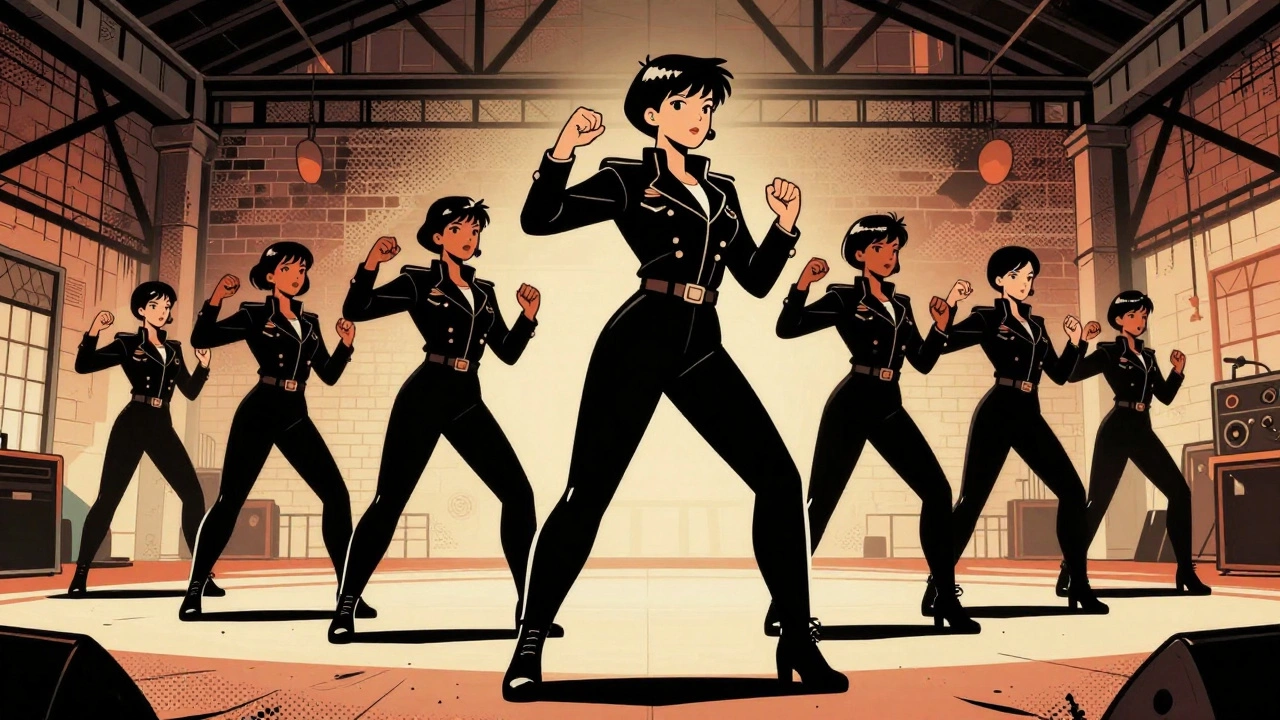
Released in 1989 but dominating the early 90s, Rhythm Nation 1814 is a socially conscious concept album featuring militaristic choreography and themes of unity against racism, poverty, and drugs. was a game-changer. It didn’t just sell records; it created a cultural moment. The title track’s video, set in an industrial warehouse with dancers in black uniforms, became one of the most imitated routines in history.
Anthony Thomas is a choreographer who collaborated with Janet Jackson on the Rhythm Nation video, creating highly synchronized, militaristic dance formations. designed the choreography to look like a drill team. The emphasis was on unison. When one dancer moved, they all moved. This visual strategy reinforced the album’s message: community and unity are stronger than individual chaos.
| Element | Description | Impact |
|---|---|---|
| Militaristic Formations | Drill-like lines and synchronized stomps | Conveyed discipline and collective strength |
| Uniform Costumes | Black pants, white shirts, military jackets | Erased gender distinctions in movement |
| Sharp Isolations | Crisp arm hits and head snaps | Created visual impact on low-resolution TV screens |
The commercial success was undeniable. The album produced seven Top 5 singles between 1989 and 1991, including number-one hits in three consecutive calendar years. But beyond the charts, it proved that pop music could tackle serious social issues without losing its mass appeal. The choreography made the message visceral. You didn’t just hear about unity; you saw it in perfect sync.
janet. (1993): Sensuality and Sexual Autonomy
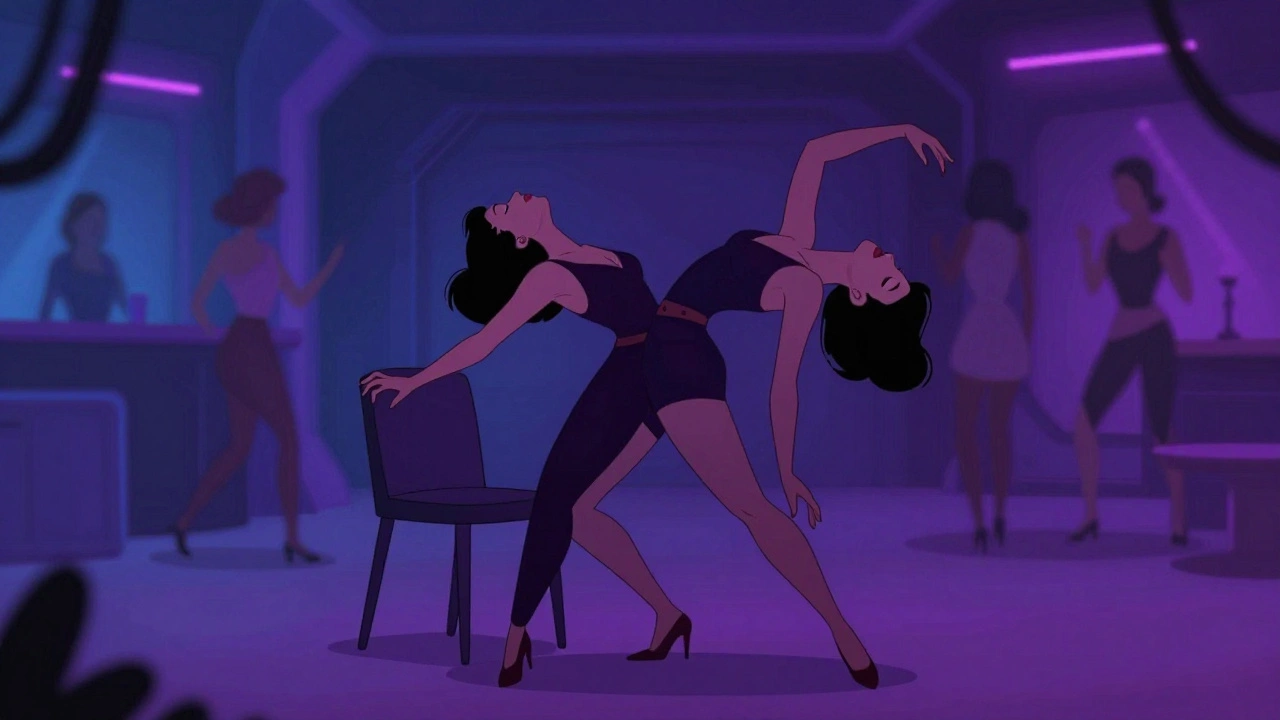
By 1993, the mood shifted. janet. is a 1993 studio album that explored themes of sexual autonomy and intimacy, marked by a stylistic shift toward hip-hop soul and sensual choreography. dropped the military aesthetic for something softer, darker, and more intimate. The lowercase title with a period signaled a new chapter. She was no longer the girl fighting for control; she was the woman exercising it.
The video for "That’s the Way Love Goes" showed her in a relaxed loft, dancing with friends. The moves were groove-based, focusing on torso rolls and subtle footwork. It was improvisational yet controlled. Then came "If." Set in a futuristic club, this video featured rapid-fire footwork, chair work, and complex pelvic isolations. It was technically demanding and unapologetically erotic.
This era highlighted her ability to adapt her dance style to different musical textures. Where "Rhythm Nation" was about group power, "janet." was about personal pleasure. Choreographer Tina Landon is a longtime collaborator who choreographed Janet Jackson's Janet World Tour, blending militaristic discipline with fluid R&B movement. helped translate this duality to the stage. The Janet World Tour (1993-1995) combined high-energy ensemble numbers with solo moments that showcased her vulnerability and strength.
The Velvet Rope (1997): Vulnerability as Strength
In 1997, Jackson released The Velvet Rope is a 1997 concept album addressing domestic violence, homophobia, and mental health, featuring trip-hop influences and theatrical choreography. This is widely considered her most ambitious work. The album deals with heavy topics: depression, childhood trauma, BDSM, and AIDS. The "velvet rope" metaphor refers to both the exclusivity of nightlife and the psychological barriers people build around themselves.
The choreography reflected this complexity. The video for "Got ’til It’s Gone" featured stylized social dancing that evoked apartheid-era South Africa, focusing on atmosphere rather than rigid formations. In contrast, "I Get Lonely" returned to precise ensemble work, with dancers executing synchronized chair routines in a long corridor. It echoed the technical difficulty of "If" but with a moodier, more introspective tone.
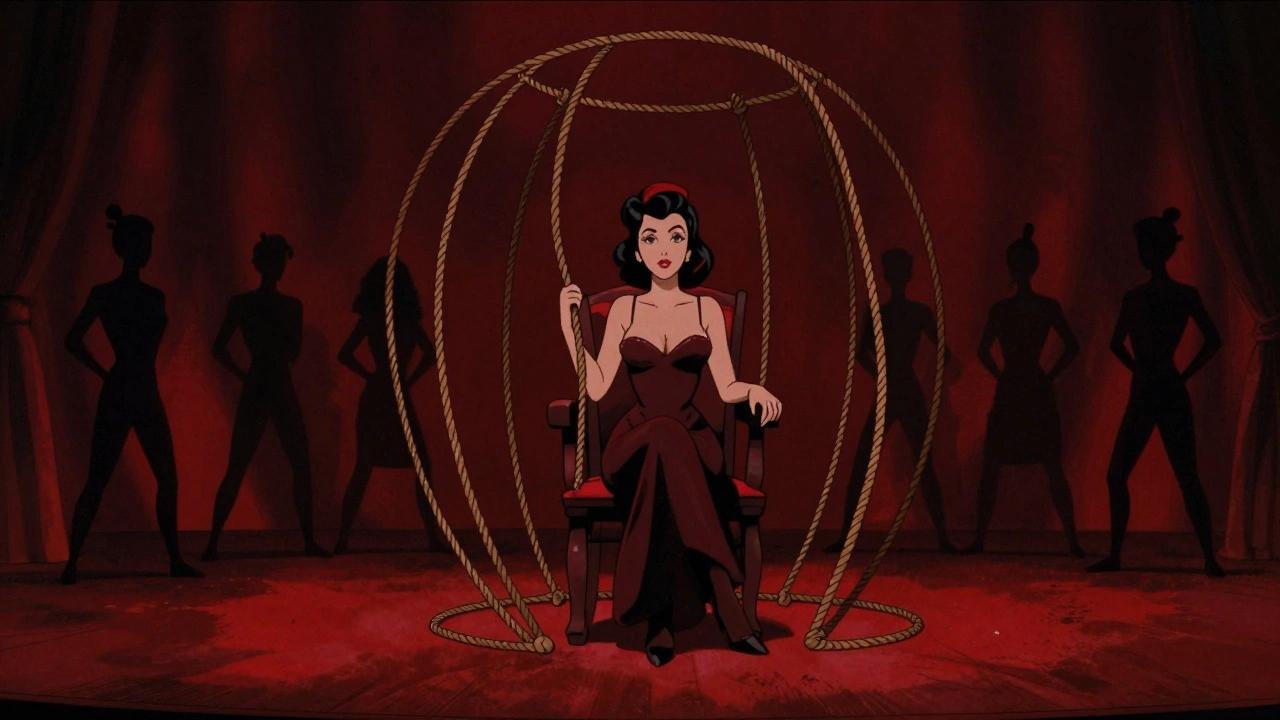
The Velvet Rope Tour (1998-1999) took these themes further. One segment featured a rope-and-chair routine inspired by S&M imagery, blending bondage aesthetics with controlled, slow-burn movements. It was controversial but powerful. It showed that dance could explore dark, uncomfortable subjects while remaining artistically rigorous. Jackson wasn’t just performing; she was telling a story about healing and acceptance.
Legacy: Why Her 90s Work Still Matters
Today, when you see a pop star perform with eight backup dancers in matching outfits, you’re seeing the legacy of Janet Jackson’s 1990s. Artists like Beyoncé is a pop superstar whose ensemble-driven choreography and concept albums were directly influenced by Janet Jackson's 1990s performances. and Britney Spears is a pop icon whose early-2000s dance-heavy videos and stage shows drew inspiration from Janet Jackson's choreographic blueprint. adopted this model. They learned that choreography isn’t just decoration; it’s a language.
Dance educators still use her routines as benchmarks. YouTube playlists titled "Janet Jackson Tutorials" break down steps from "Rhythm Nation" and "If," showing how difficult they are to master. The timing, the isolations, the stamina-it’s not easy. Fans on Facebook and Instagram continue to celebrate her 1990 AMAs performance as one of the best ever, praising its perfection.
Her work also broke barriers for Black women in mainstream media. She proved that they could be sexually autonomous, socially conscious, and technically brilliant all at once. She didn’t ask for permission. She took control.
What makes Janet Jackson's 1990s choreography unique?
Her choreography combined sharp, militaristic precision with fluid, sensual movements. Unlike many peers who relied on loose, improvisational styles, Jackson emphasized exact synchronization, clean lines, and intricate footwork. This blend allowed her to convey both power and vulnerability through dance.
How did "The Velvet Rope" differ from her earlier albums?
While earlier albums like "Rhythm Nation 1814" focused on social justice and "janet." explored sexual autonomy, "The Velvet Rope" delved into personal trauma, mental health, and identity. Musically, it incorporated trip-hop and industrial sounds, and visually, it used darker, more theatrical staging to reflect these heavier themes.
Who were the key choreographers behind Janet Jackson's 1990s work?
Paula Abdul helped establish her signature style in the late 80s. Anthony Thomas co-created the iconic "Rhythm Nation" routine. Tina Landon choreographed much of the Janet World Tour and The Velvet Rope Tour, adapting her style for large-scale live productions.
Why is "Rhythm Nation 1814" considered a concept album?
It tells a cohesive story about a fictional nation united by music to fight social ills like racism and poverty. The album uses interludes, recurring sound motifs, and thematic sequencing to connect songs about social responsibility with those about personal relationships, creating a unified narrative arc.
How has Janet Jackson influenced modern pop stars?
She established the template for the modern pop spectacle: high-concept visuals, synchronized ensemble dances, and thematic album narratives. Artists like Beyoncé, Rihanna, and Lady Gaga have cited her as a major influence, particularly in how they integrate dance and storytelling into their performances.