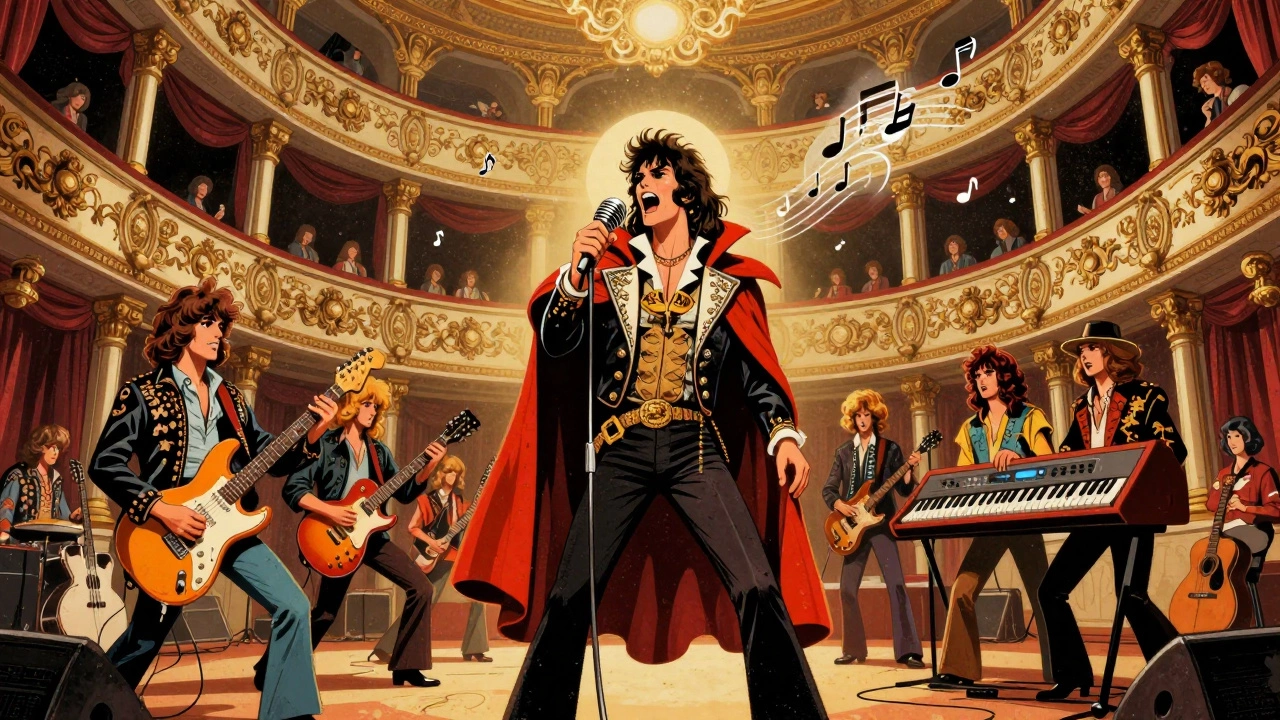

Imagine a world where the raw energy of 1970s rock collided with the dramatic flair of an Italian opera house. That's exactly what happened with Rock Progressivo Italiano is a unique musical movement from the early 1970s that blended symphonic classical elements with traditional Italian folk and rock. It wasn't just a copy of what was happening in London; it was a proud, regional evolution that turned the Mediterranean landscape into a sonic playground.
The DNA of the Italian Sound
To understand why Italian prog sounds the way it does, you have to look at the environment. While bands in the UK were experimenting with long-form compositions, Italian musicians had a centuries-old heritage of opera and classical music literally built into their city walls. This meant that when they picked up electric guitars and synthesizers, they didn't just play rock-they played symphonies.
The scene grew out of the 60s "beat" music and was heavily sparked by the tours of British giants like King Crimson and Yes. Italian artists took those influences and marinated them in local flavors. The result was a style characterized by lush arrangements, daring time signatures, and a vocal passion that sometimes bordered on the theatrical.
PFM: The Global Ambassadors
If you're looking for the gold standard of the era, look no further than Premiata Forneria Marconi (known as PFM). Founded in 1970, PFM became the first Italian rock group to break through internationally, proving that Italian music could compete on the global stage. Their name, which translates to "Award-winning Marconi Bakery," reflects a certain Italian charm and humility, but their music was anything but simple.
PFM did something bold: they didn't just export their records; they adapted. Between 1973 and 1977, they recorded five albums with English lyrics specifically for the UK and US markets. They weren't just playing clubs; they were hitting the Reading Festival and appearing on The Midnight Special in America. By introducing synthesizers to the Italian public and blending them with traditional melodic structures, PFM created a blueprint for how a regional band could achieve worldwide fame.
Banco: The Classical Powerhouse
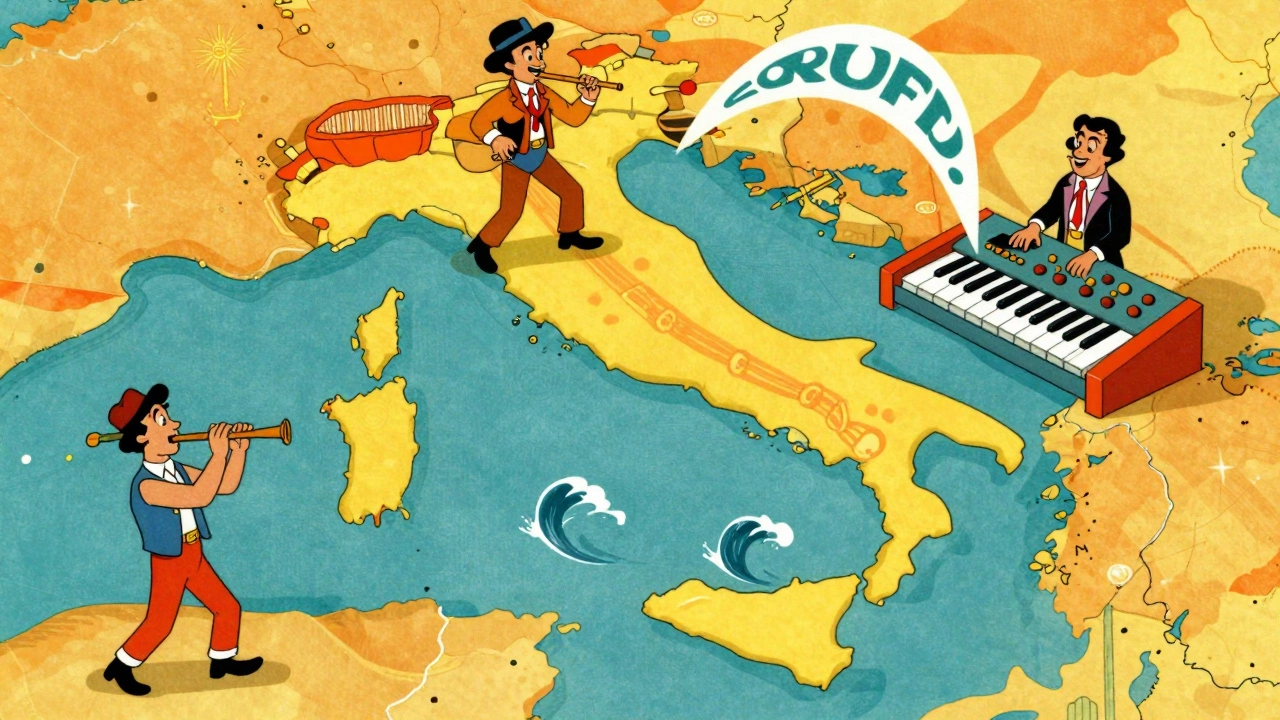
While PFM was conquering the charts, Banco Del Mutuo Soccorso was carving out a different kind of legacy. Formed in 1968 in the Lazio region near Rome, Banco was led by the Nocenzi brothers and leaned heavily into 18th and 19th-century classical composition.
Banco's approach was often more rigorous and structurally complex. While some Italian prog bands leaned into aggressive "vocal screaming," Banco and PFM generally showed more restraint, focusing on the harmonic beauty of the music. A great example of their international ambition is the Banco 1975 album. Instead of just releasing their old work, they re-recorded and reworked their first and third albums with translated lyrics to make them more accessible to listeners outside Italy.
The Manticore Connection
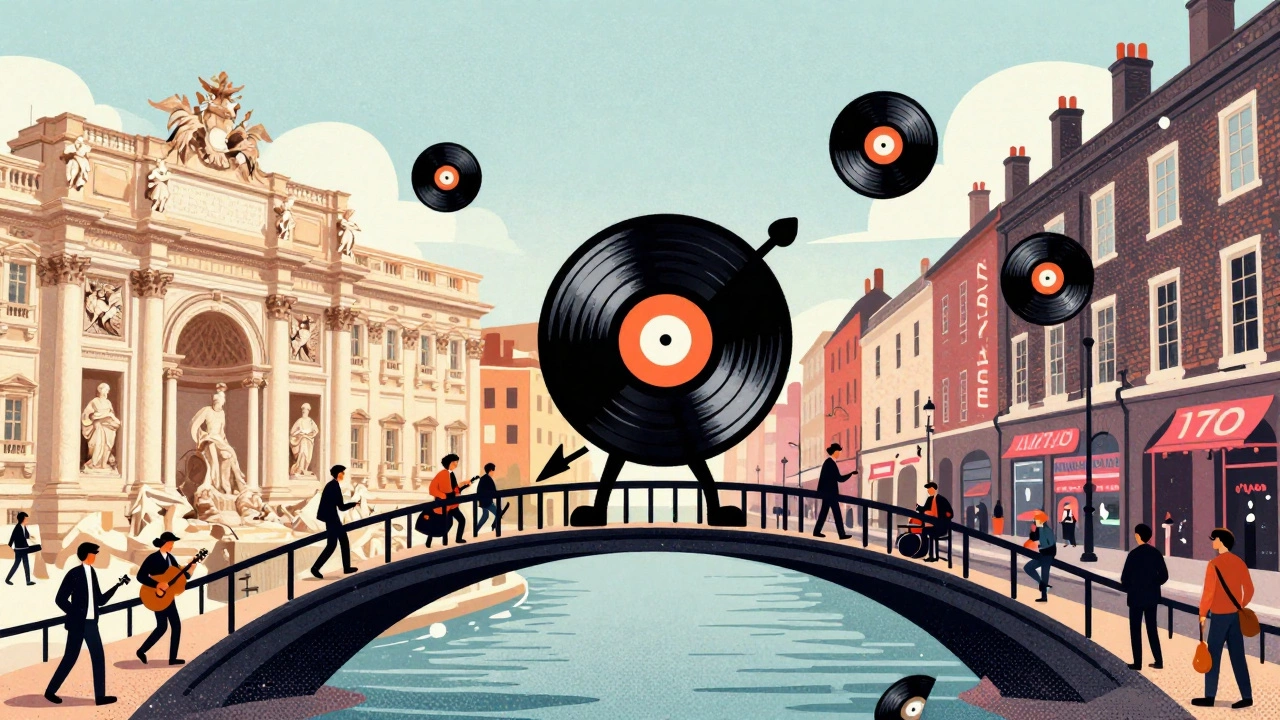
How did these bands actually get onto record players in New York or London? Much of it comes down to one man: Greg Lake. As a member of Emerson, Lake & Palmer, Lake had the industry clout and the vision to spot the brilliance coming out of Italy. He founded Manticore Records, a label that became the primary bridge for Italian prog to reach the English-speaking world.
By signing both PFM and Banco, Manticore provided the professional distribution and marketing muscle these bands needed. Without this strategic partnership, the "Italian wave" might have remained a hidden gem known only to obsessive crate-diggers. Instead, it became a recognized pillar of the progressive rock genre.
| Feature | PFM | Banco | Le Orme |
|---|---|---|---|
| Primary Influence | Symphonic/Folk Blend | 18th-19th Century Classical | Atmospheric/Experimental |
| Global Strategy | English-language albums | Re-recorded international versions | Translated key albums (e.g., Felona and Sorona) |
| Key Strength | Melodic accessibility | Complex composition | Mood and texture |
Beyond the Big Two: The Wider Scene
It's easy to focus only on PFM and Banco, but the Italian scene was vast. There was a clear divide between the "International Tier"-PFM, Banco, and Le Orme-and the bands that stayed domestic. Le Orme, for instance, followed the same path as the others, re-recording their 1973 masterpiece Felona e Sorona in English for the UK market.
But if you dig deeper, you find a treasure trove of other acts. Groups like Goblin brought a darker, cinematic edge (famous for their soundtrack work), while Il Balletto Di Bronzo and Osanna pushed the boundaries of the genre with more aggressive or avant-garde styles. This diversity shows that Rock Progressivo Italiano wasn't just one sound, but a collection of regional voices experimenting with the limits of rock music.
Regional Identity as an Artistic Choice
What makes this era special is that these musicians didn't try to hide their "Italian-ness." Whether it was the Roman influence seen in Banco's formation in the Lazio region or the use of operatic vocal delivery, the regional identity was the secret sauce. They proved that you could use global instruments (like the Moog synthesizer) to tell local stories.
By integrating Italy's rich musical history into contemporary rock, they created a coherent national phenomenon. They weren't just imitating the British; they were engaging in a musical dialogue, taking the complex structures of Genesis or Yes and adding a Mediterranean passion and melodic sensibility that was entirely their own.
What is the main difference between British and Italian prog rock?
While both value complexity and long songs, Italian prog is more deeply rooted in the country's operatic and classical traditions. This often results in more dramatic vocal performances and a specific type of melodicism tied to Italian folk and symphonic history.
Why did PFM and Banco record in English?
It was a strategic move to enter the lucrative UK and US markets. By translating lyrics and sometimes reworking arrangements, they made their music more accessible to listeners who were already fans of English-speaking bands like Yes or Emerson, Lake & Palmer.
Who was Greg Lake and why does he matter to this scene?
Greg Lake was a member of the supergroup ELP and the founder of Manticore Records. He provided the essential infrastructure for Italian bands to get international distribution, effectively acting as the gateway for PFM and Banco to reach global audiences.
Are there any other essential Italian prog bands I should know?
Absolutely. Beyond the big three, you should check out Goblin for a darker sound, Le Orme for atmospheric compositions, and Osanna or Il Balletto Di Bronzo for more experimental and aggressive takes on the genre.
Is Italian progressive rock still active?
Yes, many of the original acts, including Banco and PFM, have maintained a presence over the decades, though lineups have changed. The influence of the 70s scene also continues to inspire modern "Neo-Prog" artists globally.


