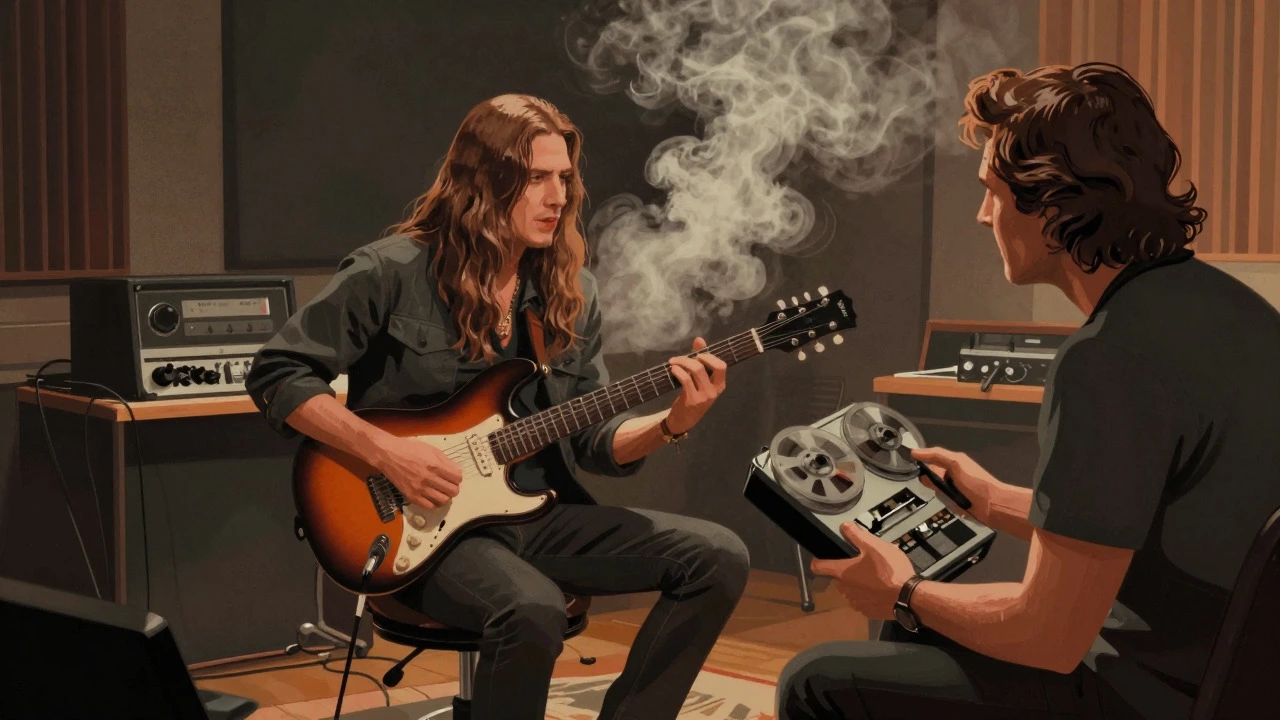

Picture this: you just finished a two-hour conversation with a legendary guitarist in a dimly lit studio in Portland. The air is thick with smoke and stories. You have hours of raw audio files on your recorder. Now comes the hard part. You need to turn that messy, rambling, emotional stream of consciousness into a tight, readable article that captures their spirit without distorting their words.
This is the core challenge of interview transcription and editing in music journalism. It is not just about typing what someone says. It is about crafting a "voice on the page." You are acting as both a stenographer and an editor, balancing the need for accuracy with the need for readability. If you get it wrong, you misrepresent the artist. If you get it right, you create a piece of writing that feels alive, authentic, and engaging.
The Three Levels of Transcription
Before you start typing or hitting play, you need to decide on your level of detail. Not every interview needs the same treatment. In the industry, we generally look at three main approaches: full verbatim, clean verbatim, and edited literary transcripts.
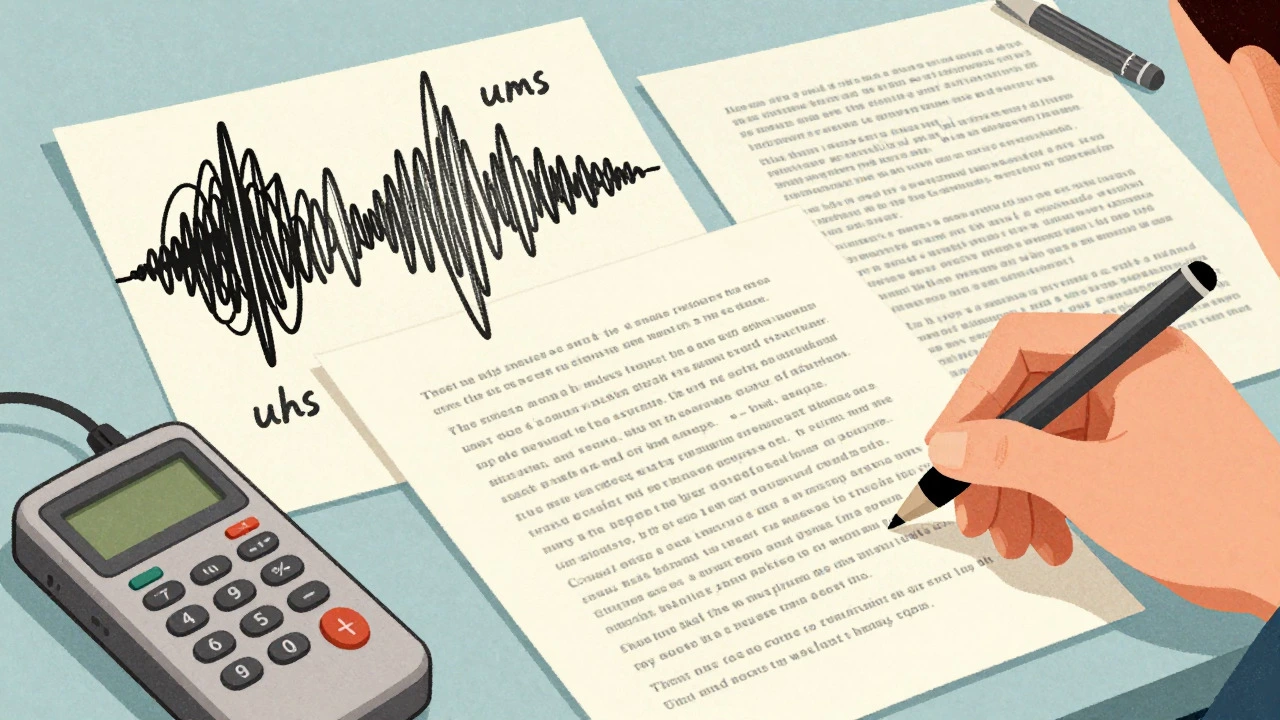
Full verbatim is exactly what it sounds like. You type everything. Every "um," every "uh," every false start, and every [laughter] tag goes into the document. This is crucial for oral history projects or legal records where every nuance matters. However, for a magazine feature or a blog post, full verbatim can be exhausting to read. Imagine reading a paragraph where the subject repeats themselves five times before getting to the point. It kills the momentum.
Clean verbatim is the gold standard for most music journalism. Here, you strip out the filler words (ums, uhs, likes) and fix obvious grammatical slips, but you keep the speaker’s unique phrasing and tone intact. You remove the clutter so the reader can focus on the message. For example, if a drummer says, "I mean, I guess... well, yeah, the kit was heavy," you might edit it to, "The kit was heavy." You preserved the fact, but removed the hesitation.
Edited or literary transcripts take even more liberty. These are often used in long-form narrative non-fiction. You might reorder sentences for better flow or paraphrase complex explanations while keeping the direct quotes for the punchlines. This approach requires a delicate touch. You must ensure that the rearranged text still reflects the truth of the conversation.
Capturing the Audio: Technical Foundations
You cannot edit what you cannot hear. The quality of your transcript starts long before you open your word processor. It begins with how you record the interview. Many journalists make the mistake of relying solely on their phone’s microphone in a noisy coffee shop. This creates "transcription nightmares" where background chatter and overlapping speech make it impossible to distinguish who said what.
For the best results, use a dedicated digital recorder with an external microphone. Position the mic equidistant between you and your subject. If you are doing a remote interview via Zoom or Skype, ensure both parties are using headphones to prevent echo. Before you start asking questions, state on tape: the date, the location, the names of everyone present, and the topic of discussion. This metadata saves you hours of guessing later when you are trying to identify a specific segment in a three-hour file.
In 2026, AI transcription tools have become incredibly sophisticated. Services like Amberscript or Otter.ai can generate a draft transcript in minutes. However, do not trust them blindly. AI struggles with proper nouns, especially band names, song titles, and obscure technical terms related to gear. An AI might transcribe "Fender Stratocaster" as "fender strat-o-caster" or worse, completely misspell a local indie band’s name. Always plan for a manual review phase.
The Workflow: From Raw Audio to Draft
Once you have your recording and your initial draft (whether typed manually or generated by AI), follow a structured workflow. Jumping straight into editing without a plan leads to errors and missed insights.
- First Pass - Quick Scan: Read through the entire transcript without stopping. Do not edit yet. Just highlight standout quotes, key themes, and sections that seem confusing. Note any timestamps where the audio was unclear. This pass should take about 5-10 minutes per hour of audio.
- Second Pass - Detailed Review: Focus on the highlighted sections. Check complex terms, statistics, and names against the original audio. Listen to the context around each quote. Did the speaker say something sarcastic? Is there laughter that changes the meaning? Mark these nuances in your notes.
- Third Pass - Fact-Checking: Verify all proper nouns, dates, and numbers. If the musician mentions a tour in 1998, check the setlist archives. If they mention a producer named "Rick Rubin," spell it correctly. Accuracy builds credibility.
- Fourth Pass - Shaping the Narrative: Now you start crafting the voice on the page. Organize quotes by theme. Remove redundancies. Tighten sentences for readability. Ensure the transition between quotes flows logically.
Use a foot pedal if you are transcribing manually. It allows you to control playback with your feet, keeping your hands on the keyboard. This speeds up the process significantly and reduces physical strain.
Ethical Editing: Preserving Meaning
Editing is not cheating, but it does come with ethical responsibilities. The primary rule is simple: never alter the meaning of a statement. Even a small change can distort the speaker’s intent. For instance, changing "I usually drink coffee" to "I always drink coffee" alters the frequency and could be misleading.
Here are some accepted practices for ethical editing in music journalism:
- Remove Filler Words: Cutting "um" and "like" is standard practice unless the filler word itself is significant (e.g., a nervous tic during a tense moment).
- Fix Grammar: Correct subject-verb agreement and tense consistency for readability, but preserve distinctive colloquialisms if they add character.
- Use Ellipses: Use [...] to indicate omitted parts of a sentence. This shows the reader that you have condensed the quote without changing its essence.
- Mark Inaudible Sections: Use [inaudible] or [crosstalk] when you cannot clearly hear what was said. Never guess. It is better to leave a gap than to insert a falsehood.
- Preserve Context: When selecting quotes for publication, read the surrounding exchanges. A quote taken out of context can paint a completely different picture than the speaker intended.
If you are unsure whether an edit changes the meaning, err on the side of caution. Keep the original wording. You can always clarify in a footnote or a parenthetical note if necessary.
Crafting the Voice on the Page
The goal of editing is not just clarity; it is also engagement. You want the reader to feel like they are sitting across from the artist. This means preserving the speaker’s unique voice. If a poet uses unusual syntax, keep it. If a punk rocker speaks in short, aggressive bursts, maintain that rhythm.
Think of yourself as a curator. You have thousands of words. Your job is to select the best 1,000 to 3,000 words that tell the story. Look for quotes that reveal emotion, insight, or humor. Avoid quotes that simply restate facts already covered in the introduction.
Structure your article around themes rather than chronological order. Group quotes about the creative process together. Group quotes about personal life separately. This creates a coherent narrative arc. Use transitions to guide the reader from one theme to the next. For example:
"When asked about the pressure of touring, Smith laughed. 'It’s chaos,' she said. But behind the chaos, there is a method. 'We rehearse for weeks before we hit the road,' she explained.'
Notice how the transition connects the idea of chaos with preparation. This kind of weaving makes the article feel polished and professional.
Tools and Resources for Journalists
In 2026, you have access to powerful tools that can streamline your workflow. Here is a comparison of common options:
| Tool Type | Pros | Cons | Best For |
|---|---|---|---|
| AI-Powered Services (e.g., Amberscript) | Fast, accurate speaker identification, handles multiple languages | Struggles with niche terminology, requires subscription | Long interviews, quick turnaround |
| Manual Transcription Software (e.g., Express Scribe) | Full control, no internet required, integrates with foot pedals | Time-consuming, requires high typing speed | Sensitive interviews, low-budget projects |
| Remote Recording Platforms (e.g., Riverside.fm) | High-quality local recordings, automatic cloud backup | Requires both parties to download software | Remote interviews, podcast-style content |
Regardless of the tool you choose, remember that human judgment is irreplaceable. AI can transcribe words, but only a human can understand tone, sarcasm, and cultural context. Always listen to the audio alongside your transcript. Trust your ears.
Final Polish: Consistency and Style
Before publishing, perform a final consistency check. Ensure that you are using the same formatting throughout. If you bold interviewer questions, do it every time. If you indent interviewee responses, keep it uniform. Create a style guide for yourself or your team to maintain consistency across multiple articles.
Also, consider the visual presentation of your quotes. Large blocks of text can be intimidating. Break up long quotes with attribution tags or descriptive sentences. This keeps the reader engaged and helps them digest the information.
Finally, ask a colleague to proofread your work. A fresh pair of eyes can catch errors you missed. They can also provide feedback on whether the voice on the page feels authentic. Does the artist sound like themselves? Or do they sound like a generic spokesperson? Aim for the former.
Crafting a voice on the page is an art form. It requires patience, precision, and empathy. By mastering the techniques of transcription and ethical editing, you honor the artist’s story and deliver a compelling experience for your readers. In the world of music journalism, where authenticity is currency, getting this right is essential.
What is the difference between verbatim and clean verbatim transcription?
Verbatim transcription includes every single word, including filler words like "um" and "uh," false starts, and non-verbal sounds. Clean verbatim removes these fillers and corrects minor grammatical errors to improve readability while preserving the speaker's original meaning and tone. Clean verbatim is preferred for most journalism because it is easier for readers to consume.
How do I handle inaudible sections in an interview transcript?
If a section of audio is unclear due to noise, crosstalk, or mumbling, mark it with brackets such as [inaudible] or [crosstalk]. Do not guess what was said. If possible, ask the interviewee to repeat the unclear part during the interview. If that is not possible, leave the bracketed note in the transcript to indicate that the content is missing.
Is it ethical to edit grammar in direct quotes?
Yes, it is generally acceptable to correct minor grammatical errors in direct quotes for clarity, provided that the meaning remains unchanged. However, avoid over-editing. If the speaker has a distinctive dialect or colloquialism that adds character to their voice, preserve it. The goal is readability without losing authenticity.
What tools are best for transcribing music interviews in 2026?
In 2026, AI-powered services like Amberscript and Otter.ai are popular for their speed and accuracy. For higher control, manual transcription software like Express Scribe combined with a foot pedal is effective. For remote interviews, platforms like Riverside.fm offer high-quality local recordings and built-in transcription features. Choose based on your budget, timeline, and need for accuracy.
How can I ensure I don't take quotes out of context?
Always read the surrounding exchanges before selecting a quote. Listen to the audio again to check the tone and context. Ask yourself if the quote accurately represents the speaker's overall argument. If you cut parts of a sentence, use ellipses [...] to show the omission. When in doubt, include more context rather than less.
Should I use AI transcription for sensitive interviews?
AI transcription is convenient, but for highly sensitive interviews, consider the privacy implications. Some AI services store data on their servers. If confidentiality is paramount, use offline manual transcription software. Additionally, AI may misinterpret nuanced or emotional language, so human review is always necessary regardless of the tool used.
How long does it take to transcribe one hour of audio?
Manual transcription typically takes 4 to 6 hours for one hour of audio, depending on the speaker's clarity and complexity. AI-generated drafts can reduce this to 30-90 minutes of editing and verification time. Factors like accents, background noise, and technical jargon can increase the time required.
What is the role of a foot pedal in transcription?
A foot pedal allows you to control audio playback (play, pause, rewind) using your feet, keeping your hands free to type. This increases efficiency and reduces physical strain on your wrists and fingers. It is particularly useful for manual transcription where precise control over playback speed is needed.


