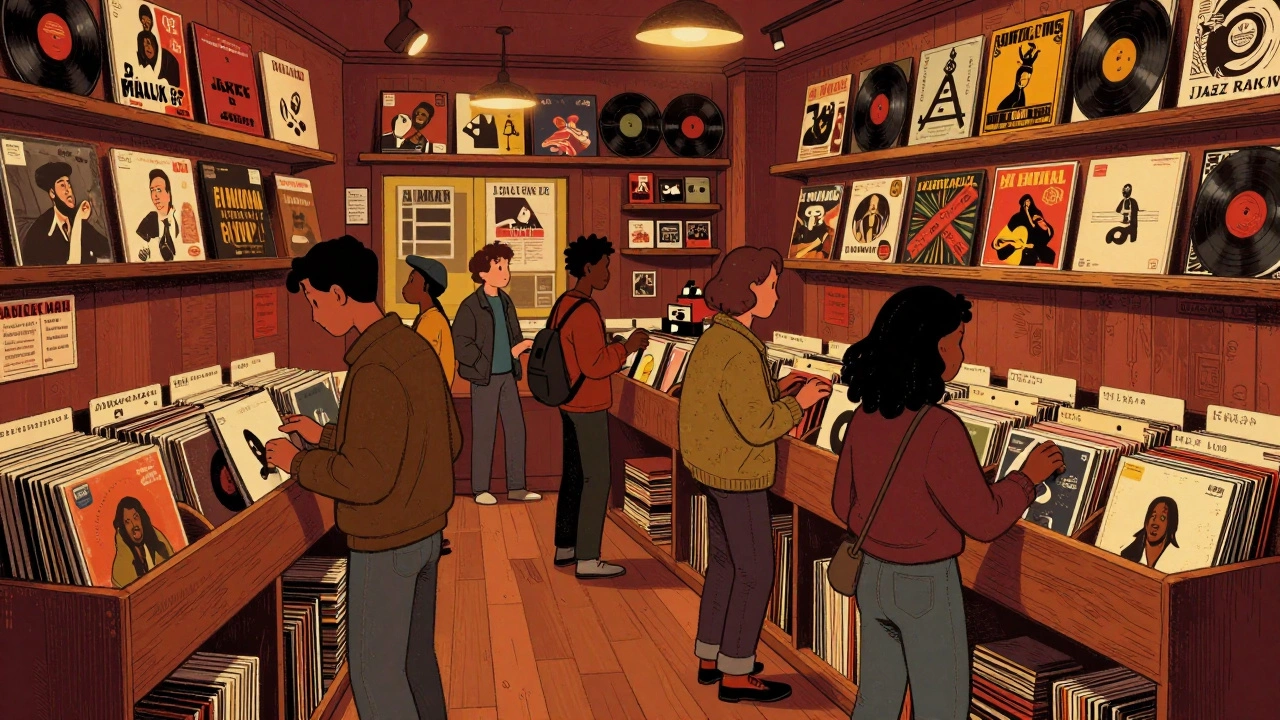

Walk into any major chain music store today, and you’ll likely find shelves dominated by pop hits and algorithmic playlist fodder. But step into a dedicated record shop in London’s Soho or browse the curated digital storefronts of independent distributors, and a different world emerges. This is the realm of independent record labels specializing in funk, soul, and jazz. These operations aren’t just surviving; they are thriving by rejecting the homogenization of the major label system. They offer artists creative control and give listeners authentic, high-quality physical media that connects them directly to musical history.
The Roots of Independence: Prestige and the Early Model
To understand why independent labels matter today, you have to look back at where it started. The blueprint was drawn decades ago by pioneers who believed music should be made for art, not just profit. Prestige Records, founded in New York in 1949, stands as one of the earliest and most prolific examples. While major corporations were chasing radio-friendly singles, Prestige focused on building comprehensive catalogs of bebop, hard bop, and modal jazz.
Music historians note that Prestige’s output matched or even exceeded the quality and quantity of major label releases during its peak. It proved that an independent operation could sustain itself through dedication to genre integrity rather than commercial trends. This model created a template: prioritize the artist’s vision, maintain strict quality control, and build a loyal community of collectors who value authenticity over mass appeal.
Modern Curation: The Rise of Soul Jazz Records
Fast forward to the early 1990s, and a new wave of independence emerged with a different strategy. Soul Jazz Records, established by Stuart Baker, took a broader approach. Instead of sticking to one narrow genre, the label aimed to make cultural connections through diverse, dance-oriented compilations. Their releases span reggae, house, hip-hop, punk rock, bossa nova, and soul, alongside traditional jazz and funk.
This fusion approach characterizes many contemporary independent labels. They don’t just release albums; they curate experiences. Soul Jazz Records exemplifies this by combining archival discovery with contemporary reissues. They dig deep into international musical traditions, bringing obscure gems to a global audience. This curation-focused model contrasts sharply with major labels, which often rely on developing rosters for short-term hits. Independent labels invest heavily in packaging, liner notes, and storytelling, turning each release into a tangible piece of culture.
Community Hubs: More Than Just Distribution
One of the biggest advantages independent labels hold is their ability to create community. Major labels are distant corporate entities, but independents often feel like neighbors. A prime example is Sounds of the Universe, the record shop located in Soho, London. Owned by Soul Jazz Records, this space functions as both a retail outlet and a cultural hub. It’s a place where fans gather, discover new music, and connect with the people behind the records.
This integration of retail, distribution, and artistic curation allows labels to bypass the cold efficiency of big-box retailers. By maintaining a physical presence, these labels foster loyalty. Fans aren’t just buying a product; they’re supporting a ecosystem that values their taste. This community-driven marketing is far more effective than expensive ad campaigns because it relies on trust and shared passion.
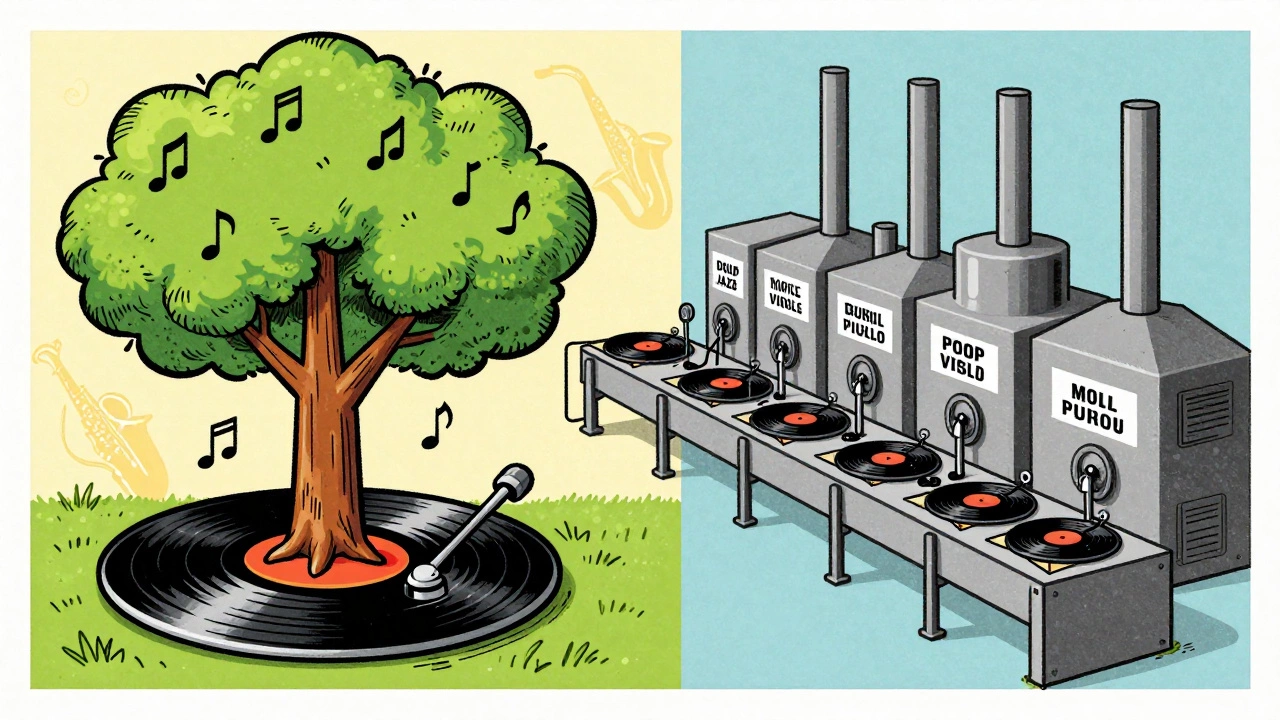
The Indie Roster: Daptone, Colemine, and Beyond
The ecosystem of independent funk, soul, and jazz labels is vibrant and varied. If you dive into collector forums like Soul Strut, you’ll see names mentioned repeatedly by enthusiasts eager to support "the good ones." Daptone Records has become synonymous with modern neo-soul and funk, producing raw, live-in-the-studio recordings that hark back to the Motown era. Similarly, Colemine Records focuses on gritty, roots-oriented soul and funk from Africa and beyond.
Other notable players include Soul Fire Records, G.E.D Soul, Electric Cowbell, and Kept Records. Each brings a specific flavor to the table. Electric Cowbell, for instance, often highlights rare African funk and disco, while Kept Records specializes in vintage soul reissues. Together, these labels demonstrate that there is no single way to run an indie label. Some focus on archival digging, others on nurturing new talent, but all share a commitment to genres that major labels largely ignore.
Economics of Authenticity: Why Vinyl Matters
You might wonder how these small operations survive in an age of streaming. The answer lies in the economics of physical media, specifically vinyl. Since the resurgence of vinyl sales around 2008, independent labels have found a sustainable business model. Collectors are willing to pay premium prices-often $25 to $35 USD-for limited edition pressings, reissues, and curated compilations. Compare this to the $15 to $20 price point for standard major label releases, and the margin difference becomes clear.
Independent labels thrive on scarcity and authenticity. They produce smaller runs with higher production values, appealing to enthusiasts who value tactile engagement with music. This model reduces dependence on streaming royalties, which are notoriously low. By focusing on direct-to-consumer sales through platforms like Bandcamp and specialized online retailers, these labels keep more revenue in their own pockets. Bandcamp, in particular, has become a primary platform for contemporary independent jazz and funk, allowing artists to sell directly to fans without middlemen taking large cuts.

Filling the Void Left by Majors
The decline of major label investment in funk, soul, and jazz since the 1980s has actually been a blessing for independents. Giants like Universal, Sony, and Warner Bros. now treat these genres primarily as archival assets. They reissue old catalog titles but rarely develop new artists in these spaces. This creates a massive opportunity for independent labels to become the primary venues for both new and historical releases.
For emerging artists, this means a viable career path outside the traditional major label contract. Successful independent releases can attract licensing offers from majors later, but the artist retains creative control and ownership in the meantime. This shift has led to a golden age of creativity in these genres, with artists free to experiment without pressure to conform to radio formats or viral trends.
The Role of Critics and Curators
In a fragmented market, discovery is key. This is where resources like Soul and Jazz and Funk, an independent news and reviews website compiled by Charles Waring and Bill Buckley, play a crucial role. As two of the UK’s most experienced music journalists, they provide critical evaluation and discovery resources for releases from independent sources. Their work helps bridge the gap between niche labels and global audiences, ensuring that quality music gets the attention it deserves.
Social media also amplifies this effect. YouTube channels featuring jazz-funk fusion content and album showcases reach millions of viewers worldwide. Hashtags like #vinylcommunity and #jazzfusion indicate active engagement among collectors who seek out recommendations from trusted curators. This organic promotion is far more valuable than paid advertising because it builds genuine interest and community.
| Feature | Independent Labels | Major Corporations |
|---|---|---|
| Primary Focus | Artistic integrity and curation | Commercial hits and volume |
| Artist Control | High (creative autonomy) | Low (contractual restrictions) |
| Revenue Source | Physical media (vinyl), direct sales | Streaming, radio play, sync licensing |
| Release Strategy | Compilations, reissues, limited pressings | Singles-driven, global rollouts |
| Community Engagement | Direct, local hubs, collector focus | Broad, impersonal, mass market |
| Investment in Genres | Deep, long-term commitment | Minimal, mostly archival |
Future Trajectories and Sustainability
Looking ahead, the future of independent funk, soul, and jazz labels seems secure. The sector has demonstrated resilience through multiple economic cycles and technological disruptions. While streaming dominates casual listening, the desire for tangible connection to music remains strong. Generational transitions in collector demographics ensure that new fans will continue to seek out these premium physical products.
Sustainability for these labels depends on maintaining artist relationships across economic cycles and continuing to invest in discovery capabilities that differentiate them from algorithmic platforms. As long as there are listeners who value authenticity, storytelling, and high-fidelity sound, independent labels will remain essential guardians of funk, soul, and jazz traditions.
What are some famous independent labels for funk and soul?
Notable independent labels include Daptone Records, known for its modern neo-soul sound; Colemine Records, which focuses on roots soul and African funk; and Soul Jazz Records, famous for its diverse compilations spanning jazz, funk, and world music. Other respected imprints include Prestige Records (historical jazz), Soul Fire Records, and Electric Cowbell.
Why do independent labels focus on vinyl?
Vinyl offers higher profit margins compared to streaming and appeals to collectors who value physical media. Independent labels use limited pressings and high-quality packaging to create scarcity and authenticity, driving demand among enthusiasts willing to pay premium prices ($25-$35) for unique releases.
How do independent labels differ from major corporations?
Independent labels prioritize artistic integrity, creative control for artists, and community building. They often release compilations and reissues, focusing on niche genres like funk and jazz. Major corporations typically focus on mass-market hits, rely on streaming revenue, and exert more control over artists’ creative decisions.
Where can I buy records from independent funk and soul labels?
You can purchase records directly from label websites, through platforms like Bandcamp, or at specialized record shops such as Sounds of the Universe in London. Online retailers specializing in vinyl also carry titles from labels like Soul Jazz Records, Daptone, and Colemine.
Is Prestige Records still active?
Prestige Records is historically significant as one of the earliest independent jazz labels, founded in 1949. While its original operation has evolved, its catalog remains highly influential and is frequently reissued by various entities, preserving its legacy in the jazz world.