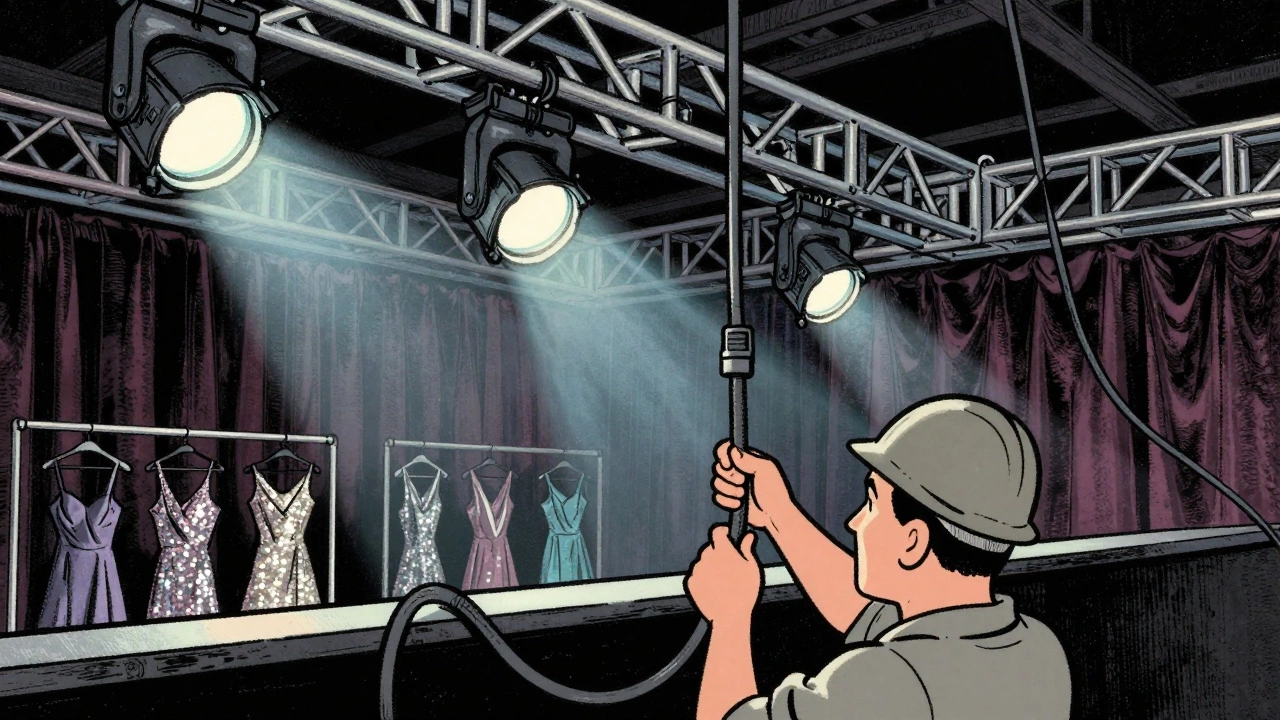

Imagine stepping into a stadium where every surface screams luxury, yet the machinery moving behind the velvet curtain is pure industrial grit. That is the paradox of Iconic Glam Tours. You see the sequins, the floor-length gowns, and the sharp suits reminiscent of the 1920s to 1960s Hollywood era, but what you do not see is the tonnage of steel required to hang those lights above your head. True arena-scale spectacle is not magic; it is a military operation disguised as a party.
The Anatomy of Arena-Scale Spectacle
To understand the weight of the performance, you have to look at the rigging first. When we talk about a tour that blends glamour with industrial power, we are talking about truss systems that weigh thousands of pounds. A typical arena rig might support up to 40,000 pounds of hanging equipment, including lighting arrays, video walls, and pyrotechnics launchers. This structure must be bolted directly to the building’s permanent grid iron, which is why venue approval is the first step in the logistical chain. If the venue lacks sufficient load capacity, the entire show design collapses before the first chord is struck.
The visual element relies on precision. Consider the integration of ride systems. We saw this recently with the return of the Glamor Trams at Universal Studios Hollywood for their 60-year anniversary celebration running from late April through August 2026. These trams are not just transport; they are mobile stages designed to replicate a nostalgic experiential program. They require specific installation protocols, including the setup of authorized replicas like the Hollywood Sign. This teaches us that even "static" tours require dynamic maintenance schedules to keep the illusion intact.
- Grid Iron Load Limits: Every venue has a hard limit, often around 8 lbs per square foot for hanging gear.
- Rigging Certification: Steel cables must be inspected by certified riggers every six months.
- Power Distribution: A single concert requires 2.5 to 4 MW of power, necessitating temporary diesel generators.
Moving the Mountain: Logistics and Transportation
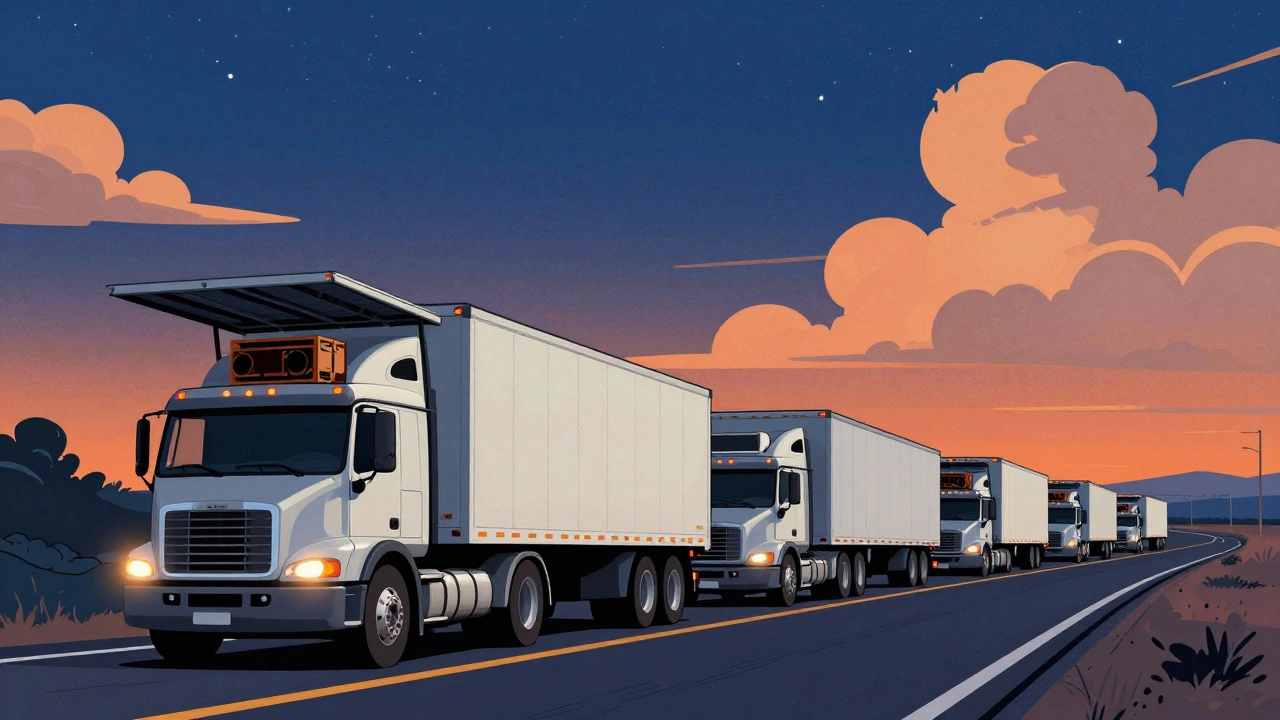
Glamour creates a specific type of logistical headache because the assets are fragile. A standard metal detector won't save a diamond-encrusted microphone pack. The supply chain for a global tour involves roughly 15 to 20 production trucks traveling in a convoy. These are specialized semi-trailers with hydraulic lift gates capable of raising cargo 12 feet off the ground to level-load directly onto the stage dock.
The timeline is brutal. A full arena breakdown takes 24 hours after the final show to pack everything away. The load-in for the next city starts 48 hours before opening night. During this window, the road crew works in shifts to unpack backline instruments, set the sound boards, and install the scenery. One famous logistical failure happens when the freight forwarder mislabels a crate containing the lead singer's custom boots. Delays cost money, and in this industry, time literally equals lost revenue.
The Tech Stack: From Backline to Pyrotechnics
Underneath the glitter, there is a complex network of technology holding the show together. The sound system is usually a line array, meaning speakers are hung vertically to project sound evenly across the entire audience area. The Front of House (FOH) engineer manages anywhere between 64 and 128 input channels, balancing vocals against the roar of the crowd. This requires digital mixers with processing power strong enough to handle real-time signal routing.
Then there is the heat management. When you combine hundreds of powerful LED lights with atmospheric effects, the stage temperature can soar past 100°F. Ventilation becomes critical for artist comfort, especially if performers are wearing heavy costumes like the floor-length gowns typical of the historical glam aesthetic. Cooling fans and HVAC adjustments inside the tented areas help mitigate heat stress risks.
| Element | Operational Requirement | Logistical Impact |
|---|---|---|
| Pyrotechnics | Federal Permit & Safety Zone | Adds 6+ hours to load-in/out |
| Video Walls | Dedicated Data Network | Requires fiber optic cabling runs |
| Crowd Control | Venue Barrier Placement | Limits access points for VIPs |
Security and Crowd Flow Dynamics
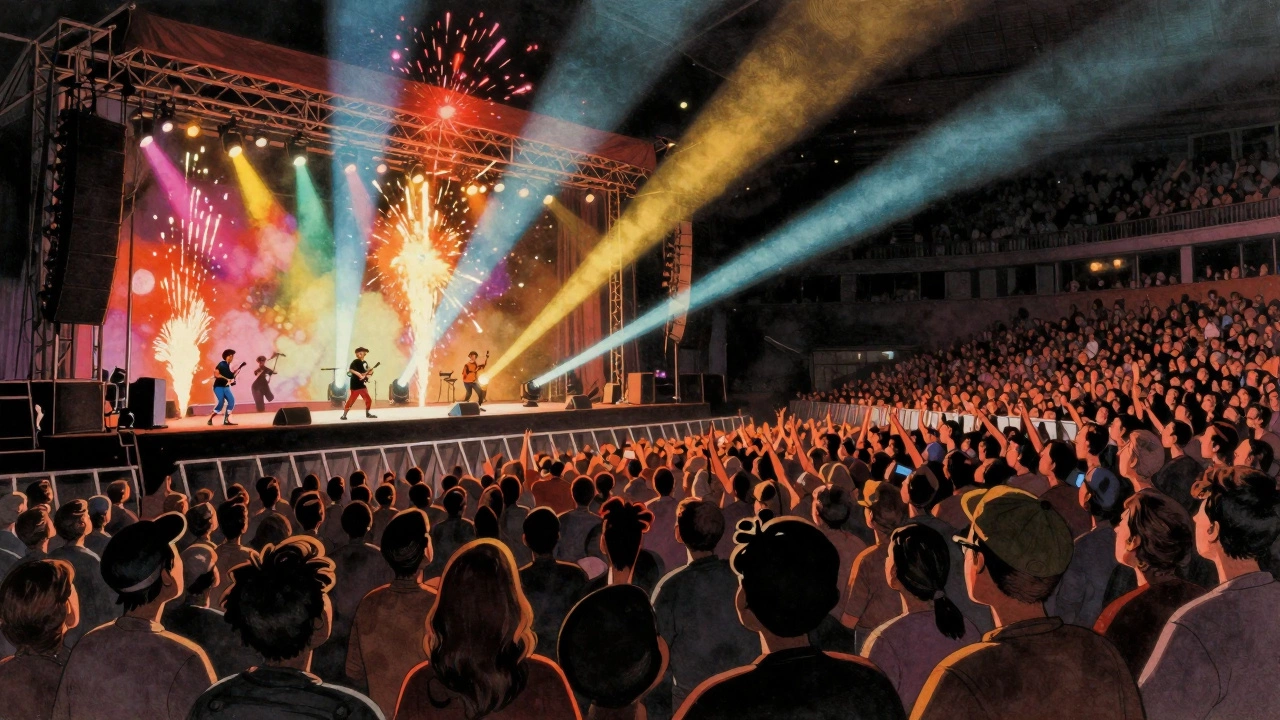
You cannot talk about spectacle without addressing the safety perimeter. An arena holds 20,000 people, and managing that energy is a different job than putting on the show. Security personnel are positioned in layers, starting from the parking lot entry all the way to the barrier lines closest to the stage. They enforce strict bag policies and scan tickets to prevent scalping.
Crowd control also dictates the setlist pacing. High-energy moments often trigger mosh pit behaviors, which require security barriers to be reinforced. If a fan gets pushed into the railings, the medical team needs immediate access routes. Venues designate "safe zones" where emergency vehicles can park near exits. This planning ensures that if a spectacle goes wrong-like a sudden smoke machine malfunction-the evacuation path remains clear.
Economic Engines: Pricing and Merchandise
Finally, the spectacle drives the economy of the night. Merchandise stalls are strategically placed in the concourse bottlenecks to maximize impulse buys. In the age of high-production value, t-shirts and posters act as souvenirs of the experience. A single night's merchandise sales can offset significant portions of the tour's travel costs. This financial model incentivizes the "iconic" branding seen in events like the Universal Studios trams, where branded retro food and commemorative merchandise serve as additional revenue streams beyond ticket sales.
How much does it cost to produce an arena-level glam tour?
Costs vary wildly, but major tours typically spend between $1 million to $3 million USD per show. This includes venue rental, labor, freight, and production fees, not counting the artist's salary.
What happens if the weather interferes with the tour logistics?
Outdoor productions often carry rain delays. For arena shows, weather usually impacts road crews traveling between cities, causing delays in equipment arrival and requiring contingency scheduling buffers.
Are there restrictions on bringing personal items into arenas?
Yes, most arenas prohibit large bags, professional cameras, and outside food or drink due to safety protocols and security screening efficiency.
Who is responsible for the safety of the pyrotechnics used in shows?
Certified pyrotechnicians licensed by local authorities manage the devices. They must ensure blast radius safety zones are respected and fire suppression systems are active during the display.
How long does it take to set up an arena stage?
A standard arena load-in takes approximately 24 to 48 hours depending on the complexity of the stage design and the size of the crew available to assist.


