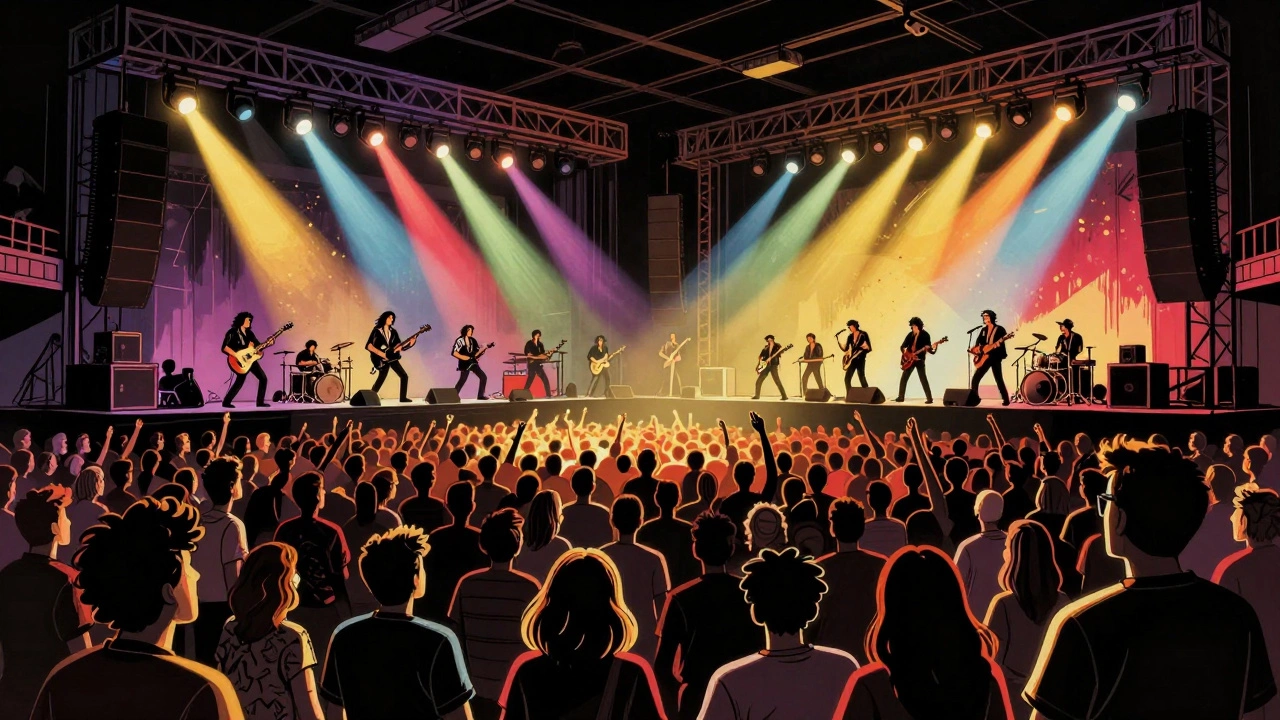

Walk into any major arena today, and you’ll hear the same anthemic choruses that defined three decades ago. But if you rewind the clock to the early 1980s, those concerts weren’t just about playing hits; they were high-stakes theatrical events built on precise musical engineering. The iconic 1980s setlists we remember today were carefully curated masterclasses in crowd control, blending raw rock energy with the emerging polish of synthesizer-driven pop.
We often think of these setlists as random collections of radio favorites, but bands like Van Halen, Journey, Bruce Springsteen, and Fleetwood Mac treated their stage shows as distinct products. They balanced new album material with career-defining singles to maximize ticket sales and audience engagement. Understanding what these giants played reveals how the live music industry evolved from club circuits to stadium spectacles.
The Rise of Arena Rock and Touring Scale
The 1980s marked a shift where touring became the primary revenue stream for many acts, surpassing album sales in importance for sustained success. This era saw the consolidation of arena rock as the dominant concert format. Bands needed songs that could fill massive spaces without losing emotional impact. The setlist structure changed to accommodate longer durations, often stretching between two and three hours.
Consider the sheer physical demand placed on artists. Fleetwood Mac supported their ambitious 1979 double album, Tusk, with an exhausting 112-show tour that ran from October 1979 to September 1, 1980. This wasn't just a promotional run; it was a marathon. The band had to construct a setlist that minimized vocalist strain while keeping the energy high night after night. They achieved this by balancing narrative-driven ballads with upbeat, danceable tracks, ensuring the performance remained dynamic despite the grueling schedule.
This scale required logistical precision. Unlike smaller club gigs, arena shows demanded sound systems and lighting rigs that matched the musical intensity. The setlist became a blueprint for production design, with specific cues for pyrotechnics, light changes, and stage movements synchronized to particular songs. This integration of technology and music is why 1980s concerts feel so visually cohesive compared to earlier decades.
Van Halen’s World Invasion and Studio Evolution
Van Halen exemplified the rapid ascension of rock hierarchy in the early '80s. Their 1980 release, Women and Children First, was a pivotal moment. It was the first time the band wrote entirely new music in the studio, moving away from the demo-based approach of their first two albums. This shift allowed them to craft more complex arrangements suitable for large-scale touring.
The subsequent "World Invasion Tour" lasted eight months, showcasing the band's ability to sustain global interest. A key element of their setlist strategy was the inclusion of Jump. While technically released later in the decade (1984), its synth-heavy intro became iconic enough to define the era's aesthetic. Tribute bands like Rewind 80s Band still feature it prominently because it represents the perfect crossover between hard rock instrumentation and pop accessibility. For Van Halen, the setlist was a tool to demonstrate technical prowess while inviting casual listeners into the fold.
Their performances relied on high-energy openers to grab attention immediately. Songs with driving rhythms and clear melodic hooks were prioritized over experimental tracks. This pragmatic approach ensured that even fans who hadn’t bought the latest album would leave feeling satisfied, reinforcing the band’s status as must-see live entertainers.
Journey’s Climb to Superstardom
Journey’s trajectory in 1980 demonstrated the commercial viability of polished arena rock. With the April 1980 release of Departure, they secured their first Top 10 hit with Any Way You Want It. This song became a staple of their setlists, serving as a bridge between their harder-edged roots and the smoother, vocal-centric style that would dominate the mid-decade.
Journey’s setlists were templates for future rock concerts. They understood the power of the singalong. By placing mid-tempo, emotionally resonant songs in the middle of the show, they gave audiences moments to connect personally before ramping up the energy again. Although specific setlist details from their 1980 tours are less documented than later years, the popularity of Departure tracks ensured they remained core components of their live identity.
The band’s success lay in consistency. They delivered reliable, high-quality performances that appealed to a broad demographic. This reliability made them one of the most booked acts of the decade, proving that a well-structured setlist could turn a regional act into a global powerhouse.
Bruce Springsteen and the Double Album Challenge
Bruce Springsteen faced a unique challenge with his 1980 double album, The River. As his first record to top the charts, it required him to perform extended setlists across multiple nights. A double album meant twice the material, but also twice the pressure to keep the audience engaged throughout a potentially lengthy performance.
Springsteen’s solution was to blend new material from The River with earlier career highlights. This pattern characterized his touring philosophy throughout the 1980s. He didn’t just play the new hits; he wove them into a tapestry of American rock history. Songs like Glory Days served as emotional focal points, allowing for moments of reflection amidst the high-energy rock numbers.
The length of Springsteen’s sets was legendary. He used the extra time to tell stories, interact with the crowd, and build a communal atmosphere. This approach turned concerts into shared experiences rather than passive viewing events. His setlists were designed to reward loyal fans with deep cuts while introducing new listeners to his broader catalog.
Genre Diversity and the Pop-Rock Crossover
The 1980s setlist wasn’t limited to traditional rock bands. The decade saw the rise of new wave, synth-pop, and pop-rock crossover acts that appealed to mainstream audiences. Radio formats increasingly merged previously separate musical categories, and live performances reflected this diversity.
A typical arena setlist from this era might include:
- Let’s Go Crazy by Prince
- Take On Me by a-ha
- The Heart of Rock & Roll by Huey Lewis and the News
- Call Me by Blondie
- Like a Virgin by Madonna
This mix demonstrates the era’s emphasis on accessible, danceable material. Uptempo tracks like Girls Just Want to Have Fun by Cyndi Lauper were positioned mid-setlist to maintain crowd engagement. Electronic-dominated tracks reflected the decade’s embrace of synthesizer technology, making songs like Cars by Gary Numan essential components of the live experience.
Genre diversity allowed promoters to book packages that attracted wider audiences. A single concert could feature hard rock, soft pop, and electronic music, creating a vibrant cultural snapshot of the times.
Structural Principles of 1980s Setlists
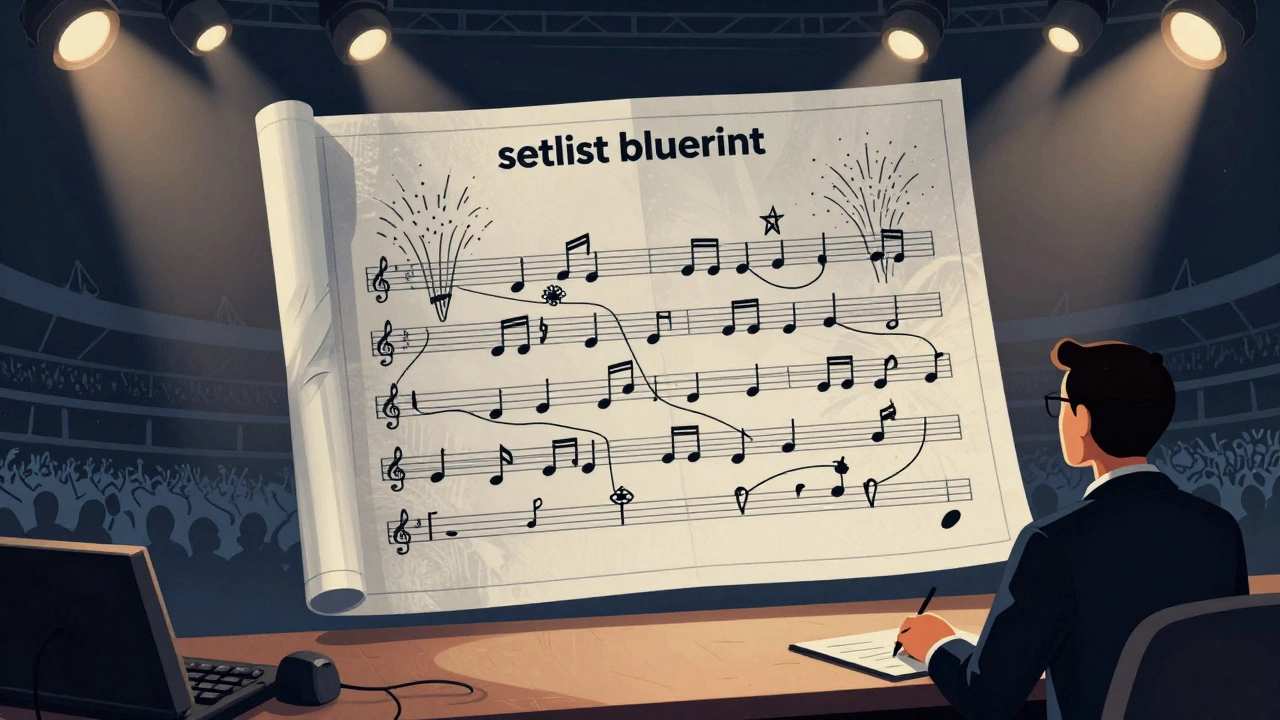
Behind the glamour, there was a strict logic to how these setlists were constructed. Song selection followed specific structural principles designed to manage audience energy. High-energy openers were crucial to grab attention immediately. Mid-setlist slots were reserved for singalongs or dance tracks to prevent fatigue. The closer was often an undisputed anthem, like Don’t Stop Believin', which served as a cathartic release for the entire venue.
Transitions between songs were carefully planned. Bands avoided abrupt shifts in tempo or mood that could disrupt the flow. Instead, they used instrumental bridges or spoken word segments to guide the audience through different emotional landscapes. This attention to detail made the performance feel seamless, even when covering multiple genres.
Venue size also influenced setlist construction. Larger arenas accommodated 12-14 song sets averaging 2-3 hours, while smaller clubs required more condensed programming. Bands adjusted their repertoire based on the expected crowd size and demographic, ensuring each performance felt tailored to the room.
| Band/Artist | Key Album/Tour | Setlist Strategy | Signature Song Example |
|---|---|---|---|
| Van Halen | World Invasion Tour | High-energy rock with synth elements | Jump |
| Journey | Departure Era | Polished arena rock with singalongs | Any Way You Want It |
| Bruce Springsteen | The River Tour | Extended sets blending old and new | Glory Days |
| Fleetwood Mac | Tusk Tour | Marathon scheduling with vocal care | Dreams |
| Madonna | Early Pop Tours | Dance-focused with visual spectacle | Holiday |
Preservation and Legacy Through Digital Archives
Today, we can reconstruct these historic performances with remarkable precision thanks to digital databases like Setlist.fm. Concert enthusiasts and tribute bands have meticulously preserved this performance history, allowing us to analyze the nuances of each night’s lineup. These records show that while core elements remained consistent, regional variations and individual band preferences added unique flavors to each tour.
Tribute bands like the Class of 84 and Rewind 80s Band rely on this data to deliver authentic experiences. Their setlists include canonical songs such as I Love Rock and Roll by Joan Jett and Hungry Like the Wolf by Duran Duran. The consistent appearance of these tracks across multiple sources validates their status as defining moments of the decade.
This preservation effort does more than satisfy nostalgia; it provides insight into the business of live music. By studying these setlists, current artists can learn how to balance fan expectations with artistic innovation. The lessons from the 1980s remain relevant: engage the crowd, respect the venue, and always end on a high note.
Why were 1980s setlists so important to band success?
In the 1980s, touring became a primary revenue source for many bands. A well-crafted setlist ensured that audiences felt satisfied, leading to repeat attendance and positive word-of-mouth. It also helped bands transition from club acts to arena headliners by demonstrating their ability to command large stages.
How did Van Halen influence live rock performances?
Van Halen combined high-energy rock with innovative use of synthesizers, setting a new standard for sonic diversity in live shows. Their World Invasion Tour showcased their technical prowess and ability to engage massive audiences, influencing countless bands that followed.
What role did Bruce Springsteen’s double album play in his touring?
The release of The River required Springsteen to perform extended setlists, blending new material with older hits. This approach created a deeper connection with fans and established him as one of the most prolific and engaging live performers of the decade.
Which songs were most common in 1980s arena setlists?
Songs like "Jump," "Don’t Stop Believin'," "Take On Me," and "Like a Virgin" were staples due to their high energy, singalong potential, and broad appeal. These tracks helped maintain crowd engagement throughout long performances.
How do modern tribute bands preserve 1980s setlists?
Tribute bands use digital archives like Setlist.fm and historical documentation to recreate authentic setlists. They focus on canonical songs that defined the era, ensuring that contemporary audiences experience the same energy and excitement as original fans.