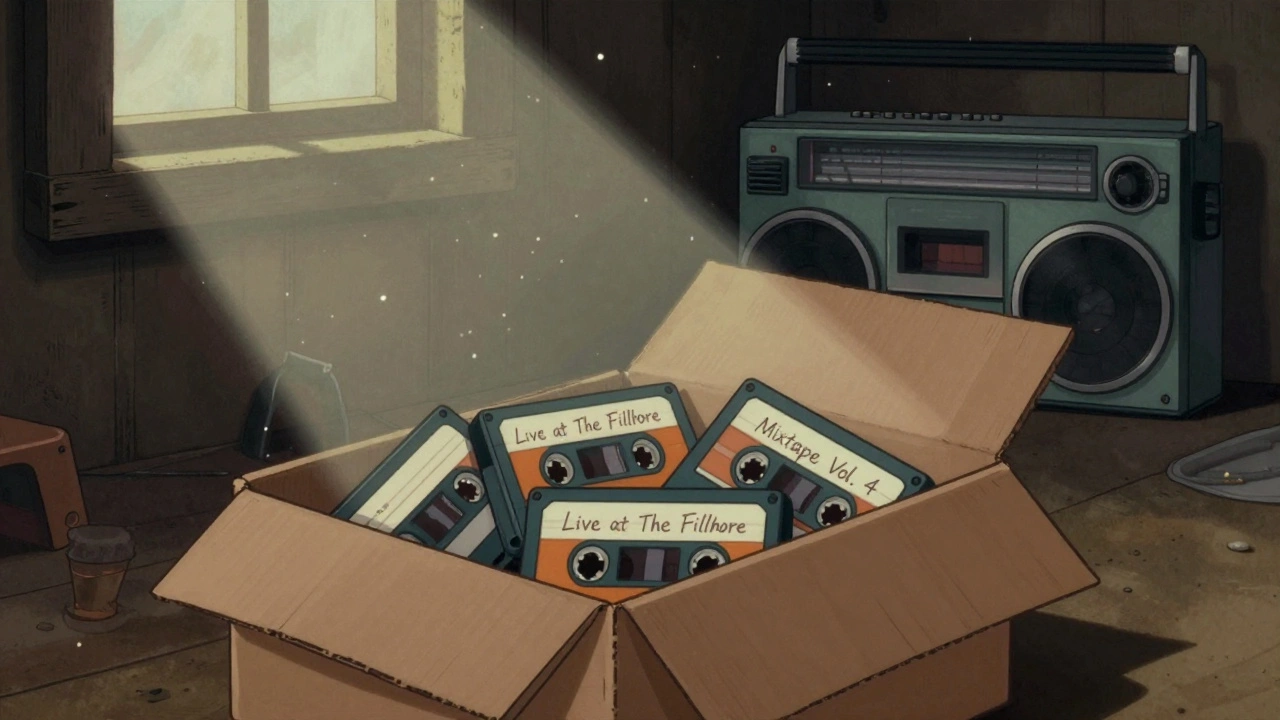

Walk into any basement from the late 1970s, and you might find a shoebox of cassette tapes labeled in fading marker. "Live at The Fillmore, '78" or "Mixtape Vol. 4." Now fast-forward to today. Those tapes are degrading. The magnetic oxide is shedding. If we don't act now, that specific sound-the crackle of the amp, the crowd noise, the raw energy of a band before they hit the mainstream-is gone forever.
Preserving 1970s music history isn't just about saving old records. It's a race against time to document a decade that defined modern rock, disco, punk, and jazz fusion. Whether you're a researcher, a collector, or just someone who loves the era, understanding how this history is archived helps us keep it alive. This guide breaks down where these materials live, what formats we’re dealing with, and how you can actually access them without getting lost in library jargon.
The Landscape of 1970s Music Archives
When people think of music archives, they often picture dusty university libraries. But the reality is much more diverse. We have massive institutional repositories, niche community projects, and digital databases all working together to piece together the sonic map of the 1970s. Each type serves a different purpose, and knowing which one to use depends on what you’re looking for.
At the top of the pyramid are the major institutions. Take the Institute of Jazz Studies at Rutgers University. Located in Newark, New Jersey, it bills itself as the largest archive of jazz materials in the world. For the 1970s, this is critical because that decade saw jazz explode into new directions-fusion, avant-garde, and beyond. Researchers go there for original scores, personal papers from legends like Miles Davis or John Coltrane (whose influence loomed large even after his death), and rare recordings that never made it to commercial release.
Then there’s the ARChive of Contemporary Music (ARC) in New York City. Founded in 1985, ARC holds over three million sound recordings. Why does an archive founded in the mid-80s matter for the 70s? Because it captures the sheer volume of what was released. While Rutgers focuses on jazz depth, ARC offers breadth across rock, pop, soul, and indie scenes. If you want to study the shift from vinyl LPs to the rise of the cassette tape in the late 70s, ARC’s collection provides the physical evidence.
But not everything happens in big cities. Local scenes are where genres are born. The Louisville Underground Music Archive (LUMA) documents the rock scene in Louisville starting in the 1970s. They collect flyers, fanzines, and photos. These items tell the story of *who* was playing, *where*, and *why*. Similarly, the Northwest Music Archives covers the Pacific Northwest, capturing the early days of bands that would later define grunge and alternative rock. These regional archives fill the gaps left by national institutions, preserving the grassroots culture that fueled the decade.
| Archive Name | Location | Primary Focus | Key Materials |
|---|---|---|---|
| Institute of Jazz Studies | Newark, NJ | Jazz & Related Genres | Scores, Papers, Rare Recordings |
| ARChive of Contemporary Music | New York, NY | Popular Music (Broad) | LPs, Singles, Cassettes (3M+ items) |
| Louisville Underground Music Archive | Louisville, KY | Local Rock Scene | Flyers, Fanzines, Photos |
| National Ragtime and Jazz Archive | Edwardsville, IL | Early Jazz & Biographies | Recorded Jazz, Personal Papers |
What Gets Preserved? Beyond the Album Cover
If you only save the final studio album, you lose half the story. Archival documentation for the 1970s includes three main categories: sound recordings, print ephemera, and metadata. Understanding these distinctions helps you know what to look for when digging into history.
Sound Recordings: This is the obvious one. But it’s not just commercial releases. Archivists hunt for demo tapes, live bootlegs, radio broadcasts, and reel-to-reel masters. The National Ragtime and Jazz Archive, established in 1974, focuses heavily on recorded jazz and the lives of musicians. Their collection includes early recordings that capture the transition from acoustic to electric instruments in jazz, a key shift in the 70s.
Print and Ephemera: Think concert tickets, backstage passes, setlists, and hand-written lyrics. The Alien Territory Archives, discussed by filmmaker Bill Perrine, focuses on radical and experimental music from 1970s San Diego. Much of this music was never commercially released. It exists only on small-run cassettes and photocopied zines. These fragile items are crucial for understanding the underground counterculture of the era. Without them, we’d only know the hits, not the movements.
Metadata and Secondary Sources: How do we know what happened if no one wrote it down? That’s where publications like Musical America come in. Its archives include digitized issues from 1970 to 1980, offering reviews, concert listings, and industry news. Yale University Library highlights such trade publications as essential primary sources. They provide the context: Who was touring? What were critics saying? How did the business side of music operate during the oil crisis and economic shifts of the 70s?
The Technical Challenge: Saving Analog Media
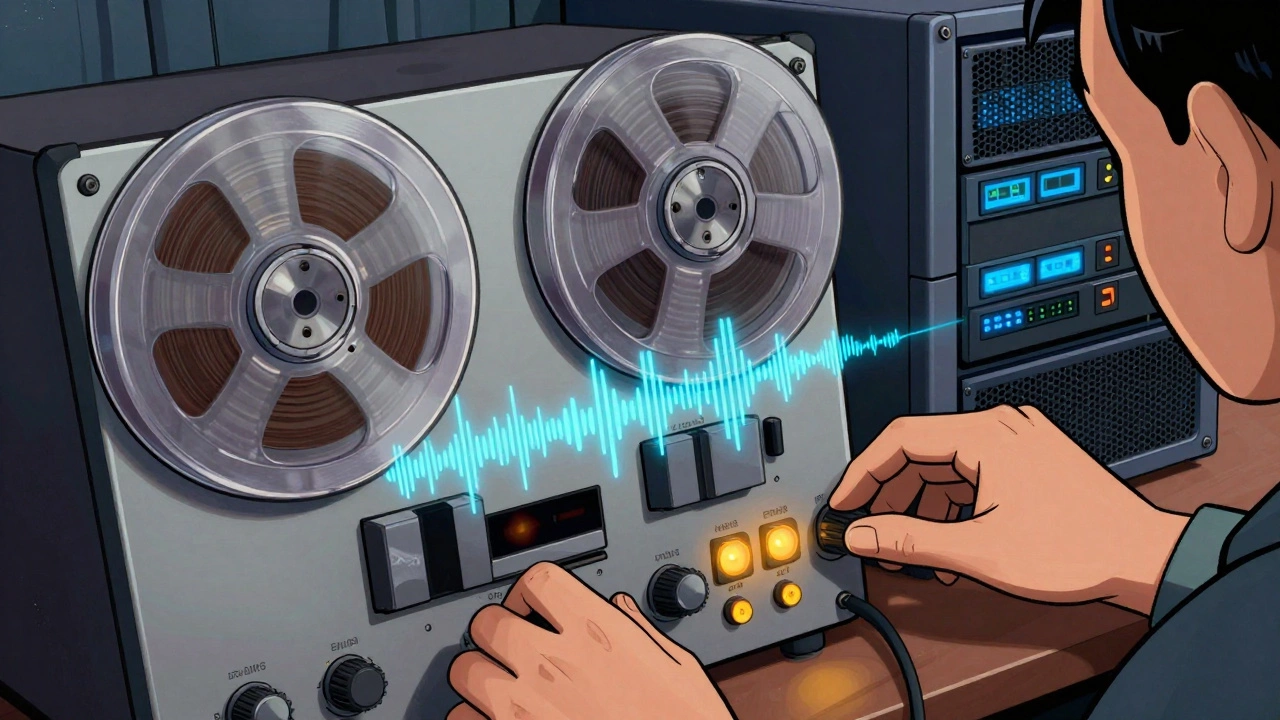
The 1970s was an analog decade. Vinyl, magnetic tape, and film were the standard. Today, those materials are chemically unstable. Vinyl becomes brittle. Tape suffers from "sticky shed syndrome," where the binder holding the oxide to the tape backing deteriorates. If you try to play a degraded tape, it might stick to the playback head and tear apart.
Archivists face a constant battle here. Preservation isn’t just storing boxes in a cool room; it involves active migration. Institutions like ARC must digitize millions of recordings to ensure long-term access. This process requires specialized equipment and skilled technicians. They transfer analog audio to high-resolution digital files (often WAV or AIFF formats) while preserving the original physical media as a backup.
This technical work is expensive and slow. It’s why many collections remain uncataloged or inaccessible. When you visit an archive, you might find that certain tapes are restricted until they’ve been stabilized. This delay can be frustrating for researchers, but it’s necessary to prevent permanent loss. The Library of Congress National Recording Registry plays a role here too, identifying culturally significant recordings that prioritize preservation efforts. You can sort their list by year, including the 1970s, to see which albums have been deemed historically vital.
How to Access These Archives
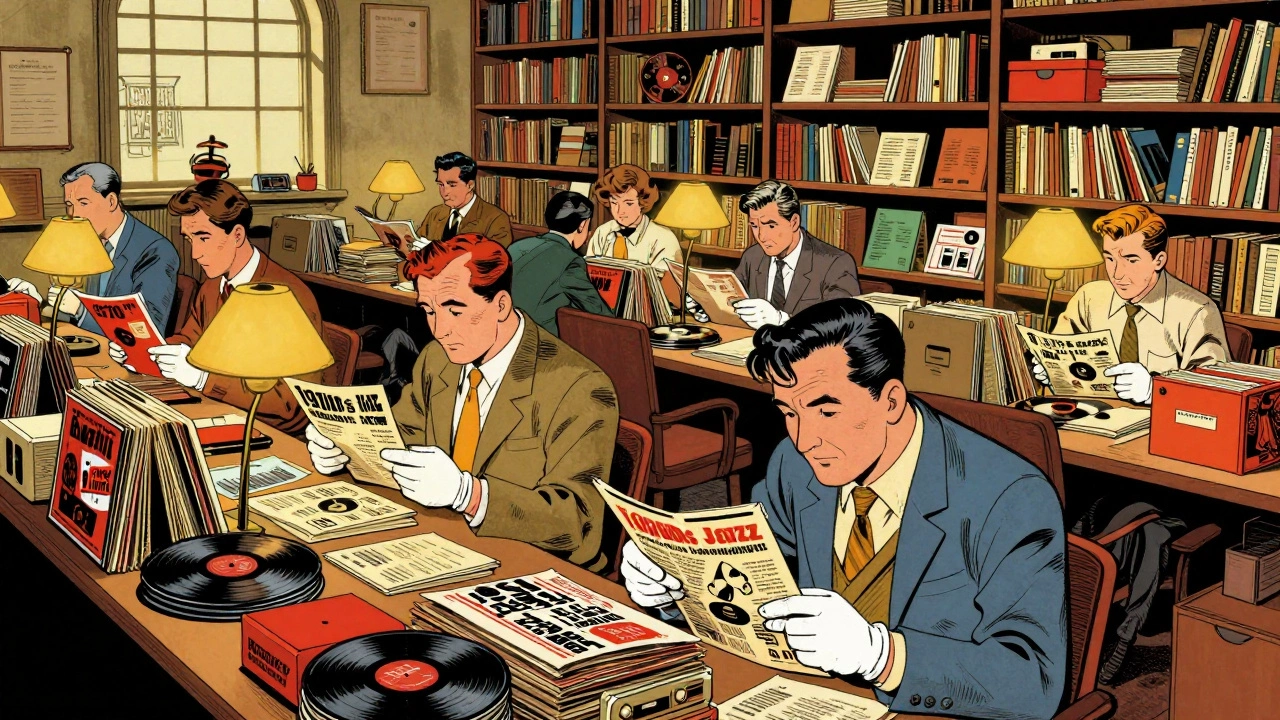
You don’t need a PhD to use these resources, but you do need to know how to navigate them. Most major archives require you to schedule a visit in advance. They operate reading rooms where you handle materials under supervision. Here’s how to approach your research:
- Start Online: Use finding aids. These are detailed guides created by archivists that describe what’s in a collection. The Institute of Jazz Studies and LUMA both offer online catalogs. Search by artist name, date range (e.g., 1970-1979), or format (e.g., "reel-to-reel").
- Contact the Archivist: If you’re looking for something obscure, email the institution first. Ask if the material is available for listening or copying. Some archives allow researchers to make personal copies for fair use, while others charge fees for duplication.
- Use Digital Databases: For secondary sources, check if your local library subscribes to Musical America or similar trade publication archives. These are fully searchable and let you browse by year. You can read reviews from 1975 instantly without traveling.
- Respect Restrictions: Some materials contain private letters or unreleased demos with copyright restrictions. Be prepared to sign agreements promising not to publish certain content. This protects the artists’ rights while still allowing scholarly access.
Remember, accessibility varies. The National Recording Registry’s list is free and public, but accessing the actual audio might require visiting the Library of Congress or a partner institution. Community archives like the Alien Territory Archives may have limited hours or rely on volunteer staff. Patience and preparation go a long way.
Why This Matters Now
We’re losing the 1970s faster than we realize. Every year, more tapes degrade, more fans pass away without donating their collections, and more venues disappear without leaving records. By supporting and utilizing these archives, we ensure that future generations can hear the full spectrum of 1970s music-not just the polished hits, but the rough edges, the experiments, and the local voices that shaped our culture.
Whether you’re writing a thesis, producing a documentary, or just curious about what your parents listened to, these archives are open to you. Dig in. Listen closely. And help preserve the sound of the past.
Can I listen to 1970s music archives online for free?
Some metadata and select recordings are available online, particularly through the Library of Congress National Recording Registry and certain university digital collections. However, most full-length audio recordings, especially rare or copyrighted ones, require in-person visits to archives like the ARChive of Contemporary Music or the Institute of Jazz Studies. Always check the specific archive’s website for digital access policies.
What is the difference between a music archive and a music library?
A music library typically lends out published books, sheet music, and commercial recordings for general use. An archive, on the other hand, preserves unique, unpublished, or rare materials like personal papers, original master tapes, and ephemera. Archives usually do not lend items; instead, they provide supervised access in reading rooms to protect fragile originals.
How can I donate my 1970s music collection to an archive?
Contact the acquisitions department of relevant archives directly. Institutions like the Institute of Jazz Studies or local groups like LUMA evaluate donations based on historical significance, condition, and relevance to their existing collections. Be prepared to provide a detailed inventory of your items, including dates, artists, and formats. Note that donating materials often involves transferring copyright or usage rights, so consult legal advice if necessary.
Are there archives specifically for underground or punk music from the 1970s?
Yes. While large institutions focus on canonical genres, community-driven archives like the Louisville Underground Music Archive (LUMA) and the Alien Territory Archives specialize in underground, punk, and experimental scenes. These projects often preserve fanzines, flyers, and low-fidelity recordings that major labels ignored, providing a crucial record of subcultural history.
Why is preserving analog tape from the 1970s so difficult?
Analog tapes suffer from chemical degradation over time. Issues like "sticky shed syndrome" cause the magnetic coating to detach from the tape base, making playback impossible without professional baking and cleaning processes. Additionally, the specialized equipment needed to play older formats like reel-to-reel or quarter-inch tape is becoming scarce, requiring archives to invest in both hardware restoration and digital migration workflows.


