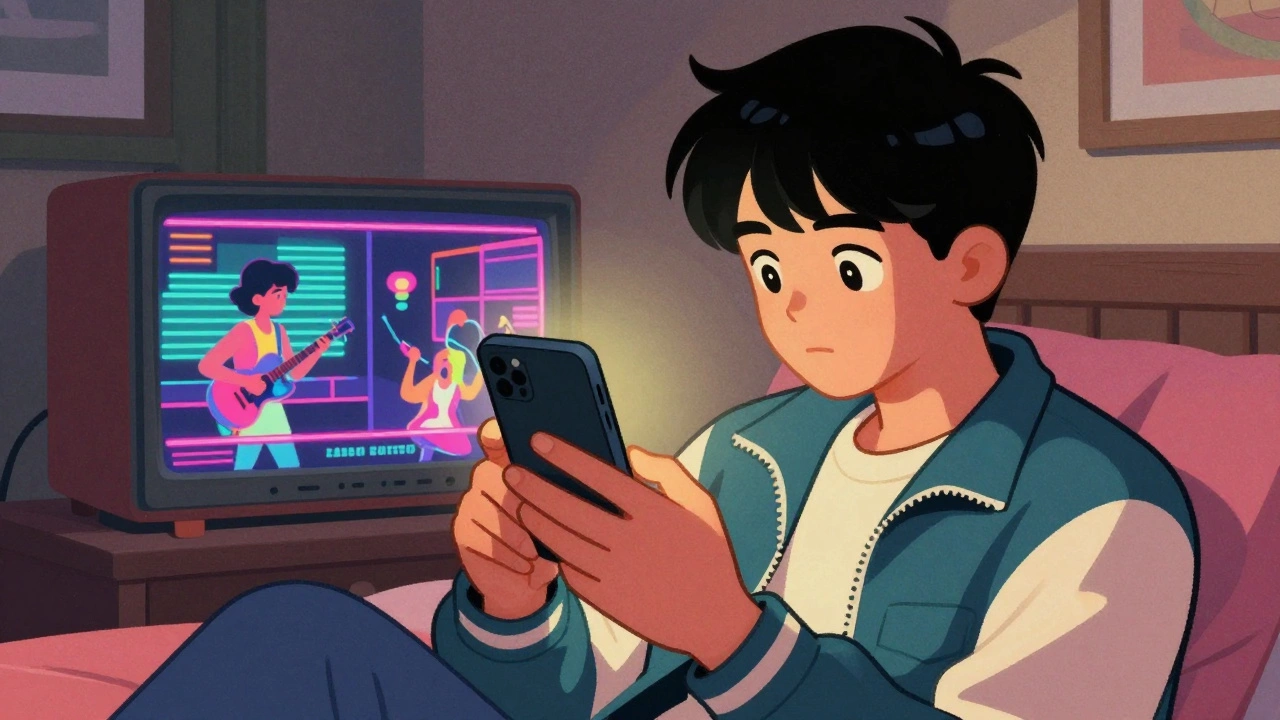

Have you ever scrolled past a video of someone dancing to a song they claim is new, only to realize it’s actually from 1985? You are not alone. This is the reality of modern music discovery. TikTok is a short-form video platform that has become the primary engine for reviving decades-old music for younger generations. For Gen Z, the boundary between "classic" and "current" has blurred completely.
What started as a quirky trend in 2022 has evolved into a structural shift in how we consume music. Songs by Kate Bush, Toto, and Bon Jovi are no longer just background noise for older demographics; they are central to the cultural identity of people born after 2000. But how does a 40-year-old track suddenly top the charts again? It isn’t magic-it’s algorithmic mechanics meeting nostalgic aesthetics.
The Mechanics of the Viral Resurrection
To understand why an 80s anthem works on TikTok, you have to look at the format itself. The platform favors clips that are 15 to 60 seconds long. This constraint rewards songs with strong hooks, distinctive intros, or memorable riffs that can be captured instantly. A slow build-up doesn’t work here. You need immediate impact.
Kate Bush's "Running Up That Hill (A Deal With God)" is the textbook example. Released in August 1985 on the album Hounds of Love, the song originally peaked at number 3 on the UK Singles Chart. It sat relatively quiet for decades until May 2022. Then, Stranger Things Season 4 aired. The show placed the song in a pivotal scene involving the character Max Mayfield.
Within weeks, users began clipping that specific moment from the Netflix series. They posted these 30-second segments to TikTok with the original audio. By mid-2022, the audio page for "Running Up That Hill" showed 1.6 million videos created with the track. This wasn't passive listening; it was active participation. Users used the song for emotional montages, cosplay, and storytelling. The result? The 37-year-old song re-entered global charts, reaching number 3 in the UK and climbing toward number 1 in Australia, beating out contemporary hits like Harry Styles’ "As It Was."
| Song Title | Original Release Year | Catalyst Event | TikTok Video Count (Est.) |
|---|---|---|---|
| Running Up That Hill | 1985 | Stranger Things S4 | 1.6 Million+ |
| Africa | 1982 | Viral Memes/Lip-syncs | High Volume |
| Take On Me | 1984/1985 | Dance Trends/Nostalgia Edits | High Volume |
| Don't You (Forget About Me) | 1985 | Meme Culture | High Volume |
Streaming Spikes: The Data Behind the Hype
You might think these viral moments are just fleeting internet fun. The data says otherwise. When a song goes viral on TikTok, it directly impacts streaming numbers on platforms like Spotify and Apple Music. Business Insider analyzed this effect in April 2023, looking at a 120-day window centered on each song’s peak popularity on TikTok.
The results were staggering for older tracks. Earth, Wind & Fire’s "Let’s Groove," released in 1981, saw its Spotify streams rise by 24.7% in the 60 days following its peak as a dance-trend sound. Even more extreme was Sandy Marton’s "Camel by Camel - Mix Vocal," a mid-80s track. It skyrocketed from 45,000 streams to 5.8 million streams-a 12,700% increase-linked entirely to a single viral dance meme.
Industry analytics firm Luminate reported that "catalog" music (defined as any recording older than 18 months) saw a 19.0% year-over-year increase in streaming volume in the first half of 2022. While most of this growth came from songs released within the last five years, the inclusion of 80s classics proves that older music is capturing significant market share. However, Chartmetric offered a nuanced counterpoint: while individual 80s songs get massive spikes, the majority of TikTok’s top-performing sounds are still recent releases. The 80s revivals are high-profile outliers, but they are impactful enough to reshape industry strategy.
Why Gen Z Loves 80s Aesthetics
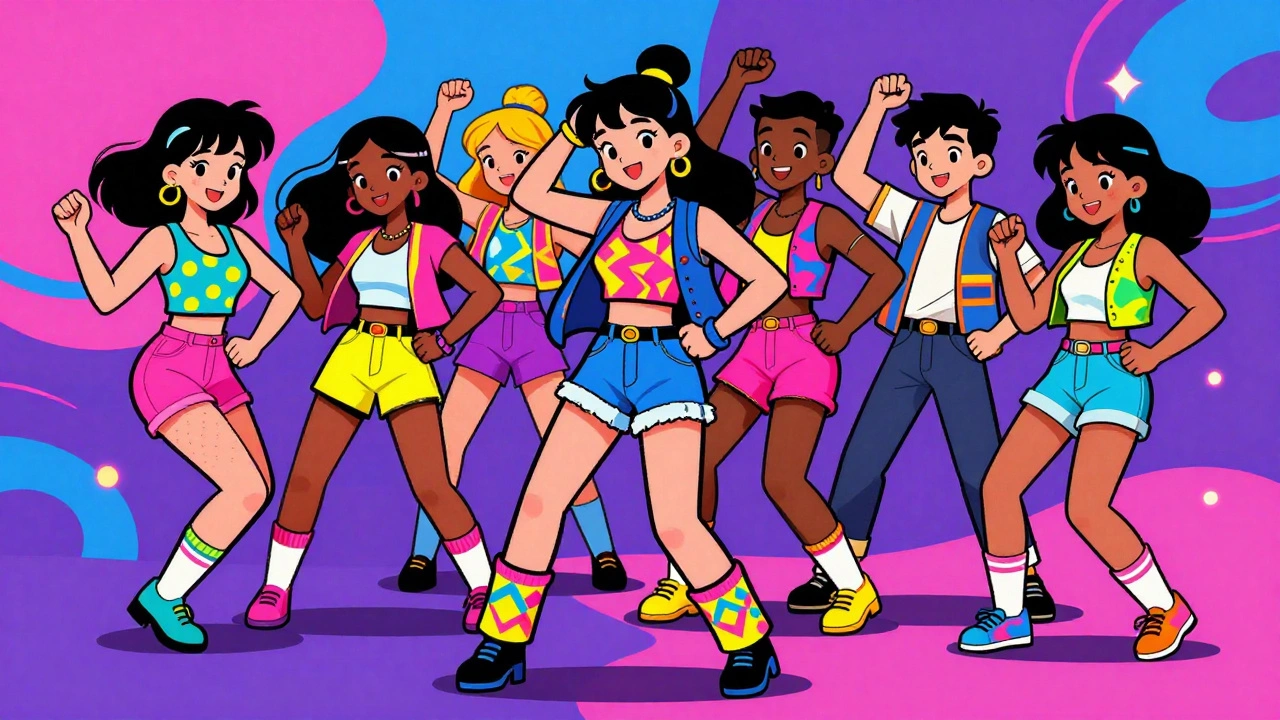
Why are people born between 1997 and 2012 drawn to music they never experienced in real-time? Part of it is aesthetic. The 1980s offer a distinct visual and sonic palette-synthesizers, neon colors, bold fashion-that translates perfectly to digital content creation. It feels retro yet fresh because there is no personal baggage attached to it for this generation.
There is also a sentiment among some young listeners that contemporary pop lacks substance. Superproducer Teddy Riley, known for his work in the late 80s and early 90s, suggested that young kids turn to older music because they feel current songs "have no substance." Whether you agree with that critique or not, the behavior is evident. Gen Z is actively curating their own musical history, pulling tracks from 1980-1989 and integrating them into their daily lives.
This isn't just about listening. It's about identity. A survey commissioned by CenturyLink found that 39% of Gen Z respondents recognized "Running Up That Hill" specifically from TikTok. In contrast, 23% of Baby Boomers said they had never heard the song, despite being alive when it debuted. This generational split highlights how TikTok has become the primary gatekeeper for music discovery for young people, replacing traditional radio and MTV.
The Multi-Platform Ecosystem
It would be inaccurate to say TikTok acts alone. The revival of 80s songs is a multi-platform ecosystem. TV shows like Stranger Things provide the initial narrative context. YouTube hosts reaction videos where creators document their first time hearing these "new" old songs. Spotify captures the sustained listening habits. And TikTok provides the viral spark.
For instance, a YouTube reaction video posted in June 2025 featured a Gen Z creator reacting to a list of "Top 20 80s Songs That Got Popular Again." Tracks like Whitney Houston’s "I Wanna Dance with Somebody" (1987) and Bon Jovi’s "Livin’ on a Prayer" (1986) were treated as novel discoveries. This secondary content reinforces the trend, creating a feedback loop that keeps these songs relevant well after the initial TikTok spike fades.
Furthermore, older demographics are joining in. StreamTVInsider reported in December 2025 that engagement with influencer videos on TikTok rose among viewers aged 55-64 in the UK. This means TikTok is becoming a site of cross-generational interaction, where grandparents and grandchildren might share the same soundtrack, albeit for different reasons.
Implications for Artists and Labels
If you are in the music business, the lesson is clear: your back catalog is valuable. But you can’t just upload an old song and hope for the best. Successful revivals usually follow a pattern:
- Identify Strong Hooks: Focus on sections of songs with instantly recognizable melodies or beats.
- Create Narrative Context: Partner with film, TV, or gaming projects to give the song an emotional anchor.
- Seed Influencers: Work with creators who have large audiences in the 16-24 age range to start challenges or memes.
- Monitor Early Metrics: Watch for jumps in TikTok audio usage. If a song moves from tens of thousands to hundreds of thousands of videos quickly, invest in playlist placement immediately.
However, manage your expectations. As Chartmetric noted, most catalog songs see little traction. The combination of a strong hook, narrative context, and algorithmic luck is difficult to engineer reliably. TikTok is a high-variance marketing channel. One successful meme can add millions of streams, but most attempts will remain marginal.
Looking Ahead: Beyond the Nostalgia Cycle
By mid-2026, the trend shows no signs of stopping. TikTok discovery pages themed around "Gen Z 80s Songs" had accumulated nearly 12 million posts. There is even a growing category called "If Gen Z Wrote an 80s Song," where creators blend contemporary rap and pop structures with 80s aesthetics. This suggests that Gen Z is not just rediscovering the past; they are remixing it.
The future of music discovery lies in this fluid relationship between eras. As algorithms continue to prioritize engagement over chronology, the date of release matters less than the emotional resonance of the track. For now, the 1980s are having another moment, driven by a generation that didn’t live through it but certainly owns it.
Which 80s song had the biggest revival on TikTok?
Kate Bush's "Running Up That Hill (A Deal With God)" is widely considered the most significant revival. After its feature in Stranger Things Season 4 in 2022, it generated over 1.6 million TikTok videos and re-entered global charts decades after its 1985 release.
Does going viral on TikTok actually increase streaming numbers?
Yes. Data from Business Insider shows that songs peaking on TikTok can see double-digit percentage increases in Spotify streams. For example, Earth, Wind & Fire's "Let's Groove" saw a 24.7% rise in streams within 60 days of its TikTok peak.
Why do Gen Z listeners prefer 80s music?
Gen Z is attracted to the distinct aesthetics, strong hooks, and perceived production quality of 80s music. Some listeners also feel that contemporary pop lacks substance, leading them to explore older catalogs for deeper musical experiences.
Are all old songs getting popular on TikTok?
No. While catalog music overall is growing, analytics from Chartmetric indicate that most top-performing TikTok sounds are still recent releases. 80s revivals are high-profile exceptions rather than the rule, requiring specific hooks and often external catalysts like TV shows.
How can artists leverage TikTok for older songs?
Artists should focus on identifying strong hooks within their back catalog, partnering with media properties for sync opportunities, and seeding content with influencers to encourage user-generated challenges and memes.


