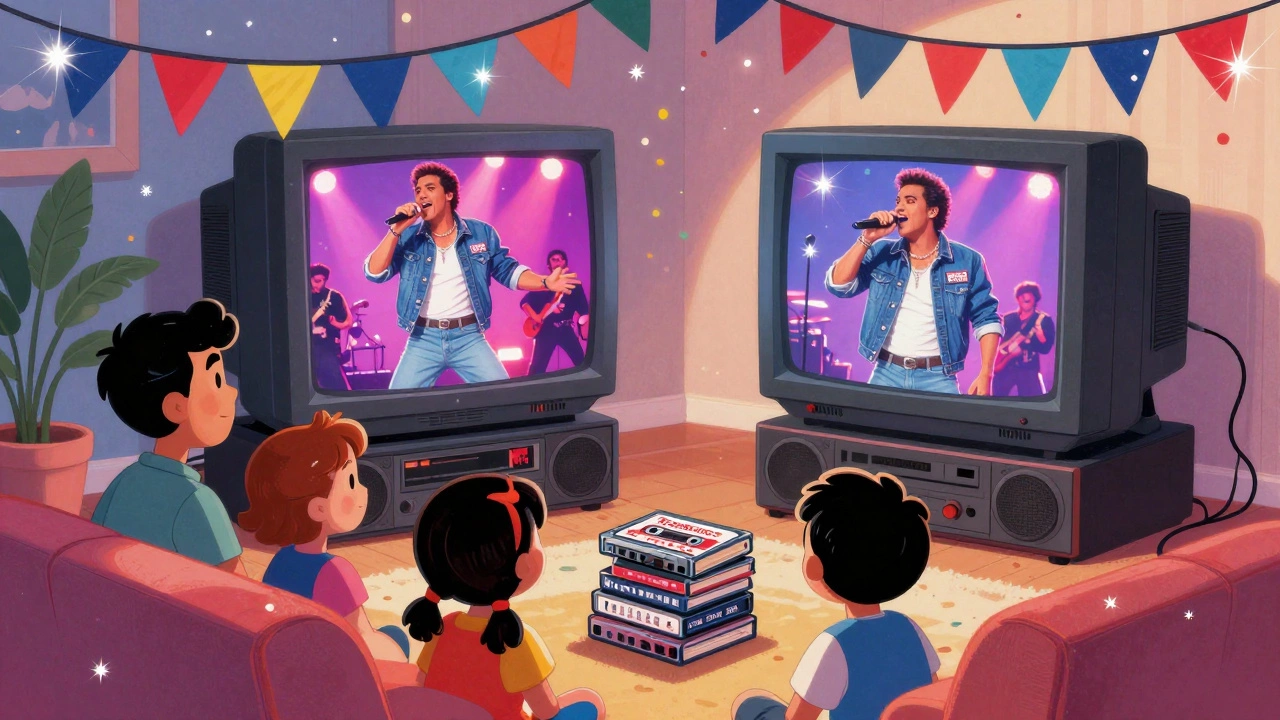

Before the 1990s, Latin music was often treated like a regional flavor-something enjoyed in neighborhoods with strong Cuban, Puerto Rican, or Mexican roots, but rarely heard on mainstream radio or MTV. Then, in just a few short years, everything changed. Salsa, merengue, and Latin pop didn’t just get popular-they exploded into global dominance. This wasn’t a slow build. It was a seismic shift, fueled by a perfect storm of talent, timing, and industry strategy that turned Spanish-language songs into international anthems.
The Rise of Latin Pop: A New Generation of Stars
The 1990s didn’t invent Latin pop, but it redefined it. The ballads and romantic crooners of the 70s and 80s were still around, but the new wave of artists were younger, sharper, and more media-savvy. Luis Miguel became the decade’s biggest name, selling over 16 million albums worldwide. His 1991 album Romance didn’t just top charts-it resurrected the bolero, a genre many thought was dead. He followed it up with Segundo Romance in 1994 and Romances in 1997, both hitting number one and going platinum. His voice became the soundtrack for a generation of Latin families across the Americas.But Luis Miguel wasn’t alone. The term “Latin Pop’s Golden Boys” was coined for a handful of artists who reshaped what Latin stardom looked like: Cristian Castro, Enrique Iglesias, Alejandro Fernández, and Ricky Martin. These weren’t just singers-they were global icons in the making. They looked like pop stars, dressed like pop stars, and sang in a way that made English-speaking audiences feel like they were hearing something fresh, not foreign.
Selena and the Tejano Revolution
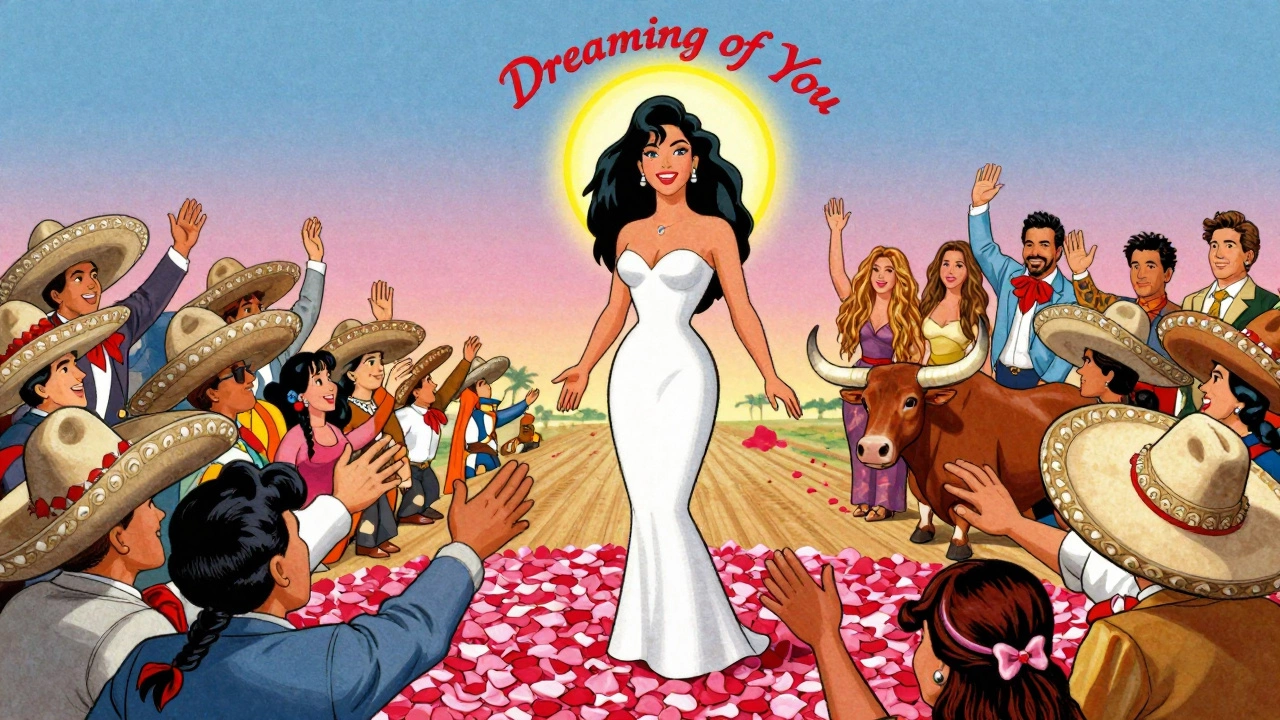
While Luis Miguel ruled the ballads, Selena was doing something just as powerful: turning Tejano music into a national phenomenon. Tejano, a blend of Mexican folk, country, and polka, had been a regional sound centered in Texas. But Selena changed that. Her 1990s albums sold over 100,000 copies without breaking a sweat. Radio stations that once ignored her started playing her music nonstop. By 1994, Tejano was the fastest-growing genre in Latin music.Then, on March 31, 1995, she was killed at just 23. The tragedy didn’t end her legacy-it amplified it. Her posthumous album Dreaming of You spent 44 weeks at number one on the Billboard Latin Pop Albums chart, the longest run of the entire decade. In 1999, Billboard named her the best-selling Latin artist of the 1990s. She wasn’t just a singer. She became a symbol of what Latin music could become: authentic, emotional, and universally loved.
Merengue Goes Global: From Dominican Bars to World Stages
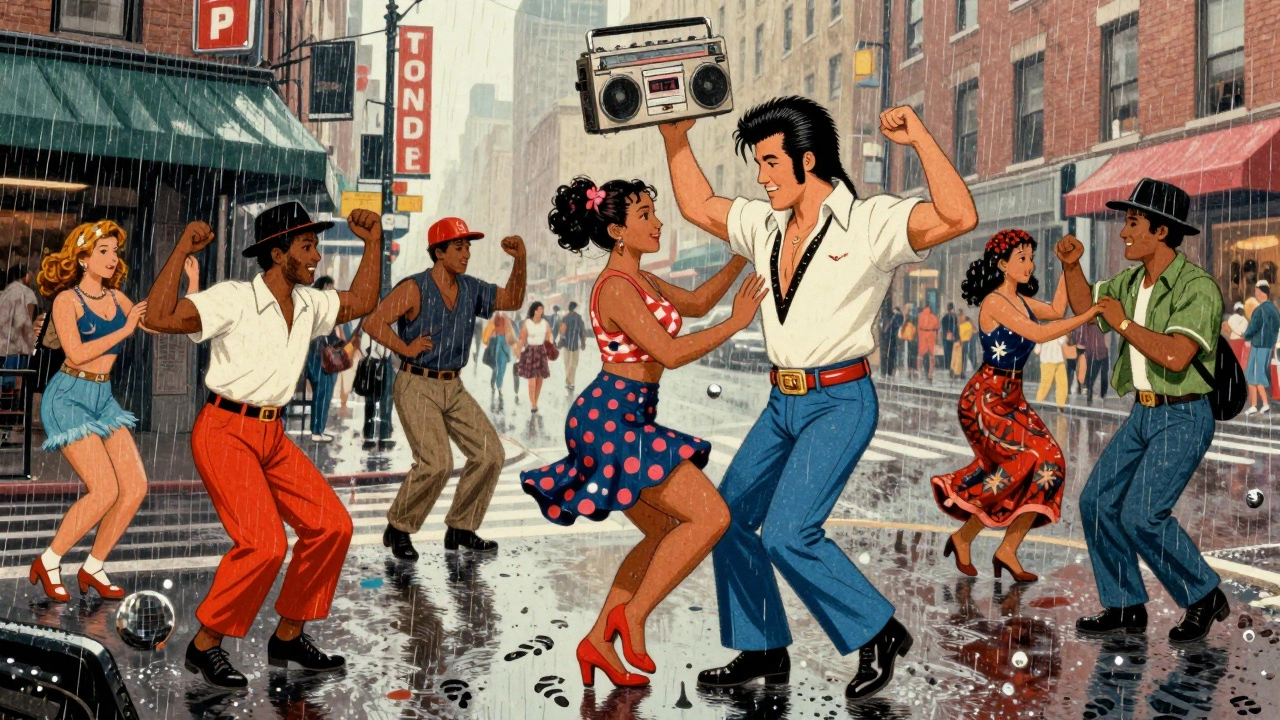
While pop was dominating the charts, merengue was doing something quieter but just as important: crossing borders. This fast-paced dance music from the Dominican Republic had been confined to Caribbean clubs and family parties. Then, in 1996, Elvis Crespo dropped Suavemente. It wasn’t just a hit-it was a phenomenon. The song reached number one in over 15 countries. Suddenly, people in London, Tokyo, and Chicago were dancing to merengue beats.It wasn’t just Crespo. Groups like Grupo Manía and Los Sabrosos del Merengue turned merengue into a dancefloor staple. In New York City, Dominican immigrants began blending merengue with hip-hop, creating a new hybrid called “merenhouse.” This wasn’t just music-it was cultural innovation. It showed that Latin rhythms could adapt, evolve, and find new life in unexpected places.
The Latin Explosion: Ricky Martin and the Turning Point
If there’s one moment that defined the 1990s Latin music breakthrough, it was Ricky Martin’s performance at the 1999 Grammy Awards. He took the stage, opened his jacket, and sang Livin’ la Vida Loca. The crowd went wild. The song hit number one in 21 countries. His album of the same name became the first Spanish-language album by a Latin artist to top the Billboard 200. It sold over 15 million copies worldwide.This wasn’t luck. It was the result of years of groundwork. Martin had been building his career since the 1980s as part of the boy band Menudo. But in 1999, he shed the teen idol image and became a full-blown international star. His success proved that Latin artists didn’t need to sing in English to go global. He made Spanish-language pop cool, sexy, and unstoppable.
Shakira: The Rockera Who Broke Every Rule
While men dominated the charts, Shakira was rewriting the script. In 1995, she released Pies Descalzos, a rock-infused album that made her the first female rockera from Colombia to succeed both at home and abroad. Critics called her the “Latina Alanis Morissette”-a comparison that stuck because she channeled raw emotion, gritty guitars, and infectious rhythms into one sound.She didn’t wait for permission. She didn’t soften her edge to fit Western expectations. Her music was bold, her dance moves unforgettable, and her voice unmistakable. By the end of the decade, she was already laying the groundwork for Hips Don’t Lie, which would dominate the 2000s. But in the 1990s, she proved that Latin women could lead the revolution-not just as backup singers or dancers, but as innovators.
Gloria Estefan and the Power of Authenticity
Before Ricky Martin and Shakira, Gloria Estefan was already breaking barriers. In 1993, she released Mi Tierra, her first full Spanish-language album. It wasn’t meant to be a crossover hit. It was meant to be a love letter to Cuba-filled with son, boleros, and Afro-Cuban rhythms. The industry doubted it. But Mi Tierra sold over a million copies in the U.S. alone. It proved something critical: audiences didn’t need translations. They just needed truth.Estefan didn’t try to sound American. She leaned into her roots. And that honesty resonated. She showed that Latin music didn’t need to be diluted to succeed. It just needed to be heard.
Why the 1990s Were Different
The 1990s didn’t just produce great music. It changed how the industry worked. Record labels stopped treating Latin music as a niche. They formed joint ventures with independent labels who understood the culture. Radio stations started playing Latin songs on mainstream playlists. MTV began airing Spanish-language videos. The business side finally caught up to the art.Before, Latin artists had to choose: sing in English or stay local. In the 1990s, they could do both-and win. Luis Miguel sold millions in Spanish. Shakira sold millions in Spanish. Ricky Martin sold millions in English. Selena sold millions in Spanish. And none of them had to apologize for who they were.
The Legacy: A New World for Latin Music
By 2000, Latin music was no longer a subgenre. It was a global force. The artists of the 1990s didn’t just make hits-they built roads. Every time Bad Bunny, J Balvin, or Karol G hits number one today, they’re walking a path paved by Selena’s dance moves, Ricky Martin’s charisma, Shakira’s grit, and Gloria Estefan’s courage.The salsa of the 1970s, the merengue of the 1980s, and the pop of the 1990s didn’t just coexist. They fused. And that fusion is what made Latin music unstoppable. It wasn’t about language. It wasn’t about borders. It was about rhythm. And once the world felt it, there was no going back.


