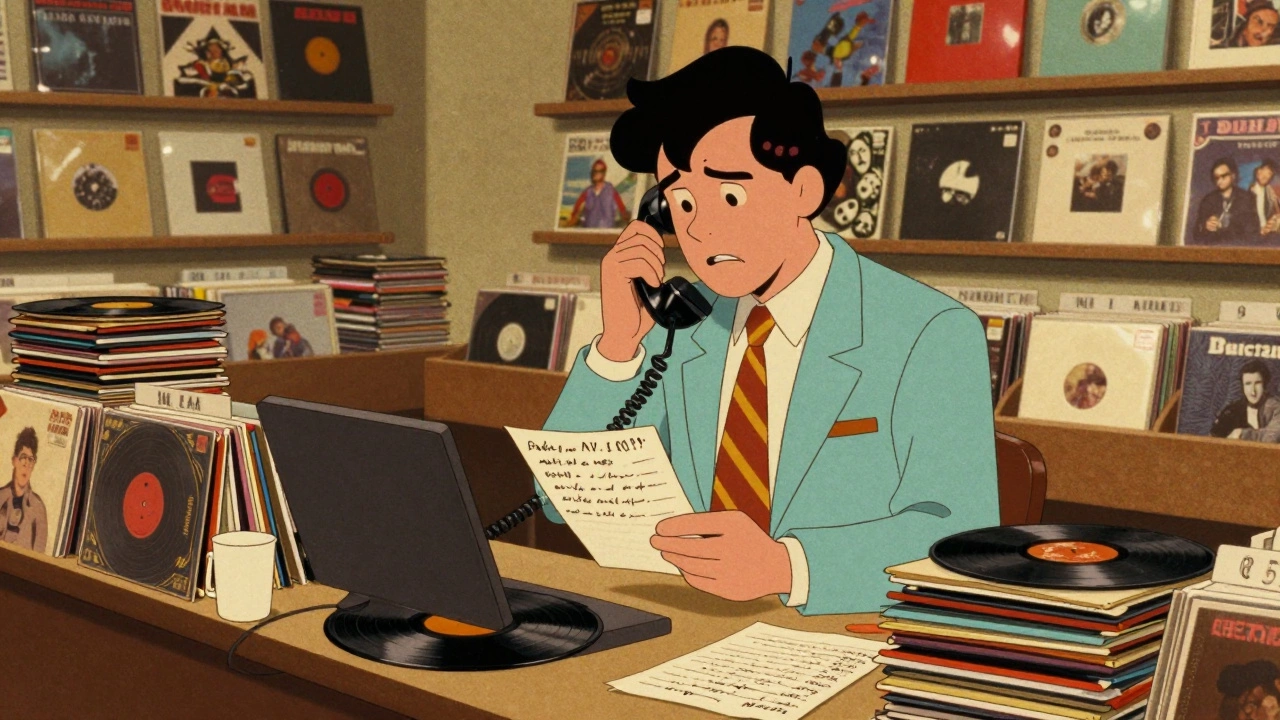

Imagine a world where your favorite album didn't just need to sell well to hit number one-it needed the right record store manager to remember it. In the 1980s, that was reality. Before barcodes and digital tracking took over, the Billboard charts were built on a foundation of phone calls, faxes, and human memory. This manual system meant that what you saw on the charts wasn't always a perfect reflection of what people actually bought. It was often a reflection of who had the best relationships with a few hundred key retailers across the country.
When we look back at the music landscape of the '80s, we see pop icons dominating the airwaves. But for genres like country, heavy metal, and hip-hop, the charts often felt disconnected from their massive fanbases. Why? Because the system that measured popularity before Nielsen SoundScan a point-of-sale data collection service launched in 1991 arrived in 1991 was fundamentally flawed. It relied on an honor system that privileged certain stores and ignored others, creating a distorted view of American musical taste.
The Manual Machinery Behind the Music
To understand how the charts worked, you have to picture the workflow inside a Billboard office in 1985. There were no automated feeds streaming real-time sales data. Instead, chart editors relied on a panel of roughly several hundred reporting outlets. These included independent record shops, large chains, wholesalers, and rack jobbers (companies that supplied records to non-music retailers like drugstores).
Every week, managers at these stores would physically count-or estimate-their best-sellers. They then called, faxed, or mailed this information to Billboard. A typical report might list the top 50 albums sold that week, often using broad tiers rather than exact numbers. You might see a note saying "Album X sold between 50 and 99 units" or simply ranking it as number three. Billboard staff then aggregated these lists, applying weights based on the store's size and location. A flagship store in New York carried more weight than a small shop in rural Ohio.
This process was slow, expensive, and prone to error. Store clerks were busy working shifts; they weren't professional data analysts. If a clerk forgot to call in a report, or if they misremembered which album sold better on Tuesday versus Wednesday, the national chart shifted slightly. By modern standards, this seems absurd. But for decades, this was the gold standard for measuring musical success.
| Feature | Pre-1991 (Manual Reporting) | Post-1991 (SoundScan/Luminate) |
|---|---|---|
| Data Source | Self-reported estimates by store managers | Barcode-scanned point-of-sale transactions |
| Coverage | ~Hundreds of selected "reporting" stores | Tens of thousands of retail locations |
| Accuracy | Subjective, prone to manipulation and error | Objective, transaction-based |
| Genre Bias | Favored urban/specialty stores (Pop, Rock, R&B) | Included mass merchants (Country, Metal, Hip-Hop) |
| Speed | Days to weeks for aggregation | Near real-time data processing |
The Power of the "Key Account"
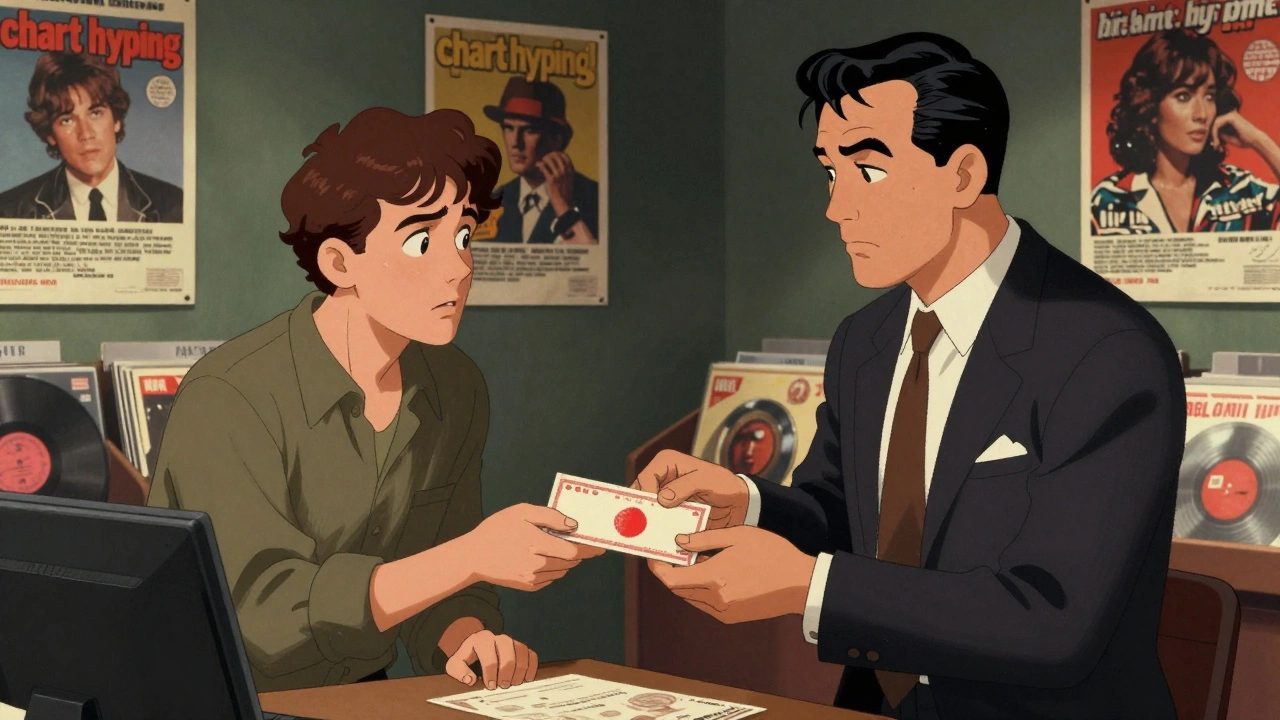
Because the sample size was so small, individual stores held immense power. Label executives knew exactly which stores were on the Billboard panel. These were known as "key accounts." If you could get your album into the top five at ten specific high-volume stores in major cities, you could artificially inflate your chart position.
This created a unique promotional strategy. Labels sent field representatives to visit these key stores weekly. They brought promotional materials, posters, and sometimes cash incentives. The goal was to ensure the store manager remembered the album when it was time to make the weekly phone call to Billboard. It wasn't uncommon for labels to pressure managers to rank a specific title higher than its actual sales justified. This practice, often called "chart hyping," turned the charts into a game of influence rather than a pure measure of consumer demand.
For major labels with deep pockets, this system was manageable. They could afford the travel, the bribes, and the marketing campaigns needed to sway the reporters. For independent labels, however, it was nearly impossible to compete. If your records sold well in college towns or through mail-order catalogs but not in the big urban specialty stores that Billboard tracked, you remained invisible on the national charts, regardless of how many copies you actually moved.
Who Got Left Out? The Genre Gap
The biggest casualty of this manual system was genre diversity. The retail panels were heavily skewed toward urban centers and specialty record stores. These shops tended to favor mainstream pop, rock, and adult contemporary music. Meanwhile, genres like country, heavy metal, and hip-hop were experiencing explosive growth in suburban areas and mass-market retailers like Walmart, Kmart, and Target.
Here’s the catch: those big-box stores were largely ignored by the pre-SoundScan reporting panels. They weren't considered "tastemakers" in the same way a boutique record store in Los Angeles or New York was. So, while Garth Brooks was selling hundreds of thousands of albums in the Midwest, or N.W.A. was moving units in suburban California, the charts didn't reflect it accurately because the stores selling them weren't part of the core data pool.
This bias extended to radio as well. The Hot 100 combined sales and airplay. While airplay monitoring improved slightly with tools like Broadcast Data Systems (BDS) in the late '80s, the sales component remained stubbornly manual. A song could be a massive radio hit but fail to chart high if it wasn't being pushed hard in the specific retail outlets that reported to Billboard.
The Day Everything Changed: May 25, 1991
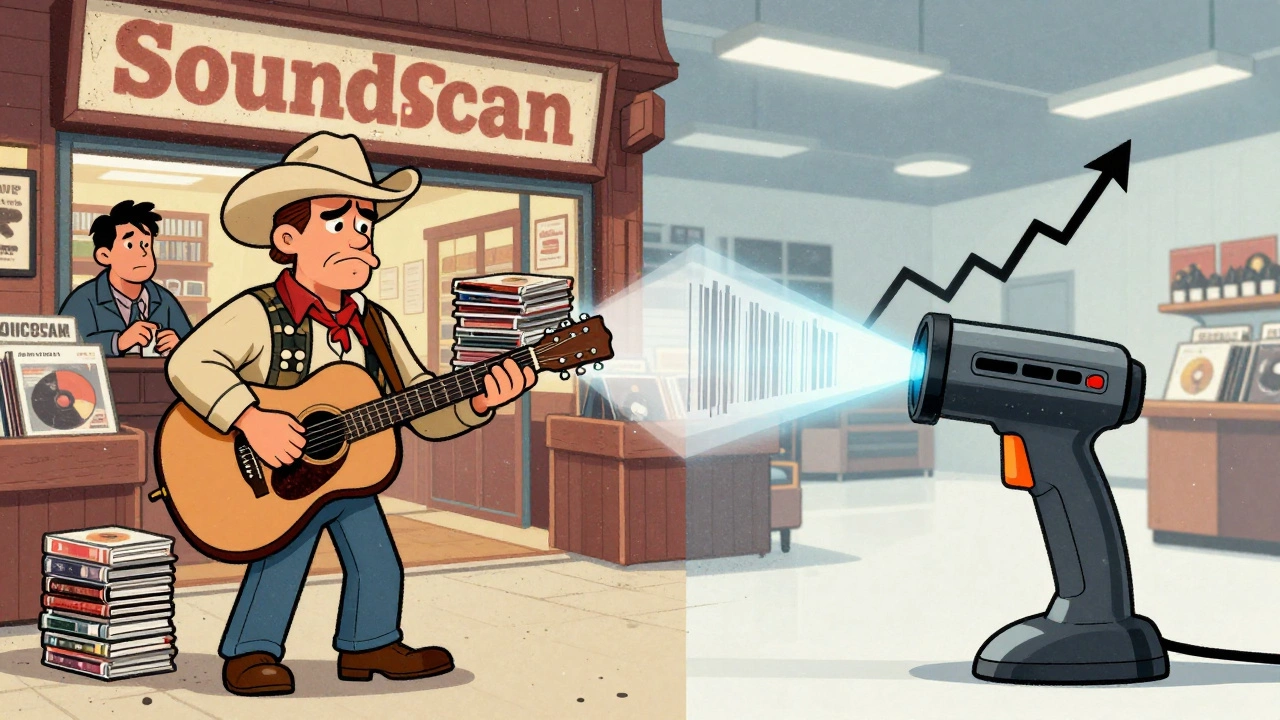
The turning point came on May 25, 1991. On this date, Billboard began using SoundScan data for the Billboard 200 album chart. SoundScan used barcode scanners at the checkout counter to capture every single sale electronically. No more estimates. No more forgotten phone calls. Just raw, undeniable data from tens of thousands of retailers nationwide.
The immediate effect was seismic. Albums that had been sitting lower on the charts suddenly skyrocketed. Garth Brooks’ *Ropin' the Wind* jumped significantly, revealing just how huge his sales really were. Metallica’s *Metallica* (the Black Album) surged, proving that metal fans were buying records in droves, even if they shopped at Best Buy instead of Tower Records. Hip-hop acts also saw dramatic increases, as SoundScan captured sales in urban mass merchants that had previously been undercounted.
Industry experts noted that this shift didn't just change the numbers; it changed the culture. Suddenly, artists couldn't rely on label muscle to fake their way to the top. They had to actually move product. The "honor system" was dead, replaced by cold, hard facts. This leveled the playing field for genres that had been marginalized by the old retail hierarchy.
Legacy of the Honor System
Looking back, the pre-SoundScan era serves as a reminder that data is never neutral. The charts of the 1980s were shaped by the biases of the people collecting the data. They reflected the tastes of a specific subset of retailers-mostly urban, mostly specialty-focused-and the priorities of major labels that could afford to manipulate the system.
Today, with Luminate (the successor to SoundScan) tracking streams, downloads, and physical sales, we have a much more complete picture of musical consumption. But understanding the mechanics of the 1980s helps us interpret historical data with a critical eye. When you see a hit from that decade, ask yourself: Did everyone love it, or did it just have the right friends in the right record stores?
Why did Billboard switch to SoundScan in 1991?
Billboard switched to SoundScan because the previous manual reporting system was inaccurate, easily manipulated, and biased toward certain types of stores. SoundScan provided objective, barcode-based data from a much wider range of retailers, including mass merchants, giving a truer picture of sales.
Which genres benefited most from the SoundScan change?
Country, heavy metal, and hip-hop benefited the most. These genres sold heavily in mass-market retailers like Walmart and Target, which were largely excluded from the pre-1991 reporting panels focused on urban specialty stores.
What was "chart hyping" in the 1980s?
Chart hyping was a practice where record labels pressured or incentivized managers of key reporting stores to over-report sales or rank specific albums higher than they actually sold, artificially boosting their chart position.
How did record stores report sales before SoundScan?
Store managers manually estimated their best-selling titles each week and reported them via phone, fax, or mail. They often used broad sales tiers (e.g., "50-99 units") rather than exact counts, and their reports were weighted by the store's perceived importance.
Did SoundScan affect radio airplay charts?
SoundScan specifically tracked retail sales. Radio airplay was monitored separately using electronic monitoring services like Broadcast Data Systems (BDS), which had already begun replacing manual radio playlists in the late 1980s.