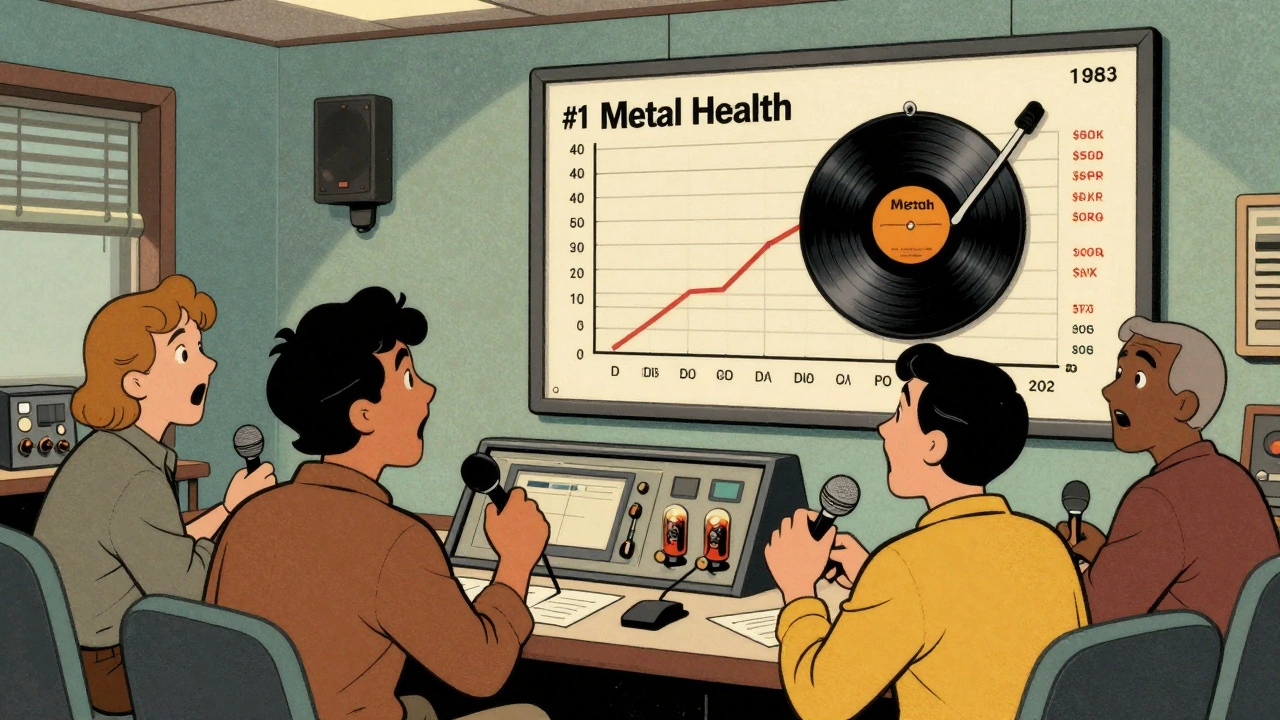

Imagine a heavy metal band hitting number one on the pop charts in 1983. It sounds impossible today, but it happened. Quiet Riot is an American rock band that made history with their 1983 album Metal Health, becoming the first heavy metal act to top the Billboard 200 chart. Also known as Quiet Riot Band, they proved that distorted guitars and loud drums could compete with mainstream pop stars. Their breakthrough changed how radio stations treated metal music forever.
The Unlikely Path to Mainstream Success
Before Metal Health exploded, Quiet Riot was just another hard rock group in the Los Angeles scene. They had been around since the early 1970s, changing members and labels without much success. But by 1983, everything shifted. The band featured vocalist Kevin DuBrow and drummer Frankie Banali, creating a sound that was both aggressive and catchy.
Their label saw potential in crossing over to pop audiences. Instead of releasing dark, complex tracks, they chose a cover song that already had massive appeal. This decision turned out to be genius. The track Cum On Feel the Noize is a hit single by Quiet Riot covering Slade's 1973 song, which became the lead single from Metal Health and helped the album reach number one on the Billboard 200. originally by British glam-rock band Slade, gave them instant familiarity with American listeners who hadn't heard the original.
| Metric | Value |
|---|---|
| Release Date | March 11, 1983 |
| Peak Position | #1 on Billboard 200 |
| Historical Significance | First heavy metal album to top US pop charts |
| Lead Single | Cum On Feel the Noize |
| Certification | Multi-Platinum (RIAA) |
Why Radio Programmers Embraced Metal Health
Radio programmers in the early 1980s were cautious about playing heavy metal. Most stations reserved metal for late-night slots or specialized rock formats. But Metal Health offered something different. The production quality was high, with clear vocals and polished instrumentation that fit comfortably between pop and rock songs.
The album's title track, Metal Health (Bang Your Head) is the iconic opening track from Quiet Riot's debut major-label album, featuring gang vocals and anthemic choruses designed for radio play. combined metallic riffing with shouted gang vocals that felt more like a sports anthem than underground metal. Listeners didn't need years of metal experience to enjoy it. The songwriting balanced straightforward verse-chorus structures with enough guitar flash to satisfy dedicated fans while keeping songs within radio-friendly lengths.
This accessibility mattered enormously. Stations could add these tracks to daytime playlists without alienating their core audience. MTV also played a crucial role. Videos for Cum On Feel the Noize gave the band visual exposure that translated directly into airplay requests and record sales. Young viewers saw cool guys in leather jackets rocking out and wanted to hear more.
The Sound That Defined Glam Metal
Metal Health arrived at the perfect moment for what would become known as glam metal or hair metal. The subgenre emphasized big drum sounds, prominent guitar solos, and highly melodic choruses. Quiet Riot's record embodied all these elements while maintaining enough grit to avoid sounding purely pop.
Fans and critics describe the album as "polished yet raw, slick yet noisy." This duality captured the essence of early 1980s LA metal. Big, chanted choruses dominated every track. Riffs were "catchy as hell" according to longtime listeners. Even when guitars sounded heavily distorted, the mix remained bright and accessible on FM dials.
Consider how this compared to other metal releases of the era. Traditional heavy metal bands often focused on technical complexity and darker themes. Quiet Riot prioritized hooks and energy. Their approach created a template that other bands quickly followed. Mötley Crüe, Ratt, and numerous other Los Angeles acts began appearing regularly on mainstream radio countdowns and video rotation lists throughout the mid-1980s.
Chart Performance and Industry Impact
When Metal Health reached number one on the Billboard 200 in late November 1983, it sent shockwaves through the music industry. For the first time, a debut heavy metal album topped the same chart that ranked dominant pop acts. This wasn't just a rock-radio achievement-it represented genuine crossover success.
Major labels took notice. Executives realized that heavy metal could generate top-five singles and number-one albums, not just niche catalog sellers. The demographic overlap between pop-radio audiences and young listeners driving metal's club success became obvious. Labels began investing heavily in visually distinctive hard rock acts.
The album achieved multi-platinum status, though exact cumulative sales numbers vary across sources. What matters most is its historical significance. Metal Health helped kick off the 1980s metal explosion. It demonstrated that metal could sell at the very top level of the pop market if packaged correctly.
The Double-Edged Sword of Success
Despite its groundbreaking impact, Metal Health created challenges for Quiet Riot. The enormous and somewhat unexpected success placed intense pressure on the band and their label to reproduce massive sales quickly. Rushed follow-up releases and internal tensions followed.
Some critics argue that relying heavily on a hit cover song left the band vulnerable when tastes changed. Other groups moved into the space Quiet Riot had opened, often with stronger original material. The band struggled to match or exceed their initial breakthrough. What started as a triumphant entry into mainstream culture became, in hindsight, a peak from which they rapidly declined commercially.
Yet this perspective doesn't diminish the album's importance. Whether viewed as a creative high point or a commercial trap, Metal Health remains a case study in crossover strategy. It showed how careful single selection, accessible production, and emerging media synergy could break genre barriers.
Legacy and Cultural Memory
Decades later, fans still remember where they were when they first heard Cum On Feel the Noize or Metal Health (Bang Your Head) on mainstream radio. Many describe the album as their "first metal record," implying that Quiet Riot served as an entry point for listeners previously engaged mainly with pop or classic rock.
Metal-history platforms continue marking specific dates tied to the album's release and chart achievements. Each year on March 11, outlets celebrate the day Metal Health dropped. Anniversary posts highlight its status as the first heavy metal album to reach number one, keeping the narrative alive for new generations.
Even after the deaths of key members Kevin DuBrow and Frankie Banali, the band persists with new lineups, trading heavily on their association with this landmark record. The sustained commemorative attention suggests long-term cultural viability, even as contemporary commercial profiles shrink compared to their 1983 peak.
Lessons for Modern Artists
Today's musicians can learn valuable lessons from Quiet Riot's journey. First, understand your target audience's existing preferences. By choosing a familiar song structure and melody, they lowered the barrier to entry for casual listeners. Second, prioritize production quality. High-quality mixing made heavy guitars sound appealing rather than abrasive on standard car stereos and home systems.
Third, leverage multiple media channels simultaneously. MTV videos amplified radio impact. Fourth, accept that breakthrough success may create unsustainable expectations. Plan for longevity beyond initial hype. Finally, recognize that pioneering moments often come with trade-offs. Being first opens doors but doesn't guarantee lasting dominance.
Was Quiet Riot really the first heavy metal band to hit number one?
Yes, according to Billboard records and multiple music history sources, Quiet Riot's Metal Health became the first heavy metal album to reach number one on the Billboard 200 chart in November 1983. This distinction specifically applies to the main pop album chart, not specialized rock or metal charts.
What made Cum On Feel the Noize so successful as a cover song?
The song worked because it combined a pre-proven glam-rock anthem with heavier early-80s LA metal sound. American listeners unfamiliar with Slade's original encountered it as a fresh, explosive heavy metal anthem with a chant-along chorus perfect for radio and MTV. The strategic choice led with hook-laden familiarity rather than darker original compositions.
How did Metal Health influence the development of glam metal?
Metal Health established a sonic blueprint combining big drum sounds, prominent guitar solos, and highly melodic choruses with polished production values. Its success proved that heavy metal could achieve mainstream commercial viability, encouraging labels to invest in similar acts like Mötley Crüe and Ratt throughout the mid-to-late 1980s.
Why couldn't Quiet Riot replicate their initial success?
Several factors contributed: intense industry pressure to quickly reproduce massive sales, rushed follow-up releases, internal band tensions, and reliance on a hit cover song that left them vulnerable when musical trends shifted. Other bands moved into the space they opened, often with stronger original material.
Did MTV play a significant role in Metal Health's success?
Absolutely. MTV had begun exerting measurable influence on radio programming choices by 1983. Videos for Cum On Feel the Noize gave Quiet Riot visual exposure that translated directly into airplay requests and album sales, demonstrating the powerful interplay between video exposure and radio rotation during the 1980s music industry transformation.


