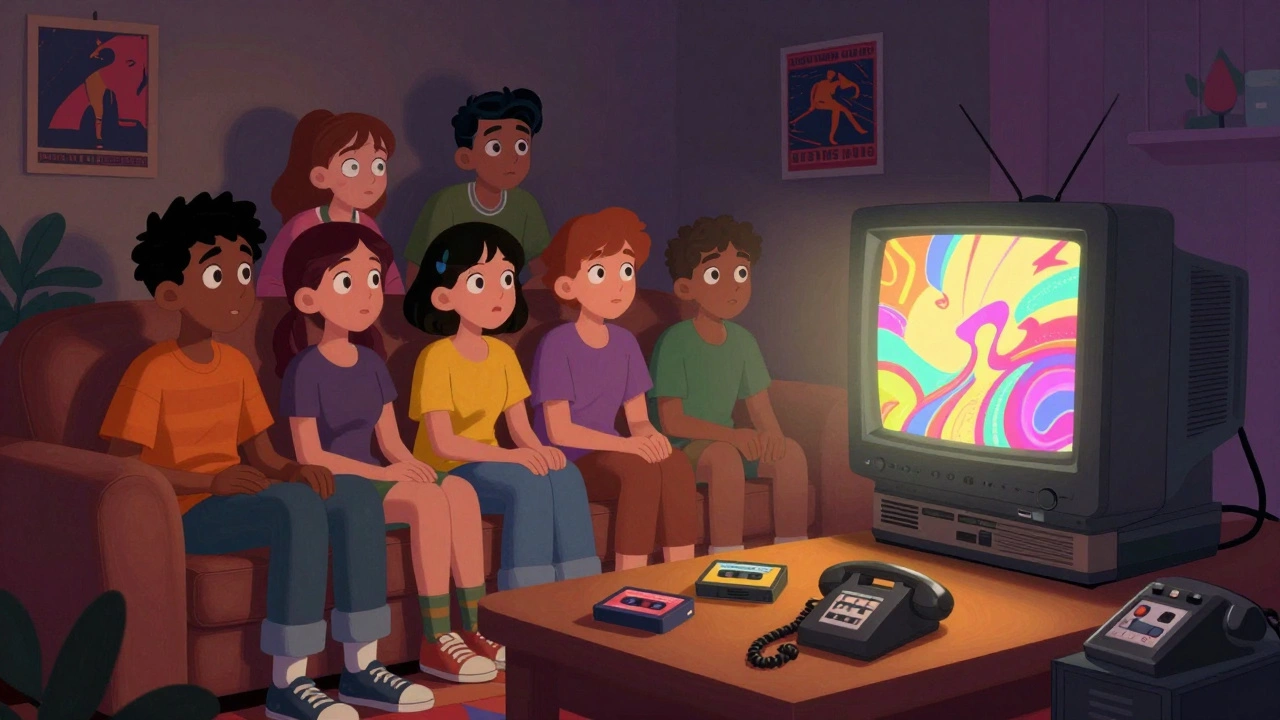

Remember the feeling of waiting for a specific song to come on? In the 1990s, millions of teenagers sat in front of their televisions, staring at a glowing screen, hoping MTV is a cable television channel that revolutionized youth culture by merging music with visual storytelling would play their favorite track. They didn’t have algorithms predicting their taste. They had VJs, countdown shows, and a shared cultural moment that happened at the same time for everyone. Fast forward to today, and that collective anticipation has fragmented into billions of individual scrolls through TikTok feeds and Instagram Reels. Yet, if you look closely, the DNA of modern social video isn’t new. It was written in the code of 1990s MTV.
We often think of platforms like TikTok or YouTube as radical inventions, completely disconnected from the analog past. But the way we consume short-form video, the rise of personality-driven content, and even the mechanics of virality are direct descendants of what MTV pioneered three decades ago. The channel didn’t just play music; it taught a generation how to watch, how to react, and how to perform. When Paramount announced it would shut down its remaining linear music-video channels on December 31, 2025, it felt like an ending. But in reality, it’s just a migration. The spirit of 1990s MTV hasn’t died; it has simply moved online, becoming the invisible architecture of our digital lives.
The Birth of Short-Form Visual Storytelling
In the early 1980s, when MTV launched with "Video Killed the Radio Star," it introduced a new language: the music video. By the 1990s, this format had evolved into a sophisticated art form. Artists like Nirvana, with their 1991 breakout hit "Smells Like Teen Spirit," showed that a three-minute clip could carry narrative weight, aesthetic identity, and cultural commentary all at once. This compression of meaning-fitting a story, a vibe, and a brand into under four minutes-is the exact blueprint for today’s social video.
Think about how you scroll through TikTok. You’re looking for quick hits of entertainment, style, or emotion. That habit was trained by MTV’s rapid-fire editing, bold graphics, and kinetic camera movements. The channel’s house style featured jump cuts, stylized typography, and constant visual novelty. These weren’t just artistic choices; they were retention strategies. MTV learned that if you didn’t grab attention in the first few seconds, viewers changed the channel. Today’s creators learn the same lesson: if your hook doesn’t land immediately, users swipe away. The medium changed from cable boxes to smartphones, but the psychology of attention remains identical.
This shift also transformed how music was marketed. Record labels stopped treating videos as afterthoughts and started investing heavily in them because MTV proved that visuals drove sales. A great video could break an artist overnight. Now, a viral sound on TikTok can spike streaming numbers by triple-digit percentages. The mechanism is different-one uses programming directors, the other uses algorithms-but the outcome is the same: visual appeal dictates commercial success.
Reality TV and the Creator Economy
If music videos taught us how to watch, MTV’s reality programming taught us how to be watched. In 1992, The Real World is a groundbreaking reality television series that followed young strangers living together in a shared space premiered, changing television forever. It wasn’t scripted. It wasn’t polished. It was raw, confessional, and focused on ordinary people navigating relationships and conflicts. This format pioneered the handheld, documentary-style aesthetic that now dominates vlogs and creator-driven content on YouTube and TikTok.
The cast members of The Real World became early influencers. Their everyday lives were content. Viewers formed parasocial relationships with them, seeing themselves in the cast while also consuming them as characters. This blurring of authenticity and performance is central to today’s social media landscape. When someone posts a "day in my life" video on TikTok, they are participating in a tradition started by MTV’s reality franchises. They are curating their reality for an audience, seeking validation and connection through shared experience.
Moreover, MTV expanded this model with shows like Beavis and Butt-Head, which premiered in 1993. This animated series offered ironic meta-commentary on music videos, literally having characters watch and react to clips within the show. This prefigured the entire genre of reaction videos and commentary channels that thrive on YouTube today. Creators build communities by watching media alongside their audiences, providing analysis, humor, or critique. MTV realized early on that audiences didn’t just want to see the product; they wanted to discuss it, dissect it, and make it part of their own identity.
VJs as the Original Influencers
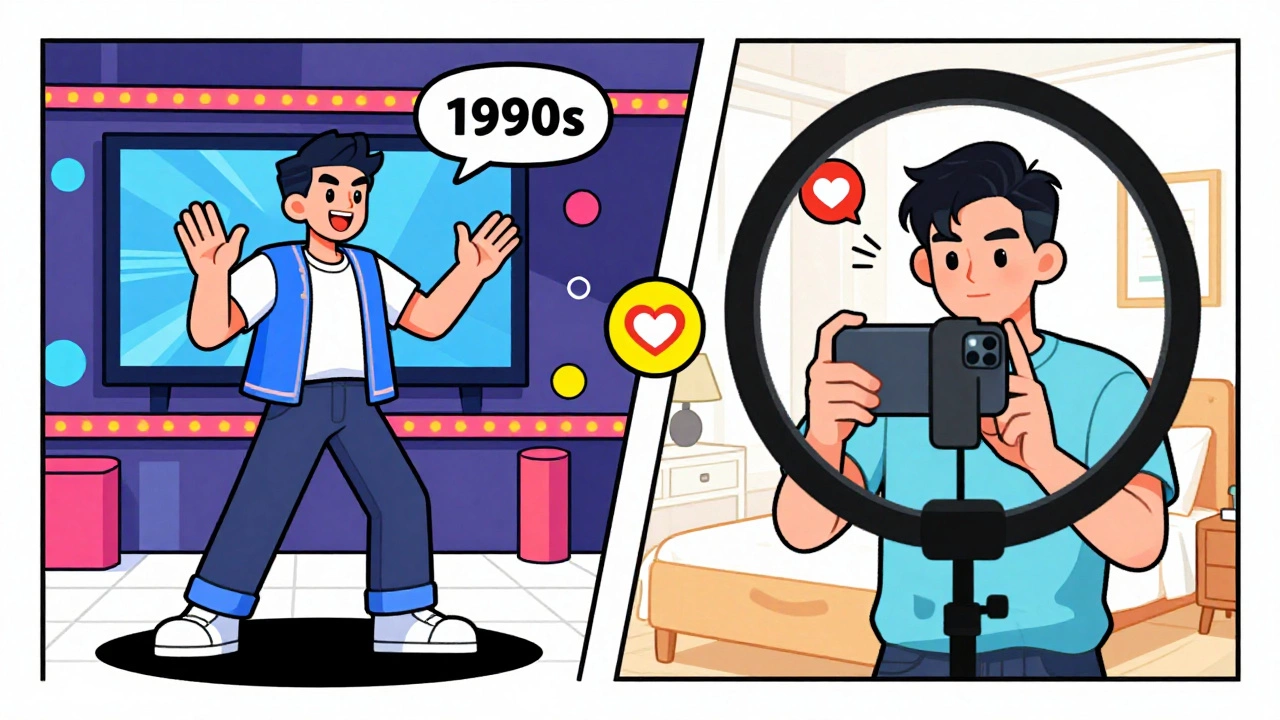
Before there were influencers, there were VJs (Video Jockeys). In the 1990s, hosts like Martha Stewart, Alan Hunter, and Carson Daly became celebrities in their own right. They weren’t just announcers; they were guides through a dense media landscape. Known for their distinctive fashion, slang, and on-air rapport, VJs curated content for viewers. You tuned in not just for the music, but for the host’s personality.
This model aligns perfectly with the creator-centric orientation of modern platforms. On TikTok or YouTube, channels are built around individual hosts rather than specific shows or schedules. The trust and loyalty fans feel toward a popular TikToker mirror the attachment teens felt toward their favorite VJ. Both figures act as tastemakers, filtering noise and highlighting what matters. The difference is scale and interactivity. VJs broadcast one-to-many, while influencers engage in two-way conversations via comments and live streams. But the core dynamic-personality driving consumption-remains unchanged.
The rise of the VJ also highlighted the importance of branding. MTV itself became a brand, with its logo appearing everywhere, from t-shirts to backpacks. Today, creators treat their names and faces as brands, licensing merchandise and partnering with companies. The infrastructure for influencer marketing exists because MTV demonstrated that youth culture could be mobilized around personalities, not just products.
Interactivity and the Algorithmic Feed
One of the most profound legacies of 1990s MTV is the embedding of interactivity into content visibility. While technology was limited, MTV found ways to give audiences a sense of control. Viewer request lines allowed fans to call in and ask for songs. This evolved into Total Request Live (TRL) is a daily live countdown show where viewers’ votes determined which music videos made the top 10, which launched in 1998. TRL turned Times Square into a stage for fan participation. Viewers voted via phone calls and websites, directly influencing what appeared on screen.
This feedback-driven ranking logic mirrors contemporary algorithmic feeds. On TikTok, likes, comments, shares, and watch time determine whether a video goes viral. The underlying principle is continuous: audience behavior shapes content prominence. In the 1990s, if enough people called in for a song, it climbed the charts. Today, if enough people engage with a clip, the algorithm pushes it to more users. The tools have shifted from rotary phones to touchscreens, but the desire for agency remains the same. Audiences want to feel that their preferences matter, that they can influence the cultural conversation.
This interactivity also fostered community. Teens discussed last night’s videos at school, creating shared reference points. Today, memes and trends serve the same function. A viral dance challenge on TikTok creates a global moment where millions participate simultaneously, much like a heavy rotation video on MTV created a local buzz. The scale is larger, but the social glue is similar. Media becomes a topic of conversation, reinforcing bonds between peers.
| 1990s MTV Feature | Modern Social Video Equivalent | Core Function |
|---|---|---|
| Music Videos (3-4 mins) | TikTok/Reels Clips (15-60 secs) | Short-form visual storytelling |
| The Real World | Vlogs / Day-in-the-Life Content | Personality-driven reality |
| VJs (Video Jockeys) | Influencers / Streamers | Curation and personality branding |
| Total Request Live (TRL) | Algorithmic Feeds (For You Page) | Audience-driven content ranking |
| Beavis and Butt-Head | Reaction Videos / Commentary Channels | Meta-commentary and remix culture |

Nostalgia and the End of Linear Music TV
As of late 2025, MTV’s linear music-video channels are shutting down. This marks the end of an era where a centralized entity decided what you watched. However, the demand for that experience persists. Independent sites like "MTV Legacy" offer 24/7 shuffled playlists of archival content, allowing fans to relive the golden age. This nostalgic re-packaging parallels how social platforms recycle 1990s imagery, fashion, and editing styles in retro-themed trends.
Why does this nostalgia matter? Because it proves the enduring power of MTV’s aesthetic. Creators today use VHS filters, pixelated fonts, and synth-wave music to evoke the 1990s. They are borrowing from MTV’s visual vocabulary to connect with audiences who crave authenticity and texture. The shutdown of linear channels doesn’t erase MTV’s impact; it liberates its elements for remixing. The culture moves on, but the roots remain visible.
Furthermore, the economic shift reflects broader changes in media consumption. Linear TV relied on carriage fees and advertising revenue tied to household penetration. Social video relies on engagement metrics and targeted ads. The transition from mass broadcasting to personalized streaming is inevitable. MTV adapted by becoming a general entertainment brand under Paramount, focusing on unscripted series and digital initiatives. Its legacy lives on not in the channel itself, but in the habits it instilled in its audience.
Lessons for Today’s Creators
What can modern creators learn from MTV’s 1990s legacy? First, prioritize strong visual hooks. MTV taught us that aesthetics matter. A well-composed shot, bold colors, and dynamic movement capture attention faster than dialogue alone. Second, embrace personality. Whether you’re a musician or a commentator, your unique voice is your asset. Build a brand around who you are, not just what you say. Third, encourage interaction. Give your audience a reason to engage, whether through polls, challenges, or open-ended questions. Make them feel part of the process.
Finally, remember that context is key. MTV succeeded because it understood its audience’s desires and anxieties. It reflected Gen-X disaffection, alternative rock rebellion, and urban cool. Today’s creators must similarly tap into current cultural currents. Authenticity resonates because it feels real. Don’t just chase trends; contribute to the conversation. Use the tools available to you, but stay true to your vision. The platform may change, but the human need for connection and expression remains constant.
Did MTV invent reality television?
While MTV did not invent reality television, The Real World, which debuted in 1992, is widely credited with popularizing the format. It introduced the concept of following ordinary people in unscripted situations, paving the way for countless reality shows and vlog-style content on modern platforms.
How does Total Request Live (TRL) relate to TikTok?
TRL allowed viewers to vote for their favorite music videos, directly influencing the daily countdown. This mirrors TikTok’s algorithm, where user engagement (likes, shares, watch time) determines which content gains visibility. Both systems rely on audience feedback to shape content prominence.
Why are MTV music video channels shutting down in 2025?
Paramount announced the shutdown of its remaining linear music-video channels due to shifting viewer habits. Audiences now prefer on-demand and social video platforms like YouTube and TikTok for music discovery, making traditional linear broadcasting less economically viable.
Who were VJs and why were they important?
VJs, or Video Jockeys, were hosts who introduced music videos and provided commentary. They became celebrities in their own right, functioning as early influencers. Their personalities helped build loyal audiences, establishing the model for creator-driven content seen today.
How did MTV influence music marketing?
MTV demonstrated that visually striking music videos could break artists and drive record sales. Labels began investing heavily in video production, treating them as central marketing tools. This precedent continues today, where viral potential on social media dictates promotional strategies.