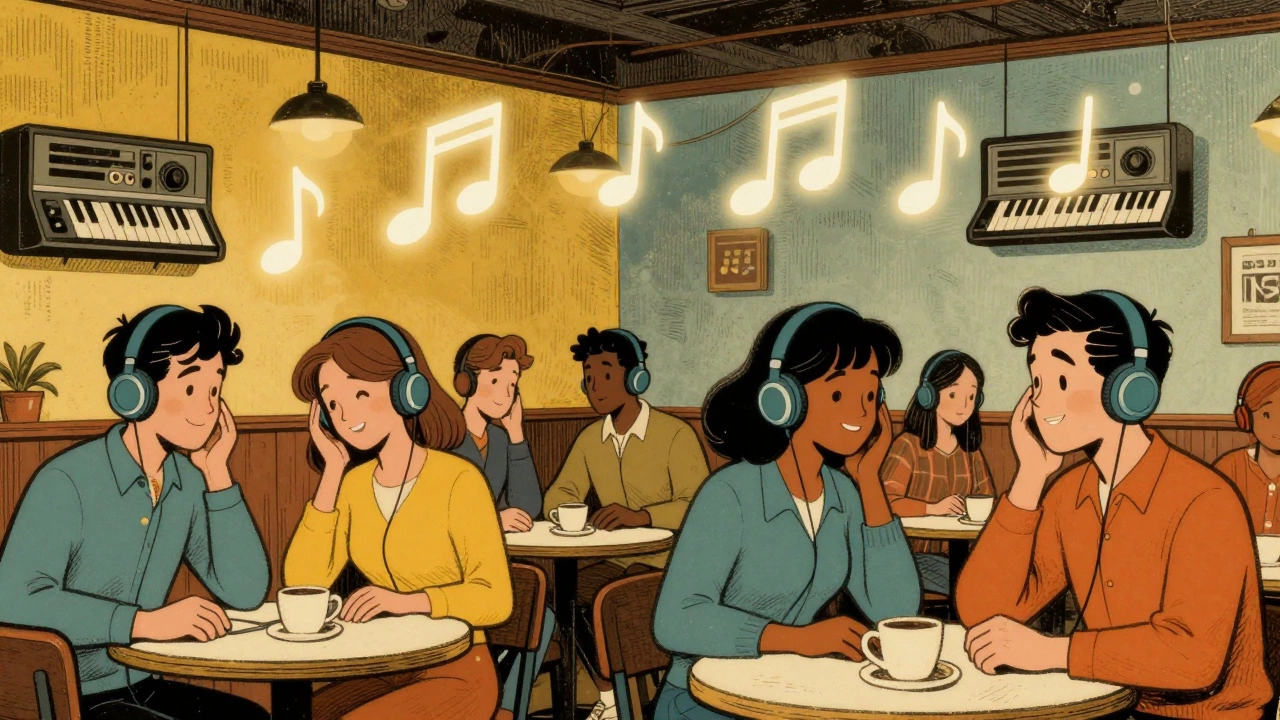

Walk into any coffee shop or scroll through your Spotify queue today, and you will likely hear the distinct hum of an analog synthesizer. It is a sound that belongs to the past, yet it feels incredibly present. Modern artists covering 1980s hits has become one of the most dominant trends in contemporary music production. But this is not just about lazy nostalgia. It is a complex artistic strategy that bridges generational gaps, revitalizes classic melodies, and introduces iconic sounds to listeners who were born decades after the original recordings.
You might wonder why a band like Foo Fighters would choose to cover Kim Wilde’s "Kids In America" instead of writing something entirely new. Or why Dua Lipa’s latest album sounds like it was pulled from a time capsule labeled 1985. The answer lies in the unique emotional resonance of 1980s music combined with modern production techniques. This trend serves two distinct audiences: those who crave the comfort of familiar melodies and younger listeners discovering these sounds for the first time.
The Power of Direct Reinterpretations
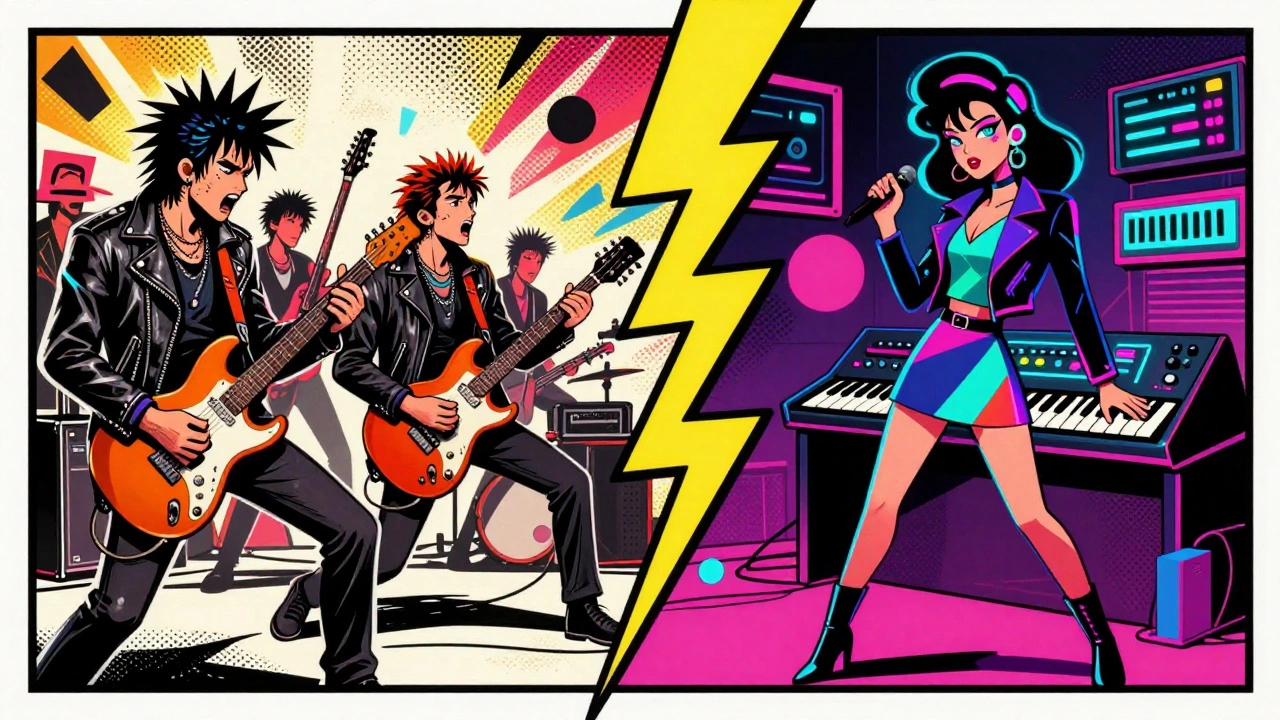
When modern rock bands tackle 1980s classics, they are often looking to inject raw energy into songs that may have been polished by studio perfectionism in their original era. Take the example of Foo Fighters. Their cover of Kim Wilde’s 1981 hit "Kids In America" strips away some of the new wave polish and replaces it with grunge-era intensity. This approach does not just repeat the song; it recontextualizes it. By changing the instrumentation and vocal delivery, the band creates a bridge between the punk-influenced rock of the 1990s and the pop-rock of the 1980s.
Similarly, hard rock band Halestorm chose Whitesnake’s "Still Of The Night" for reinterpretation. This selection demonstrates how subgenres extend beyond their original contexts. Halestorm brings a heavier, more aggressive edge to the track, appealing to fans of modern metal while honoring the glam rock roots of the original. These covers are not accidental. They are deliberate curations where artists select songs with specific thematic resonance or performance opportunities that align with their current artistic identity.
Even Black Veil Brides jumped on this bandwagon with their cover of Billy Idol’s "Rebel Yell." This choice indicates that the appeal of 1980s covers spans the entire stylistic spectrum of rock music. From post-punk revivalists to heavy metal acts, these bands recognize that 1980s anthems possess a universal structural quality-catchy hooks, driving rhythms, and memorable choruses-that translates well across different musical styles.
Sonic Nostalgia: Original Songs with an 80s Vibe
Covering old songs is only half the story. A massive portion of the current 1980s revival involves original compositions that deliberately replicate the sonic characteristics of the decade. You do not need to listen to a direct cover to feel the influence. Artists like Harry Styles, The Weeknd, and Dua Lipa have built careers on blending nostalgic production with contemporary styles.
Consider The Weeknd’s electronic ballads. He employs synthesizer-based production that mirrors the lush, atmospheric soundscapes of early 1980s R&B and pop. His tracks feel like they could have aired on MTV circa 1985, yet they address modern themes and utilize high-fidelity recording technology. This "time-traveling" aesthetic allows listeners to experience the emotional texture of the past without the limitations of vintage equipment.
Dua Lipa’s work in nu-disco incorporates 1980s-influenced groove elements, creating danceable anthems that reference the era without being carbon copies. Her success proves that contemporary audiences respond positively to these aesthetic choices. The "synthesizer-soaked sound" has become a portable aesthetic. It can be applied to new compositions regardless of the artist’s background, creating a cohesive sonic identity that cuts across genres.
Other notable examples include Miley Cyrus, whose recent releases feature danceable beats reminiscent of the era, and Chappell Roan, who embraces the theatricality and boldness of 1980s pop icons. Even indie psychedelic acts like Tame Impala incorporate retro-futuristic elements that nod to the decade’s experimental spirit. This breadth of application shows that the 1980s vibe is not limited to one genre but is a versatile toolkit for modern songwriters.
The Enduring Legacy of 80s Icons
It is not just new artists paying homage. The original architects of the 1980s sound are still very much alive and creatively active. In 2025, publications like Pop Dose highlighted six '80s new-wave icons dominating the year’s best new albums. Bands such as Duran Duran, Devo, and OMD (Orchestral Manoeuvres in the Dark) delivered career-best albums decades after their initial peak.
This is significant because it shows that the demand for 1980s music is not solely driven by outsiders looking in. The original artists themselves continue to generate new material that competes for recognition among the year’s best releases. The Ocean Blue also joined this list, demonstrating sustained creative vitality. These bands have maintained relevance over the past 15 years, proving that their artistic vision remains compelling to both loyal fans and new listeners.
The cross-generational influence works in reverse too. Pet Shop Boys, a British electronic duo famous for their 1988 hit "Domino Dancing," released a Christmas EP in 2009 that included a cover of Coldplay’s "Viva La Vida." By mixing this modern composition with their own 1980s classic, they created a hybrid recording that validated the modern song through association with their established catalog. This sophisticated audience understanding demonstrates that contemporary music can coexist stylistically with 1980s production.
Why This Trend Resonates Today
So, why now? Why has the 1980s become such a fertile ground for modern reinterpretation? One reason is the accessibility provided by streaming platforms. Services like Spotify have aggregated this content into dedicated playlists, such as "Modern Covers of 80's Songs." These curated lists provide a centralized resource for listeners seeking this category of music. They offer a "nice refresher" for those grown tired of hearing the same original tracks repeatedly.
For established contemporary artists without 1980s pedigree, covering hits provides access to proven compositions. These songs have existing fan bases, built-in recognition, and melodic structures that have demonstrated commercial viability over decades. It is a low-risk, high-reward strategy. For 1980s artists continuing to record, the renewed appreciation for their era’s production techniques creates a favorable environment for new releases.
For listeners, this dual flow creates multiple entry points. Direct covers satisfy explicit demand for specific songs reimagined with modern production. Meanwhile, original compositions with 1980s influences serve audiences who appreciate the sonic characteristics of the era without requiring specific song recognition. The synthesizer-based production has become the primary identifier for the sound, allowing it to transcend its original context.
| Approach | Key Artists | Primary Goal | Audience Appeal |
|---|---|---|---|
| Direct Rock Covers | Foo Fighters, Halestorm | Inject new energy into classics | Rock fans, nostalgia seekers |
| Synth-Pop Revival | Dua Lipa, The Weeknd | Create original songs with 80s aesthetics | Younger demographics, pop fans |
| Original Artist Continuation | Duran Duran, OMD | Maintain creative vitality | Loyal fans, critics |

The Role of Production Technology
The ability to recreate the 1980s sound accurately is largely due to advancements in digital audio workstations (DAWs). Modern producers can emulate vintage hardware synthesizers like the Roland Juno-60 or the Yamaha DX7 with stunning precision. This technological parity allows artists to capture the warmth and imperfections of analog gear without the logistical headaches of maintaining obsolete equipment.
However, it is not just about replication. It is about enhancement. Modern mastering techniques give these retro-inspired tracks a clarity and loudness that 1980s records lacked. This combination of vintage tone and modern fidelity creates a sound that is both comforting and exciting. It satisfies the ear’s desire for familiarity while delivering the impact expected from contemporary chart-toppers.
The visual component also plays a role. The reference point for authentic 1980s aesthetics often includes the music video format popularized by MTV. Modern artists frequently pair their retro-inspired music with visuals that evoke the neon-lit, high-contrast style of the mid-80s. This holistic approach reinforces the thematic connection, making the music feel part of a larger cultural package.
Is This Just a Passing Fad?
Given the sheer volume of 1980s-inspired content, you might ask if this is merely a temporary trend. The evidence suggests otherwise. The phenomenon has been documented by multiple independent sources, including WDHA FM, Pop Dose, and various streaming platforms, indicating it is an established and commercially significant movement. The continuation of this trend into 2025 and 2026 shows no sign of diminishment.
Moreover, the competitive positioning of these releases indicates that the appeal extends beyond purely nostalgic consumption. Albums by both contemporary artists and original 1980s acts are recognized for genuine artistic and production quality. They merit inclusion alongside mainstream non-nostalgia-based music. This validation suggests that the 1980s aesthetic has transcended its historical context to become a permanent fixture in the modern musical landscape.
As we move further into the decade, the gap between the original recordings and today continues to widen. Yet, the emotional core of the music remains intact. Whether through a gritty rock cover by Foo Fighters or a sleek pop anthem by Harry Styles, the spirit of the 1980s lives on, reshaped and refreshed for new generations to discover.
Why do modern artists cover 1980s songs?
Modern artists cover 1980s songs to tap into the strong emotional resonance and nostalgia associated with the era. These covers allow them to reach older audiences who remember the originals while introducing classic melodies to younger listeners. Additionally, 1980s hits often have strong melodic structures and catchy hooks that translate well across different genres and styles.
What makes a good 1980s cover?
A good 1980s cover respects the original melody and structure while bringing a fresh perspective. This might involve changing the genre, such as turning a pop song into a rock anthem, or updating the production with modern instruments. The key is to honor the spirit of the original while making it relevant to contemporary tastes.
Are there original songs that sound like 1980s hits?
Yes, many modern artists create original songs that intentionally mimic 1980s aesthetics. Artists like The Weeknd, Dua Lipa, and Harry Styles use synthesizers, drum machines, and production techniques reminiscent of the 1980s to create a "retro-futuristic" sound that appeals to fans of both eras.
Which 1980s bands are still releasing new music?
Several iconic 1980s bands remain active and critically acclaimed. Notable examples include Duran Duran, Devo, OMD (Orchestral Manoeuvres in the Dark), and The Ocean Blue. These artists have continued to produce high-quality music that competes with contemporary releases, demonstrating the enduring creativity of the new wave and synth-pop movements.
How does streaming affect the popularity of 1980s covers?
Streaming platforms like Spotify play a crucial role by aggregating covers and retro-inspired music into dedicated playlists. This curation makes it easy for listeners to discover new interpretations of classic songs, fostering a community around the genre and sustaining interest in both old and new material.


