
Before 1983, a music video was usually just a cheap promotional clip. Bands would set up in front of a green screen or perform on stage with minimal editing. It was an afterthought to the actual record. Then Michael Jackson is an American singer, songwriter, and dancer who revolutionized the music industry through his visual artistry and global appeal. He turned that low-budget format into a cinematic event. His work in the 1980s didn't just sell records; it changed how the entire world consumed pop culture.
The Catalyst: Motown 25 and the Moonwalk
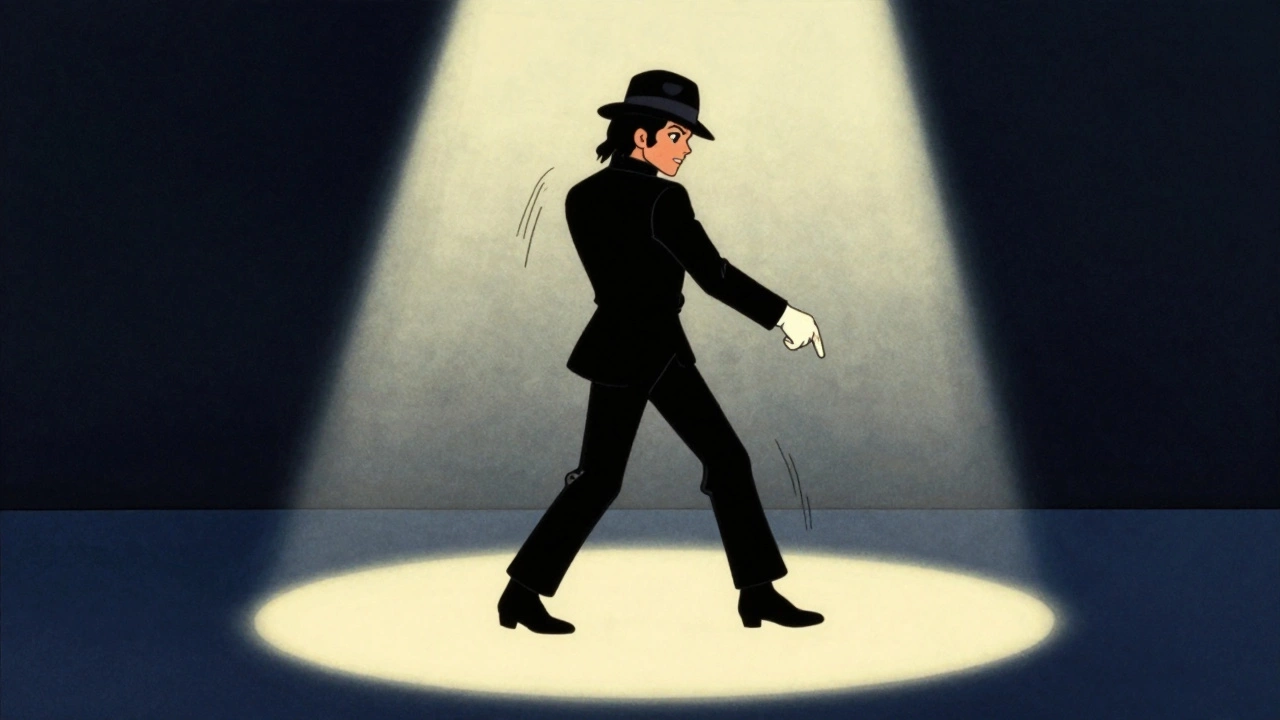
To understand the shift, you have to look at March 25, 1983. Jackson performed "Billie Jean" on the television special Motown 25: Yesterday, Today, Forever is a television celebration of Motown Records' 25th anniversary where Michael Jackson debuted the moonwalk. The broadcast aired on May 16, 1983. For five minutes, he stood alone in a spotlight, wearing a single white glove and a fedora. He then executed the moonwalk, a dance move that became instantly iconic.
This wasn't just a performance; it was a statement. Jackson transformed from a former child star of the Jackson 5 into a sophisticated, independent global icon. Industry reports noted that following this broadcast, sales of the Thriller album is Michael Jackson's sixth studio album, released in 1982, which became the best-selling album of all time. skyrocketed, reportedly reaching one million copies per week. The visual impact of that single performance proved that image and choreography were just as important as the audio track.
Breaking Barriers on MTV
In early 1983, MTV is a cable television channel launched in 1981 that played a pivotal role in popularizing music videos and shaping modern pop culture. was heavily focused on rock music. Black artists were largely excluded from heavy rotation. When the video for "Billie Jean," directed by Steve Barron is a British film director known for directing innovative music videos including Michael Jackson's Billie Jean and Take On Me., premiered, it faced resistance. However, the public demand was undeniable. It quickly became the most requested video on the network, airing up to 15 times a week.
This forced MTV to change its programming strategy. Executives realized they could not ignore the ratings power of Jackson’s visuals. This opened the door for other Black artists like Prince and Whitney Houston to gain significant exposure in the mid-1980s. Jackson’s success dismantled racial barriers in American music television, proving that pop stardom was universal, not limited by race or genre.
Cinematic Ambition: From Clip to Short Film
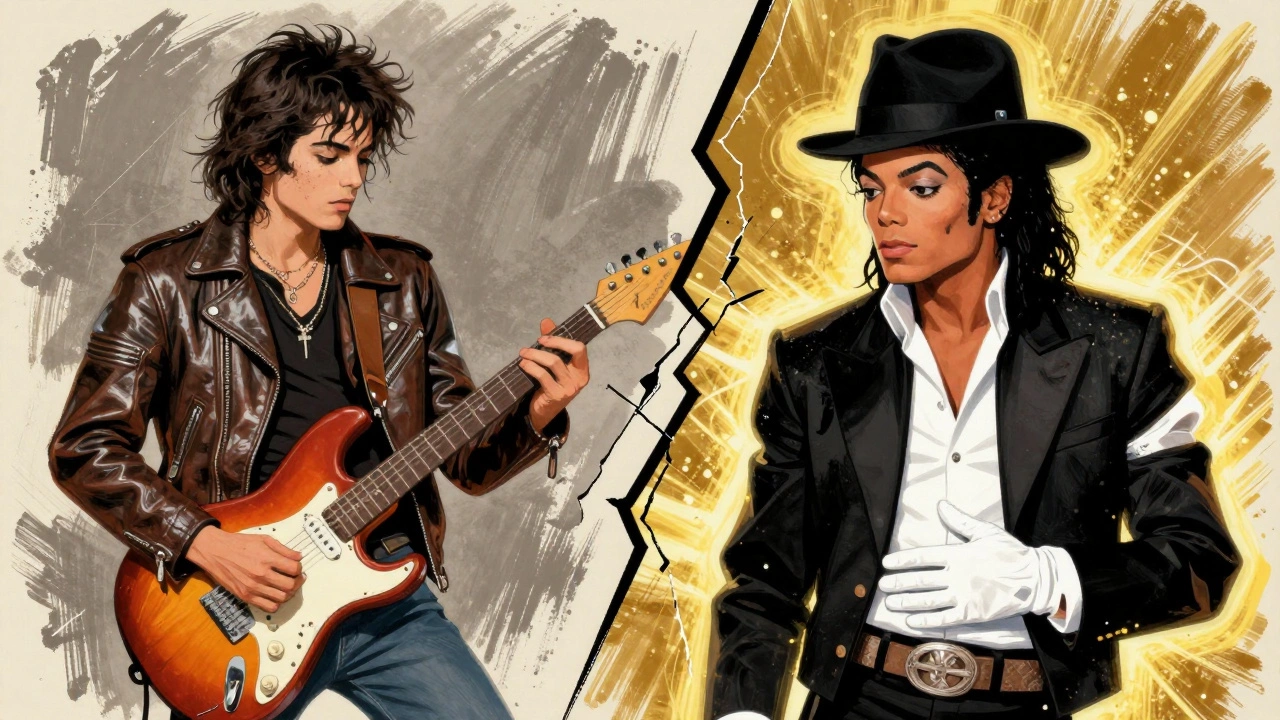
While "Billie Jean" broke barriers, "Beat It" raised the budget. Released in February 1983, its video depicted a gang conflict resolved through dance. Fans recall it feeling like the first video with a "million-dollar budget," a stark contrast to the tens of thousands spent on typical clips of the era. But the real game-changer was "Thriller."
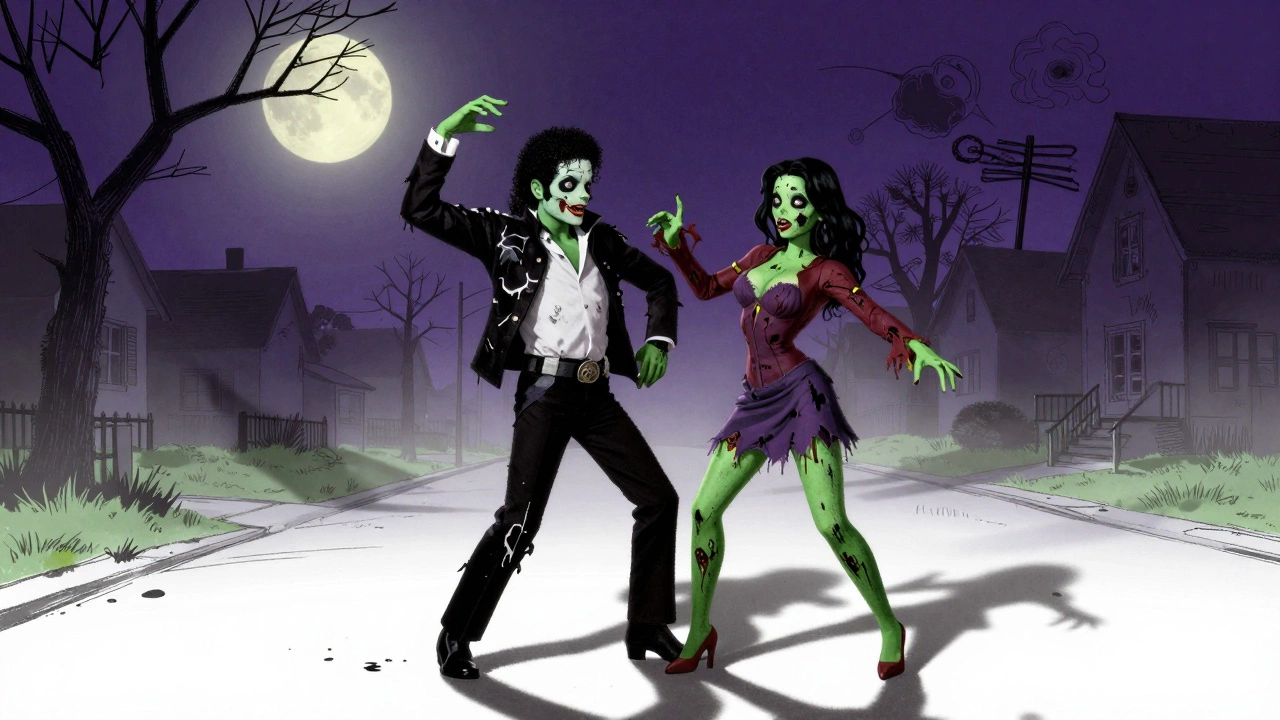
Premiering in December 1983, "Thriller" was not a three-minute clip. It was a 14-minute short film directed by John Landis is an American filmmaker known for directing classic comedies and horror films, including the music video for Thriller.. With a production cost of approximately US$500,000, it was the most expensive music video produced up to that time. It featured a narrative plot, prosthetic makeup by Rick Baker, and complex choreography. This treated the music video as a viable art form rather than a mere promotional stunt.
| Video Title | Release Year | Director | Key Innovation | Estimated Budget |
|---|---|---|---|---|
| Billie Jean | 1983 | Steve Barron | Broke racial barriers on MTV; introduced signature style | Standard promo budget |
| Beat It | 1983 | Bob Giraldi | Narrative gang storyline; high-production value | High (perceived as million-dollar scale) |
| Thriller | 1983 | John Landis | 14-minute cinematic short film; horror tropes | $500,000 |
| Bad | 1987 | Martin Scorsese | Street-level realism; extended runtime | High |
Redefining the Artist-Audience Relationship
Before Jackson, global stardom relied on touring, radio, and print media. Artists like Elvis Presley or The Beatles used TV specials, but not a continuous series of daily narrative videos. Jackson’s strategy created a new model. His videos were broadcast in over 30 countries by late 1983. Viewers across Europe, Asia, Africa, and Latin America saw the same red leather jacket, the same zombie routine, and the same choreography. This created a shared global language of pop culture.
The relationship shifted from audio-only consumption to audiovisual intimacy. You didn't just hear Jackson; you watched him. This visual familiarity built a deeper connection with fans worldwide. It also allowed labels to market albums as multimedia events. The premiere of a video became a scheduled appointment for viewers, similar to watching a new episode of a favorite TV show.
Industry Impact and Legacy
The ripple effects of Jackson’s 1980s videos are still visible today. Record labels began investing heavily in video production departments. Choreographers became essential hires, creating a sub-industry dedicated to designing dance-centric visuals. Directors like Martin Scorsese joined the fray, bringing Hollywood prestige to pop music.
Academic institutions now study these videos as foundational texts in media studies. Scholars analyze how Jackson fused African American musical traditions with Hollywood cinematic tropes to create a persona legible to global audiences. Contemporary artists like Beyoncé and Kendrick Lamar build upon this template, releasing visual albums and high-concept performances that command global attention. Jackson proved that a pop star could be the protagonist of a recurring film series, broadcast around the world, without ever stepping foot in a local theater.
Why was the "Thriller" music video so revolutionary?
The "Thriller" video was revolutionary because it treated the music video as a short film rather than a promotional clip. Directed by John Landis, it ran for 14 minutes, cost $500,000 to produce, and featured a narrative plot, special effects, and complex choreography. This elevated the medium to an art form and set a new standard for production values in the music industry.
How did Michael Jackson break racial barriers on MTV?
In 1983, MTV primarily played rock music and avoided Black artists. The massive popularity and viewer demand for Michael Jackson's "Billie Jean" video forced the network to air it in heavy rotation. This success proved that Black artists could drive ratings, leading MTV to diversify its playlist and give significant airtime to other R&B and pop stars like Prince and Whitney Houston.
What role did the Motown 25 performance play in Jackson's career?
The Motown 25 performance in 1983 was a turning point where Jackson debuted the moonwalk. This televised moment transformed his image from a former child star to a mature global icon. It catalyzed a surge in "Thriller" album sales and demonstrated the power of live visual performance in building superstar status.
Did Michael Jackson's videos influence other artists?
Yes, his videos established a template for high-budget, cinematic, and choreography-heavy music videos. This influenced generations of artists, from Madonna and Janet Jackson in the 1980s to Beyoncé and Taylor Swift today, who use visual albums and elaborate narratives to engage global audiences.
How much did the "Thriller" video cost to make?
The "Thriller" music video had an estimated production cost of US$500,000. This was significantly higher than the typical music video budget of the early 1980s, which often ranged in the tens of thousands of dollars. The funding was partially secured through deals with MTV and Showtime.


