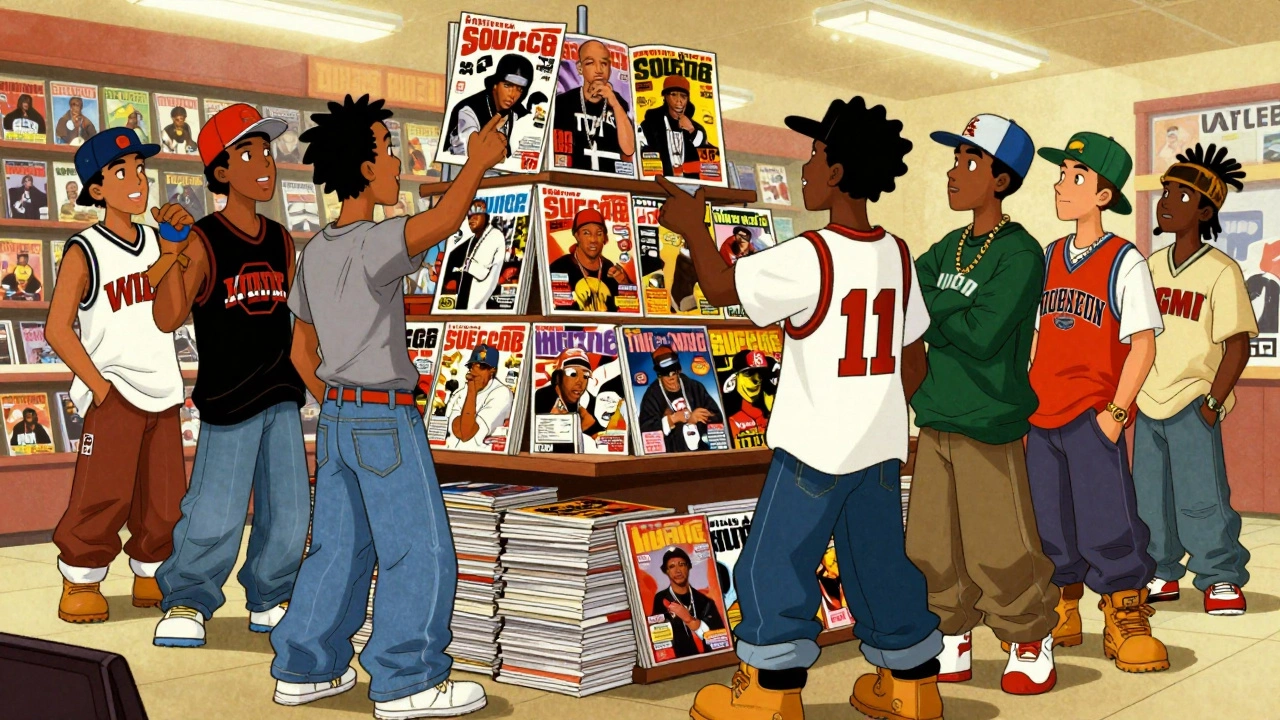

Before you could stream a track or scroll through endless tweets about an artist's latest beef, there was paper. In the 1990s, if you wanted to know who was real, who was selling out, and which coast was winning the war for cultural dominance, you bought a magazine. Or, if you were deep in the underground, you traded a photocopied zine with a friend after a show. These print publications weren't just entertainment; they were the central nervous system of hip-hop discourse. They argued about politics, defined fashion, settled lyrical disputes, and built the canon we still reference today.
We often look back at this decade as the golden era of the music, but it was also the golden era of the argument. Without social media to flatten everything into hot takes, long-form essays, reviews, and letters to the editor gave fans and artists space to think critically. This article breaks down how these physical artifacts shaped the culture, from the glossy giants like The Source is a highly influential hip-hop magazine founded in 1988 that became known as the 'Bible of Hip-Hop' for its rigorous review standards and mic ratings to the gritty, DIY spirit of local fanzines.
The Gatekeepers: National Magazines Defined the Canon
In the early 1990s, hip-hop exploded from a subculture into the dominant force in American popular music. Suddenly, mainstream outlets didn't know how to cover it, so specialized magazines stepped up. But they didn't just report the news; they made it. Vibe is a lifestyle and music magazine launched in 1993 by Quincy Jones that blended hip-hop, R&B, and high fashion to present a polished image of Black culture, backed by Time Inc., brought corporate polish and broad appeal. It showed us that hip-hop could be glamorous, intellectual, and stylish. Then there was Rap Pages is a West Coast-based hip-hop magazine that provided crucial coverage of the Los Angeles scene and offered a counter-narrative to East Coast-centric publications, which ensured the West Coast wasn't ignored.
But the heavyweight champion was undoubtedly The Source. Founded by David Mays and Jon Shecter as a newsletter at Harvard before moving to New York City, it earned the title "Bible of Hip-Hop" for good reason. Its power lay in its review system. When a critic awarded an album five mics, it meant the work was a classic. A one-mic rating could effectively kill an artist's momentum among serious fans. This created a shared language of quality. You didn't just say an album was good; you said it was "five mics." This standard forced artists to compete not just for radio play, but for critical legitimacy.
Editors like Bakari Kitwana used these platforms to frame hip-hop as more than just party music. He coined the term "hip-hop generation," arguing that young people raised on this culture formed a distinct political and social cohort. By publishing essays on civil rights, police brutality, and economic inequality alongside album reviews, these magazines taught readers to view hip-hop as a vehicle for serious discourse.
Zines: The Underground Voice and Regional Reality
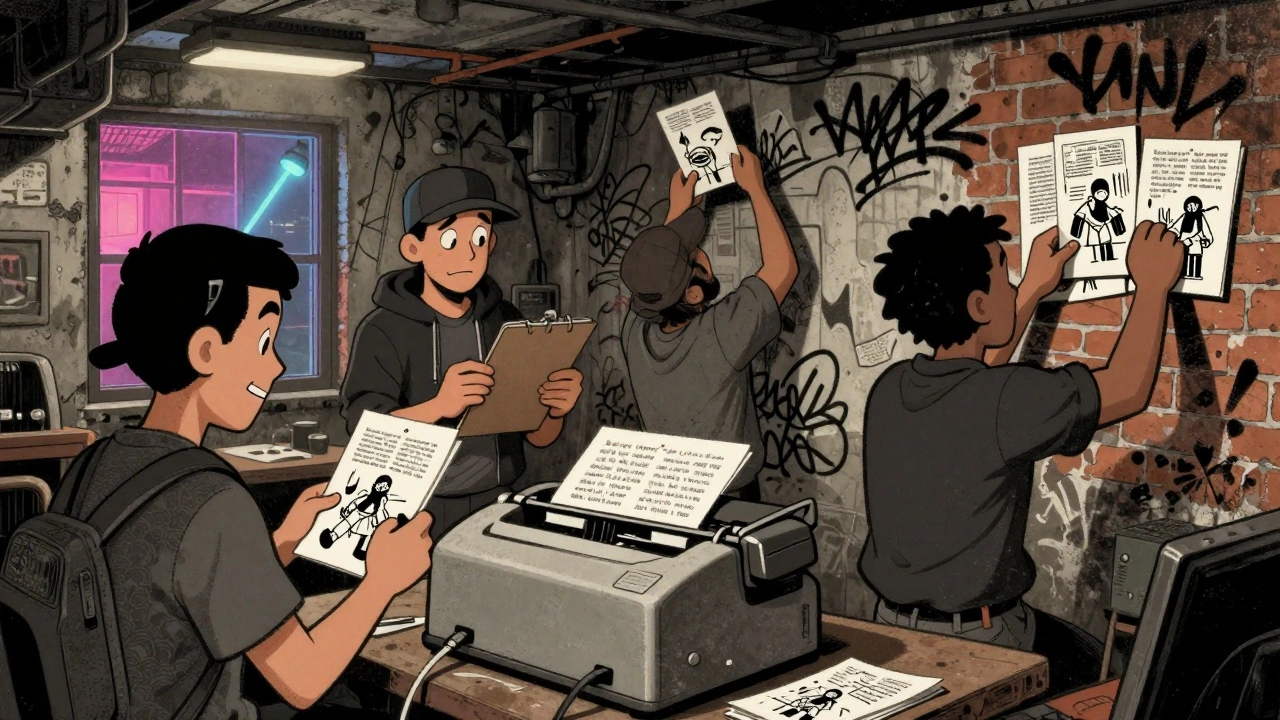
If national magazines were the gatekeepers, zines were the backdoors. While The Source and Vibe focused on major label stars, independent zines covered the scenes that big publishers ignored. These were small-run, often photocopied publications distributed in record stores, handed out at shows, or mailed directly to subscribers. They were raw, unpolished, and deeply local.
Zines played a vital role in documenting regional identities that national media often homogenized. In the South, zines tracked the rise of bounce music in New Orleans and crunk in Atlanta long before those sounds hit MTV. In the Midwest, they highlighted underground lyricists who valued technical skill over commercial appeal. Because zines operated on shoestring budgets and volunteer labor, they could take risks that corporate magazines couldn't. They criticized payola, exposed corrupt label practices, and defended "backpacker" aesthetics against the rising tide of gangsta rap commercialization.
For many fans, zines were information lifelines. Before the internet, if you lived in a rural area or a city without a strong hip-hop presence, a zine might be your only connection to the broader culture. They featured demo tape reviews, mixtape lists, and interviews with local DJs. This grassroots network helped incubate demand for the genre, proving to industry executives that there was a hungry audience beyond the coastal elites.
Constructing Conflict: The East Coast vs. West Coast Narrative
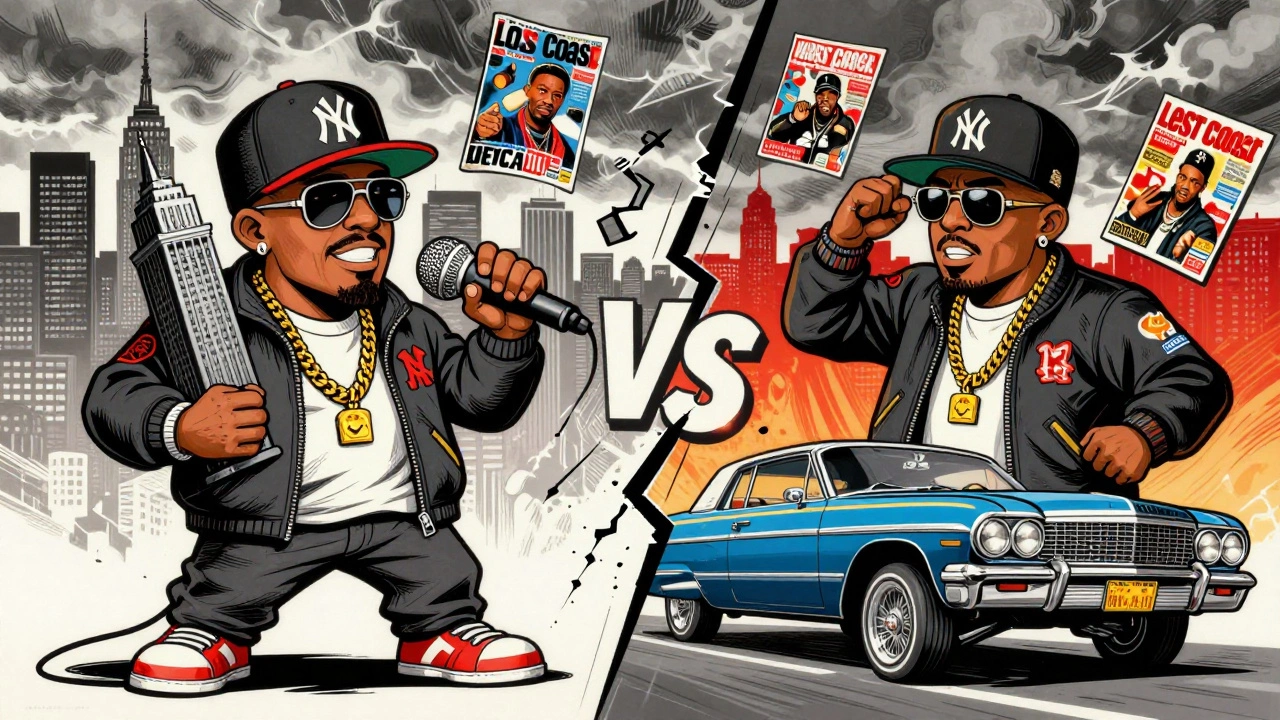
No discussion of 1990s hip-hop discourse is complete without addressing the East Coast-West Coast rivalry. While tensions existed between artists, magazines amplified and structured this conflict for a national audience. Cover choices, feature stories, and editorial framing often reinforced the idea that these two regions were locked in a zero-sum game for authenticity.
The Source, based in New York, was often accused of bias toward East Coast artists, particularly those associated with Bad Boy Records or Wu-Tang Clan. Meanwhile, Rap Pages and various L.A.-based zines pushed back, highlighting the innovation of Death Row Records and G-Funk producers. This media triangulation turned artistic differences into a cultural war. Readers debated in letter columns whether Tupac Shakur or The Notorious B.I.G. was the superior rapper, often citing magazine reviews as evidence. This public argumentation heightened the stakes, contributing to the tragic escalation of violence that culminated in the murders of both icons in 1996.
However, independent zines also challenged this binary. Many pointed out that the rivalry was partly manufactured by media outlets seeking clicks (or in this case, newsstand sales). They spotlighted scenes in Chicago, Houston, and Miami, arguing that the focus on NY and LA ignored the true diversity of hip-hop. This pushback broadened the discourse, forcing mainstream magazines to eventually acknowledge the global reach of the culture.
Fashion, Identity, and Visual Culture
Hip-hop magazines didn't just tell you what to listen to; they told you what to wear. In the 1990s, fashion was inseparable from identity. Publications like Vibe and The Source used high-quality photography and editorial spreads to legitimize streetwear as high fashion. They introduced audiences to brands like Tommy Hilfiger, Nike, and Timberland, showing how artists styled these items to project toughness, wealth, or coolness.
Former editors Kim Osorio and Emil Wilbekin have noted that these magazines mediated the relationship between designers and urban youth. By featuring artists in luxury settings or showcasing intricate graffiti art alongside fashion shoots, they expanded the visual vocabulary of hip-hop. This wasn't just advertising; it was cultural validation. For young Black and Latino readers, seeing themselves reflected in glossy pages-looking stylish, powerful, and aspirational-was revolutionary. It countered mainstream media stereotypes that often depicted hip-hop culture solely through lenses of crime or poverty.
This visual discourse also intersected with gender. Magazines began to explore representations of women in hip-hop, both as performers and as subjects in videos. While debates about misogyny raged in columns and letters, fashion features increasingly showcased female artists like Missy Elliott and Lil' Kim as style icons in their own right, challenging traditional notions of femininity within the culture.
Debate Over Authenticity, Gender, and Politics
The print format allowed for nuanced arguments that short-form media cannot replicate. Throughout the 1990s, magazines hosted intense debates about "keeping it real." What did authenticity mean in an increasingly commercialized industry? Writers like Reginald C. Dennis and Kierna Mayo explored these questions, critiquing artists who abandoned political messaging for club bangers while celebrating those who maintained lyrical complexity.
Gender and sexuality were equally contentious topics. As hip-hop grew more mainstream, critics within the community used magazine platforms to address homophobia and sexism in lyrics. Feminist writers advocated for greater representation of women, pointing out the disparity between male and female voices in editorial content. These discussions laid the groundwork for later digital activism, proving that hip-hop media was capable of self-reflection and internal critique.
Moreover, magazines served as archives of social history. They documented protests, community initiatives, and educational programs linked to hip-hop culture. By covering these aspects, they presented a holistic view of the movement, resisting reductive narratives that focused only on controversy. This comprehensive approach helped preserve the legacy of 1990s hip-hop as a multifaceted cultural phenomenon.
| Feature | Mainstream Magazines (e.g., The Source, Vibe) | Underground Zines |
|---|---|---|
| Distribution | National newsstands, subscriptions | Record stores, mail order, hand-to-hand |
| Production Quality | Glossy, professional design, full-color photos | Photocopied, DIY layouts, black-and-white |
| Primary Focus | Major label artists, chart-topping albums, celebrity news | Local scenes, unsigned artists, demo tapes, indie labels |
| Tone & Stance | Authoritative, sometimes commercial, gatekeeping | Critical, experimental, anti-corporate, community-focused |
| Role in Discourse | Canon-making, setting national trends, defining authenticity | Preserving regional histories, challenging mainstream narratives |
Legacy: From Print to Digital Public Sphere
By the late 1990s, the internet began to disrupt the print model. Online forums and early websites allowed for faster, more interactive discourse. However, the frameworks established by magazines persisted. Digital outlets inherited the roles of reviewer, critic, and archivist. The concept of the "mic rating" evolved into star ratings on streaming platforms, and the debate over authenticity continues on social media.
Today, 1990s magazines are studied as primary historical sources. Scholars analyze them to understand how hip-hop constructed its own mythology. Museums exhibit covers and photo spreads, recognizing their artistic and cultural value. For fans, these issues remain nostalgic artifacts, reminding us of a time when discovery required patience and engagement. You had to wait for the next issue, read every word, and argue with your friends about the verdict. That slow, deliberate process fostered a deeper connection to the music and the culture it represented.
The transition from print to digital didn't erase the importance of curated discourse; it just changed the medium. But the lessons from the 1990s remain relevant: media shapes perception, and who controls the narrative holds significant power. Whether through glossy magazines or algorithm-driven feeds, the fight for authentic representation in hip-hop continues.
Why was The Source called the "Bible of Hip-Hop"?
The Source earned this nickname because of its immense influence on the culture during the 1990s. Its strict review criteria, particularly the "mic rating" system, determined which albums were considered classics. Fans and artists trusted its judgments, making it the ultimate authority on what constituted "real" hip-hop.
What is the difference between a hip-hop magazine and a zine?
Magazines like The Source and Vibe were professionally produced, nationally distributed, and often backed by large corporations. They focused on mainstream artists and high-quality production. Zines were independently published, usually photocopied, and distributed locally. They covered underground scenes, unsigned artists, and offered more critical, DIY perspectives.
How did magazines contribute to the East Coast vs. West Coast rivalry?
Magazines amplified regional tensions by framing coverage around competition. Editors chose covers and wrote features that highlighted conflicts between New York and Los Angeles artists. This media attention turned artistic differences into a cultural war, influencing fan perceptions and escalating tensions between crews.
Did hip-hop magazines discuss political issues?
Yes, extensively. Editors like Bakari Kitwana used magazines to discuss civil rights, police brutality, and economic inequality. They framed hip-hop as a political movement, encouraging readers to engage with social justice issues alongside music consumption.
What role did fashion play in 1990s hip-hop magazines?
Fashion was central to hip-hop identity. Magazines legitimized streetwear brands and showcased how artists styled clothing. Through photo spreads and editorials, they defined trends like baggy jeans and Timberland boots, turning fashion into a key component of cultural expression and commercial success.


