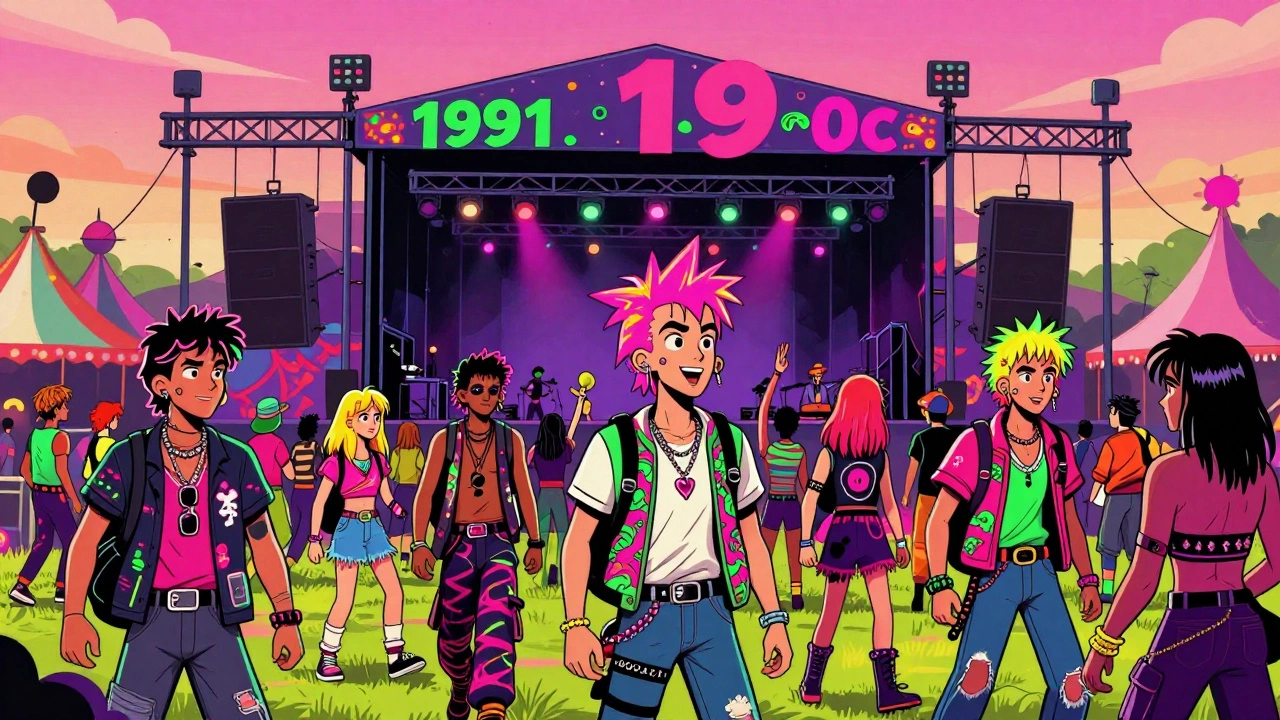

Imagine it's 1991. You're a teenager in a sleepy suburb, and the only music you hear on the radio is polished pop or dated classic rock. Then, a touring circus of chaos arrives in your city. You see people with facial piercings, tattoos, and neon hair, all gathered around a stage where a band is screaming about social injustice while a DJ blends hip-hop with industrial noise. This wasn't just a concert; it was the first time the underground was brought into the daylight. Lollapalooza is a transformative musical festival that redefined the landscape of American music festivals and alternative rock culture throughout the 1990s. Launched in 1991 as a farewell tour for Jane's Addiction, it turned the traditional music festival on its head, proving that being "weird" was actually a massive commercial goldmine.
The Birth of the Alternative Nation
Before Lollapalooza, festivals were usually about the "dinosaurs"-legacy acts from the 60s and 70s. If you liked punk, industrial, or experimental music, you played dive bars and small clubs. Perry Farrell, the visionary frontman of Jane's Addiction, wanted something different. He didn't just want a goodbye tour; he wanted a celebration of the entire outsider scene. By putting acts like Nine Inch Nails and Siouxsie and the Banshees on the same bill as hip-hop and heavy metal, Lollapalooza created a shared cultural space. It effectively codified what we now call the "Alternative Nation." It wasn't just about the music; it was about a specific identity. For many kids in the early 90s, this was their first exposure to body modification and freak shows, all packaged in a way that felt rebellious yet safe enough for a 15-year-old to attend and still make it home for dinner.
Breaking the Genre Barrier
One of the biggest shifts Lollapalooza triggered was the death of the "single-genre" festival. Why have just a metal fest or just a rap fest when you can have both? The curators understood that fans of edgy music generally liked all kinds of edgy music. By 1992, the festival was a powerhouse, featuring Red Hot Chili Peppers and Pearl Jam alongside Ice Cube. This eclecticism reached a peak around 1994. You could find the Smashing Pumpkins anchoring the main stage while A Tribe Called Quest and George Clinton brought the funk and hip-hop elements. This mix forced audiences to broaden their horizons. You might have come for the distorted guitars but left as a fan of experimental rap. This cross-pollination is exactly why the 90s felt so sonically diverse compared to the rigid genre silos of the 80s.
| Era | Core Musical Focus | Cultural Vibe | Key Example Artists |
|---|---|---|---|
| Early 90s (1991-1993) | Industrial, Punk, Alt-Rock | Underground & Outsider | Nine Inch Nails, Living Colour |
| Mid 90s (1994-1995) | Eclectic Mix (Rock, Rap, Funk) | Mainstream Alternative | Beastie Boys, Smashing Pumpkins |
| Late 90s (1996) | Heavy Rock & Commercial Alt | Commercial Powerhouse | Metallica |
More Than Just a Concert: The Cultural Hub
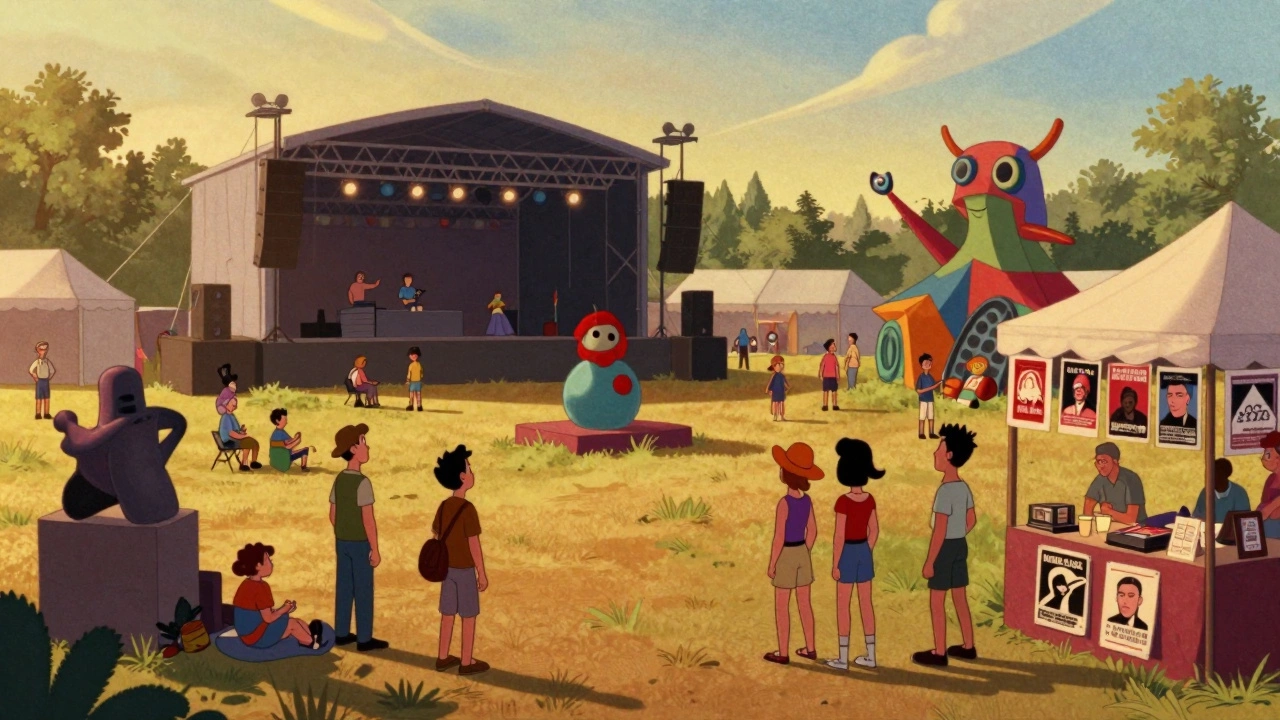
If you only think of Lollapalooza as a series of bands playing songs, you're missing half the story. The festival was a full-blown lifestyle exhibit. It integrated visual artists, political activists, and non-profit organizations right into the grounds. It wasn't uncommon to see a booth promoting social causes next to a booth selling avant-garde art. This multi-dimensional approach turned the festival into a national reference point. Even if the tour didn't stop in your specific town, the *idea* of Lollapalooza permeated the culture. It set the standard for what a music event should be: loud, messy, and culturally specific. It shifted the role of the attendee from a passive consumer-someone who just sits and watches a show-to an active participant in a cultural movement. It was about the fashion, the politics, and the "performative weirdness" as much as it was about the setlist.
The Paradox of Mainstreaming Alternative Rock
There is a certain irony in Lollapalooza's success. By making alternative culture commercially viable, the festival helped kill the very "underground" nature of the music it celebrated. The festival essentially paved the way for the explosion of albums like Nirvana's *Nevermind*. Once you can package a counterculture and sell it to millions of teenagers via a touring festival, it's no longer a secret society; it's a market. By 1996, the shift was undeniable. When Metallica headlined, it signaled a move from presenting *alternative* music to the masses, to presenting *mainstream* rock stars under an alternative brand. The edgy, boundary-pushing spirit was slowly replaced by commercial polish. This is the classic trajectory of any subculture: it starts in the shadows, gets discovered by a visionary, becomes a massive hit, and eventually becomes the new establishment.
A Lasting Blueprint for Modern Festivals
You can see the DNA of the original Lollapalooza in almost every major music festival today, from Coachella to Glastonbury. The idea of the "multi-genre bill"-where a pop star, a rapper, and an indie band share a weekend-started here. The integration of art installations and social activism is also a direct descendant of Perry Farrell's original vision. Lollapalooza proved that audiences were craving variety and authenticity over rigid formatting. It taught the industry that people would pay a premium for an *experience* rather than just a concert. By legitimizing alternative rock as a viable commercial force, Lollapalooza didn't just change the music we listened to; it changed how we gather to experience it together.
Why was Lollapalooza started in 1991?
It began as a farewell tour for the band Jane's Addiction. Frontman Perry Farrell wanted to create a celebration of the alternative music scene and a way to say goodbye to their fans while showcasing other boundary-pushing artists.
How did Lollapalooza differ from other festivals of that time?
Unlike previous rock festivals that focused on classic rock or a single genre, Lollapalooza intentionally mixed alternative rock, hip-hop, punk, and industrial music. It also included visual art and political activism, making it a cultural event rather than just a series of concerts.
Did Lollapalooza influence the success of Nirvana?
While it didn't create Nirvana, it prepared the American commercial ground for them. By normalizing the "alternative" aesthetic and sound for a mass audience, it made the mainstream more receptive to the grunge revolution led by albums like Nevermind.
What happened to the original touring format?
The touring festival ran from 1991 to 1997 before being canceled in 1998. In 2005, it was relaunched not as a touring act, but as a destination festival held annually in Chicago's Hyde Park.
Who were some of the most influential artists on the early bills?
Early influential acts included Nine Inch Nails, Red Hot Chili Peppers, Pearl Jam, Soundgarden, and the Beastie Boys, all of whom helped bridge the gap between underground noise and mainstream success.
What to Explore Next
If you're interested in how the 90s shifted the music landscape, look into the rise of the Seattle Grunge scene and the impact of the Lilith Fair festival, which brought a similar multi-artist, theme-based approach to female artists in the late 90s. You might also want to research the history of Industrial music and how acts like Nine Inch Nails managed to cross over into the pop charts.


