
Imagine a world where every single reggae track requires a full band, a drummer, and hours of analog tuning. For decades, that was the only way to make a hit in Jamaica. Then came 1985, and a single preset on a cheap keyboard changed everything. The transition from live instruments to computerized beats wasn't just a trend; it was a total demolition of the old way of doing things. At the center of this earthquake was King Jammy is a pioneering Jamaican record producer who bridged the gap between analog dub and the digital dancehall era.
The Apprentice of Dub
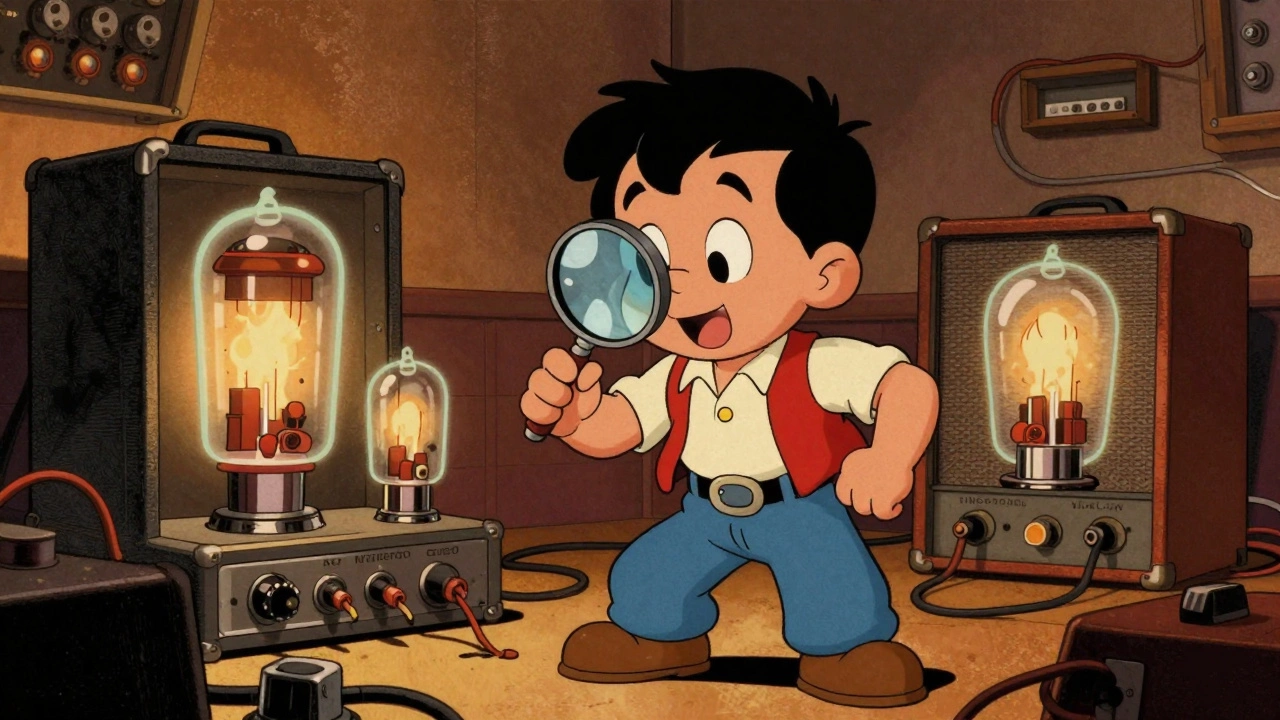
Before he was the "King," Lloyd Woodrowe James-known as Prince Jammy-was a gear head. He spent his early days in Waterhouse, Kingston, building amplifiers and fixing electrical kits. He didn't just want to play music; he wanted to understand the electricity behind it. This technical obsession led him to the studio of King Tubby, the legendary father of dub.
Working under Tubby, Jammy mastered the art of the mix. He learned how to strip a song down to its bare bones-bass and drums-and then splash it with echo and reverb. By the late 70s, he was releasing tracks for groups like Black Uhuru, proving he had the ear for a hit. But while he was great at manipulating analog sounds, he was looking for something faster and sharper. The analog world was warm, but the digital world was precise.
The Casio Keyboard That Changed Everything
The real shift happened with a piece of hardware you'd probably find in a toy store today: the Casio MT-40. In 1985, Jammy used a built-in preset on this keyboard to create a rhythm hook. He paired it with Wayne Smith for the track "Under Me Sleng Teng," and the result was a sonic bomb.
This wasn't just another song; it was the first true digital riddim. Suddenly, you didn't need a session drummer to get a heavy beat. You had a machine that didn't get tired and never missed a beat. The success of "Under Me Sleng Teng" was so massive that the industry shifted overnight. People stopped calling him Prince Jammy and started calling him King Jammy. He had effectively cracked the code for the modern era of Dancehall music.
| Feature | Analog Era (Pre-1985) | Digital Revolution (Post-1985) |
|---|---|---|
| Primary Sound Source | Live Bands / Session Musicians | Synthesizers / Drum Machines |
| Recording Method | Microphone-based capturing | Direct-to-console recording |
| Production Speed | Slow (requires rehearsals) | Rapid (preset-based) |
| Cost of Entry | High (paying a full band) | Lower (affordable electronics) |

Rewiring the Studio Workflow
Jammy didn't just change the sound; he changed how the music was physically made. In the old days, you'd set up microphones all over the room to catch the drums and bass. Jammy realized that with digital gear, microphones were often an unnecessary middleman. He started routing signals directly from his synthesizers and drum machines into the mixing console.
This move removed the "room noise" and gave him total control over the clarity of the track. It made the production process lean and mean. His studio on St Lucia Road became a factory for hits because he had streamlined the technical path from a creative idea to a finished master. He also began digitalizing classic riddims like "Real Rock" and "Far East," proving that the digital approach could breathe new life into old favorites.
The Sound System Feedback Loop
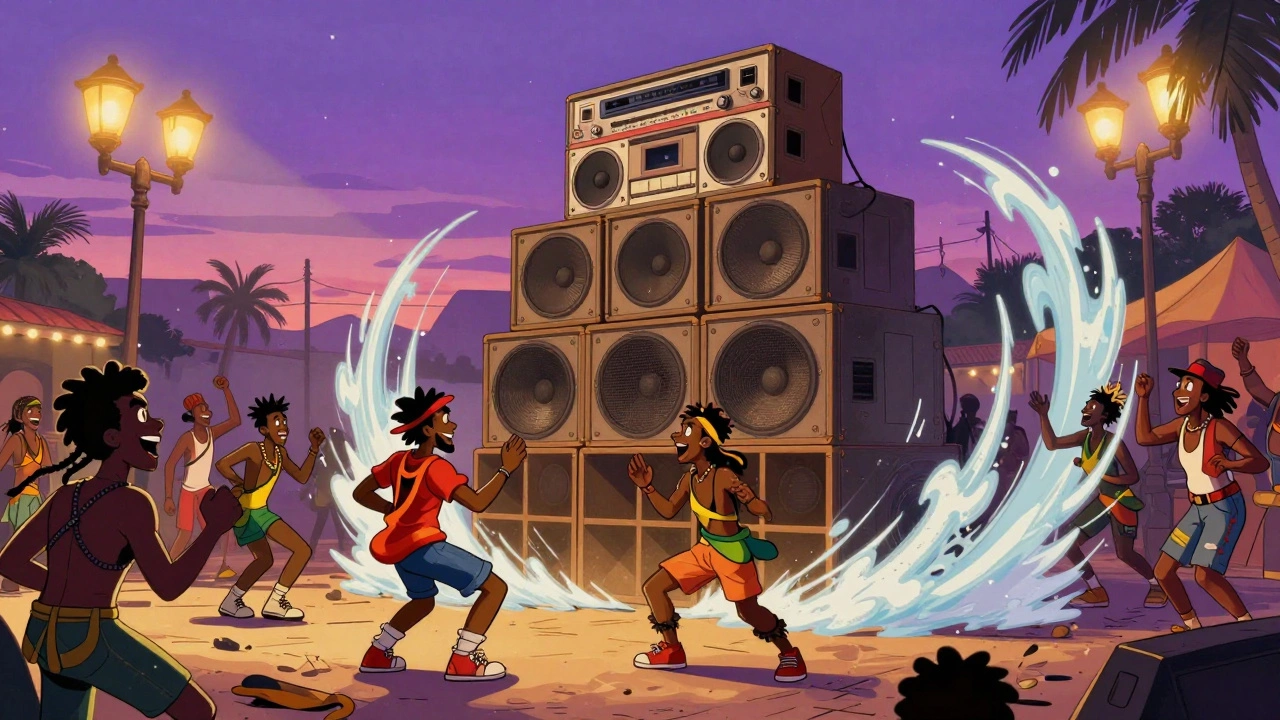
In Jamaica, the studio is only half the battle. The real test is the sound system. Jammy operated the King Jammy Superpower Sound, which acted as his real-world laboratory. He would produce a track in the studio, play it for a crowd at a street dance, and watch their reaction.
If the crowd didn't move, he'd take the track back to the studio and tweak the bass. If they went wild, he knew he had a commercial hit. This synergy between the recording booth and the dance floor ensured that his music was always calibrated for maximum impact. It was a brutal, honest way of A/R testing that kept his productions ahead of the curve.
Mentoring the Next Generation
Jammy didn't keep his digital secrets to himself. He became a mentor to a wave of producers who would go on to define the 90s and 2000s. Figures like Bobby Digital and Fattis Burrell learned the ropes of digital philosophy under his guidance. Even the duo Ward 21 got their start as selectors on his sound system.
By teaching others how to use electronic tools to create reggae, Jammy ensured that the digital revolution wouldn't just be a one-hit wonder. He democratized the production process. He showed a whole generation that you didn't need a million-dollar studio or a 10-piece band to make a global hit-you just needed a vision and the right piece of gear.
The Lasting Legacy of the Digital Shift
Looking back, Jammy's work in the 80s created the blueprint for almost every urban music genre that followed. The idea of a "producer" as the primary architect of the sound-rather than just a guy who records a band-started here. Today's dancehall and reggaeton beats owe a direct debt to the way Jammy manipulated the Casio MT-40.
Even now, Jammy remains a force, collaborating with modern stars like Sizzla. He has survived every technological shift from analog tape to digital workstations because he's never been afraid to embrace the new. He proved that the soul of reggae isn't in the instrument you use, but in the rhythm you create.
What is a "digital riddim" in dancehall?
A digital riddim is a backing track created using electronic instruments, synthesizers, and drum machines rather than live musicians. This shift allowed for more precise timing, heavier artificial bass, and faster production cycles, starting famously with "Under Me Sleng Teng."
Why was the Casio MT-40 so important?
The Casio MT-40 was a consumer-grade keyboard with a preset rhythm that King Jammy recognized as having a perfect dancehall feel. By using this preset, he proved that high-quality hits could be made with affordable, accessible digital tools, sparking a revolution in how reggae was produced.
How did King Jammy's role differ from King Tubby's?
While King Tubby pioneered the art of analog dub-using the mixing board as an instrument to add effects to live recordings-King Jammy took those concepts and applied them to fully computerized music, removing the need for live bands entirely in many cases.
What was the "Superpower Sound"?
The King Jammy Superpower Sound was his sound system. In Jamaican culture, sound systems are mobile discos and community hubs where new music is tested. It served as Jammy's feedback loop, allowing him to refine his studio productions based on real-time audience reactions.
Who were some of the producers influenced by King Jammy?
Major figures like Bobby Digital and Fattis Burrell were mentored by Jammy. He also influenced the duo Ward 21, helping them transition from sound system selectors to full-fledged producers and musicians.


