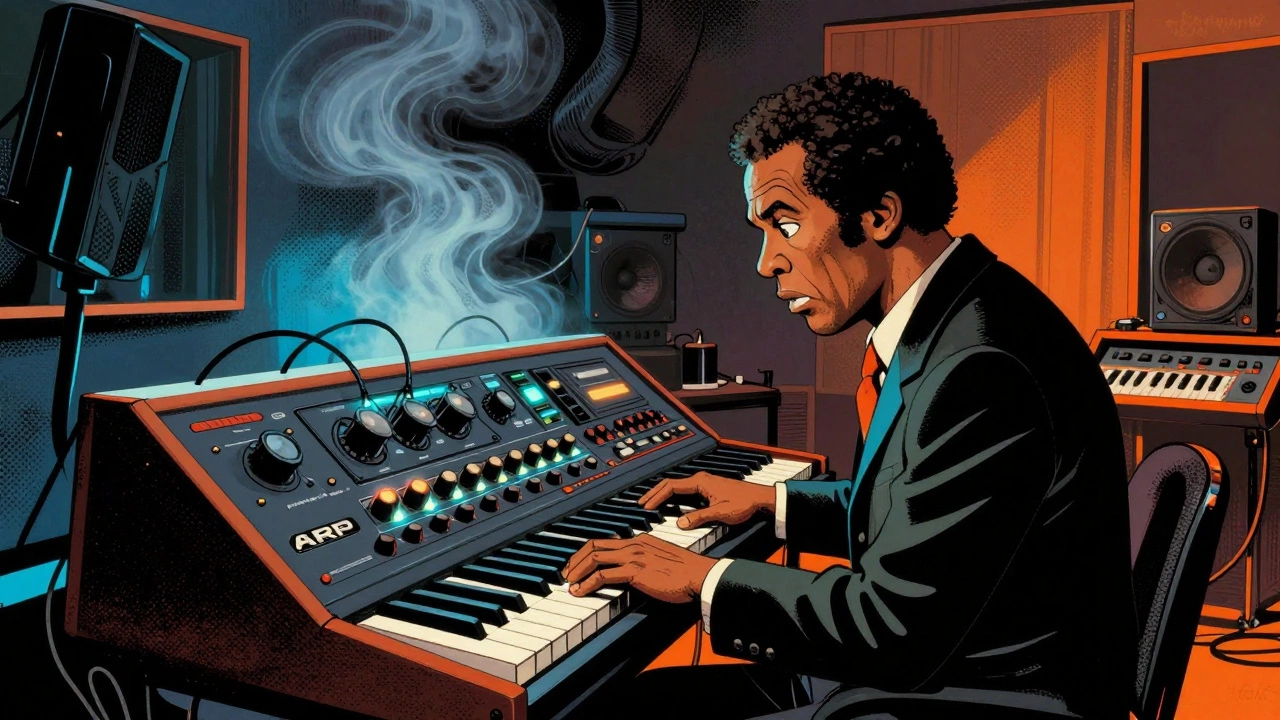

Imagine sitting in a studio in San Francisco in the summer of 1973. The air is thick with tension. Herbie Hancock is a legendary jazz pianist and composer who decided to ditch his traditional piano for synthesizers. He’s not trying to play bebop or hard bop anymore. He wants to make music that hits you in the chest, something that feels like the streets outside. What came out of those sessions wasn't just an album; it was a seismic shift in how we think about jazz.
The result was Head Hunters, released on October 26, 1973, which became the best-selling jazz album of all time until 1976. It didn’t just sell records; it broke down the walls between "high art" jazz and popular funk music. If you’ve ever heard a hip-hop track sample a funky bassline, you can trace that DNA straight back to this record. Let’s look at why this four-track masterpiece still matters today.
The Sound That Shook the Industry
Before Head Hunters, Hancock was already a giant in the jazz world. He had played with Miles Davis and led his own acoustic groups. But by the early 70s, he felt disconnected from the younger audience. Jazz was seen as elitist, academic, and distant. Hancock wanted to bridge that gap. He looked at what was happening on the radio: Sly and the Family Stone, James Brown, Parliament-Funkadelic. These artists were using rhythm as the primary driver of their music, not complex chord changes.
Hancock took a massive risk. He traded his upright piano for the ARP Odyssey and ARP 2500 synthesizers. These weren't just new instruments; they were uncharted territory for a jazz musician. Most jazz purists thought synthesizers were gimmicks-cold, mechanical, and soulless. Hancock proved them wrong. He used these machines to create warm, organic textures that mimicked horns and voices but sounded entirely new. The album was recorded at Wally Heider Studios and Different Fur Trading Co., capturing a raw, live energy that polished studio productions often lacked.
The production team included David Rubinson, who helped shape the sonic landscape. They didn't overproduce the tracks. Instead, they let the groove breathe. This approach gave the album a street-level authenticity that resonated deeply with listeners who had previously ignored jazz. It wasn't about showing off technical skill; it was about feeling the pulse.
Track-by-Track Breakdown
Head Hunters is short-only four tracks-but each one is a masterclass in composition and improvisation. Here is how they hold up:
- Chameleon (15:45): This is the centerpiece. It starts with a hypnotic bass riff by Paul Jackson and builds into a sprawling jam session. The title comes from the idea of changing colors and shapes, much like the music does. It’s a perfect example of jazz-funk fusion, where improvisation meets a tight rhythmic pocket.
- Watermelon Man (6:32): Originally written in 1962, this version is completely transformed. It features a distinctive opening sound created by Bennie Maupin blowing across a beer bottle, simulating a Cameroonian flute. This tribal-electric twist turned a standard jazz tune into a dance-floor anthem.
- Sly (10:21): A direct tribute to Sly Stone, this track leans heavily into funk rhythms. It showcases Hancock’s ability to adapt to different styles while maintaining his unique harmonic voice.
- Vein Melter (9:09): An instrumental jam that highlights the interplay between the band members. It’s less structured than "Chameleon" but equally energetic, demonstrating the group’s tight chemistry.
Each track serves a specific purpose. "Chameleon" establishes the groove. "Watermelon Man" adds texture and history. "Sly" pays homage to influences. "Vein Melter" lets the band loose. Together, they create a cohesive statement about where jazz could go.
The Technology Behind the Groove
The technological innovation on Head Hunters cannot be overstated. In 1973, synthesizers were expensive, difficult to program, and not widely accepted in serious music circles. Hancock embraced them fully. He used the ARP Odyssey for its string-like sounds and the ARP 2500 for more complex sequences.
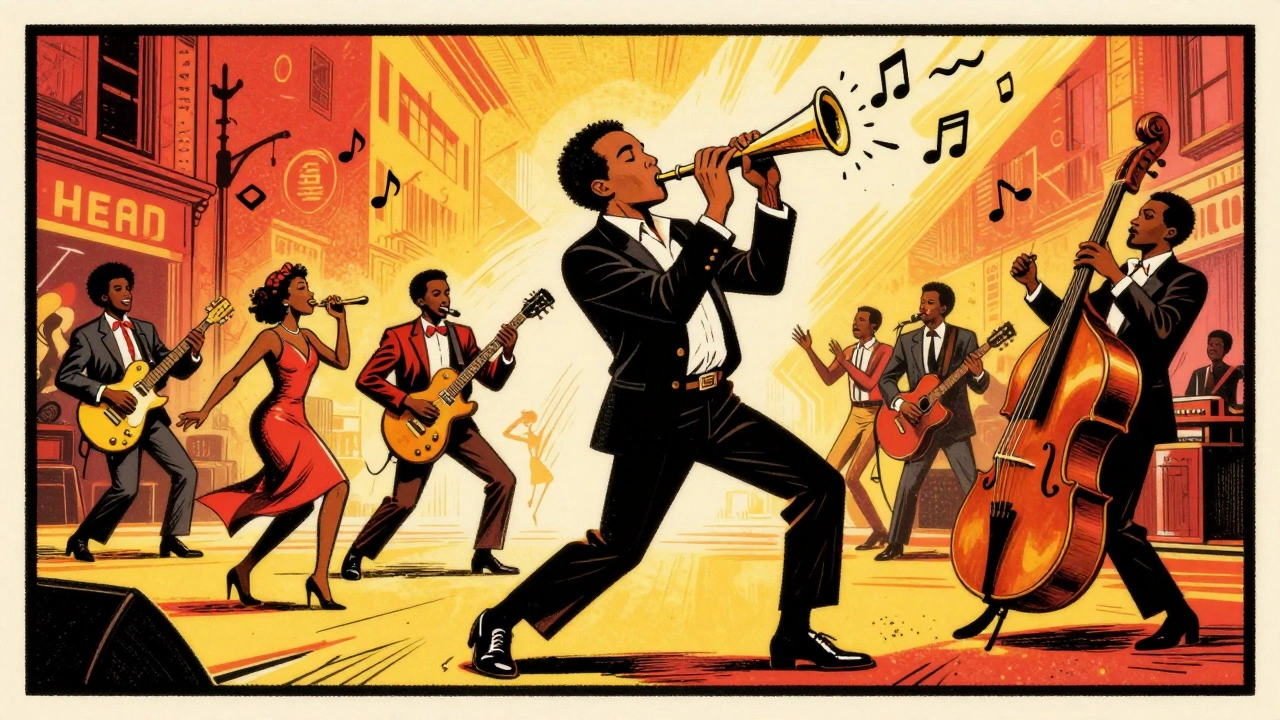
This wasn't just about using new gear; it was about rethinking the role of the keyboard in a funk context. Traditional jazz piano relies on comping chords and playing melodies. Funk keyboards often provide rhythmic punctuation and bass lines. Hancock merged these approaches. He played melodic hooks on the synth while the bass and drums locked into a deep groove. This created a layered sound that was both sophisticated and accessible.
The recording process itself was innovative. They recorded live in the studio, capturing the spontaneous interaction between the musicians. There was little editing or overdubbing. This gave the album a human feel that contrasted with the electronic instruments. It proved that technology could enhance, rather than replace, musical expression.

Cultural Impact and Controversy
When Head Hunters dropped, reactions were polarized. On one side, you had the mainstream audience and the Black press, who loved it. The Atlanta Panther called it "BAD" and praised its "Funkaay" vibe. It reached number 13 on the Billboard 200 and spent 47 weeks on the chart. More importantly, it hit number 1 on the Jazz chart and number 2 on the R&B/Hip-Hop Albums chart. This crossover success was unprecedented for a jazz album.
On the other side, jazz purists were furious. They saw the move toward funk and electronics as a betrayal of jazz traditions. They argued that Hancock was selling out, prioritizing commercial appeal over artistic integrity. Some critics dismissed the album as mere background music. However, these critics missed the point. Hancock wasn't abandoning jazz; he was expanding it. He was bringing jazz to a new audience that had been excluded by the genre's perceived elitism.
The album’s impact extended beyond sales. It influenced countless artists across genres. Hip-hop producers sampled "Chameleon" and "Watermelon Man" extensively, recognizing the richness of the grooves. Funk bands adopted the use of synthesizers. Even rock musicians took note of the way Hancock blended improvisation with structure. Head Hunters showed that jazz could be relevant, modern, and commercially viable without losing its soul.
Legacy and Recognition
Decades later, the controversy has faded, replaced by universal acclaim. In 2008, the Library of Congress inducted Head Hunters into the National Recording Registry, citing its cultural, historical, and aesthetic importance. This recognition solidified its place in American music history.
Hancock himself continued to experiment throughout his career, moving from funk to electro-jazz to ambient music. But Head Hunters remains his most iconic work. It represents a pivotal moment when jazz stepped out of the club and into the living room, the car stereo, and the dance floor. It proved that great music transcends genre boundaries.
For young musicians today, the album is a lesson in courage. It shows that taking risks, embracing new technology, and listening to your audience can lead to breakthroughs. It reminds us that music is always evolving, and that true innovation often comes from challenging established norms.
Why is Head Hunters considered important?
It was the first jazz album to achieve massive mainstream commercial success, bridging the gap between jazz and funk. It introduced synthesizers to jazz audiences and influenced hip-hop, funk, and rock music.
What synthesizers did Herbie Hancock use on Head Hunters?
Hancock primarily used the ARP Odyssey and the ARP 2500 synthesizers. These instruments allowed him to create unique textures and sounds that defined the album's electronic aesthetic.
Did jazz fans like Head Hunters when it was released?
Reactions were mixed. While it was hugely popular with general audiences and the Black press, many traditional jazz critics disliked it, viewing the funk elements and electronic instruments as a departure from authentic jazz.
Who are the other musicians on Head Hunters?
The core band includes Bennie Maupin on saxophone and flute, Paul Jackson on bass, Harvey Mason on drums, and Bill Summers on congas and percussion. Their tight interplay is key to the album's groove.
Is Head Hunters available to stream today?
Yes, the album is widely available on major streaming platforms like Spotify, Apple Music, and Tidal. It remains a staple in jazz and funk playlists worldwide.