
Before the mid-1960s, popular music was built on melody. You hummed the tune; the instruments just kept time. Then came a seismic shift in African-American communities that turned the entire musical world upside down. The focus moved from funk innovation in songwriting to the raw power of the rhythm section. Suddenly, the drums and bass weren't just background noise-they were the main event. This wasn't just a change in style; it was a complete restructuring of how music worked, prioritizing groove over harmony and danceability over lyrical complexity.
This transformation didn't happen overnight. It emerged between 1965 and 1967, fueled by the energy of the Civil Rights era and the need for a new form of cultural expression. Artists realized that rhythm could communicate political empowerment, social protest, and pure joy simultaneously. By stripping away complex chord changes and focusing entirely on the beat, musicians created a sound that demanded physical response. If you want to understand modern hip-hop, electronic dance music, or even contemporary pop, you have to look back at this specific moment when the rhythm section took control.
The One: James Brown's Revolutionary Downbeat
To understand funk, you have to start with James Brown, who is known as the Godfather of Soul and the primary architect of funk music. Before Brown, most rock and soul songs emphasized the backbeats-beats two and four of every measure. Think of the classic "one-two-three-four" count where the snare crackles on two and four. Brown flipped this script entirely.
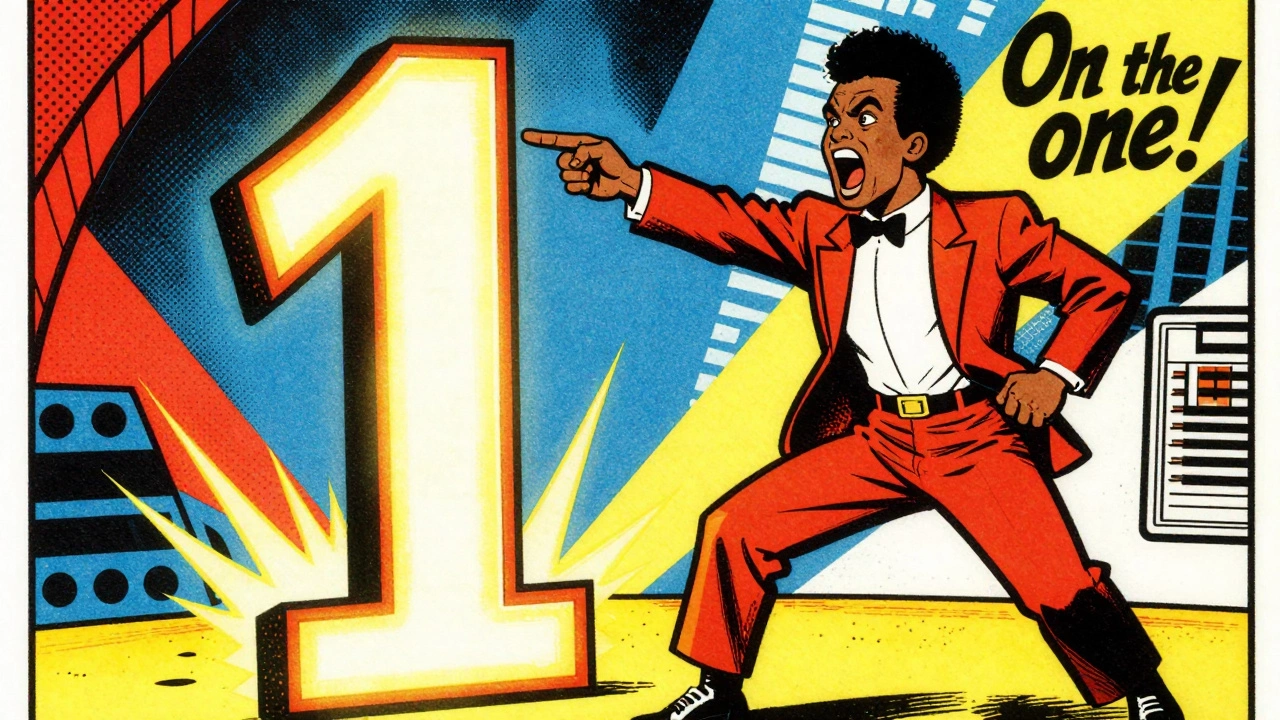
He introduced "The One." This concept meant emphasizing the first beat of every measure with heavy accentuation. He would shout "On the one!" to his band members, demanding they lock into that initial downbeat. This created a sense of forward momentum that felt urgent and driving. Instead of floating along with a melody, the listener was pushed forward by the sheer weight of the first beat. Songs like "Papa's Got a Brand New Bag" (1965) and "I Got You" (1965) demonstrate this perfectly. The harmonic structure was simple, almost static, but the rhythmic intensity was overwhelming.
This approach required a new level of discipline. Every instrument had to contribute to the groove. Guitarists stopped playing chords and started playing percussive riffs. Horn sections played short, staccato bursts rather than long melodies. The result was a dense, interlocking rhythmic architecture where simplicity in individual parts created complexity in the whole. Brown’s decision to sacrifice harmonic development for rhythmic sophistication set the template for all future funk production.
Clyde Stubblefield and the Art of Syncopation
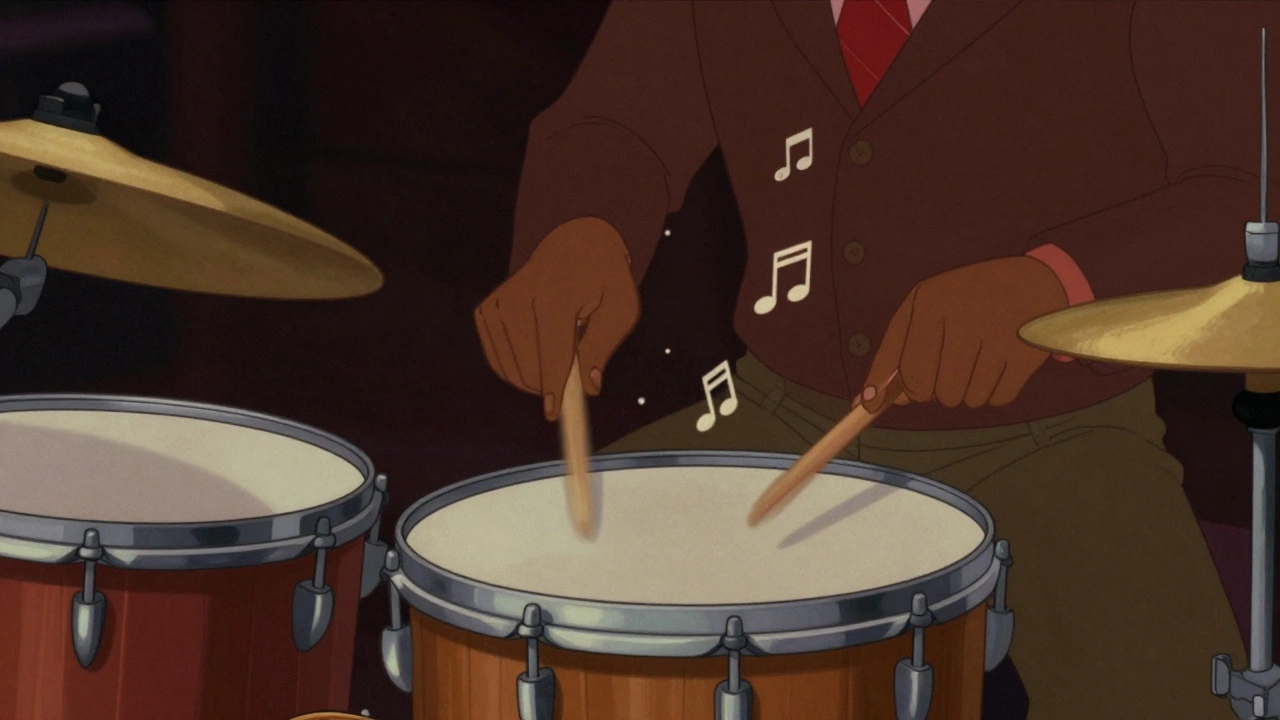
If James Brown provided the philosophy, Clyde Stubblefield, his drummer, provided the technical execution. Stubblefield didn't just keep time; he painted with rhythm. His work on tracks like "Funky Drummer" revolutionized percussion by introducing syncopated snare placement and ghost notes.
In traditional drumming, the kick drum often plays a steady four-on-the-floor pattern. In funk, the kick drum becomes conversational. It emphasizes the downbeat but then moves around the bar, hitting unexpected spaces. Stubblefield used swung 16th notes, creating a rolling, fluid feel that contrasted with the sharp accents of the snare. The "Funky Drummer" break is perhaps the most sampled drum loop in history because it captures this essence perfectly. It’s not just a beat; it’s a polyrhythmic foundation that invites other instruments to layer their own patterns on top.
Stubblefield’s technique involved playing soft, unaccented notes called ghost notes between the primary beats. These subtle sounds added texture and density without cluttering the mix. They made the groove feel alive and breathing. This approach influenced generations of drummers, from session players in Detroit to hip-hop producers sampling breaks decades later. The key takeaway here is that funk drumming isn't about speed; it's about precision and space. Every hit has a purpose, and every silence contributes to the tension.
Larry Graham and the Birth of Slap Bass
While drums evolved, the bass guitar underwent its own revolution. Traditionally, the bassist’s job was to follow the root notes of the chords, providing a harmonic anchor. That changed with Larry Graham, the bassist for Sly and the Family Stone. In the late 1960s, Graham faced a unique problem: Sly and the Family Stone often performed without a full drum kit due to logistical issues. To fill the void, Graham invented a technique to mimic drum sounds using his bass.
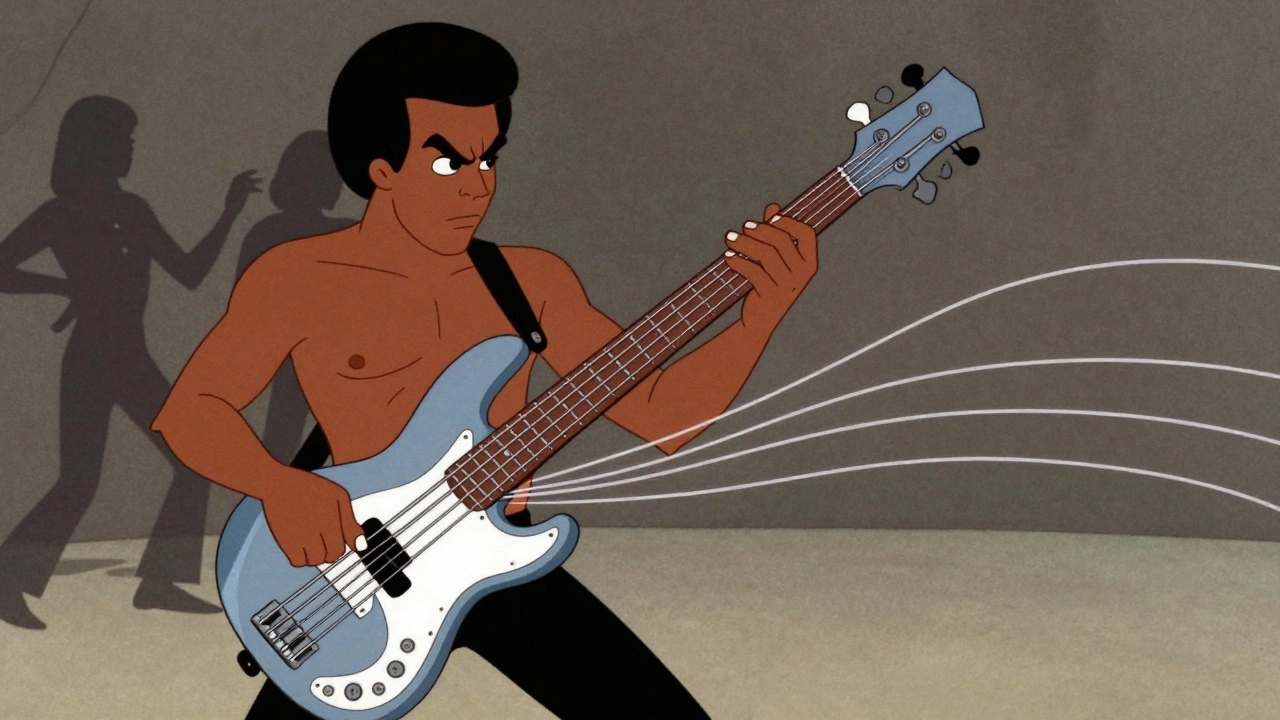
He developed the slap bass technique. This involved thumping the lower strings with the side of his thumb to create a synthetic kick drum sound, while plucking the higher strings with his index finger to simulate a snare snap. This percussive approach transformed the bass from a harmonic support instrument into a lead rhythmic voice. Tracks like "I Want to Take You Higher" (1968) showcase this innovation, where the bassline drives the song with independent rhythmic articulation.
Graham’s method allowed the bass to lock with the drums while maintaining its own melodic identity. Instead of following the chords, the bassist created syncopated lines built on 16th-beat patterns. This created a dense, interlocking foundation where the bass and drums were equal partners. The slap technique became intrinsic to funk identity, influencing not just funk but also reggae, punk, and contemporary pop. It proved that the bass could be loud, aggressive, and technically complex, changing how audiences perceived low-end frequencies.
The Interlocking Groove: Drums, Bass, and Guitar
The magic of funk lies in the interaction between these instruments. It’s not enough for the drummer to play a cool beat or the bassist to slap effectively. They must coordinate to create a unified groove. This is often described as contrapuntal design, where each instrument maintains a distinct rhythmic voice that complements the others.
| Instrument | Primary Role | Key Technique |
|---|---|---|
| Drums | Rhythmic Foundation & Texture | Syncopated snares, ghost notes, swung 16ths |
| Bass | Melodic Anchor & Percussion | Slap/pop, syncopated 16th-note lines |
| Guitar | Rhythmic Accent & Chordal Color | Ostinatos, muted strums, emphasis on beats 2 & 4 |
Guitarists played a crucial supporting role. Instead of strumming full chords, they played ostinatos-repeating rhythmic patterns that locked with the bass and drums. James Brown’s guitarists often emphasized quarter notes on beats two and four, providing accent points that differed from the drum’s downbeat emphasis. This created a layered complexity where three independent voices functioned as a single unit. The tightness of this coordination is what makes funk so irresistibly danceable. When the pocket is deep, the listener feels compelled to move.
Regional Variations and the Golden Era
As funk spread across America, different regions developed their own flavors. New Orleans contributed a second-line parade influence, with drummers imitating street beats that prioritized swing and syncopation. Earl Palmer’s early work laid the groundwork for this regional style. Meanwhile, Motown Records in Detroit refined the sound with precision, using session drummers like Richard "Pistol" Allen to create a polished, Northern funk aesthetic.
In the 1970s, groups like Parliament-Funkadelic, led by George Clinton, expanded funk’s boundaries. They incorporated Afrofuturist concepts and extended song structures, allowing for more improvisation within the strict rhythmic framework. Earth, Wind & Fire brought sophisticated orchestration to the genre, proving that complex harmonies could coexist with rigid grooves. On the West Coast, bands like Con Funk Shun and Slave developed smoother, more R&B-influenced interpretations. Each region added its own color, but the core principle remained the same: the rhythm section drives the music.
Legacy: From Funk to Hip-Hop
The impact of funk’s rhythm section innovations extends far beyond the 1970s. Hip-hop production relies heavily on funk samples. Producers dug through crates looking for those tight drum breaks and funky basslines, looping them to create new beats. The "Funky Drummer" break appears in hundreds of hip-hop tracks, serving as a foundational element of the genre. The philosophy of prioritizing groove over melody transferred directly into hip-hop culture.
Even today, modern artists like Vulfpeck continue to evolve these techniques, blending vintage funk aesthetics with contemporary production tools. The skills taught in music schools-syncopation, ghost notes, slap bass-are rooted in these 1960s innovations. Understanding how drums and bass defined the groove isn't just academic; it’s essential for anyone creating music in the digital age. The groove remains the heartbeat of popular music, and funk gave it its pulse.
What is "The One" in funk music?
"The One" refers to the strong emphasis on the first beat of every measure in funk music. Introduced by James Brown, this technique shifts the rhythmic focus from the traditional backbeats (two and four) to the downbeat, creating a driving, forward-moving groove that anchors the entire rhythm section.
Who invented the slap bass technique?
Larry Graham, the bassist for Sly and the Family Stone, invented the slap bass technique in the late 1960s. He developed it to mimic drum sounds by thumping the lower strings with his thumb and plucking higher strings with his fingers, creating a percussive effect that became central to funk bass playing.
How did funk influence hip-hop?
Funk influenced hip-hop primarily through its drum breaks and basslines. Hip-hop producers sampled funk recordings, particularly drum solos like Clyde Stubblefield's "Funky Drummer," to create beats. The funk philosophy of prioritizing rhythm and groove over melody became a cornerstone of hip-hop production methodology.
What are ghost notes in drumming?
Ghost notes are soft, unaccented notes played on the snare drum between the primary beats. They add texture and complexity to the groove without overpowering the main rhythm. In funk, ghost notes help create a dense, interlocking rhythmic feel that makes the beat sound fuller and more dynamic.
Why is the rhythm section so important in funk?
In funk, the rhythm section is the primary compositional driver. Unlike other genres that rely on melody or harmony, funk sacrifices harmonic development for rhythmic sophistication. The drums, bass, and guitar interlock to create a complex, danceable groove that carries the musical interest and emotional impact of the song.