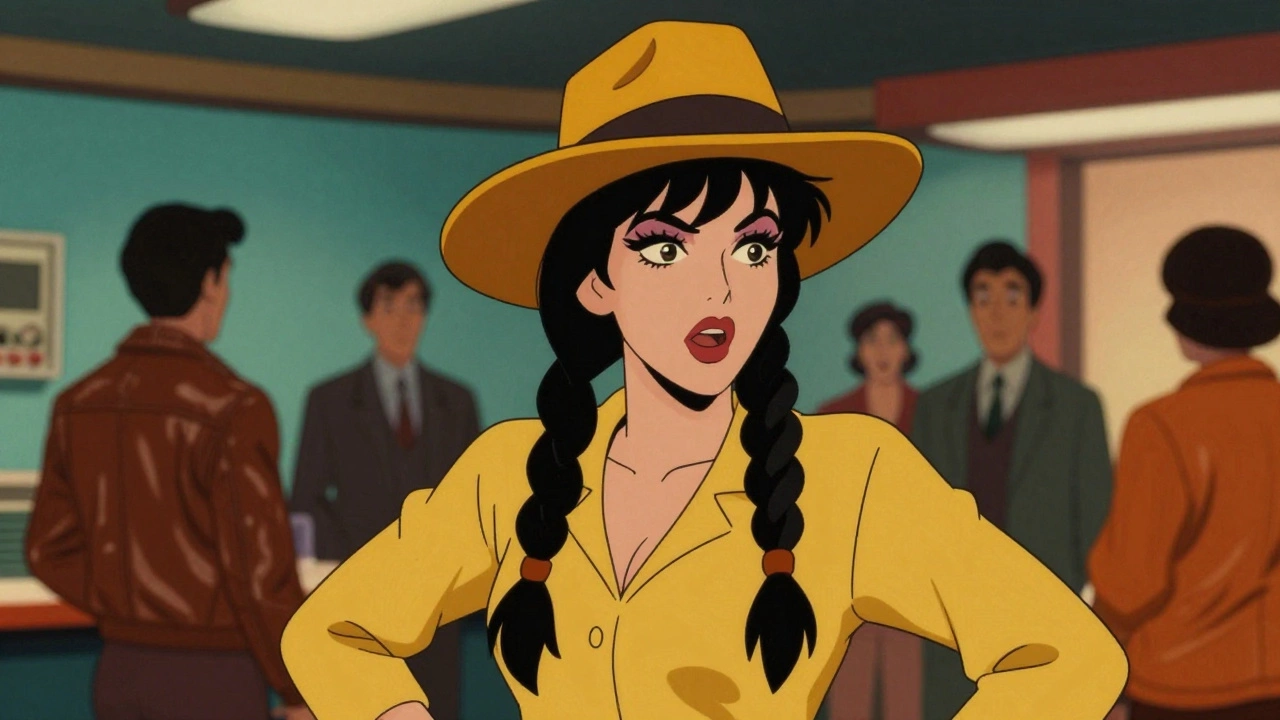

Imagine walking into a mainstream radio station in 1983. You expect polished suits or leather jackets. Instead, you see a man with long braids, heavy eyeliner, and a hat that defies gravity. This wasn’t an underground art project; it was the face of one of the biggest pop acts on Earth. Culture Club is an English new wave band formed in London in 1981, defined by their fusion of pop, soul, reggae, and the striking androgynous image of lead singer Boy George. Their success wasn’t just about catchy tunes; it was a masterclass in how visual identity can amplify musical reach in the MTV era.
The Visual Hook: Androgyny as Mainstream Currency
In the early 1980s, gender presentation in pop music was shifting. Male singers like David Bowie had paved the way, but they often operated within rock or avant-garde contexts. Boy George (born George O’Dowd) brought this aesthetic to the center of the pop charts. His look-makeup, flowing hair, and gender-bending clothing-was not subtle. It was designed to be seen on television screens across America and Britain.
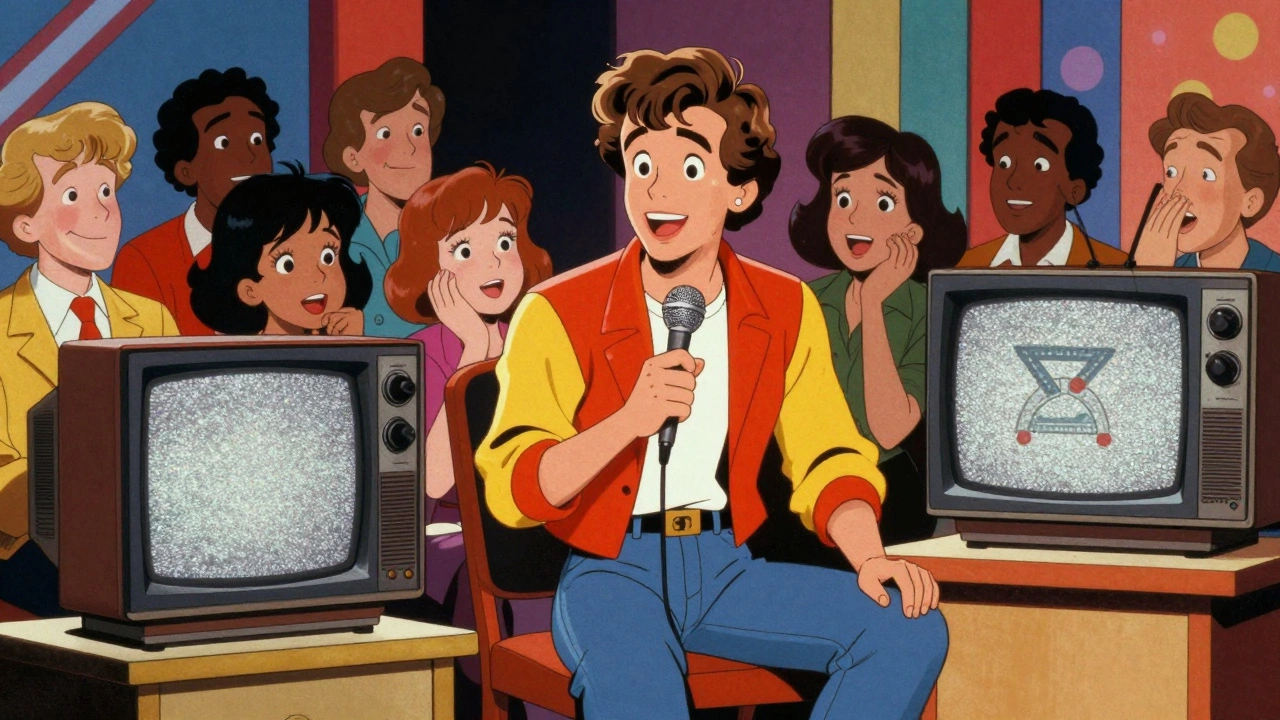
This visibility was crucial. When Culture Club appeared on Late Night with David Letterman in the summer of 1983, it wasn’t just a performance; it was a cultural moment. The audience saw someone who challenged traditional masculinity yet delivered a warm, soulful voice. This contrast created intrigue. People didn’t just listen to the song; they talked about the singer. That conversation drove sales. In a pre-social media world, talk show appearances were the viral engines of the day, and Boy George’s image guaranteed airtime.
| Member | Role | Contribution to Sound/Image |
|---|---|---|
| Boy George | Lead Vocals | Androgynous visual persona; high-pitched, emotive vocals |
| Roy Hay | Guitar, Keyboards | Synth textures; melodic hooks |
| Mikey Craig | Bass | Reggae-infused basslines; rhythmic foundation |
| Jon Moss | Drums, Percussion | Steady pop beats; percussive layers |
Sonic Hybridity: More Than Just a Look
If Culture Club relied only on shock value, they would have faded quickly. The reason they stayed at the top of the charts for years was their musical versatility. They didn’t fit neatly into one box. A track like “Do You Really Want to Hurt Me” blended new wave synthesizers with a melancholic melody. “Karma Chameleon” introduced a distinctive bassline that hinted at reggae rhythms while maintaining a pure pop structure.
This hybrid approach allowed them to cross demographic lines. Radio programmers could play their songs on Top 40 stations, R&B formats, and adult contemporary channels simultaneously. While other new wave bands might alienate older listeners with harsh synths, Culture Club’s soulful undertones kept them accessible. Mikey Craig’s bass playing was particularly important here, providing a groove that felt organic rather than robotic. This sonic breadth meant their androgynous image reached audiences who might otherwise have ignored new wave entirely.
The Second British Invasion and MTV Logic
Culture Club rose during the peak of the Second British Invasion, a period roughly between 1982 and 1986 when UK acts dominated US charts. Bands like Duran Duran, Wham!, and Eurythmics led the charge. What united these groups was their understanding of MTV. Music videos were no longer promotional afterthoughts; they were essential marketing tools.
Culture Club exploited this medium perfectly. Their videos featured Boy George’s expressive face and unique style prominently. Even if you couldn’t hear the lyrics, you recognized the artist. This visual branding made them instantly identifiable in a crowded market. Unlike some peers who leaned heavily into rock aesthetics, Culture Club’s softer, more colorful imagery stood out. It signaled creativity and openness, traits that resonated with younger audiences eager for change.
Their commercial performance reflected this strategy. From 1982 through the mid-1980s, they achieved seven consecutive Top 10 singles in the UK and six in the US. These numbers placed them among the most successful acts of the decade. Multi-million-unit album sales followed, driven largely by their first two studio releases, *Kissing to Be Clever* (1982) and *Colour by Numbers* (1983).
Challenging Norms Without Alienating Fans
There was tension in Culture Club’s approach. On one hand, they presented a queer-coded, gender-nonconforming frontman. On the other, they wrote love songs that appealed to straight, mainstream listeners. Critics sometimes dismissed them as “lightweight” or purely commercial. However, this dismissal overlooked the cultural work they performed.
By bringing androgyny into living rooms across the globe, they normalized gender fluidity in a way few artists had before. They didn’t preach; they existed. Their presence on TV showed millions that men could wear makeup and still be loved, admired, and bought from. This subtle normalization was powerful. It expanded the boundaries of what was acceptable in pop culture without forcing a political agenda that might have limited their reach.
Academic discussions later framed this as part of a “re-gendered aesthetic” in new wave. Scholars noted how male performers used fashion and makeup to soften traditional masculinity. Culture Club was a prime example. They proved that you could challenge norms and still sell records in massive quantities. This balance is rare and difficult to achieve.
Legacy and Enduring Influence
Decades later, Culture Club remains a reference point for discussions about gender and pop music. Boy George continues to tour, adapting his style but keeping the core essence intact. Documentaries and retrospectives frequently highlight his role in the 1980s pop revolution. Fan communities online still celebrate the band’s unique blend of sound and image.
Their influence extends beyond nostalgia. Modern artists who experiment with gender presentation often cite Boy George as an inspiration. The path he cleared in the 1980s made it easier for subsequent generations to express themselves freely. Culture Club’s success shows that authenticity, when paired with strategic visibility, can reshape an industry.
Today, we take diverse representation for granted. But in 1983, seeing Boy George on screen was revolutionary. Culture Club didn’t just make hits; they changed how we see pop stars. Their story reminds us that music is never just about sound-it’s about who is singing it and what they represent.
What was Culture Club’s biggest hit?
“Karma Chameleon” is widely considered their signature song. Released in 1983, it topped charts in multiple countries and became one of the best-selling singles of all time. Other major hits include “Do You Really Want to Hurt Me,” “Victim of Love,” and “Church of the Poison Mind.”
Who are the members of Culture Club?
The classic lineup consists of Boy George (vocals), Roy Hay (guitar/keyboards), Mikey Craig (bass), and Jon Moss (drums). This group formed in London in 1981 and remained together through their most successful years in the early 1980s.
Why was Boy George’s androgyny significant?
Boy George’s open use of makeup, braided hair, and feminine clothing challenged traditional gender roles in mainstream pop. At a time when such expression was rare on global television, his visibility helped normalize gender nonconformity for a mass audience, influencing future generations of artists.
How did MTV contribute to Culture Club’s success?
MTV prioritized visual appeal, making music videos a key driver of popularity. Culture Club’s striking imagery, centered on Boy George’s unique look, made them highly memorable on the channel. This visual branding complemented their music, helping them gain rapid international recognition during the Second British Invasion.
What genres did Culture Club blend in their music?
Culture Club fused new wave, pop, soul, and reggae. This hybrid sound allowed them to appeal to diverse radio formats and audiences. Tracks like “Karma Chameleon” showcased reggae-influenced basslines, while others leaned into synth-driven pop and soulful ballads.