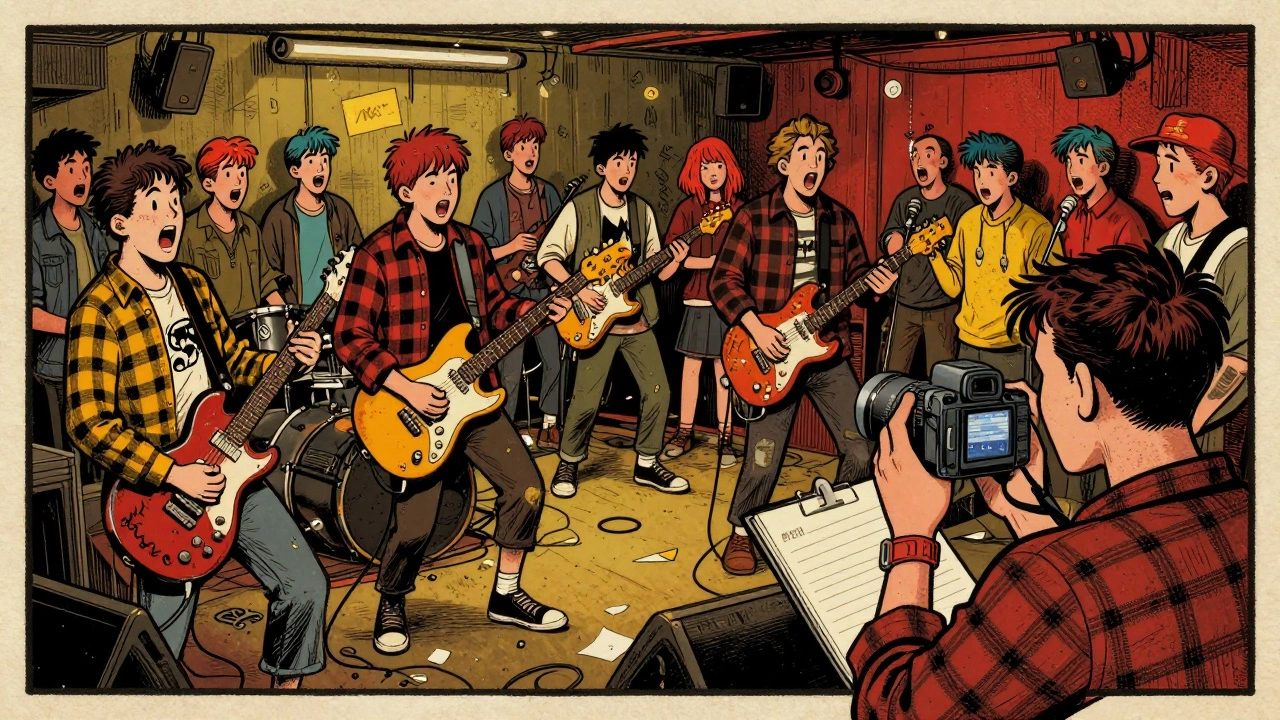

Ever wonder why some bands from the 90s became household names while others, just as talented, vanished into the ether? The difference often came down to who was writing about them. Before the internet turned every bedroom producer into a potential star, there was a gatekeeper-or rather, a megaphone-called Alternative Press is a long-running publication dedicated to documenting underground and alternative music scenes. Launched in 1985, it didn't just report on music; it mapped the DNA of a rebellion that started in the punk gutters and ended up on the Billboard charts.
The Bridge Between Punk Gutters and Mainstream Gold
By the time the 1990s rolled around, the music world was hitting a tipping point. The late 80s had been dominated by a gritty, hardcore underground punk scene that didn't care about radio play. Then, almost overnight, the "Seattle sound" hit. When Nirvana exploded, it did something weird: it made the underground a commodity. Suddenly, major labels were hunting for the next "authentic" freak in a flannel shirt.
This is where Alternative Press stepped in. While glossy magazines were focusing on the superstars, AP kept a foot in both worlds. They documented the rise of industrial pioneers like Nine Inch Nails, proving that electronic aggression had a place in the alternative landscape. They captured the tension of an era where "selling out" was the ultimate sin, yet every underground band dreamed of a record deal.
The Great Divide: Commercial vs. Authentic Underground
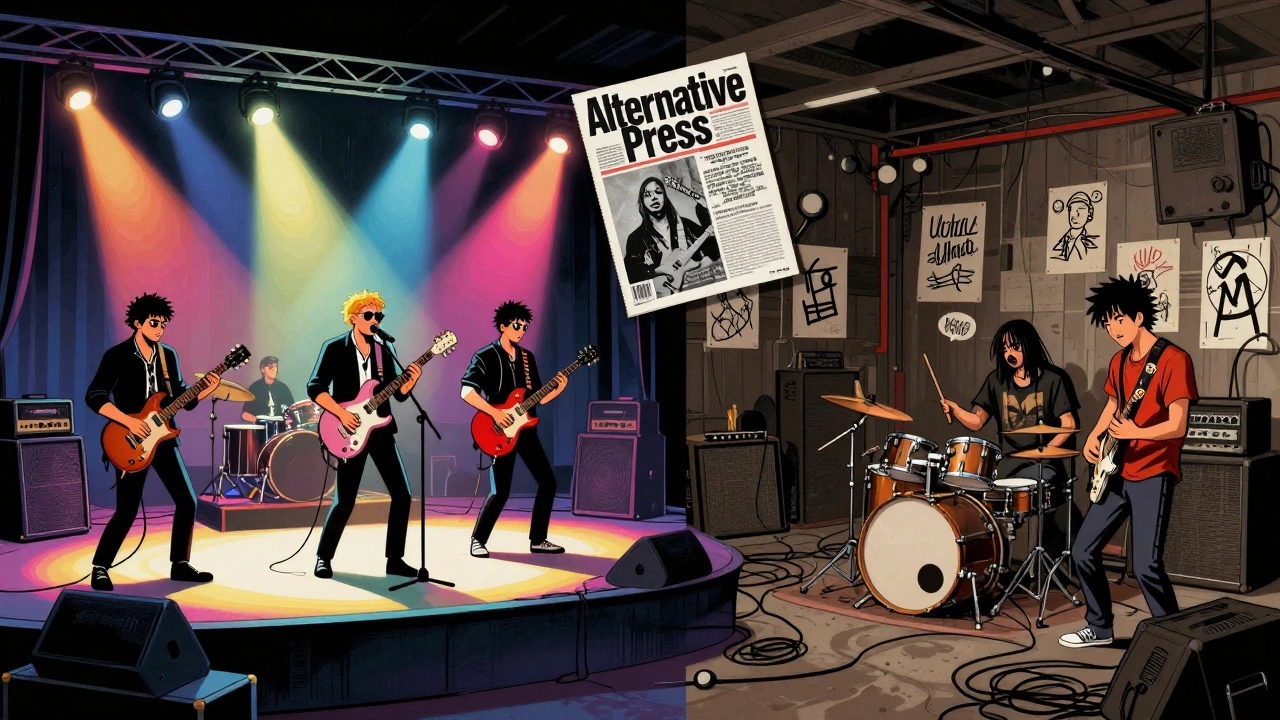
To understand the 90s, you have to realize there were actually two different "alternative" scenes happening at once. On one side, you had the corporate-backed giants-bands like Green Day or the Smashing Pumpkins. They had the budgets, the radio plugs, and the music videos on MTV. On the other side was the true underground: bands that were completely ignored by corporate labels because they didn't fit a specific commercial mold.
These ignored artists didn't have PR firms, but they had the alternative press. This created a vital niche for journalists to celebrate the bands that didn't sell millions of records but defined the culture. Without this documentation, the history of 90s rock would just be a list of platinum albums, ignoring the raw, unpolished sounds that actually fueled the movement.
| Feature | Commercial Alternative | Underground Alternative |
|---|---|---|
| Funding | Major Label Budgets | DIY / Independent Labels |
| Distribution | MTV & Top 40 Radio | Zines & College Radio |
| Primary Goal | Market Reach / Sales | Subcultural Authenticity |
| Documentation | Mainstream Press (Rolling Stone) | Alternative Press / Fanzines |
The DNA of the DIY Spirit
Alternative Press didn't invent the idea of the "underground rag." They were standing on the shoulders of the Underground Press Syndicate (UPS), a network of radical publications that thrived in the 60s and 70s. If you look at old issues of Good Times-which was fiercely anti-establishment-or the psychedelic vibes of Orpheus, you see the blueprint. Even Other Scenes, started by John Wilcock in 1967, pushed the "Do It Yourself" (DIY) ethos long before it became a buzzword in the 90s punk scene.
This lineage is important because it shifted the power. Music criticism stopped being about whether a singer had a "great voice" and started being about whether the music felt honest. The alternative press prioritized the scene over the star, treating a basement show in a garage with the same reverence as a stadium tour.
When the Bubble Burst: Greed and Collapse
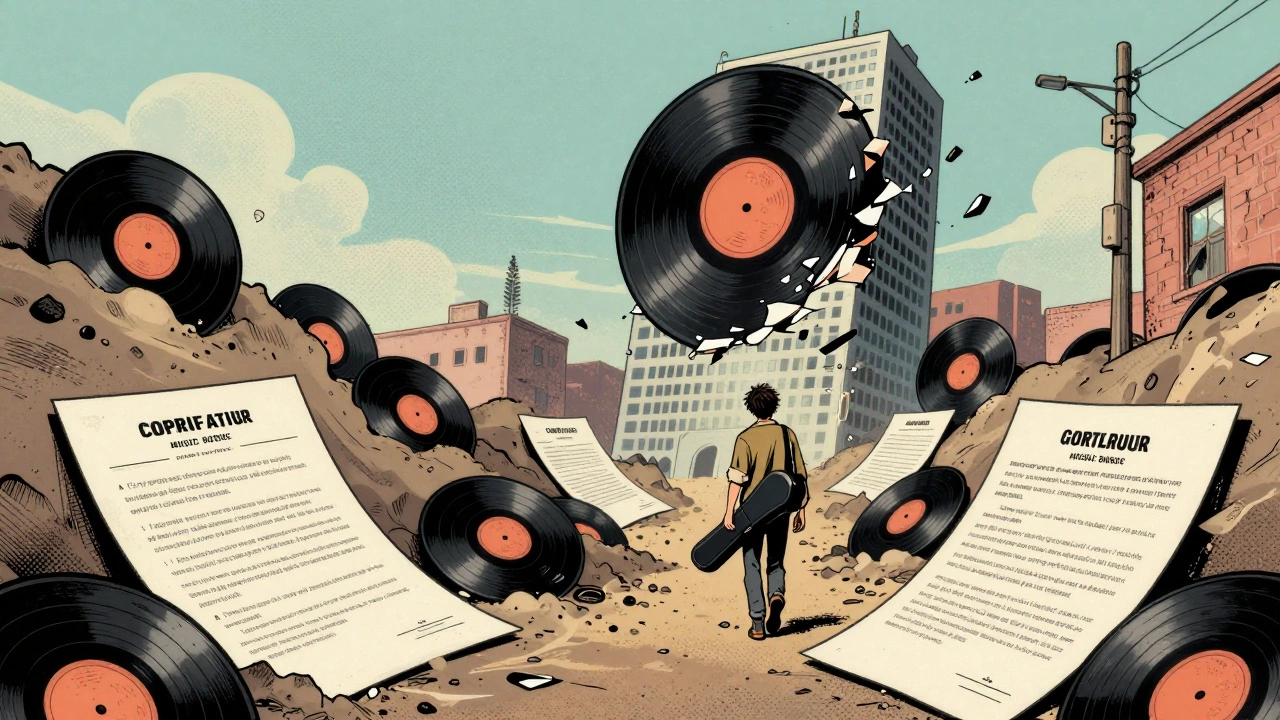
Success is a double-edged sword. As the 90s progressed, the industry's hunger for "alternative" sounds led to a gold rush. The documentary Underground Inc. gives a brutal look at this. It features veterans from bands like Bad Religion and Helmet, who saw the scene collapse under the weight of corporate excess. When the labels realized that not every band with a distorted guitar could sell five million copies, they dropped artists en masse.
Musicians like Joey Castillo from Queens of the Stone Age have reflected on this era as a time of wild volatility. The press had to pivot from celebrating the "next big thing" to documenting the wreckage. The shift from the raw energy of early 90s punk to the polished, commercialized sound of the late 90s is captured perfectly in the archives of the era's music magazines.
Tracking the Paper Trail: Labels and Compilations
If you want to find the hidden gems of the 90s, you don't look at the charts; you look at the compilation albums. Outlets like Alternative Press spent a lot of time covering releases from indie labels like Drive-Thru Records. These labels acted as curators, bundling several underground bands onto one disc to share the risk and the reward.
The "Punk Goes..." series is another example of how these scenes were documented. While some of those later releases felt like corporate cash-grabs, the early efforts were genuine attempts to categorize and archive the evolving sound of a subculture. By reviewing these compilations, the press provided a map for fans to discover bands that would otherwise have remained invisible.
What exactly was the "Underground" in the 90s?
The underground consisted of bands and artists who operated outside the major label system. They relied on independent distributors, college radio, and word-of-mouth. Unlike commercial alternative acts, these bands often prioritized artistic experimentation and subcultural loyalty over radio-friendly hooks and mass-market appeal.
How did Alternative Press differ from mainstream music magazines?
Mainstream magazines typically covered artists after they had already achieved commercial success. Alternative Press focused on the "fringes," documenting bands while they were still playing small clubs and recording in home studios, acting as a bridge between the artist and a dedicated, niche audience.
What happened to the underground scene by the end of the decade?
Many of the underground scenes were absorbed into the mainstream, a process often called "commercialization." This led to a bubble where labels over-signed bands, only to drop them when they didn't achieve immediate superstardom. This era is heavily analyzed in the documentary "Underground Inc."
Was the DIY movement only about music?
Not at all. The DIY (Do It Yourself) ethos extended to the press itself. Fanzines (zines) were hand-copied, stapled booklets that shared information about bands, venues, and fashion. This culture of self-reliance heavily influenced how magazines like Alternative Press approached their editorial voice.
Who are some key bands that defined the non-commercial underground?
While names vary by region, bands like Helmet and early incarnations of Queens of the Stone Age pushed boundaries in sound and structure that weren't initially "radio-friendly," though some eventually found significant success through persistence and critical acclaim.
Where to Go From Here
If you're trying to dig deeper into this era, don't stop at the hits. Start by searching for old fanzines or scanning the archives of independent labels from the mid-90s. If you're a musician today, look at the DIY models of the 60s and 90s; the tools have changed from photocopiers to TikTok, but the need for a supportive, alternative community remains exactly the same.


