
Quick Takeaways: The 90s Camp Blueprint
- Camps shifted the focus from the single songwriter to a multidisciplinary team.
- The process blended traditional songwriting with advanced MIDI sequencing and sampling.
- Credit sharing became more complex as tracks often had five or more contributors.
- These environments fostered the transition from classic R&B to the organic sounds of Neo-Soul.
The Architecture of a Songwriting Camp
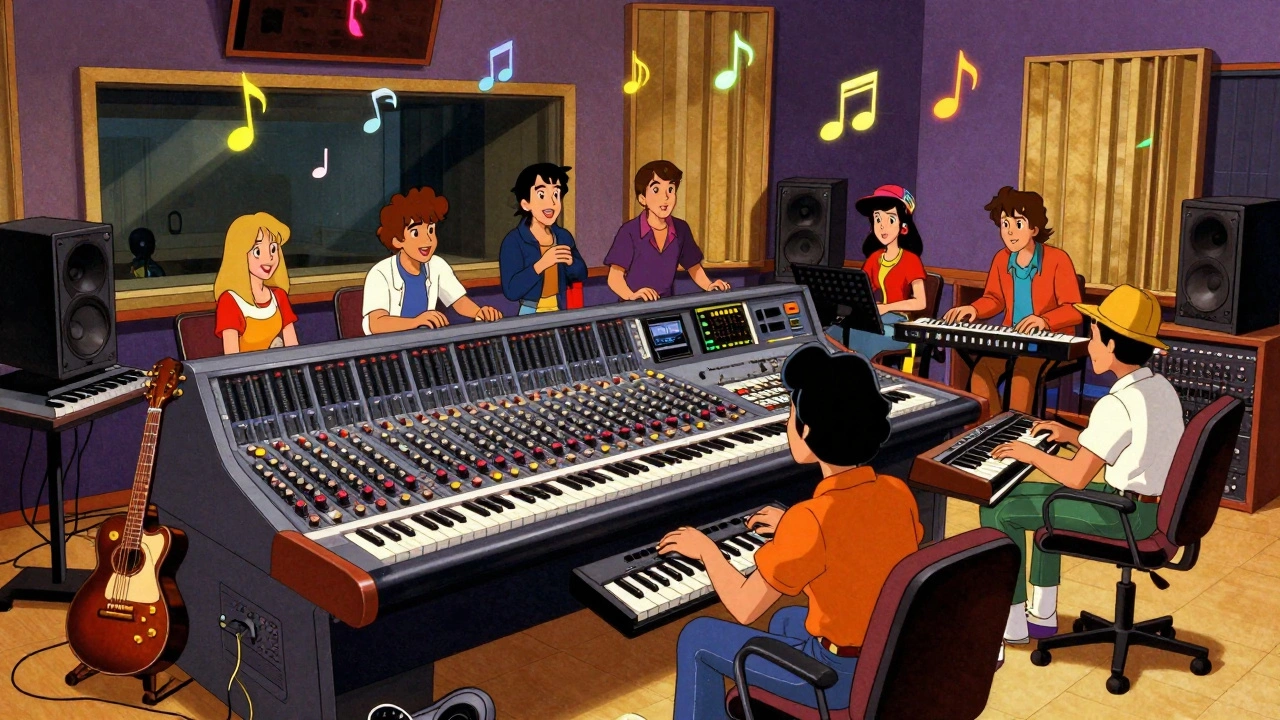
At its core, a songwriting camp is a curated gathering of songwriters, lyricists, and producers brought together by a label or a lead producer. In the 90s, this was often done to ensure a cohesive sound across an album. Instead of a singer just picking songs from a demo reel, a label would house a group of creatives in a studio for a week or more, tasked with writing specifically for that artist's voice and brand.
When we look at Songwriting Camps is a collaborative methodology where multiple writers and producers are gathered in a single location to create a high volume of quality tracks for a specific artist or project., we see it as the bridge between the old-school 'professional songwriter' model and the modern 'producer-led' era. In these camps, you'd have a 'topline' writer focusing on the melody and lyrics, a 'track' producer handling the beat, and often a seasoned executive overseeing the emotional arc of the song.
Why did this work so well for R&B? Because the genre relies heavily on the tension between a tight, rhythmic groove and an expansive, emotional vocal performance. By putting the beat-maker and the melody-writer in the same room, the music could be tailored to the singer's strengths in real-time. If a singer like Mariah Carey or Whitney Houston needed a specific bridge to showcase their range, the team could rewrite it on the spot.
The Power Players: Teams and Production Credits
The 90s were dominated by production powerhouses who operated like mini-camps. Take Babyface, who didn't just write songs; he crafted entire sonic identities. His approach often involved a tight-knit circle of musicians and engineers who worked in a symbiotic loop. Similarly, the duo of Jimmy Jam and Terry Lewis perfected the art of the 'studio collective.' They weren't just providing a beat; they were directing the entire musical arrangement, from the synth bass to the background harmonies.
This era saw a shift in how credits were handled. In the 60s, you might have one writer and one publisher. In a 90s R&B camp, a single hit like "So Into You" by Tamia might involve multiple layers of contribution. You have the lyricist, the composer, the programmer, and sometimes the artist themselves adding a few lines to make it feel authentic. This led to the 'credit bloat' we see today, but it was a necessary byproduct of the collaborative spirit. The music became a puzzle where each piece-the snare hit, the chord progression, the vocal run-was optimized by a specialist.
| Model | Focus | Typical Team | Resulting Sound |
|---|---|---|---|
| The Solo Auteur | Single Vision | Writer/Producer + Engineer | Highly consistent, signature style |
| The Writing Camp | Volume & Variety | Multiple Topliners + Beatmakers | Polished, commercial, hit-oriented |
| The Collective | Organic Synergy | Live Musicians + Producers | Soulful, raw, Neo-Soul vibe |
From Polished Pop-R&B to Neo-Soul
As the 90s progressed, the rigid structure of the songwriting camp began to evolve. The early part of the decade was all about that high-gloss, radio-ready sound. Think of the meticulously layered vocals and shimmering synths. However, toward the late 90s, a movement began to push back against the 'too perfect' nature of these camps. This gave birth to Neo-Soul is a genre that combines contemporary R&B with classic soul and jazz influences, emphasizing live instrumentation and organic production.
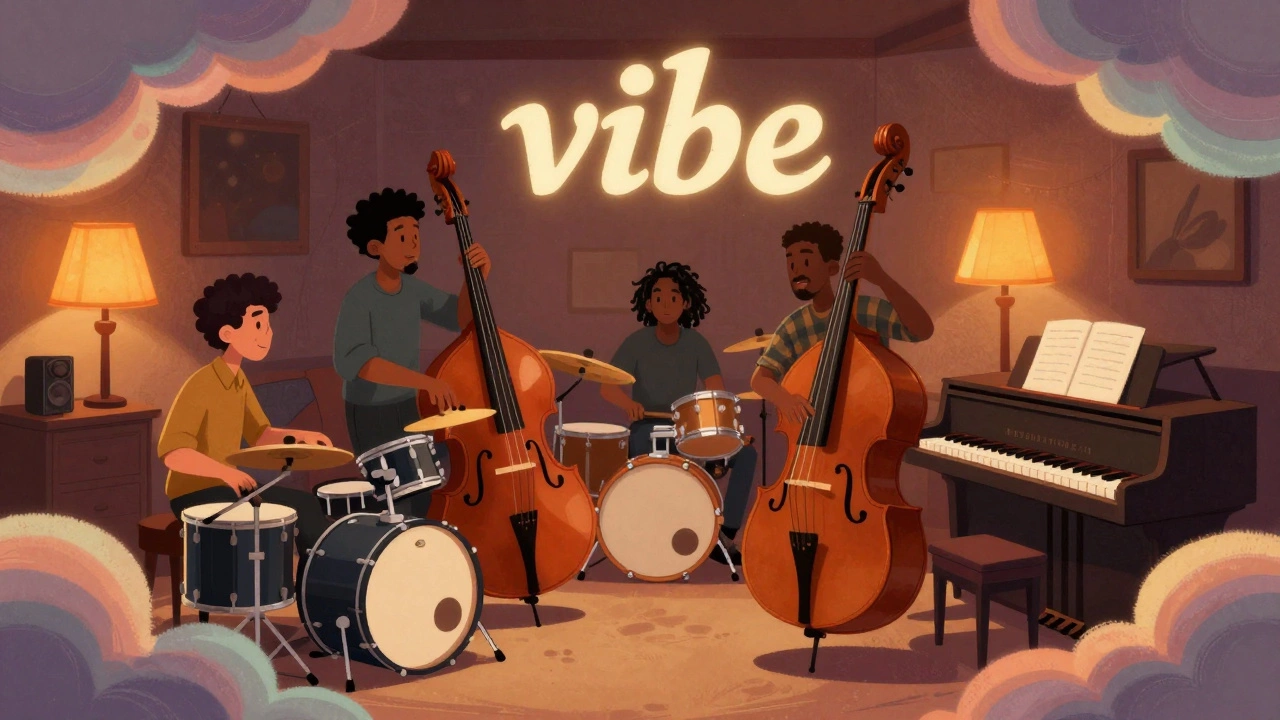
The transition happened when producers started bringing live instruments back into the camp. Instead of just using a MIDI (Musical Instrument Digital Interface) sequencer to program a drum machine, they started bringing in live bassists and percussionists. The 'camp' feeling remained-the idea of a group of talented people locked in a room-but the goal shifted from 'perfect' to 'felt.' Artists like Erykah Badu and D'Angelo moved away from the label-driven camp model toward more fluid, jam-based collaborations that prioritized vibe over a calculated chart-topping formula.
The Technical Toolkit: Shaping the 90s Sound
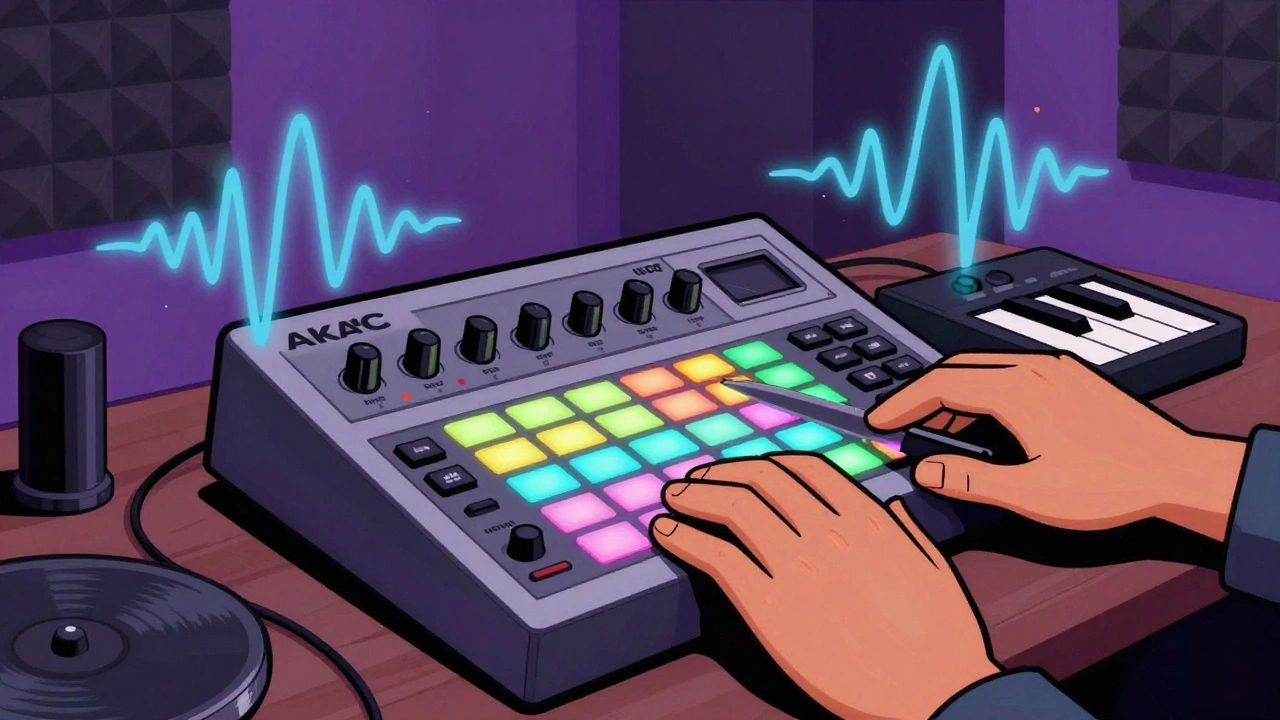
You can't talk about 90s songwriting camps without mentioning the gear. The tools available dictated the songwriting process. The widespread use of the Akai MPC (Music Production Center) sampler allowed producers to chop breaks and loop grooves, which changed how songwriters approached melody. Instead of starting with a piano or guitar, many songs started with a loop. The writers then had to build a melody that fit into that rhythmic pocket.
Furthermore, the use of Pro Tools in the late 90s revolutionized how these teams worked. For the first time, they could digitally edit vocal takes and rearrange song structures without having to re-record everything on tape. This allowed songwriting camps to be even more experimental. They could try a different chorus or move a bridge and hear the result instantly. This efficiency is why 90s R&B albums often feel so tightly constructed; every second of the song was scrutinized and tweaked by a team of experts.
Common Pitfalls of the Camp System
While the camp system produced countless hits, it wasn't without its flaws. One major issue was the loss of a singular artistic voice. When you have six people writing a song, the 'edges' often get sanded off. The result can be a song that is mathematically perfect for the radio but lacks a certain raw, human quality. Some artists felt like they were just the 'voice' for a project rather than the creator of it.
There was also the issue of publishing disputes. In a collaborative camp, deciding who gets what percentage of the royalties can become a nightmare. If a producer creates the beat, a writer adds the chorus, and another writer tweaks the verses, the split becomes fragmented. This created a legal landscape where many 90s hits have incredibly long lists of credited songwriters, ensuring that everyone who touched the track got a piece of the pie, but making the administrative side of the music business a headache.
The Legacy of 90s Collaboration
The influence of these songwriting camps persists in today's music industry. If you look at how modern pop or R&B hits are made, it's essentially a digital version of the 90s camp. The only difference is that the 'camp' is now often virtual, with producers sending files across the world via the cloud. However, the fundamental logic remains the same: combine the best specialists-the beat-maker, the lyricist, the vocal arranger-to maximize the chance of a hit.
The 90s taught us that Songwriting Camps are not just about efficiency; they are about chemistry. When the right group of people is locked in a room with a shared goal and the right equipment, they can create something that no single person could achieve alone. From the silky smooth ballads of the early 90s to the gritty, soulful depths of Neo-Soul, this era of collaborative writing redefined the sound of urban music.
What exactly is a songwriting camp?
A songwriting camp is a structured event where a group of songwriters, producers, and musicians are brought together for a set period to write songs for a specific artist or album. The goal is to generate a high volume of quality material by leveraging the different strengths of each participant, such as a specialist for melodies (toplining) and another for the beat (production).
How did songwriting camps change the sound of 90s R&B?
They moved R&B away from a simple singer-songwriter model toward a highly polished, produced sound. By integrating producers and writers from the start, the music became more rhythmic and precisely engineered for radio, blending elements of New Jack Swing, hip-hop sampling, and traditional soul.
Why do so many 90s R&B songs have so many credits?
Because of the collaborative nature of songwriting camps, many people contributed small but essential parts of the song. Whether it was a specific drum fill, a lyrical tweak, or a vocal arrangement, each contributor was often granted a percentage of the songwriting credit to ensure fair payment and avoid legal disputes.
What is the difference between a camp and a Neo-Soul collaboration?
While traditional camps were often label-driven and focused on commercial hits and digital perfection, Neo-Soul collaborations were generally more artist-led and focused on organic, live instrumentation. Neo-Soul moved away from the 'hit factory' mentality in favor of improvisational jam sessions and raw emotional expression.
Which tools were most important for these teams?
The Akai MPC was crucial for creating the rhythmic foundations and loops. Digital sequencers (MIDI) allowed for precise control over synthesizers, and toward the end of the decade, Pro Tools enabled non-linear editing of vocals and arrangements, allowing teams to refine songs with unprecedented speed.
Next Steps for Music Enthusiasts
If you want to understand these dynamics better, start by digging into the liner notes of albums from 1992 to 1998. Look for recurring names like Babyface, Diane Warren, or Jimmy Jam and Terry Lewis. Notice how the same teams often worked across different artists, creating a "sonic thread" that tied the era together. For those interested in the technical side, exploring basic MIDI production or sampling in an MPC-style software can show you how these rhythmic pockets were actually built.


