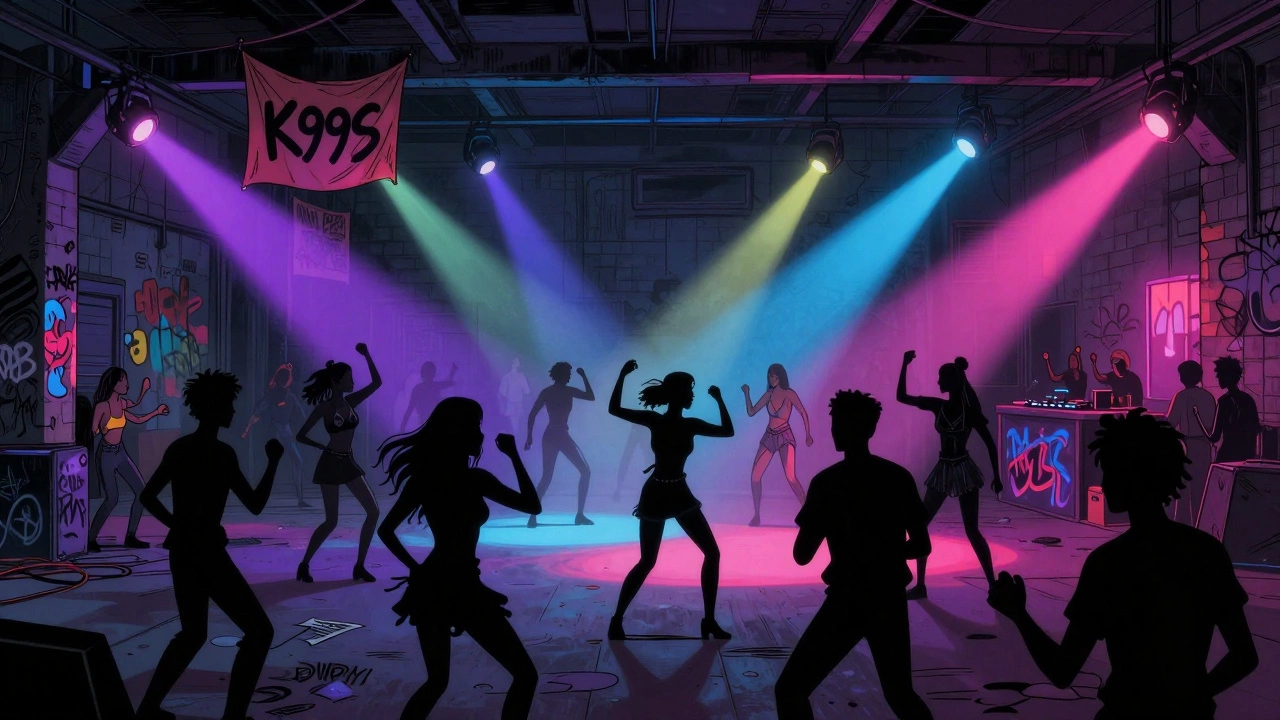

The Warehouse to Stadium Shift
If you close your eyes and listen to a modern festival set, you’d think the blueprint for every beat was drawn yesterday. But rewind the clock twenty-five years, and the sound looks completely different. We often forget that 2000s EDM, the massive global industry dominating charts today, didn’t spring up out of nowhere. It was built on decades of underground experimentation. The real story isn’t just about the explosion of the 2000s; it’s about the quiet, gritty work done in the previous decade.
We need to understand that 1990s Electronica wasn’t trying to become mainstream pop. Back then, people were making music for warehouses, secret fields, and basement clubs. Tracks like “Firestarter” by The Prodigy weren’t designed for radio; they were sonic grenades meant to shake a crowd physically. Yet, the very techniques used to create those anthems became the standard operating procedure for the next generation of DJs. Without the chaotic innovation of the nineties, the polished precision of the 2000s simply wouldn’t exist.
Tech That Changed Everything
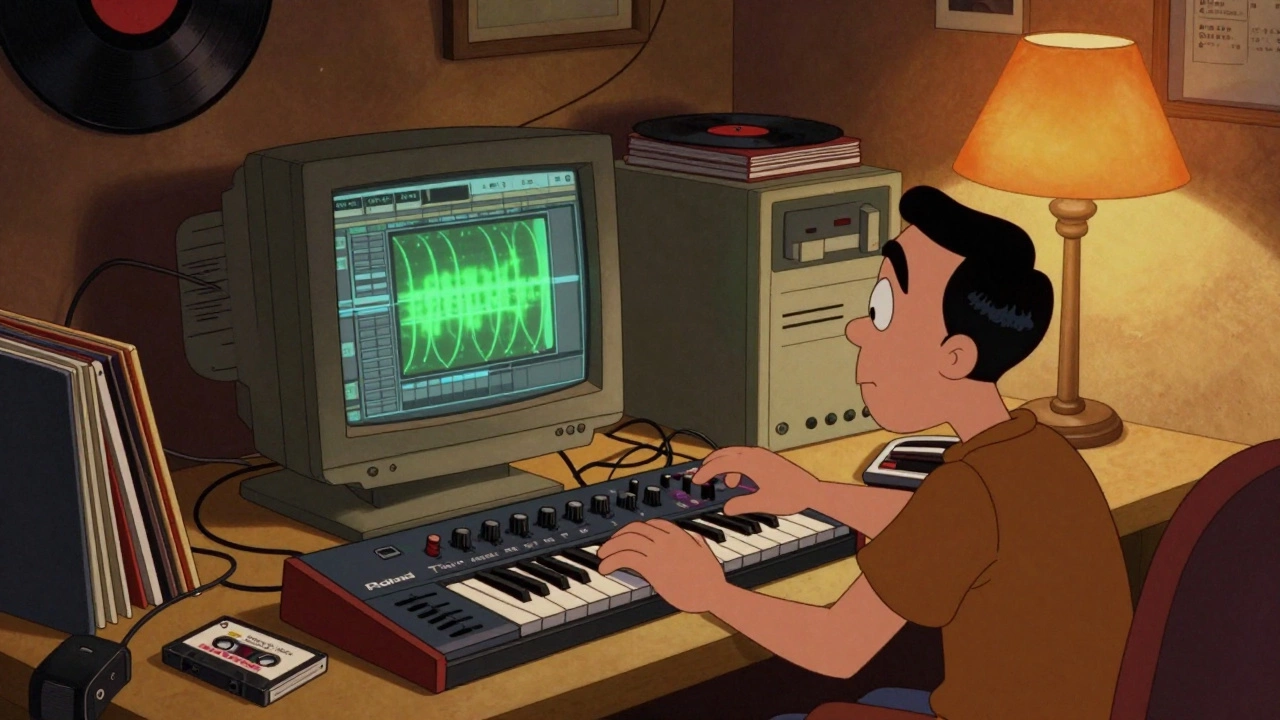
Before we talk about artists, we have to look at the tools. You can’t separate the rise of the genre from the hardware sitting on the studio desks. In the early eighties, if you wanted to make professional-quality electronic music, you needed tens of thousands of dollars in analog synths and tape machines. By the time the nineties rolled around, that barrier was breaking down fast.
Cubase AudioA digital audio workstation released in 1991Steinberg Cubase and Pro ToolsEarly version 1.0 software launched in 1991 arrived on the scene right as computers got powerful enough to handle audio processing. Suddenly, you could edit sound like video clips. It democratized creation. You didn’t need a recording studio anymore; you just needed a bedroom and a computer.Hardware played its part too. The Roland TB-303 bass synthesizerInitially released in 1981, later central to acid house was originally a failure-a cheap bass machine nobody wanted. But when producers started abusing it, turning knobs to get weird, squelchy sounds, they invented Acid House. This philosophy carried through the nineties. If the gear gave you a unique texture, you leaned into it. Later in the 2000s, these sounds would be sampled, looped, and perfected until they filled stadiums like Coachella.
Defining the Sound Structure
One thing that connects the eras is how songs are actually built. Most pop songs follow a verse-chorus structure. But electronic music follows a different logic entirely. The nineties established what we now call the “three-act structure.” It’s a specific way of manipulating tension and release that defines almost every big dance hit today.
- The Intro: Usually 32 to 64 beats long, allowing a DJ to mix in seamlessly.
- The Build-up: Around 16 to 32 beats of increasing intensity, often using hi-hats or snare rolls.
- The Drop: The climax where the full rhythm and bass return, usually lasting 16 to 32 beats.
This wasn’t accidental. Tracks like “Setting Sun” by The Chemical Brothers in 1996 perfected this flow. They realized that building anticipation creates a physiological reaction in the listener. When the drop hits, the crowd reacts instantly. Fast forward to 2009, and you see David GuettaDJ and producer who transitioned from club performer to superstar utilizing that same formula in “When Love Takes Over.” He knew exactly what the crowd expected because the nineties artists trained them to expect it.
From Illegal Parties to Corporate Events
Culture matters just as much as sound. The social container for nineties electronica was the rave. These events were often illegal or operated in a gray area of the law. Castlemorton Common Festival in 1992 is a prime example. Police shut it down because it attracted 20,000 to 40,000 people, proving there was demand that far exceeded what legal venues could hold.
But this underground network built the infrastructure for legal events. Clubs like Ministry of SoundFounded in London in 1991, grossing £5 million annually by 1999 in London showed investors that dancing to electronic music could be profitable. By the late nineties, promoters understood they didn’t just need a stage; they needed security, safety protocols, and ticket sales systems.
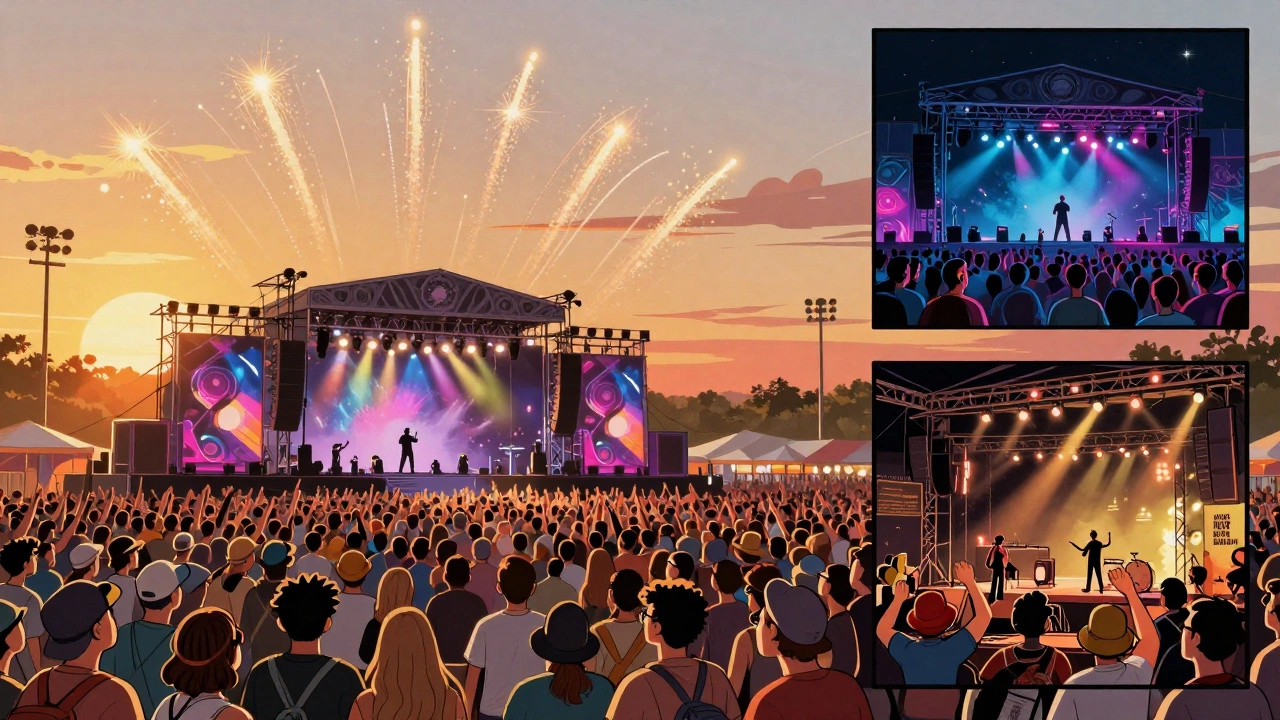
That lesson paid off immediately in the 2000s. Ultra Music Festival started in 2000. It grew from 10,000 attendees in its first year to over 70,000 by 2010. That jump wasn’t magic; it was the result of taking the community spirit of the nineties raves and scaling it with corporate funding. The vibe changed from "police raid alert" to "summer bucket list," but the energy remained rooted in collective celebration.
The Artist Evolution
Perhaps the biggest shift happened in the role of the DJ. In the early nineties, a DJ was often seen as just a selector-someone playing records made by others. Then came figures like Paul OakenfoldDJ who toured with U2 and earned $100,000 per performance by 1995. Touring with rock giants like U2 legitimized him as a headliner rather than background support. By 1995, his earnings were already astronomical compared to standard touring musicians.
This created a template for the “superstar DJ” that defined the 2000s. When Tiësto walked onto the stage at Coachella in the mid-2000s, audiences already had the expectation of seeing a singular artist command the space. The transition was subtle: first, the DJ becomes famous for their sets; then, they release albums; finally, they headline festivals. Artists like The Chemical Brothers walked this path in the 90s, paving the road for Armin van BuurenTrance DJ born in 1976 to become one of the most recognizable names globally.
| Attribute | 1990s Electronica | 2000s EDM |
|---|---|---|
| Venue Size | Warehouses, Fields, Clubs | Arenas, Stadiums, Festivals |
| Production Cost | $5,000 - $50,000 | $50,000 - $2M+ |
| Fan Interaction | Underground Community | Commercial Fanbase |
| DJ Role | Mixer/Curator | Headlining Performer |
Market Explosion
You can measure this transition in dollars. The International Data Corporation noted the market reached $7.4 billion by 2019. But looking closer at the timeline, IFPI data shows the electronic music market grew from $1.2 billion in 1999 to $4.7 billion in 2009. That is nearly quadrupling the size of the industry in a single decade.
The US market share was particularly telling. In 1999, electronic music accounted for roughly 5% of total music consumption stateside. Ten years later, that number jumped to 22%. Pop stars began adopting the aesthetic. Madonna’s album Ray of Light in 1998 was pivotal. It sold 14 million copies worldwide and won four Grammys, essentially signaling to the record labels that electronic production was safe for radio play.
Later on, even pop icons like Taylor Swift and Katy Perry incorporated these elements. A 2017 study found that 68% of Billboard Hot 100 top 10 hits between 2005 and 2015 contained significant electronic production, compared to only 29% during the previous decade. The boundary dissolved because the infrastructure was ready.
The Enduring Legacy
It’s tempting to romanticize the past, saying things were better back then. Some critics argue the 2000s commercialization sacrificed the countercultural spirit. There is truth to that; the DIY feel faded away as brands took over festivals. But without the risk-taking of the nineties, we lose the diversity of sound. Modern producers still look back at Warp Records and Fax Records for inspiration. Even contemporary heavy hitters like SkrillexProducer Sonny Moore, acknowledged in 2018 admit that their work builds on 90s foundations.
Ultimately, the nineties provided the DNA. The code written then allowed the software of today to run efficiently. Whether you prefer the raw grit of the original raves or the polished spectacle of today’s festivals, you have to acknowledge the lineage. The connection is undeniable, running through every kick drum and synth melody we hear.
What is the difference between electronica and EDM?
Electronica typically refers to experimental electronic music produced in the 1990s, often for headphones or underground clubs, while EDM usually describes the 2000s-era commercialized dance music designed for large-scale festivals and radio play.
Which 90s artists influenced modern EDM?
Key influencers include The Prodigy, The Chemical Brothers, Orbital, and Sasha & Digweed. Their production techniques and hit singles established the structural norms for modern tracks.
Did technology drive the change in sound?
Yes, the introduction of affordable Digital Audio Workstations like Cubase and Pro Tools in the 90s lowered production barriers, allowing more producers to experiment with digital sounds that defined the 2000s era.
Was the rave culture legal in the 90s?
Often, no. Many events were unlicensed, leading to crackdowns. However, these illegal gatherings proved the mass appeal of the genre, forcing governments and promoters to adapt by creating regulated festival spaces.
How did the music market grow?
According to IFPI data, the electronic music market grew from $1.2 billion in 1999 to $4.7 billion in 2009, driven by increased acceptance of electronic production in pop music and the rise of major festivals.


