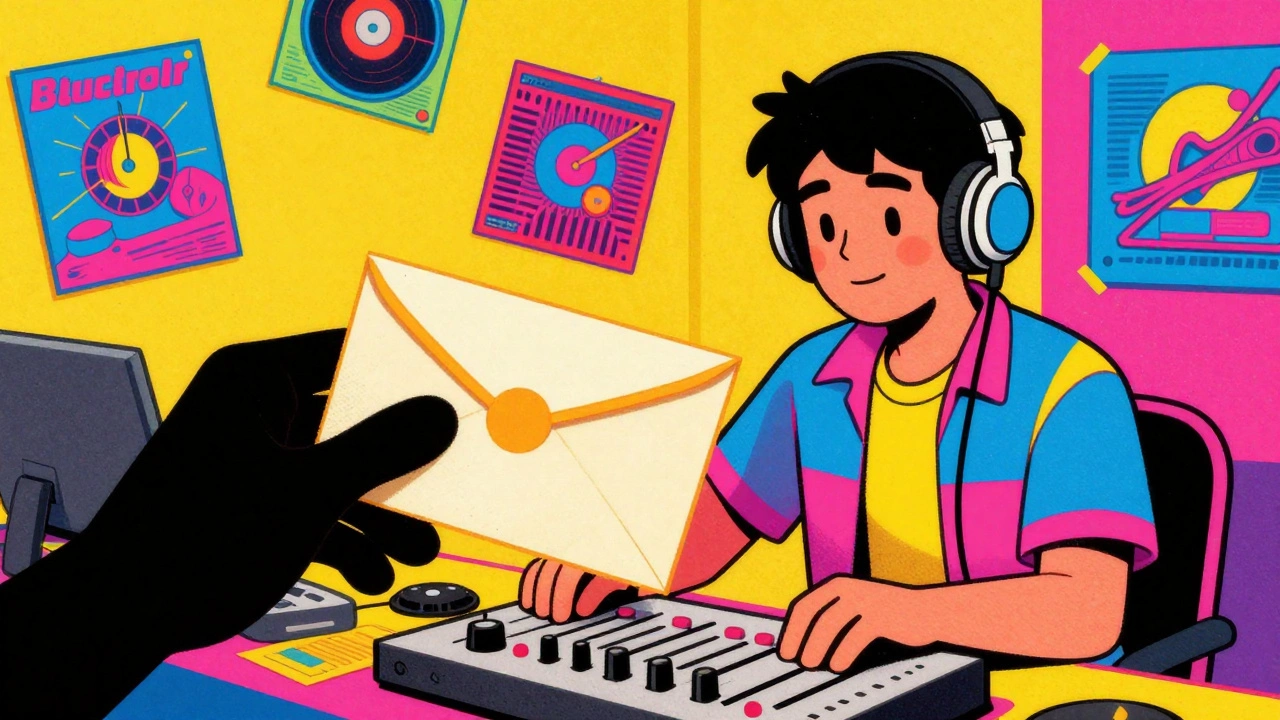

To understand how this worked, we have to look at Payola is the act of paying a disc jockey or radio station to play specific songs without disclosing the payment to the listeners. While the practice had been around since the 19th century, the 80s turned it into a corporate science. It wasn't just a DJ taking a few bucks under the table; it was a systemic operation designed to manufacture hits.
The Rise of the Independent Promoters
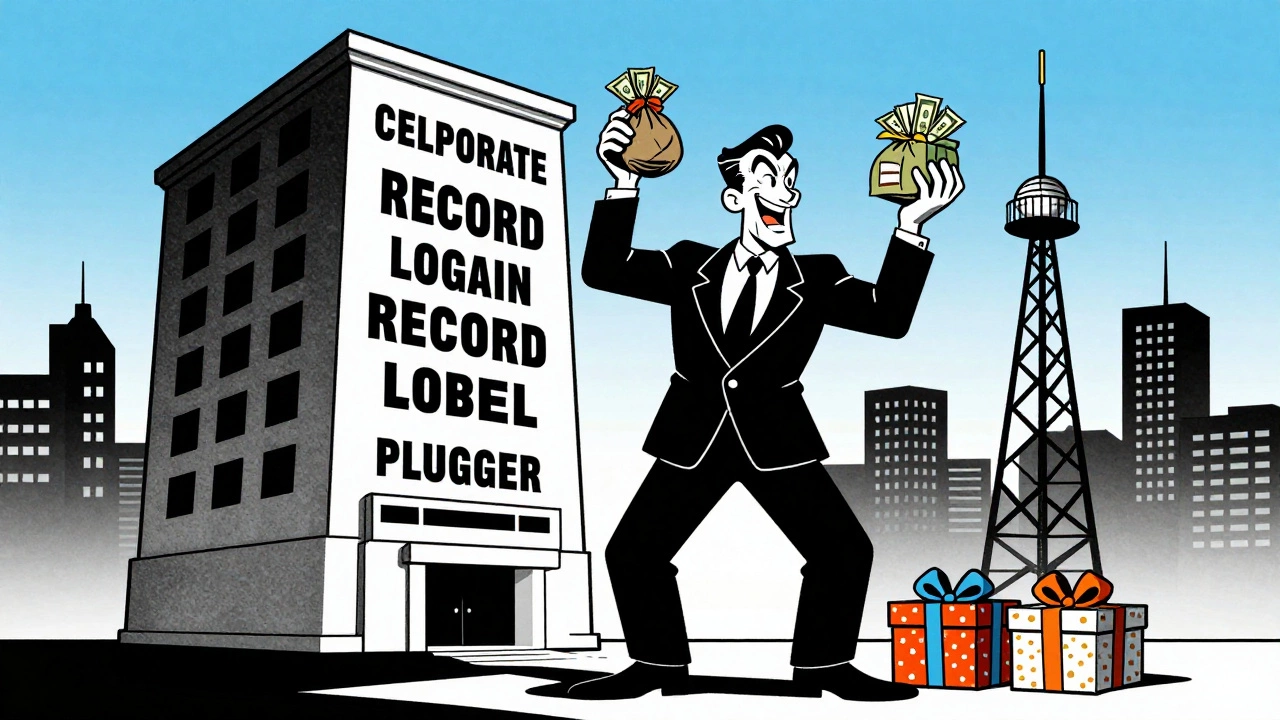
By the 1970s, the law started catching up with record labels. Courts began suing the companies directly instead of just the DJs. To avoid going to jail, labels invented a clever buffer: the Independent Promoter, or "indie." These were outside contractors who acted as the middleman between the record label and the radio station. If a bribe was paid, the label could claim they just hired a promoter for "marketing services" and had no idea where the money actually went.
These pluggers were the real power brokers of the decade. By the mid-1980s, the financial scale was staggering. Major labels were dropping between $40 million and $50 million every year just to keep these promoters on retainer. This wasn't a small-scale operation; it was the engine that drove the era's biggest hits. If you wanted a national launch, you had to pay the entry fee, which by the early 90s had climbed to around $25,000 per song.
Inside 'The Network' and the Dark Side of Plugging
Promotion in the 80s wasn't always about polite phone calls and dinner meetings. A group known as "The Network" took things to a level that looked more like a mob movie than a music business. According to 1986 investigations, these promoters didn't just use cash to grease the wheels. They used cocaine, luxury trips, and even threats to ensure their artists stayed in the heavy rotation playlist.
Some of the most powerful figures, like Fred DiSipio and Joseph Isgro, reportedly had ties to organized crime. They didn't just suggest a song; they practically demanded it. When a promoter called a music director and said, "This one's hot," or "Everyone else is playing it," they weren't just sharing a trend-they were often signaling that a deal had already been struck behind the scenes.
| Feature | Early Era Payola | 1980s "Indie" System |
|---|---|---|
| Payment Method | Direct cash to DJs | Contracts with third-party promoters |
| Legal Strategy | Individual bribery | Corporate insulation (Middlemen) |
| Incentives | Cash, gifts | Cash, drugs, luxury trips, threats |
| Scale | Local/Regional | National networks (The Network) |
The Legal Loophole and the FCC
You might wonder how they got away with this for so long. The FCC (Federal Communications Commission) had rules against payola, but there was a massive loophole. The FCC ruled that "social exchanges between friends" weren't payola. This meant if a promoter gave a "gift" to a friend who happened to be a program director, it was technically legal. Lawyers spent years trying to prove the difference between a friendly gesture and a professional bribe, but the line was incredibly blurry.
This ambiguity allowed labels to push the envelope. They used Pluggers to create an illusion of organic demand. By paying promoters to get a song played in five major cities, they could tell the sixth city, "Look, it's already a hit in New York and LA," forcing the station to play it just to stay relevant. It was a psychological game of FOMO (fear of missing out) played at a corporate level.
The 1986 Crash and the Shift to Marketing
The party started to end in 1986 when government probes finally hit a critical mass. When the details of "The Network" and their ties to organized crime became public, the major labels panicked. Huge names like Capitol-EMI, RCA, and CBS suddenly cut ties or suspended their use of independent promoters to avoid being dragged into court.
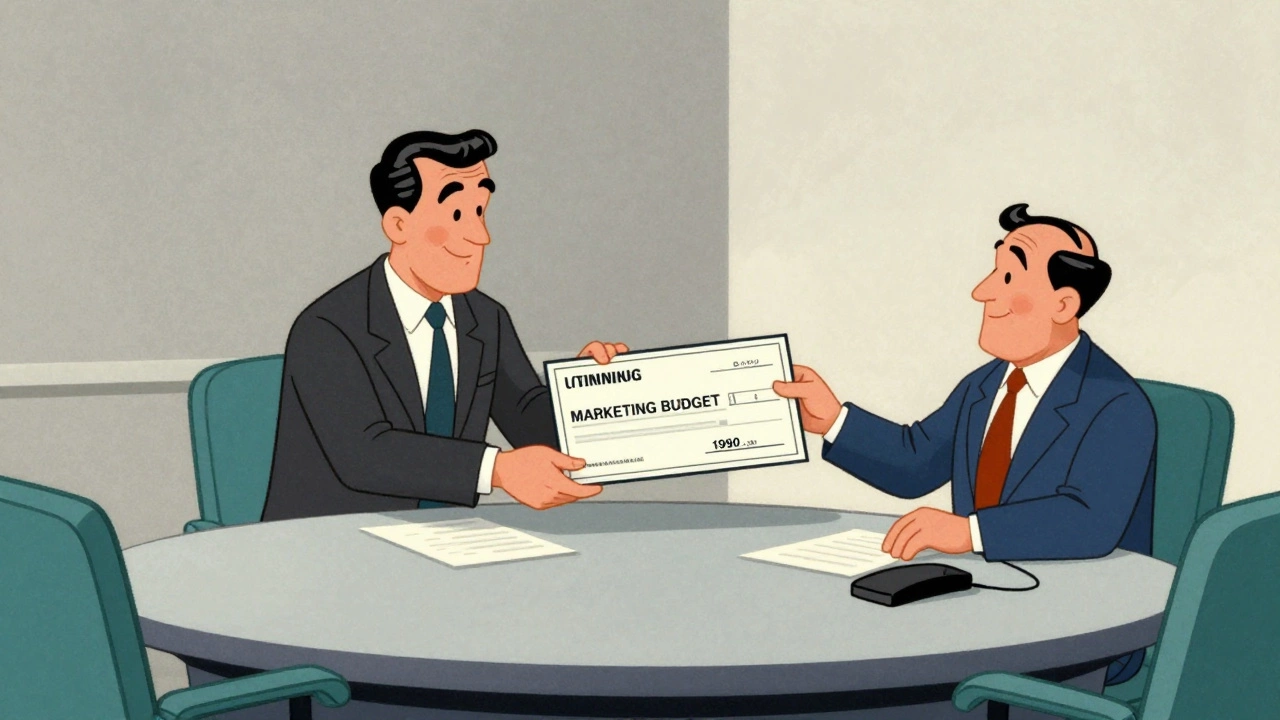
But the desire for guaranteed airplay didn't go away; it just mutated. By the early 90s, promoters stopped paying the DJs directly and started giving tens of thousands of dollars to the radio stations themselves, labeling the money as "marketing budgets." Instead of a bribe to a person, it became a corporate sponsorship. The money was still flowing, but it was now hidden in a line item on a balance sheet.
The financial impact was real, though. Annual spending on indies plummeted from $50 million in the mid-80s to about $15 million by 1991. This 60-70% drop made many independent promoters outcasts in an industry that was then worth roughly $6.5 billion. However, as the 90s progressed, these players began a slow comeback, finding new ways to influence the charts under the radar.

The Cost of Admission for Small Labels
This system didn't just hurt the listeners; it crushed the small guys. If the "entry fee" to launch a song nationally was $25,000 for promoter fees alone, a tiny independent label simply couldn't compete. This is why the 80s were dominated by the "Big Six" labels. They had the capital to buy the airwaves, effectively silencing artists who didn't have the backing of a major corporate machine.
When you look back at the charts from that era, you aren't just seeing the most popular songs-you're seeing the songs with the most effective promotional budgets. The "hit" was often a product of financial engineering as much as musical talent.
Was payola illegal in the 1980s?
Yes, it was illegal under FCC regulations, which required broadcasters to disclose any payments received for playing specific records. However, the use of independent promoters created a legal buffer that made it very difficult for prosecutors to link record labels directly to the bribes.
What exactly were "pluggers"?
Pluggers were promoters (either label employees or independent contractors) whose sole job was to "plug" a song into a radio station's playlist. They used a mix of persuasion, networking, and often illegal inducements to convince music directors to play a track.
Who was "The Network"?
"The Network" was a group of powerful independent promoters in the mid-80s who used aggressive and illegal tactics-including cash, drugs, and threats-to secure airplay. Some members were later revealed to have connections to organized crime.
How did the system change in the 1990s?
After the 1986 crackdowns, the practice shifted from direct bribes to DJs to giving large sums of money to the radio stations themselves for "marketing purposes." This allowed the influence to continue while providing a more legitimate-looking paper trail.
Did this affect which artists became famous?
Absolutely. Because national promotion required tens of thousands of dollars, artists on small labels were often blocked from radio airplay, regardless of how good their music was. This reinforced the dominance of major record labels.