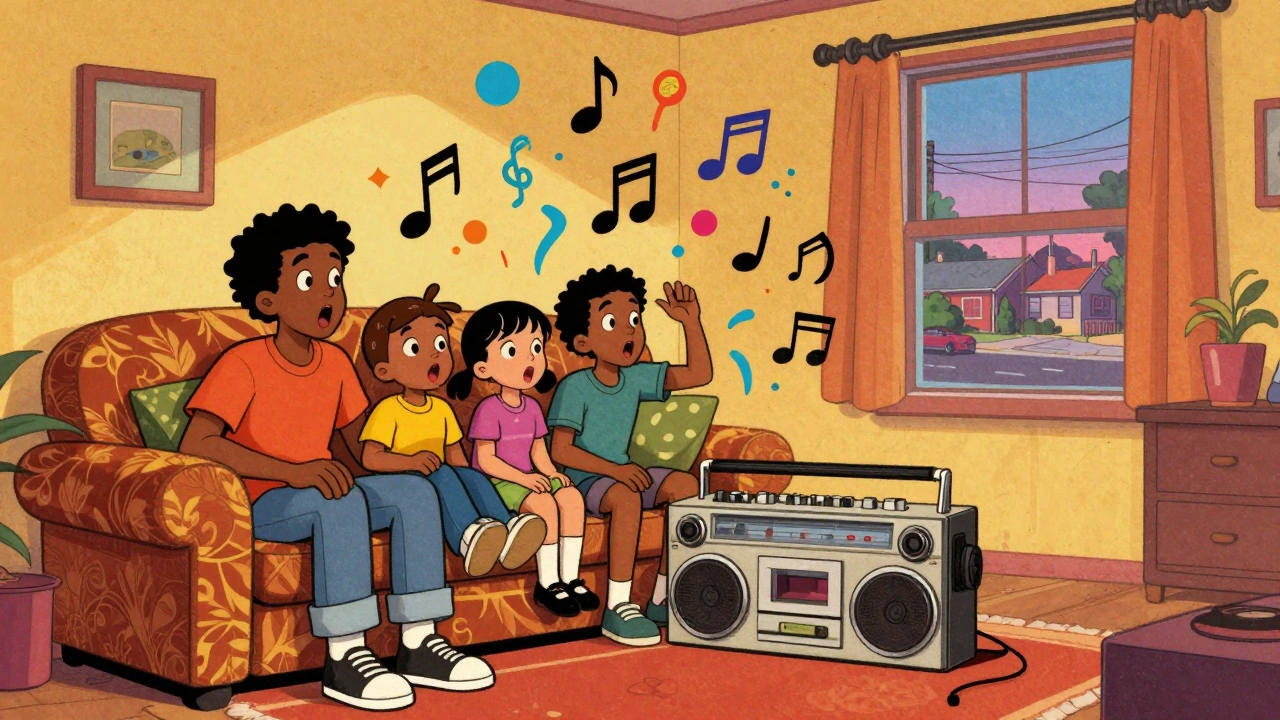

Picture this: It’s 1983. You’re listening to the radio, expecting standard rock or pop, but suddenly a heavy guitar riff kicks in, followed by a breakbeat that sounds like it came from a Bronx block party. This wasn’t just a random mix-up; it was the beginning of a massive cultural shift. The 1980s hip-hop is a musical and cultural movement that emerged from African American and Latino communities in New York City, characterized by rhythmic speech (rap), DJing, breakdancing, and graffiti art didn't stay confined to the streets. It spilled over into mainstream rock, reshaped pop structures, and eventually changed how brands talked to consumers forever.
We often think of genres as separate boxes, but the 1980s proved they were more like permeable membranes. If you want to understand today's music landscape-where artists like Post Malone or Travis Scott blend genres without blinking-you have to look back at this decade. That era didn't just produce hits; it broke down the walls between "black" and "white" music, creating a new sonic vocabulary that advertisers and musicians still use today.
The First Crossover: When Rock Met Rap
The story doesn't start with a bang, but with a whisper. In 1980, Blondie is an American rock band formed in New York City, known for pioneering new wave and punk-influenced pop music released "Rapture." Before this, most white rock audiences had no idea what rap was. Debbie Harry’s track became the first number-one single on the US charts to feature rapping. She name-dropped Fab Five Freddy and Grandmaster Flash, essentially introducing these underground heroes to millions of suburban homes.
This wasn't just a novelty act. It signaled that hip-hop had artistic merit worth sharing. Soon after, bands like The Clash is a British punk rock band that incorporated reggae, ska, dub, funk, and hip-hop into their sound during the late 1970s and early 1980s started sampling hip-hop beats directly into their songs. Their 1981 album included tracks that used drum breaks and spoken-word styles common in hip-hop. This showed that rock musicians weren't just copying hip-hop; they were respecting its energy and rhythm.
But the real game-changer came from within hip-hop itself. Run-D.M.C. is an American hip-hop trio from Hollis, Queens, who pioneered the fusion of hip-hop with rock music and helped bring the genre to mainstream commercial success didn't wait for rock bands to invite them in. In 1984, they released "Rock Box," a track that featured actual electric guitar solos played by session musician Eddie Martinez. They heard metal band Riot recording nearby and decided, "Why not put that heavy guitar sound over our beats?" This move flipped the script. Instead of rock borrowing from hip-hop, hip-hop was actively consuming rock instrumentation.
MTV: The Visual Catalyst
You can't talk about 1980s music influence without talking about television. MTV is a cable television channel launched in 1981 that revolutionized music consumption by broadcasting music videos 24/7, becoming a dominant force in youth culture launched in 1981 with a focus on rock. At first, it seemed like hip-hop would be left out. But the network quickly realized that ignoring the fastest-growing urban music scene was a mistake.
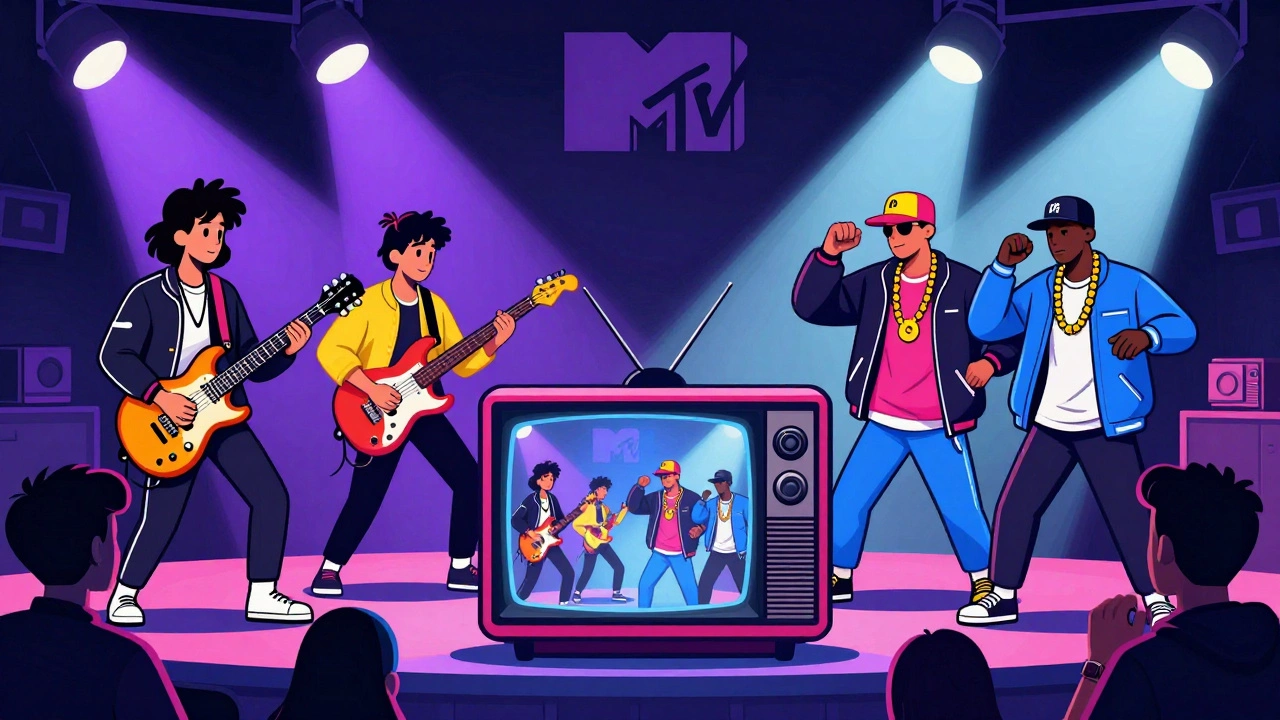
MTV created dedicated shows like "Yo! MTV Raps" to showcase hip-hop, while keeping "Headbangers Ball" for heavy metal. On paper, this looked like segregation. In reality, it exposed white suburban teens to black culture and vice versa. For the first time, a kid in Ohio could see Run-D.M.C. performing with the same intensity as Aerosmith. This visual exposure normalized the sound. It made the aggressive delivery of rap feel less foreign to rock fans because they saw the passion and performance style mirrored in their own favorite rock stars.
This visual bridge allowed for deeper musical integration. By the mid-80s, MTV's playlist became a melting pot. Pop stars began adopting hip-hop fashion-gold chains, oversized jackets, sneakers-which further blurred the lines between the genres. The aesthetic of hip-hop became cool, accessible, and marketable to everyone.
Pop Music’s New Rhythm
While rock got the guitar solos, pop music got the beat. Throughout the 1980s, pop producers began stripping away complex orchestration in favor of simpler, harder-hitting drums inspired by hip-hop. Think about Michael Jackson’s "Beat It." While it features Eddie Van Halen on guitar, the underlying groove is pure hip-hop. Quincy Jones, the producer, understood that the syncopated rhythms of rap added a danceability that traditional pop lacked.
This trend accelerated with artists like Madonna and Prince. They didn't necessarily rap, but they adopted the production techniques of hip-hop DJs: looping breaks, using synthesizers to mimic turntable scratches, and focusing on bass-heavy mixes. The "New Jack Swing" style that emerged in the late 80s and early 90s is the direct child of this marriage. It took R&B melodies and slapped them onto hip-hop drum patterns, creating a sound that dominated the charts for years.
Pop music became faster, punchier, and more attitude-driven. The smooth crooning of the 70s gave way to a sharper, more confident delivery. This shift wasn't accidental; it was a response to the energy hip-hop brought to the table. Consumers wanted music that felt immediate and raw, not polished and distant.
Advertising’s Bold New Voice
If music changed, so did marketing. In the early 80s, commercials were safe, polite, and often boring. Then, advertisers noticed something: young people were responding to hip-hop. Brands wanted to reach this demographic, but they didn't know how to speak their language. So, they started trying.
One of the most famous examples is the 1986 Pepsi campaign featuring Michael Jackson. While MJ was a pop star, his style was heavily influenced by hip-hop aesthetics. The ad used rapid cuts, urban settings, and a high-energy vibe that mirrored hip-hop music videos. It wasn't just selling soda; it was selling an attitude.
Car companies also jumped on the bandwagon. Oldsmobile’s "Cutting Edge" campaign in 1984 used a rap-style jingle to promote the Cutlass Supreme. It was cheesy by today’s standards, but it was groundbreaking then. It showed that rap could sell products. Advertisers realized that the rhythmic cadence of hip-hop stuck in people's heads better than traditional jingles. It was memorable, energetic, and youthful.
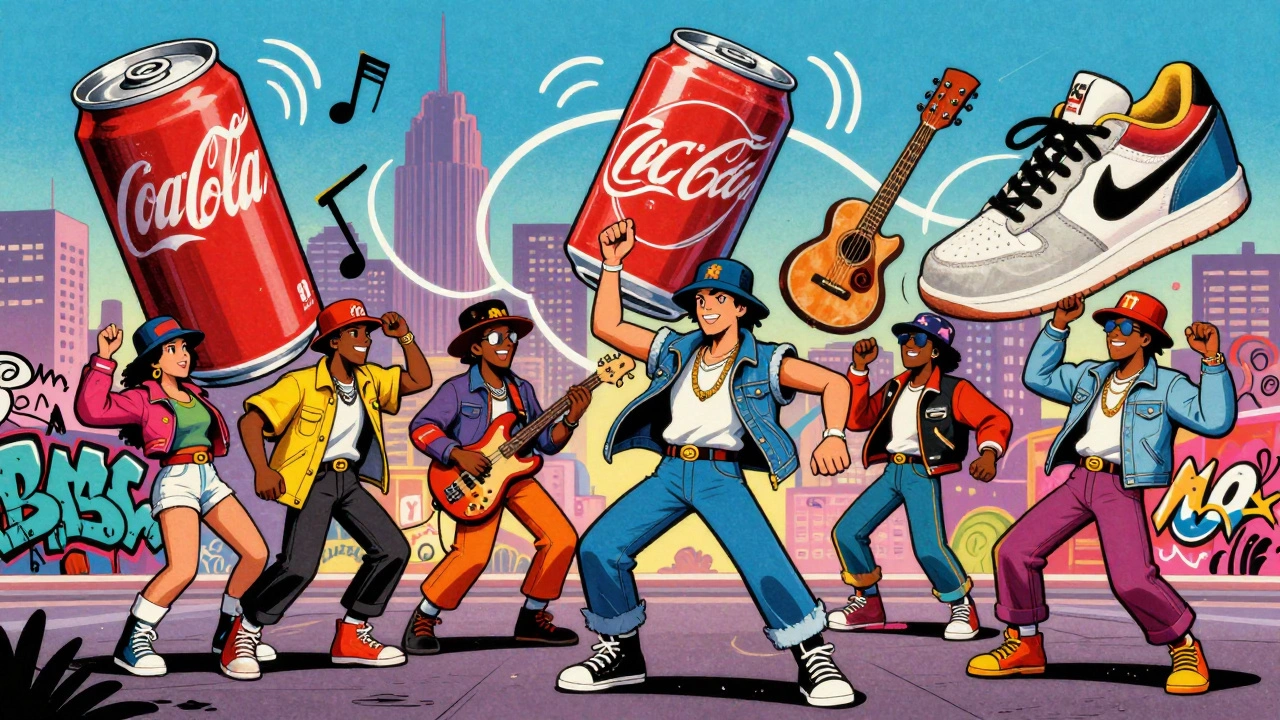
This shift forced brands to rethink their tone. They couldn't just be corporate anymore; they had to be cool. This led to the rise of lifestyle branding, where companies aligned themselves with specific subcultures. Nike, for instance, began associating itself with basketball culture, which was deeply intertwined with hip-hop. The Air Jordan line, launched in 1985, wasn't just shoes; it was a cultural statement backed by the rhythm and rhyme of the streets.
Key Moments of Fusion
| Year | Artist/Brand | Release/Campaign | Impact |
|---|---|---|---|
| 1980 | Blondie | "Rapture" | First #1 hit with rapping, introduced hip-hop to rock fans. |
| 1983 | Michael Jackson | "Beat It" | Fused rock guitar with pop/hip-hop rhythms, massive chart success. |
| 1984 | Run-D.M.C. | "Rock Box" | Integrated live rock guitar into hip-hop production. |
| 1984 | Oldsmobile | "Cutting Edge" Ad | Used rap-style jingle to target youth demographics. |
| 1985 | Nike | Air Jordan Launch | Aligned sneaker culture with hip-hop and basketball ethos. |
The Legacy of the 1980s Fusion
The experiments of the 1980s laid the groundwork for everything that followed. Without Blondie opening the door, maybe "Walk This Way" by Run-D.M.C. and Aerosmith wouldn't have happened in 1986. That song revitalized Aerosmith's career and proved that rock and rap could share the stage equally. It wasn't just a collaboration; it was a validation.
In advertising, the lesson learned in the 80s was simple: authenticity matters. As hip-hop grew more sophisticated, so did the ads. Brands moved from cheesy imitations to genuine partnerships. Today, when you see a luxury brand collaborating with a rapper, it’s a direct line back to those early 80s campaigns that tried to find a common ground.
For pop music, the influence is even more profound. Almost every pop song today uses hip-hop production techniques. The 808 bass, the trap hi-hats, the chopped vocals-these are all descendants of the tools developed in hip-hop studios in the 70s and 80s. The distinction between "pop" and "hip-hop" has largely vanished because they’ve been merging for decades.
The 1980s taught us that music isn't static. It evolves through collision. When rock met hip-hop, neither genre died; they both got stronger. They borrowed each other's strengths-rock's melody and power, hip-hop's rhythm and attitude-to create something entirely new. And in doing so, they changed not just how we listen, but how we buy, dress, and express ourselves.
Who was the first rock artist to collaborate with hip-hop?
Blondie is widely credited with the first major crossover with their 1980 hit "Rapture," which featured rapping and reached number one on the US charts. However, The Clash also incorporated hip-hop elements into their music around the same time.
How did MTV influence the relationship between rock and hip-hop?
MTV provided a visual platform that exposed rock audiences to hip-hop artists and vice versa. Shows like "Yo! MTV Raps" gave hip-hop dedicated airtime, while the general rotation of music videos helped normalize the sound and style of rap for mainstream viewers.
Did hip-hop influence pop music production in the 1980s?
Yes, significantly. Pop producers began using hip-hop-inspired drum patterns, sampling techniques, and heavier basslines. Artists like Michael Jackson and Madonna adopted these elements to make their music more rhythmic and dance-oriented.
What was the role of Run-D.M.C. in bridging rock and hip-hop?
Run-D.M.C. actively integrated rock instruments into their music, such as the guitar solo in "Rock Box." They later collaborated with Aerosmith on "Walk This Way," proving that the two genres could merge successfully and commercially.
How did advertising campaigns change due to hip-hop's rise?
Advertisers began using hip-hop rhythms, slang, and aesthetics to appeal to younger demographics. Campaigns like Oldsmobile's "Cutting Edge" and Nike's Air Jordan launch used hip-hop culture to create authentic connections with consumers, moving away from traditional, polished ad styles.